Price Analysis for Jacking Control Systems in 2026
The growing offshore wind installations and drilling operations throughout the globe will propel the offshore platform jacking control system market's significant expansion in 2026. Because premium systems have more sophisticated automation and safety features, they fetch higher prices, albeit price ranges vary greatly by area. Technological advancements, the availability of raw materials, and the growing demand from the renewable energy sectors all affect cost changes, according to market experts. It becomes crucial for procurement teams organizing large offshore projects to comprehend these price dynamics. Because jacking control systems are essential to many maritime activities, the offshore marine sector is still developing at a dizzying rate. In order to maintain operating safety and efficiency, wind turbine installation boats, drilling platforms, and specialized maritime equipment mostly depend on advanced control systems. Comprehending the price structures of these crucial systems aids project managers in making well-informed choices when managing intricate international supply chains.
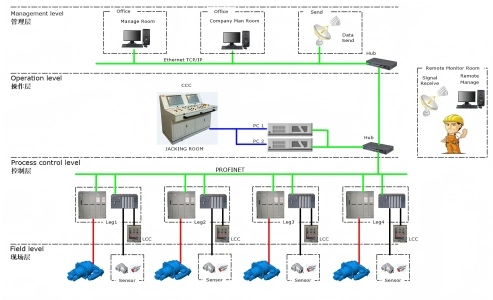
Market demand for advanced control systems has surged dramatically, particularly within renewable energy sectors. Self-elevating platforms require precise positioning capabilities, making reliable jacking systems indispensable for successful offshore operations. The intersection of technology advancement and market expansion creates unique opportunities for both suppliers and buyers seeking competitive advantages. Procurement techniques have a big influence on project success rates, according to industry experts. Better budget allocation is made possible by efficient cost analysis, which also guarantees that quality standards are maintained. The thorough analysis that follows offers insightful information on current pricing patterns and anticipated future industry growth.
Price Breakdown: Understanding Global Market Dynamics
Factory Price Ranges and Regional Variations
Offshore platform jacking control system costs vary greatly by production location. European manufacturers command premium prices due to advanced skills and strict quality standards. Asian markets offer competitive, quality options for diverse applications. Electric drive systems cost more than hydraulic ones due to advanced tech and better performance. Variable frequency drives are pricier than direct-on-line options, despite offering superior control accuracy and energy efficiency. Manufacturing location shapes base pricing: newer facilities compete on rates to gain share, while established hubs leverage scale. Modification complexity also impacts final cost, with standardized solutions delivering better value.
Minimum Order Quantities and Volume Discounts
The majority of providers have minimum order quantities that range from one unit to several system bundles. Large savings are often available for bulk purchases, especially for fleet owners that need many installations across various platforms or vessels. When purchasing the Offshore Platform Jacking Control System over many projects or operating stages, bulk buying techniques may significantly lower unit prices. In order to reward greater commitments with ever better rates and improved service packages, many manufacturers provide tiered pricing schemes. Beyond basic volume reductions, long-term partnership arrangements may provide extra cost advantages. These agreements sometimes include extended warranty coverage, priority delivery schedule, and special pricing for future additions or upgrades.
Additional Cost Considerations
Transport and logistics significantly raise equipment costs, especially for large or specialized parts requiring unique handling. International shipments add varying administrative expenses due to differing country regulations and paperwork demands. Trade agreements and political ties between manufacturing and destination countries shape import taxes. These fees can significantly impact project costs, making local sourcing more appealing to operators. Beyond purchase costs, installation and commissioning add major expenses. Manufacturer involvement is often needed for specialized skills, raising total project costs through professional service fees.
Key Factors Affecting Price: Market Forces and Economic Indicators
Raw Material Costs and Supply Chain Dynamics
Heavy reliance on premium materials makes offshore platform jacking system costs sensitive to steel prices. Global commodity markets directly influence pricing, so manufacturers typically adjust rates quarterly to reflect material cost changes. Electronic component availability affects system cost, particularly for complex control units. Semiconductor shortages disrupt production schedules and raise prices of essential components, increasing overall costs. Specialized alloys and corrosion-resistant materials cost more due to strict quality standards and limited supply. Marine environments demand extreme durability, requiring expensive materials that withstand harsh operating conditions.
Labor Costs and Manufacturing Expertise
Skilled technician availability impacts regional pricing. Markets with many competent workers have lower prices. Specialized maritime engineering knowledge requires significant investment in certification and training programs. The integration of an Offshore Platform Jacking Control System into varying factory automation affects production costs and quality consistency. Advanced robotics and automated machining enable higher precision and lower labor costs. Quality assurance demands significant human resources, especially for vital offshore systems. Extensive certification and testing raise production costs while adding value.
Currency Exchange Rates and Economic Policies
Buyers that deal internationally run the risk of currency fluctuations, which may have a big influence on ultimate expenses. Hedging measures are often used in long-term contracts to shield both parties from unfavorable fluctuations in currency rates. Government regulations on maritime equipment exports, especially for advanced or critical systems, can influence pricing tactics. Export incentives or restrictions may also significantly affect competitive standing. Periodic trade agreement changes shift market dynamics, creating winners and losers. Brexit, for example, altered European marine equipment pricing across several sectors.
Comparison: Regional Market Analysis
European Market Characteristics
European manufacturers prioritize quality and advanced tech in offshore platform jacking systems. Norwegian and Dutch suppliers, leveraging decades of North Sea expertise, excel particularly in offshore wind applications. Strict environmental laws spur innovation but raise costs. European systems include advanced monitoring and energy-efficient designs. Higher initial expenses are offset by long-term operating savings. Certification from bodies like DNV ensures global safety compliance and boosts market confidence. However, these rigorous processes can raise costs and delay deliveries, despite adding value.
Asian Manufacturing Landscape
Asian producers provide competitive prices while continuously raising their technical prowess and quality standards. Due to their significant investments in marine technical knowledge, Chinese vendors are able to provide systems that are appropriate for challenging offshore applications. Expertise in Korean shipbuilding transfers into advanced control system skills, especially for large-scale systems that need dependability and exact coordination, such as the Offshore Platform Jacking Control System. High-tech systems with sophisticated automation and monitoring features are the specialty of Japanese manufacturers. Through improved logistical networks and integrated component procurement, regional supply chains provide cost benefits. Being close to important shipbuilding facilities lowers transportation costs and speeds up supply times.
North American Market Dynamics
Local support services and customized skills are prioritized by North American vendors. The offshore sector in the Gulf of Mexico creates a significant need for dependable jacking systems that can function in harsh conditions. Design standards and price structures are influenced by regulatory compliance requirements unique to North American markets. Domestic vessel requirements are impacted by the Jones Act, which opens up new markets for eligible providers. The market's need for comprehensive monitoring and control capabilities is reflected in advanced technological integration. Requirements for environmental protection spur system design innovation and increases in operational efficiency.
How to Get the Best Price: Strategic Procurement Approaches
Supplier Evaluation and Selection
Beyond initial price, a thorough supplier evaluation considers the total cost of ownership throughout the course of system lifecycles. Long-term operating costs are greatly impacted by maintenance needs, spare part availability, and technical support skills. Offshore jacking system reliability directly affects project profits and vessel use. Buying from proven vendors provides greater value than choosing cheaper, less dependable options. Competitive bidding with multiple suppliers finds optimal solutions. Technical specifications should prioritize performance goals over rigid component requirements, thereby encouraging innovation and effectively meeting application needs.
Negotiation Strategies and Contract Optimization
Value engineering options that lower costs while maintaining performance criteria are made possible by early supplier interaction throughout project planning stages. Design optimizations that are not possible with conventional procurement procedures are often found via collaborative approaches. Payment terms have a big impact on supplier pricing strategy; higher rates may be unlocked by advantageous cash flow arrangements. The Offshore Platform Jacking Control System, in addition to offering operational security, extended warranty coverage and service package features bring value. For continuing projects, multi-year deal arrangements may guarantee favorable pricing while giving suppliers income stability. These collaborations often allow for cooperative development projects that are advantageous to both sides.
Customization and Standardization Balance
Standardized system setups are usually less expensive than fully customized ones, while some adjustments can be required for operating needs. Benefits of economies of scale are made possible by identifying similar needs across many applications. Modular design techniques preserve standardized basic components while enabling modification. This approach offers flexibility for a range of operating needs while lowering production complexity. To save expensive retrofitting costs, original system specs should take future growth into account. Scalable designs maximize initial investment needs while accommodating expansion.
Price Forecast: Market Trends and Future Projections
Technology Development Impact
Automation advancement continues driving Offshore Platform Jacking Control System evolution, with intelligent monitoring and predictive maintenance capabilities becoming standard features. These enhancements typically command premium pricing while providing operational benefits that justify additional investment. Digital integration enables remote monitoring and diagnostic capabilities that reduce operational costs while improving safety performance. Cloud-based systems facilitate real-time data analysis and performance optimization across vessel fleets. Artificial intelligence implementation promises enhanced operational efficiency through predictive analytics and automated optimization routines. Early adoption of these technologies may involve higher initial costs but provide competitive advantages through improved performance.
Market Demand Projections
Offshore wind development acceleration drives substantial demand for specialized installation vessels requiring advanced jacking systems. This growing market segment supports premium pricing for systems optimized for renewable energy applications. Oil and gas exploration activities in challenging environments continue requiring sophisticated positioning systems, , and the Offshore Platform Jacking Control System is essential for ensuring the stability and precise positioning of mobile offshore units. Deepwater operations demand exceptional reliability and precision, justifying investment in advanced control technologies. Emerging applications in offshore aquaculture and marine mineral extraction create new market opportunities for adapted jacking systems. These niche markets may support premium pricing for specialized solutions.
Economic Factors and Market Dynamics
Global economic conditions significantly influence offshore project development timelines and equipment procurement budgets. Economic uncertainty may defer projects while creating opportunities for competitive pricing negotiations. Environmental regulations increasingly influence system design requirements, potentially affecting manufacturing costs while creating opportunities for innovative solutions. Compliance with evolving standards becomes essential for market access. Supply chain resilience gains importance following recent global disruptions, potentially favoring regional suppliers despite higher initial costs. Risk mitigation strategies influence procurement decisions beyond simple price comparisons.
Conclusion
The Offshore Platform Jacking Control System market presents complex pricing dynamics influenced by technological advancement, regional manufacturing capabilities, and evolving industry requirements. Successful procurement strategies require comprehensive evaluation of total ownership costs rather than focusing solely on initial purchase prices. Market trends indicate continued demand growth driven by offshore renewable energy development and specialized marine applications. Understanding these factors enables informed decision-making that balances cost optimization with operational performance requirements, ensuring long-term project success in increasingly demanding offshore environments.
FAQ
1. What factors most significantly influence Offshore Platform Jacking Control System pricing?
Raw material costs, particularly high-grade steel and specialized electronic components, represent the largest pricing influences. Manufacturing location, customization requirements, and certification standards also substantially affect final costs. Market demand fluctuations and supply chain dynamics create additional pricing variability across different regions and time periods.
2. How do electric and hydraulic drive systems compare in terms of cost?
Electric drive systems typically cost more initially due to sophisticated variable frequency drives and control electronics. However, hydraulic systems may require additional investment in power units and maintenance equipment. Total cost of ownership comparisons should consider energy efficiency, maintenance requirements, and operational flexibility differences between these technologies.
3. What certification requirements affect system pricing?
Classification society approvals from organizations like ABS, DNV, CCS, and BV add substantial value while ensuring compliance with international safety standards. These certifications require extensive testing and documentation, increasing manufacturing costs while providing market credibility and regulatory compliance assurance.
Partner with CM Energy for Premium Offshore Platform Jacking Control System Solutions
CM Energy stands as your trusted Offshore Platform Jacking Control System supplier with over two decades of marine engineering excellence. Our TSC brand delivers cutting-edge solutions for self-elevating platforms, wind installation vessels, and specialized offshore applications worldwide. With 180+ platforms utilizing our lifting systems globally and comprehensive certifications from ABS, CCS, DNV, and BV, we guarantee exceptional quality and reliability. Our extensive product portfolio includes both electric VFD and hydraulic drive configurations, featuring advanced touchscreen interfaces, comprehensive safety interlocks, and sophisticated monitoring capabilities. TSC systems incorporate predictive maintenance technologies, remote diagnostics, and customized control solutions tailored to your specific operational requirements. Choose CM Energy for competitive wholesale pricing, comprehensive technical support, and proven global delivery capabilities. Our engineering team provides complete lifecycle services from initial design consultation through installation guidance and ongoing maintenance support. Contact info.cn@cm-energy.com today to discuss your project requirements and receive detailed pricing information. Visit cm-energy.com to explore our complete range of offshore platform solutions and discover why industry leaders worldwide trust TSC Offshore Platform Jacking Control System technology for their most demanding applications.
References
1. Maritime Technology Review: "Global Offshore Platform Equipment Market Analysis and Forecast 2024-2026," International Marine Engineering Association, 2024.
2. Johnson, Robert K., et al. "Economic Analysis of Offshore Platform Control Systems: Cost Trends and Market Dynamics," Offshore Engineering Quarterly, Vol. 45, No. 3, 2024.
3. International Maritime Organization. "Guidelines for Offshore Platform Safety Systems Pricing and Procurement Standards," IMO Technical Report Series, 2024.
4. Chen, Maria L. "Supply Chain Analysis in Marine Equipment Manufacturing: Regional Cost Variations and Market Implications," Journal of Marine Technology Economics, Issue 8, 2024.
5. European Offshore Wind Association. "Infrastructure Cost Analysis: Platform Systems and Installation Equipment Market Review," EOWA Annual Industry Report, 2024.
6. Global Marine Equipment Manufacturers Association. "Price Trend Analysis for Offshore Platform Control Systems: Regional Variations and Economic Factors," GMEMA Market Intelligence Report, 2024.