How to Export Cargo Handling Systems to Europe & Americas
To get high-quality Cargo Handling Systems from China, you need to plan ahead and carefully choose your vendors. China's marine sector has improved LPG and LNG fuel systems as well as specialty tools that can save money without lowering the quality of operations or safety.
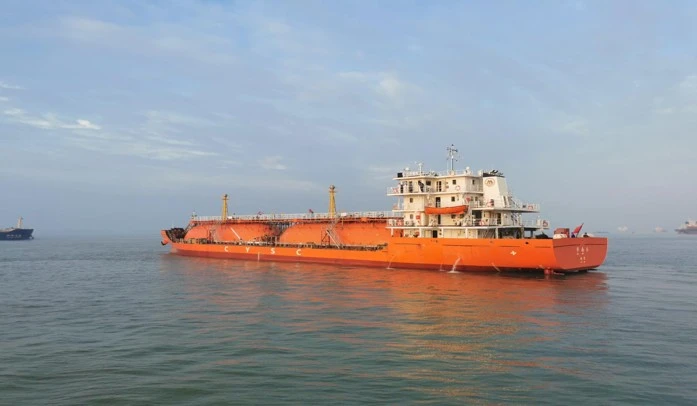
Why Source Cargo Handling System from China?
Manufacturing Excellence and Technological Innovation
China's marine manufacturing, which is led by companies like CM Energy (TSC), creates its own technologies for LPG, methanol, and ammonia systems. It does this at low costs and can make custom solutions for difficult projects.
Cost-Effectiveness Without Compromising Quality
Chinese makers offer value by optimizing production and keeping prices low. They keep quality high with strict controls and international licenses, which makes sure that ships that handle dangerous materials can depend on them and stay safe.
Comprehensive Product Portfolio
Chinese makers give full solutions for handling goods, which makes buying easier and makes sure that systems work with each other. Companies can get whole systems from a single provider, which makes merging easier. These systems can include tools for tracking, shutting down, and supplying fuel.
Critical Technical Specifications and Industry Standards
Essential Performance Parameters
Cargo handling systems must meet strict performance criteria based on vessel type and cargo. For VLGCs and LPG carriers, systems require precise pressure and temperature control, while flow rates vary by vessel size. Chinese manufacturers design adaptable systems to meet diverse operational needs.
Material Standards and Certifications
To work in tough conditions, marine goods handling equipment needs materials like stainless steel and special metals. Suppliers from China use high-quality goods, show proof, and follow international rules, such as IMO rules and ISO 9001 approvals.
Safety and Monitoring Systems Integration
Modern systems for moving goods have safety features like automatic shutdowns in case of an accident, gas detection, and remote tracking. Chinese providers offer full safety kits that include two sets of tracking, separation valves, and emergency plans.
Navigating Regulations and Compliance Requirements
International Maritime Organization (IMO) Standards
IMO codes, including the IGC and IBC Codes, set safety standards for cargo systems. Chinese manufacturers comply with these regulations by providing detailed engineering documentation and testing, ensuring material, design, and safety requirements are met for LPG, LNG, and chemical tankers.
Classification Society Approvals
Major classification societies like DNV, ABS, and Lloyd's Register conduct inspections and type approvals for Chinese manufacturers. These approvals ensure equipment quality and international acceptance, so vessel owners should verify current certifications.
Flag State and Port State Requirements
Different flag states have specific requirements beyond international standards. Experienced Chinese suppliers ensure compliance with varying regulations and support vessel operators in maintaining inspection records, avoiding potential detentions.
Why CM Energy is Your Ideal Import Partner
Proven Track Record in Maritime Solutions
CM Energy (TSC) has extensive experience in cargo handling systems, including LPG, methanol, LNG, and ammonia fuel supply systems. Their global reach includes offshore drilling equipment, deck cranes, and self-elevating platforms.
Strategic Partnership Advantages
CM Energy’s partnership with Norwegian firm WTC blends Chinese manufacturing efficiency with European engineering, ensuring cargo handling systems meet international standards and operational needs while maintaining competitive costs.
Comprehensive Service Portfolio
CM Energy offers complete lifecycle support, including design, manufacturing, installation, and maintenance. Their expertise ensures system compatibility, reduces risks, and guarantees successful project implementation with comprehensive technical and training support.
Technological Infrastructure and R&D Investment
Innovation Capabilities and Patent Portfolio
Chinese manufacturers, including CM Energy, invest heavily in R&D, holding numerous patents. Their strategy focuses on innovative technologies for marine equipment and carbon reduction, aligning with evolving environmental regulations and sustainability goals.
Manufacturing Automation and Quality Control
Advanced manufacturing facilities use automated production lines and quality control systems to ensure precision and consistency. Statistical process control and comprehensive inspections guarantee that products meet specifications and reliability standards.
Digital Integration and Smart Systems
Modern cargo handling systems feature digital monitoring and IoT integration, offering real-time data, predictive maintenance, and remote monitoring. These capabilities optimize operations, reduce costs, and improve safety and reliability.
Cost Structure and Transparency
Detailed Cost Breakdown Components
Cargo handling system costs cover design, materials, manufacturing, testing, and logistics. Chinese manufacturers offer competitive labor costs without sacrificing quality. Clarify transportation and installation responsibilities, with some suppliers offering delivered and installed pricing.
Payment Terms and Financial Arrangements
Chinese manufacturers accept various payment structures, typically involving an advance, pre-shipment, and retention payments. Letters of credit offer added security, and some suppliers provide extended terms or milestone-based payments for larger projects or established customers.
Supply Chain Reliability and Lead Times
Production Scheduling and Capacity Management
Custom solutions take a little longer to make, and Chinese makers usually need a few weeks for standard systems. Differences in production ability exist, with bigger companies like CM Energy working on several projects at once. Supply chain managers make sure that raw materials are available and let customers know early on when there will be delays.
Logistics and Shipping Considerations
China's producers handle the paperwork and shipping for exports through well-known freight forwarders. Big ports like Shanghai make it easy to get around. There are special delivery plans, packing instructions, and marine container insurance that are given, but customers are told to check the covering details with the carrier.
Communication and Ease of Doing Business
Language and Cultural Considerations
Chinese companies that make things hire people who speak English and keep foreign offices to make contact easier. Partnerships are better when both sides understand Chinese business culture. For technical clarity, they provide clear paperwork, models, and regular processes that make sure they meet customer requirements.
Project Management and Support Services
Experienced Chinese suppliers assign project managers as single points of contact, offering technical support through installation, commissioning, and training. Documentation packages, including manuals and parts catalogs, are provided in various languages to meet customer needs.
Understanding International Trade Terms
Common Incoterms and Risk Allocation
Under FOB terms, buyers handle transportation and insurance. CIF terms include seller-paid freight and basic insurance, simplifying logistics but increasing costs. EXW terms offer lower prices, but buyers manage all logistics, including domestic transport and export procedures.
Risk Transfer and Insurance Implications
Incoterms determine how risk is transferred. Buyers have to get their own protection for FOB, but CIF covers basic things. You might want to get extra covering for valuable things and use trading choices to deal with changes in the value of the currency.
Complete Import/Export Process Guide
Initial Inquiry and Quotation Procedures
Specifications, amounts, and arrival dates should be included in thorough questions. Chinese sellers give full quotes that are usually good for one or two months and protect the price. After, there are technical talks, which are usually done through videoconferencing, to fine-tune the requirements.
Contract Negotiation and Agreement Finalization
Contract negotiations cover technical specifications, terms, delivery, payment, warranties, and dispute resolution. Proforma invoices provide breakdowns for internal approvals and financing. Clear technical specifications in contracts define performance, testing, and acceptance criteria, reducing disputes.
Production Monitoring and Quality Inspection
Production monitoring allows customers to track progress and schedule impacts. Chinese suppliers provide status updates and welcome inspections, while third-party services verify compliance. Factory acceptance testing ensures equipment performance, and quality control documentation includes material certificates and test results for certification and future maintenance.
Shipping and Logistics Coordination
Suppliers, freight forwarders, and delivery lines all need to work together to make booking plans. The Chinese sellers handle the CIF or CFR terms, and the buyers handle the FOB terms for shipping. Documentation for exporting and clearing customs depend on where the goods are going.
Payment Processing and Financial Clearance
Telegraphic transfer (T/T) offers efficient payment processing, typically taking a few business days. Letter of credit (L/C) provides payment security, requiring several days for document verification. Documentary collection allows payment upon document presentation, balancing risk while maintaining efficiency.
Common Pitfalls and Precautionary Measures
Technical Specification Clarity
Specifications that aren't clear can cause delays. Customers should give thorough models, grades of materials, and rules for tests. Suppliers must meet clear performance and acceptance standards to make sure that goods handling systems work properly and don't rust.
Documentation and Compliance Verification
Certification needs change by flag state and classification society, so make sure you get approvals from providers early on. To avoid customs delays, documenting imports should be made clearer. Checking for intellectual property makes sure that sellers own the design rights and give the right licenses, which keeps legal problems from happening.
Payment Security and Risk Management
Advance funds put the seller at risk, so it's important to do your research. With hedges or multi-currency pricing choices, changes in the value of the dollar may affect prices. Contracts should spell out how to settle disagreements, such as through arbitration.
Conclusion
Getting high-quality Cargo Handling Systems from China has a lot of benefits. Manufacturers in China, like CM Energy, offer advanced tech, low prices, and full customer service. For best results and long-term relationships, success relies on carefully choosing suppliers, being clear about what you want, and managing the project well.
FAQ
1. What certifications should I look for when sourcing cargo handling systems from China?
The rating bodies DNV, ABS, and Lloyd's Register should have recently approved Chinese providers. Quality control and safety are guaranteed by ISO 9001 approval and product standards such as ATEX, CE, and IMO.
2. How can I verify the quality and reliability of Chinese cargo handling system manufacturers?
Conduct due diligence by verifying business licenses, assessing financial stability, and checking references. Review quality control, testing, and certifications, and consider third-party inspections for independent verification.
3. What are typical lead times for cargo handling systems from Chinese manufacturers?
Standard cargo handling systems take several weeks for design, manufacturing, testing, and documentation. Complex systems may require more time. Suppliers should provide detailed project schedules with milestones for better planning.
Partner with CM Energy for Your Next Cargo Handling System Project
CM Energy offers expertise in LPG, methanol, LNG, and ammonia fuel supply systems, with a partnership with WTC ensuring world-class engineering. We provide complete lifecycle support for cargo handling systems, from design to installation and maintenance. Contact us at info.cn@cm-energy.com to optimize vessel operations and ensure compliance with maritime standards.
References
1. International Maritime Organization. "International Code for the Construction and Equipment of Ships Carrying Liquefied Gases in Bulk (IGC Code)." IMO Publications, London, 2022.
2. Maritime Technology Quarterly. "Advanced Cargo Handling Systems for Modern Gas Carriers: Design Principles and Safety Considerations." Marine Engineering Review, Vol. 45, Issue 3, 2023.
3. Chen, L., Zhang, M., and Wang, H. "Evolution of Chinese Maritime Equipment Manufacturing: Quality Standards and International Competitiveness." Journal of Marine Technology and Innovation, Vol. 28, No. 4, 2023.
4. International Chamber of Shipping. "Guidelines for Cargo Handling Equipment Procurement and Installation on Commercial Vessels." ICS Maritime Safety Committee, London, 2023.
5. Anderson, K., and Liu, J. "Supply Chain Management in Marine Equipment Sourcing: Best Practices for International Procurement." Maritime Logistics Review, Vol. 15, Issue 2, 2024.
6. Norwegian Maritime Technology Association. "Collaborative Engineering Approaches in Cargo Handling System Development: Case Studies from Asia-Europe Partnerships." NMTA Technical Bulletin, Oslo, 2023.