Global Suppliers of Industrial Solid Control Systems
China is becoming a major manufacturing hub, and the drilling sector has changed as a result of global suppliers of industrial solid control systems. The foundation of drilling operations for geothermal, shale gas, and offshore platforms is a strong control system. Chinese producers have gained a sizable portion of the market thanks to their cutting-edge technologies, affordable prices, and extensive service offerings. In a variety of drilling applications, these cutting-edge separation and filtering technologies provide effective mud treatment while reducing environmental impact. Globally, the use of advanced solid control systems has increased in response to the growing need for environmentally friendly drilling techniques. Equipment for modern operations must have both automated monitoring capabilities and high-performance solids removal. Project success and operational effectiveness depend on knowing how to choose trustworthy manufacturers.
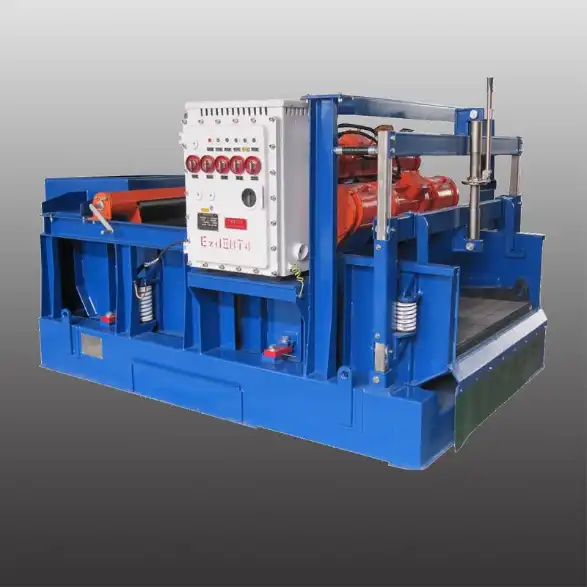
China's Manufacturing Excellence in Solid Control Technology
Advanced Manufacturing Infrastructure
Strict quality control and automated lines are used in China's sophisticated manufacturing to create dependable control systems. Testing facilities, research institutes, and component vendors provide an ecosystem that propels ongoing innovation. Utilising economies of scale, Chinese manufacturers provide high-quality, reasonably priced equipment. By combining cutting-edge materials and precise engineering, they satisfy international standards and provide a competitive advantage in terms of performance and durability.
Technological Innovation Leadership
China's R&D focuses on automation, next-gen separation, and modular systems for rapid drilling deployment. Top manufacturers invest heavily in energy-efficient innovations, including advanced hydraulics and sensor integration. Progress in solid control systems further supports these advancements. Leading makers of closed-loop systems that maximise fluid recycling and reduce waste are Chinese solid control system manufacturers. These developments reduce expenses and safeguard the environment, which directly supports contemporary drilling.
Global Market Penetration
Chinese manufacturers of solid control systems provide land rigs, offshore platforms, and speciality drilling all around the globe. They are widely used in many different applications, which shows how reliable and effective this Chinese-made equipment is. International drilling partnerships attest to the reliable performance and exceptional quality of Chinese solid control systems. The equipment satisfies a variety of requirements and performs well in a range of operational conditions thanks to these collaborations.
Selecting Reliable Manufacturers: Essential Evaluation Criteria
Manufacturing Capability Assessment
Assessing production capacity determines if volume and schedule needs are met. Visiting facilities evaluates workers, procedures, and equipment. Check varied equipment like centrifuges and shakers to ensure it handles all solutions. Review the manufacturer's equipment delivery history for similar applications. Request case studies and references to see proven solid control system implementations, revealing their ability to manage complex specs and deliver reliable results.
Technical Expertise Evaluation
Evaluate the firm's technical support and engineering capabilities. Qualified teams tailor solid control systems to specific operational needs. Key expertise includes real-time monitoring, data analytics, and automation integration. Manufacturers must demonstrate knowledge of separation tech and drilling fluids. They should provide documentation and expertise for issues in various conditions, including saltwater and hazardous zones.
Quality Management Systems
OEMs use rigorous testing and quality control to ensure reliable performance. Reputable producers implement thorough procedures, testing components and systems before delivery to guarantee dependability. Examine how they choose materials for various applications, especially those that need to be corrosion-resistant in offshore settings, and evaluate how the solid control system integrates with this selection. High-quality manufacturers employ high-quality materials and parts to guarantee enduring dependability and low maintenance needs over the course of the equipment's lifecycle.
Service and Support Infrastructure
Assess the company's global service network and technical support. Comprehensive after-sales service includes installation, training, and maintenance. A robust network minimizes downtime and ensures quick response to technical issues. Dependable manufacturers ensure prompt delivery through strong logistics, ample spare parts, and efficient distribution. This support infrastructure is vital for operational continuity, especially in remote areas.
Financial Stability and Business Reputation
Check manufacturer's market reputation and financial stability. Established producers with solid finances offer better warranty support. Read reviews to gauge industry standing and customer satisfaction. Reputable manufacturers follow ethical norms, global practices, and transparent operations. They also demonstrate a strong commitment to sustainable manufacturing processes that meet modern corporate responsibility standards.
Essential Certification Requirements and Standards
International Quality Certifications
A manufacturer's ISO 9001 accreditation reflects a commitment to quality and global standards. Their ISO 14001 certification also demonstrates a strong focus on environmentally friendly production. API certifications validate drilling safety requirements and equipment performance. These certifications guarantee solid control system components meet industry-specific reliability standards, ensuring dependable operation even in severe conditions.
Safety and Environmental Compliance
DNV and ABS certifications verify the safety and functionality of offshore equipment. Solid control systems on drilling platforms and vessels require these certifications, which involve rigorous testing to ensure operational reliability and safety. ATEX certification guarantees equipment is safe for use in explosive atmospheres. It is essential when solid control systems risk exposure to hydrocarbon vapours or other dangerous materials.
Regional Regulatory Compliance
The CE mark indicates compliance with EU safety and environmental regulations, meeting strict standards and allowing market access. RoHS compliance ensures equipment adheres to hazardous material restrictions. Understanding regional certification standards streamlines project approval and ensures compliance. Manufacturers must provide thorough documentation for all certifications, proving continuous adherence to evolving regulations.
Strategic Sourcing Channels and Platform Selection
Direct Manufacturer Engagement
Direct communication with manufacturers ensures better control over delivery, pricing, and specifications. It promotes clear dialogue, enables customization, and often leads to stronger technical support and long-term partnerships. Manufacturer visits enable thorough capability and quality checks. Direct contact clarifies production processes and supports collaborative design of tailored solid control systems that meet project needs.
Industry Trade Shows and Exhibitions
Major industrial shows like OTC and IADC conferences allow side-by-side tech comparison, assessment of multiple firms, and direct contact with representatives. They showcase the latest advancements in solid control systems. Trade shows enable engineering teams to inspect equipment, attend live demos, and discuss technical details. These events are vital for building strong industry relationships and evaluating performance and quality firsthand.
Professional Industry Networks
Industry groups and professional networks offer key insights into manufacturers' performance. Speaking with drilling contractors provides real-world feedback on solid control systems and the quality of manufacturer support. Professional recommendations link you with reliable manufacturers for smart equipment choices. Industry networks provide ongoing technical support and shared expertise, ensuring lasting value throughout the equipment's lifecycle.
OEM and ODM Collaboration Strategies
Partnership Model Selection
OEM partnerships enable private labeling of proven systems, preserving brand identity while leveraging reliable technology. This strategy effectively drives product diversification and strengthens market presence. In ODM partnerships, custom control systems are built to exact specifications. This approach ensures unique product features and performance, delivering clear differentiation and a strong competitive edge.
Intellectual Property Protection
In cooperative projects, IP agreements protect both parties' interests. These contracts must clearly define who handles design changes and upgrades. Effective IP protection balances innovation with maintaining competitive advantages. Non-disclosure agreements protect sensitive information shared during development. Clear intellectual property rules enable confident collaboration, safeguarding innovations and preserving competitive advantages.
Development Process Management
Well-organized procedures, with clear deadlines and testing standards, boost teamwork and timely delivery. Regular technical reviews and progress reports sustain momentum and quality for custom systems. Collaborative engineering teams enable information transfer and skill development throughout development. This ensures successful product launches and ongoing support for customized, robust control system solutions.
MOQ and Pricing Negotiation Excellence
Minimum Order Quantity Optimization
To optimize inventory, grasp manufacturer MOQs. Leverage partnerships to negotiate flexible deals. Strategic clients may secure lower minimums, cutting costs and aligning with projected volume needs. Collaborative forecasting enables better MOQ planning and inventory optimization. Sharing expected needs helps buyers optimize purchasing and cut costs, while allowing producers to efficiently plan production capacity.
Value-Based Pricing Strategies
Negotiations should concentrate on entire value rather than just unit price. When assessing price bids, take into account elements like quality, dependability, a solid control system, service support, and delivery performance. Despite greater initial price, thorough value analysis often shows a cheaper total cost of ownership. Long-term contracts ensure favorable terms and price stability for continuous control system needs. Volume commitments enable better pricing and priority service during high demand.
Payment Terms and Risk Management
Balance risk and cash flow when negotiating payments. Letters of credit offer competitive pricing and security for cross-border deals. Optimize cash flow for both sides with milestone-based progressive payment plans. Warranty clauses and performance bonds address equipment issues and reduce risks. Clear warranty terms and service obligations ensure ongoing support and smoother operations throughout the equipment's lifespan.
Factory Audits and Quality Assurance Excellence
Comprehensive Audit Planning
Create detailed audit checklists for service, QA, and manufacturing. Verify staff credentials and equipment calibration. Assess production capacity to ensure consistent quality and build trust in the manufacturer. Third-party audits evaluate solid control system makers when internal resources are limited. These services deliver impartial assessments based on standardized criteria, ensuring thorough verification of supplier capabilities.
Quality Control System Evaluation
Verify supplier credentials and incoming materials. Control components must meet strict manufacturer standards. Ensure testing procedures and calibration are accurate for consistent production. Final inspection tests completed equipment for performance, safety, and reliability. Documented QC methods ensure consistent performance and traceability throughout manufacturing.
Continuous Improvement Assessment
Assess the manufacturer's commitment to R&D, training, and process optimization. Review their product development cycles and how they integrate client feedback for continuous progress. Producers of solid control systems adapt to regulatory shifts and industry trends. They stay informed on legal and tech changes, ensuring ongoing equipment compliance and relevance.
Leading Supplier Characteristics in 2026
Technology Integration Leadership
Modern solid control systems feature IoT sensors and real-time monitoring. Data analytics enables predictive maintenance and optimized performance. These technologies increase efficiency and cut costs. Automation boosts operational consistency and cuts human intervention. Top manufacturers offer intuitive interfaces and remote monitoring to improve equipment maintenance and operational efficiency.
Sustainability and Environmental Excellence
Leading solid control system makers prioritize eco-friendly closed-loop designs to boost fluid recycling and cut waste. Energy-efficient components reduce both operating costs and environmental impact throughout the equipment's lifespan. Responsible sourcing and sustainable production reflect environmental commitment. Leading manufacturers drive continuous sustainability progress through comprehensive environmental management systems.
Global Service Excellence
Evaluates manufacturer's commitment to R&D, staff training, and process optimization. Reviews their product development cycles and how they integrate customer feedback for continuous technological progress. Assess adaptability to regulatory and industry shifts. Top solid control system producers stay current on legal and tech trends, ensuring ongoing equipment compliance and relevance.
Conclusion
The technological prowess, high-quality systems, and service infrastructure must all be carefully considered when choosing a reliable control system manufacturer in China. Chinese manufacturers are desirable partners for drilling operations globally because to their superior production skills, reasonable price, and extensive support. Strong collaboration ties, precise specification formulation, and extensive due diligence are all necessary for success. The manufacturing quality and technical improvement offered in China's solid control system sector are best shown by companies such as CM Energy. The potential for fruitful long-term collaborations with Chinese manufacturers is shown by their dedication to innovation, quality, and customer service. The secret is to choose manufacturers that meet certain operational needs and maintain cooperative partnerships that promote success for both parties.
FAQ
1. What are the key advantages of sourcing solid control systems from China?
Chinese manufacturers offer competitive pricing, advanced manufacturing capabilities, and comprehensive product portfolios. They provide access to latest technologies including automated monitoring systems and energy-efficient designs. The manufacturing infrastructure supports both standard equipment and custom solutions for specialized applications.
2. How can I verify the quality and reliability of Chinese solid control system manufacturers?
Conduct comprehensive factory audits, review certifications (ISO, API, DNV/ABS), and request customer references from similar applications. Examine their quality control processes, testing protocols, and service infrastructure. Third-party inspections and gradual volume increases help build confidence in manufacturer capabilities.
3. What certifications should I look for when selecting a solid control system manufacturer?
Essential certifications include ISO 9001 (quality management), API certifications for drilling equipment, and DNV/ABS approvals for offshore applications. ATEX certification is required for hazardous zone operations, while CE marking ensures European compliance. Environmental certifications like ISO 14001 demonstrate commitment to sustainable practices.
Partner with CM Energy for Advanced Solid Control System Solutions
CM Energy stands as a leading solid control system manufacturer, combining decades of marine equipment expertise with cutting-edge separation technology. Our TSC brand represents reliability and innovation in drilling fluid management across offshore platforms, shale gas operations, and directional drilling projects. With over 350 deck cranes and 180 self-elevating platforms utilizing our equipment globally, CM Energy demonstrates proven performance in demanding environments. Our comprehensive solid control system portfolio includes modular designs for rapid deployment, advanced centrifuges for superior solids removal, and integrated IoT monitoring for optimal performance. Contact our technical team at info.cn@cm-energy.com to discover how our innovative solutions can enhance your drilling operations while reducing environmental impact and operational costs.
References
1. International Association of Drilling Contractors. "Solid Control Systems: Technology Trends and Market Analysis." IADC Technical Report, 2024.
2. American Petroleum Institute. "Recommended Practice for Field Testing Water-Based Drilling Fluids." API RP 13B-1, Fifth Edition, 2023.
3. Offshore Technology Conference. "Advances in Marine Drilling Fluid Management Systems." OTC Conference Proceedings, Houston, 2024.
4. Society of Petroleum Engineers. "Environmental Impact Assessment of Modern Solid Control Technologies." SPE Journal of Sustainable Engineering, Vol. 28, 2024.
5. Det Norske Veritas. "Safety Standards for Offshore Drilling Equipment: Certification Requirements and Testing Protocols." DNV Technical Guidelines, 2024.
6. China National Petroleum Corporation. "Solid Control Equipment Manufacturing Standards and Quality Assurance Guidelines." CNPC Industrial Standards, 2023.