Methanol Fuel Provisioning System for Green Shipping Explained
A methanol fuel provisioning system is an integrated assembly designed to safely store, condition, and deliver methanol fuel from onboard tanks to a vessel's main engines. As shipping companies face tightening emissions regulations and growing pressure to adopt cleaner fuels, the methanol fuel provisioning system has become a practical and deployable solution for dual-fuel newbuilds and retrofit projects alike. It addresses methanol's unique chemical properties — low flashpoint, toxicity, and corrosiveness — through purpose-built safety architecture, making it one of the most viable green fuel systems available in commercial maritime operations today.
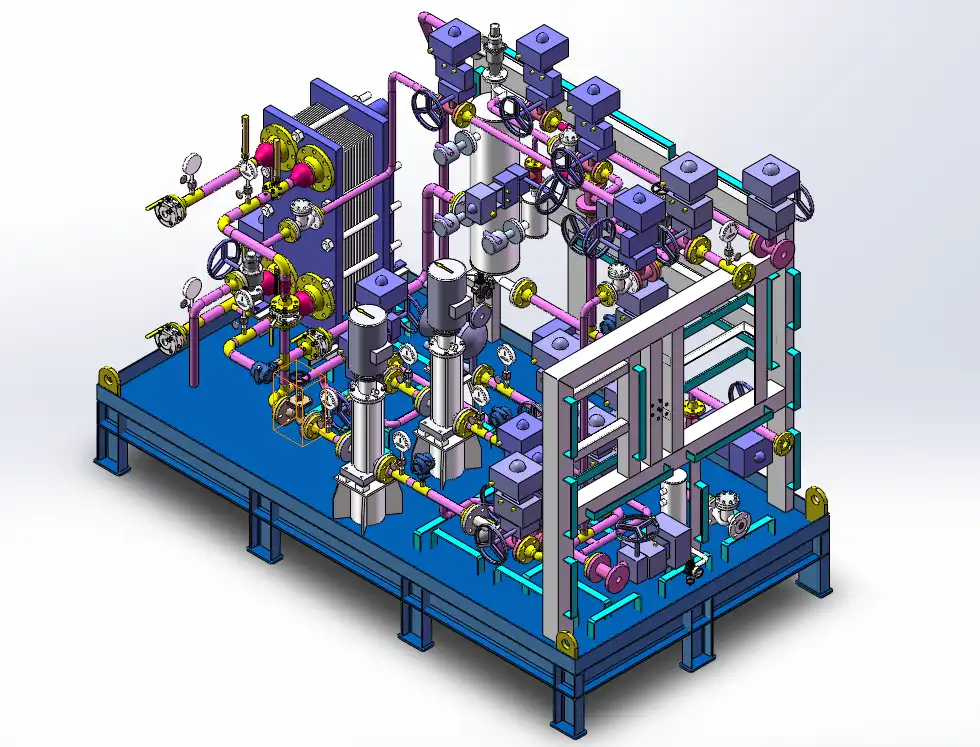
Understanding Methanol Fuel Provisioning Systems
Core System Architecture
The four main parts of a methanol fuel provisioning system are the methanol supply unit, the filling and delivery system, the auxiliary system, and the control and safety system. Each part has a specific job to do to keep the fuel quality and supply conditions that engine makers want. They work together to make a full fuel control chain, from storing fuel to burning it.
The Methanol Supply Unit
The methanol feed unit is what makes the machine work. It makes sure that the engine gets methanol at the right pressure, temperature, flow rate, and level of cleanliness, even if the engine's load changes during the trip. It is very important for the supply unit to work perfectly when the engine is starting up, changing fuel modes, or turning off. Companies that make engines, like MAN and WinGD, have to make sure that the pressure and flow stay stable even when the load changes.
Filling, Delivery, and Safety Controls
The filling and transportation module is in charge of bunkering, storing, and moving methanol around the ship. Because methanol is poisonous and has a low flashpoint of about 11°C, the system has to follow the SOLAS-IBC Code rules for handling chemicals and the IGF Code rules for low-flashpoint fuels. The methanol fuel provisioning system should have double-walled pipes with annular space monitoring, inert gas cleaning routines, and Emergency Shut Down (ESD) logic as normal safety features.
Benefits and Environmental Impact of Methanol Fuel in Shipping
Emission Reduction Performance
Regular marine fuels don't burn as cleanly as methanol does. Heavy fuel oil (HFO) emissions are almost completely eliminated when methanol is burned. Nitrogen oxide (NOx) emissions are cut by up to 80%, and particulate matter emissions are cut by a large amount. The amount of CO₂ that is reduced relies on where the methanol comes from. Green methanol, which is made from renewable energy and captured carbon, has the potential to have almost no lifetime emissions. This means that the methanol fuel provisioning system can help the IMO reach its decarbonization goals by 2050.
Compatibility with Existing Engine Technology
One great thing about methanol is that it can be used with current engines that use both gasoline and diesel. Methanol, unlike LNG, is a liquid at room temperature, so there is no need for infrastructure for storing it in cold places. Shipowners can order a methanol fuel provisioning system along with tried-and-true main engines without having to rethink the whole way the ship moves. This lowers both the engineering risk and the cost of capital for both new construction and renovations.
Safety and Operational Protocols
There are real risks with methanol, but they can be managed with the right equipment. The important thing is to make sure that the provisioning system has built-in redundancy, such as extra pumps, double-block-and-bleed valve trains, automated nitrogen purge cycles, and ATEX-compliant instruments for Zones 1/Zone 2. When the methanol fuel provisioning system is set up correctly, it controls the risks to the crew through closed-loop handling and keeps operations going even when the fuel mode changes.
Comparing Methanol Fuel Provisioning Systems with Other Marine Fuel Systems
Methanol vs. LNG Systems
LNG is still widely used, but the fact that it needs to be stored in a cryogenic environment makes the design of a ship's fuel system much more complicated and expensive. A methanol fuel provisioning system works at room temperature, which makes tank construction easier and lowers the need for protection. LNG has a higher energy yield per kilogram, but methanol is easier to work with in ports that don't have access to cold storage. This is because methanol can be stored as a liquid at room temperature.
Methanol vs. Ammonia Systems
While ammonia is a new zero-carbon fuel, it is much more dangerous than methanol and its engine technology is still developing. MAN ME-LGIM and WinGD methanol engines are already on the market and being used on real ships, which is good for a methanol fuel provisioning system. When shipowners are making decisions about what to buy today, methanol is easier to get in line with regulations than ammonia.
Choosing the Right System for Your Fleet
Your vessel type, trading routes, and access to bunkering infrastructure will all affect which fuel system is best for you. A methanol fuel provisioning system is a practical and short-term way for container ships, tankers, and bulk carriers that can get methanol at major ports to reduce their carbon emissions. Teams in charge of buying things should look at how experienced the supplier is with getting class society approvals, integrating with certain main engines, and being able to provide either stand-alone supply units or full system packages, depending on the needs of the project.
Procurement and Installation of Methanol Fuel Provisioning Systems
Supplier Selection Criteria
The most important things to look for in a methanol fuel provisioning system are real vessel references, class society certifications, and experience integrating the system with the chosen main engine. At the very least, suppliers should have DNV AIP Certificates and DNV Product Certificates. Having worked on dual-fuel ships, chemical tankers, and LPG carriers gives you the engineering knowledge to handle the chemical needs of methanol.
When looking for a methanol fuel provisioning system supplier, here are the main things you should look for:
- Actual vessel delivery records: Ask for documented ship sets delivered, not just design studies. Real delivery history — such as completed methanol supply system skids for RoRo and tanker projects — confirms manufacturing readiness.
- Modular and flexible supply options: A reputable supplier should offer both standalone methanol supply units and complete integrated system packages, allowing shipowners to configure procurement to match their newbuild or retrofit scope.
- Class society approval coordination: The supplier should actively support technical specification review and approval submissions to DNV, ABS, CCS, or other relevant classification societies throughout the project.
- Full lifecycle service commitment: From initial design and FAT (Factory Acceptance Testing) through onboard commissioning and after-sales parts support, the supplier should be engaged across the full project timeline.
These features directly lower the coordination risk that shipowners face when they have to deal with many equipment sources and a complicated newbuild plan.
Installation Process Overview
A skilled installation of a methanol fuel provisioning system follows a set of steps. First, the vessel design plans and system interface standards are checked. Then, the right lifting equipment is used to move prefabricated sections to the installation site. The module is then attached to the ship's structure, and control cables and pipelines are linked. The whole system, which includes bunkering, supply, and safety control functions, goes through separate and combined commissioning before it is put to the test at sea.
Maintenance and Regulatory Compliance
A methanol fuel provisioning system needs to be maintained so that the seals are in good shape, the pumps are in good shape, and the instruments are calibrated. Standard elastomers break down in methanol, so seals and gaskets need to be made of PTFE or EPDM. The nitrogen purge logic of the system needs to be tested often to make sure that the ESD response times match the approved Cause & Effect Matrix. Schedules for class society surveys should match up with planned repair times.
Regulatory Compliance and Future Trends in Methanol Fuel Systems
Current Regulatory Framework
When used on international trips, all methanol fuel provisioning systems must follow the IMO IGF Code (MSC.391(95)) for low-flashpoint fuels. They must also follow the rules in SOLAS Chapter II-2 and the IBC Code for methanol as a chemical cargo. Regional rules in the EU (FuelEU Maritime), the US (EPA Tier 3 and MARPOL enforcement), and Singapore MPA standards add more levels of compliance that system designers need to think about from the beginning of the planning process.
Emerging Trends in Green Methanol
The International Energy Agency (IEA) thinks that electrolysis and carbon capture projects in Europe, the Middle East, and China will help green methanol production grow a lot by 2030. As green methanol supply lines get stronger, ships with a properly designed methanol fuel provisioning system will be able to get the lowest carbon intensity scores under the CII and EU ETS frameworks. This will directly save owners money.
Future-Oriented System Design
Shipowners who are looking to the future are asking for methanol fuel provisioning systems that can work with ammonia or other fuels in the future. If a supplier knows how to work with FGSS (LNG), AFSS (ammonia), and methanol systems, they can offer buying teams a single-source integration option that makes managing technical risk easier across multiple decarbonization steps.
Conclusion
The methanol fuel provisioning system is one of the most useful green fuel options that shipowners can get right now. It meets real legal needs, works with engine models that are available on the market, and can be set up for both new builds and retrofits. The most important thing that determines long-term operational success is picking the right system supplier—one that has a history of on-time deliveries, class society certification, and full lifecycle support. As the supply of green methanol grows around the world, ships with a well-designed methanol fuel provisioning system will be able to meet the future emission standards.
FAQ
1. Is methanol safe to use as a marine fuel?
Yes, when handled through a properly engineered system. A methanol fuel provisioning system uses double-walled piping, automated nitrogen purging, and ESD logic to contain leaks and prevent ignition. These design measures are mandated by the IMO IGF Code and are verified during Factory Acceptance Testing.
2. Can existing vessels be retrofitted with a methanol fuel provisioning system?
Retrofit projects are technically feasible, particularly for vessels already operating chemical or product tanker trades where methanol-compatible piping materials are present. Retrofit timelines typically run six to twelve months, and the scope depends on available engine conversion options and tank reconfiguration requirements.
3. What maintenance does a methanol fuel provisioning system require?
Regular maintenance covers seal and gasket inspection (PTFE/EPDM materials), pump wear checks, nitrogen purge system testing, and instrument calibration. Maintenance intervals should align with class society survey schedules and the approved maintenance plan submitted during vessel approval.
4. Does the system work with both grey and green methanol?
Yes. The chemical composition of methanol (CH₃OH) is identical regardless of production method. A methanol fuel provisioning system is production-source agnostic, provided the fuel meets IMPCA purity standards.
Partner with CM Energy's TSC for Your Methanol Fuel System Needs
CM Energy's TSC brand sells a tried-and-true methanol fuel provisioning system that meets DNV approval standards and the needs of real ships delivering fuel. TSC's team has direct experience with chemical tankers, LPG carriers, and dual-fuel vessels. They have worked on both stand-alone methanol supply units and full integrated system packages. As a reliable maker of methanol fuel provisioning systems, CM Energy gives shipowners a single, responsible partner from the design phase all the way through completion. To get a personalized consultation, email our team at info.cn@cm-energy.com or go to cm-energy.com.
References
1. International Maritime Organization. IGF Code: International Code of Safety for Ships Using Gases or Other Low-Flashpoint Fuels (MSC.391(95)). IMO, 2015.
2. IRENA. Innovation Outlook: Renewable Methanol. International Renewable Energy Agency, 2021.
3. DNV. Alternative Fuels Insight: Methanol as Marine Fuel. DNV GL, 2022.
4. International Energy Agency. Methanol Technology Roadmap. IEA, 2023.
5. IMPCA. Methanol Reference Specifications. International Methanol Producers & Consumers Association, 2021.
6. Lloyd's Register. Guidance Notes for Methanol as a Marine Fuel. LR, 2022.