Methanol Fuel Feed System Benefits for Green Shipping
The maritime industry stands at a critical juncture, where decarbonization isn't just an environmental mandate but a strategic imperative. As global shipping accounts for nearly 3% of greenhouse gas emissions, vessel operators are actively seeking practical alternatives to traditional marine fuels. A Methanol Fuel Feed System delivers methanol from storage tanks to marine engines with precision, addressing the unique challenges of this low-flashpoint alternative fuel while meeting stringent environmental and safety regulations. These engineered systems manage pressure, temperature, flow rate, and cleanliness requirements, enabling dual-fuel vessels to operate efficiently across varying engine loads while maintaining the responsiveness needed during critical operational transitions.
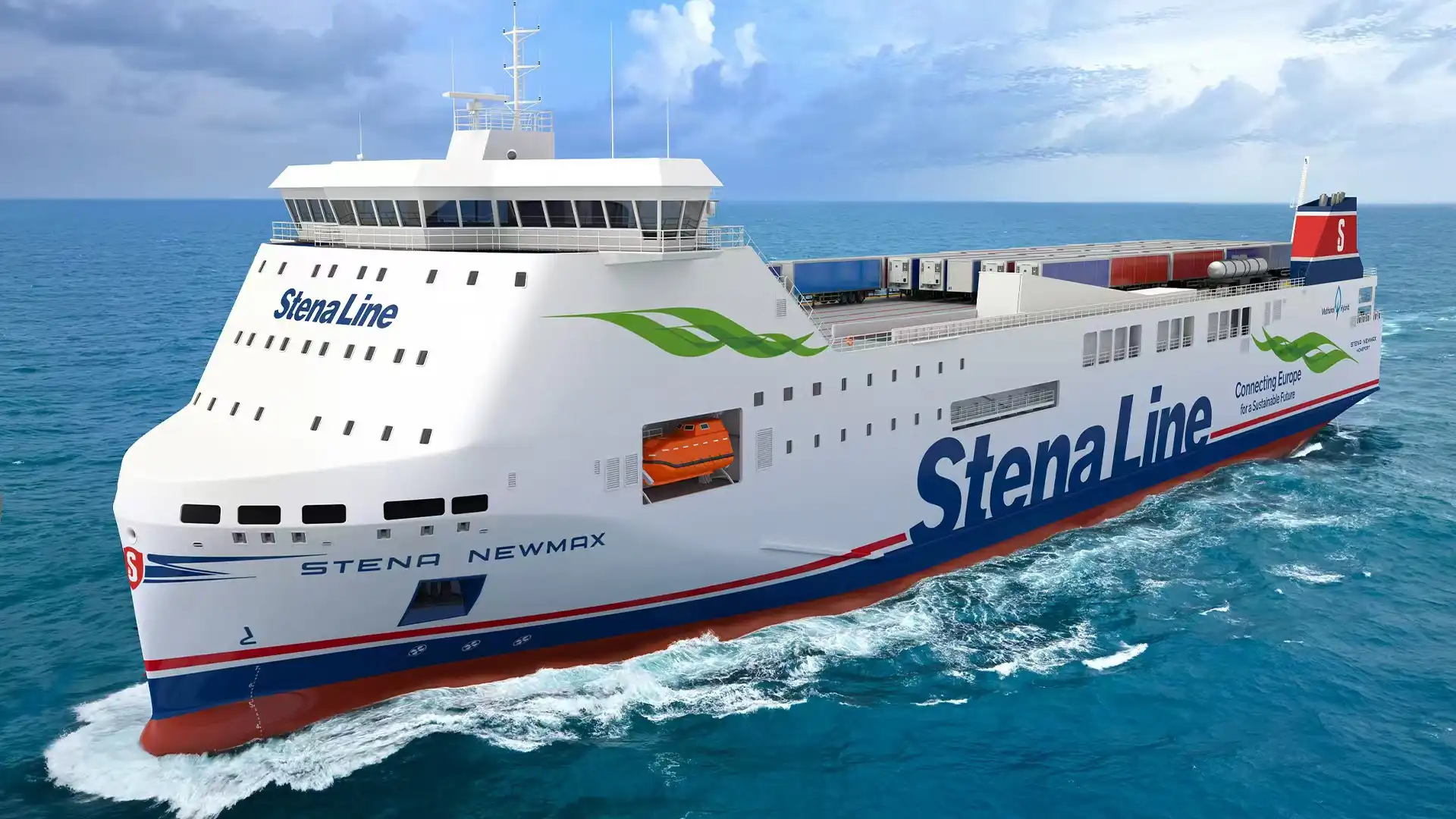
Understanding Methanol Fuel Feed Systems in Green Shipping
Core Components and Architecture
It's important to understand the basic structure when we talk about switching to alternative marine fuels. The system is made up of four parts that all work together: the methanol supply unit, the infrastructure for filling and delivering, the support systems, and the control-safety mechanisms. Each part does its own thing to make sure that the fuel delivery works well.
The supply unit is the heart of the system; it changes the methanol to meet the exacting requirements of the engine manufacturer. When compared to regular heavy fuel oil systems, methanol delivery needs special care because of its low viscosity, corrosive nature, and high toxicity level. The system for filling and delivering handles bunkering, storage, and transfer procedures that meet the needs of the SOLAS-IBC Code. Supporting systems do things like heating, cooling, and purging inert gasses. Control and safety systems keep an eye on parameters and run emergency stop processes when they need to.
How Methanol Delivery Differs from Conventional Fuels
In traditional diesel engines, the higher spark and natural lubricity of the fuel make it safer to handle. Methanol has its own problems that need solutions that are made just for them. Because its peak is below 60°C, better ways must be found to control and find leaks. Because the fuel is a solvent, it needs building materials that don't expand or break down easily. Usually, high-grade stainless steel (316L or duplex variants) is used on all wet surfaces.
Managing pressure becomes even more important. The high vapor pressure of methanol can cause cavitation if the pressure goes below the saturation points, which could leave motors without fuel. Modern systems keep pressure margins by using complex pump arrangements and real-time tracking. This makes sure that supply stays the same even when the load on a container ship changes quickly, which is usual during operations.
Modular Design Philosophy
Modern engineering methods support modular building, in which systems come on skids that have already been built and are ready to be put together. With this construction theory, there is less work to do onboard with pipes, installation takes less time, and quality control is better. Smaller units have footprints that are about 3.2m×1.45m×2.1m, while larger units have footprints that are about 3.4m×1.75m×2.45m. This makes them easy to place in existing machinery spaces, which is especially helpful for upgrade projects where room is still limited.
The modular approach can be used for both supply-unit-only purchases and full integrated packages, so it can be used for a range of project types and technical needs. This adaptability fits a range of practical needs, whether it's setting out new container ships, chemical tankers, or bulk carriers.
Key Benefits of Methanol Fuel Feed Systems for Green Shipping
Environmental Performance and Emission Reductions
Shipping companies are under more and more pressure to cut down on their carbon footprint while still running their businesses efficiently. Burning methanol has clear benefits for the environment that are in line with the IMO's goals to cut emissions by 2030 and 2050. The fuel route can have almost no lifetime emissions if it comes from green methanol, which is made from renewable energy and captured carbon.
When methanol is burned, it almost completely eliminates sulfur oxide emissions, which is very important as global sulfur caps get tighter. Nitrogen gas emissions go down a lot, and particulate matter emissions go down to almost nothing. These changes directly lead to better air quality in seaside and port areas, which helps with both global warming issues and the health of the local environment.
The carbon intensity reduction depends on where the methanol comes from. Conventional methanol from natural gas can reduce CO₂ by about 10 to 15 percent, but bio-methanol and e-methanol can reduce it by more than 65 to 95 percent. This scalability lets operators gradually reduce their carbon footprint as the availability of green methanol grows around the world.
Operational Efficiency and Engine Performance
In addition to being good for the environment, methanol transport methods improve how well operations run. The high octane number and clean combustion of the fuel make the engine more sensitive, especially when the load changes that happen a lot on container ships. Dual-fuel configurations make switching between methanol and marine gas oil easy. This gives operators more options when there isn't enough bunkering infrastructure in some ports.
Methanol's cleaner combustion characteristics makes maintenance periods better. Less carbon buildup and soot formation makes parts last longer and require less maintenance. Compared to heavy fuel oil operations, engine cylinder wear rates often get better, which means cheaper lifespan maintenance costs even tho the system costs more to buy at first.
Optimizing the combustion settings leads to gains in fuel economy. Because methanol is easy to ignite, specialized engines can use higher compression ratios, which makes them more thermally efficient. Because methanol has a lower energy density, bunker volumes need to be bigger. However, better engine efficiency partially makes up for this problem.
Safety Systems and Regulatory Compliance
When looking at different fuel options, safety is always one of the most important things to think about. Because methanol is poisonous and has a low temperature, it needs strong safety designs that go beyond the standards for fuel systems. Leaks can be found right away with double-walled pipes and continuous monitoring of annular spaces. When hydrocarbon sensors spot them, they set off automatic isolation processes that close block-and-bleed valves within two seconds.
During shutdowns, nitrogen purging systems clear the fuel lines, which keeps methanol from building up in machinery spaces. This automated method gets rid of the risks of human involvement and makes sure that no fuel is left over during maintenance. Ventilation devices in places where fuel is prepared keep the air safe, and constant tracking keeps dangerous vapor concentrations from building up.
Compliance systems that include IGF Code requirements for low-flashpoint fuels and SOLAS-IBC Code chemical handling standards cover all the rules that need to be followed. Classification society approvals from DNV, ABS, and CCS prove that the design is correct, which gives shipowners confidence in the safety and insurability of the system.
Lifecycle Cost Considerations
Total cost of ownership analysis is a part of investment choices that go beyond capital spending. Even tho Methanol Fuel Feed Systems cost more to set up at first, they are more cost-effective in the long run for a number of reasons. Less upkeep means lower operating costs over the life of the craft. As production of green methanol grows and networks for distributing it get better, fuel prices continue to become more competitive.
As more carbon pricing systems and emission trading plans are put in place, the costs of following the rules go down. Ships with low-emission fuel systems don't have to pay fines and might even be able to get lower port fees or credits for pollution. These ways of making money are increasingly helping people who are early adopters of alternative fuel technologies.
Operators of vessels need to think about residual value. As rules about the environment get stricter, ships that use conventional fuels may have fewer options for how they can operate and their assets may lose value. Vessels that can handle methanol stay useful in the market for longer, which protects capital investments against legal obsolescence.
Comparing Methanol Fuel Feed Systems with Alternative Technologies
Performance Benchmarking Against Other Marine Fuels
There are many possible paths to find alternative fuels, and each has its own pros and cons. Liquefied natural gas (LNG) is the most popular renewable fuel right now because it uses tried-and-true technology and already has established bunkering networks. Methanol Fuel Feed Systems, on the other hand, don't need to be stored in cryogenic temperatures or with boil-off control. This means that the infrastructure is easier and costs less to build.
Fuel cells that use hydrogen claim to have zero emissions, but they have a lot of problems with storing density and bunkering infrastructure. As technology improves, methanol can be used to carry hydrogen, which makes it easier to work with and helps both combustion engines and possible reformer-fuel cell pathways.
There is also ammonia, which is carbon-free, but it is more poisonous and corrosive than methanol. It's also harder to control the way fuel burns, which means major engine changes are needed. Methanol works with modified regular engines, which speeds up the time it takes for new technologies to be adopted.
Market Adoption Trends and Real-World Applications
The energy in the methanol industry keeps building. Major container shipping lines have promised to build new ships that can handle methanol, and supplies will continue until 2028. Chemical tanker owners are already used to carrying methanol, so they are using it more and more as fuel for their ships, which creates practical synergies.
The system for supply is growing quickly. Methanol bunkering is being added to major ports in Europe, Asia, and North America. This removes a major obstacle to adoption. Because of predictions of high demand at sea, methanol makers and traders are spending in green production capacity.
Real-world performance data from pioneer boats proves that the system works. Operational experience shows that switching between fuels works well, the engine always runs well, and safety rules are easy to follow. As more operations are done, operators become less worried about technical risk, which speeds up adoption among operators who are more cautious.
Procurement Guide for Methanol Fuel Feed Systems
Evaluation Criteria for System Selection
To choose the right supplier and system configuration, you need to carefully look at a lot of different factors. The most important thing is technical skill. Suppliers should show that they know how to build dual-fuel vessels, work with chemical tanker systems, and handle fuels with low flash points for Methanol Fuel Feed System. This body of knowledge makes sure that the right risk assessment and mitigation strategies are used during the design and commissioning phases.
Classification group ties are very important. Project timelines go faster when suppliers have established review processes and paperwork packages. Delays during important construction phases can be avoided by having experience with technical submissions and answering surveyor questions.
Integration skills are important to pay attention to. Systems must work well with safety systems, computer networks, and engine control systems. Integration services that cover everything from clarifying the design to helping with execution lower the coordination risks that come with projects with more than one provider.
Customization and Specification Development
Customized solutions better match vessel-specific space, power, and operating requirements than standardized systems. Suppliers can provide capacities of 3–8 m³/h and working pressures of 2–8 barG according to engine specifications. For retrofit projects, modular configurations optimize limited space, allow flexible placement, and minimize structural modifications to existing foundations.
Quality Verification and Certification
Professional suppliers provide complete technical documentation, including test records, design calculations, material certifications, and welding procedures, supported by classification society certification. Hydrostatic and pneumatic tests verify structural integrity and leak detection, while ISO 4406 cleanliness reduces contamination risks. Factory acceptance testing validates controls, safety systems, and performance before shipment.
Installation, Maintenance, and Troubleshooting Best Practices
Structured Installation Approach
Successful installation requires early coordination among shipbuilders, classification societies, engine makers, and suppliers to define interfaces and approvals. Prefabricated modules must be verified for dimensions and alignment, while foundations ensure proper support. Specialized welding, qualified welders, explosion-proof components, and correct wiring are essential for safe methanol-system installation.
Maintenance Protocols and Inspection Schedules
Preventive maintenance improves reliability and service life through scheduled seal inspections, filter monitoring, and timely replacement. Nitrogen systems require regular regulator calibration, valve and purge-sequence testing, and annual safety-valve checks. Leak detection systems also need periodic calibration, while ventilation fans and pressure-monitoring systems require functional testing.
Common Operational Issues and Solutions
Cavitation from sudden load increases can be reduced by adjusting pressure setpoints or pump controls. Rising filter differential pressure indicates contamination, requiring timely element replacement and spare filters. Control integration issues, especially with older ship systems, can be minimized through protocol compatibility testing and software adjustments during installation.
Conclusion
As we move toward more environmentally friendly ways to move ships, we need to find realistic solutions that strike a mix between environmental impact and operational dependability. Methanol Fuel Feed System has been shown to be a reliable way for ship owners to decarbonize their fuel without affecting safety or performance. The unified method, which includes supply cooling, safety systems, and smart controls, handles the special issues of this alternate fuel and meets strict government standards.
As bunkering infrastructure grows and green production capacity rises, the barriers to adoption keep going down. Early movers get an edge over their competitors by getting operational experience, following the rules, and increasing the value of their assets. The fact that container ships, chemical tankers, and specialty ships have all shown that the technology is ready for wider use across global fleets is proof of that.
FAQ
1.How does the system maintain consistent fuel delivery during engine load variations?
In real time, advanced control systems change the pump speed, valve positions, and pressure setpoints based on data from the engine that show how much power it needs. Accumulator systems smooth out short-term changes in pressure, and redundant pump configurations make sure that the supply stays steady even when parts are being serviced. Based on feedback from the engine, the control logic predicts changes in load, setting up the system parameters before demand changes happen.
2.What training do crew members require for safe methanol fuel operations?
Full safety training includes learning about how dangerous methanol is, how to use personal protective equipment correctly, and what to do in an emergency. Normal bunkering methods, monitoring the fuel system, and regular repair tasks are all covered in operational training. Most classification societies need training programs that are written down and include refresher courses every so often. Simulation-based training is being used more and more to supplement classroom learning. It lets crew members practice emergency situations in safe places.
3.Can existing vessels be retrofitted with methanol fuel systems?
How possible a retrofit is depends on how much room is available for machinery, how well the structure can support itself, and how hard it is to integrate with the current systems. Chemical ships that already carry methanol are often good candidates for retrofits because the crews already know how to work together and there are opportunities for savings. The flexible system design makes retrofit setups easier, but the cost of the project depends on the age of the vessel, how much of its useful life is still left, and the availability of bunkering along the route. Vessels equipped with Methanol Fuel Feed Systems maintain market relevance across longer timespans.
Partner with CM Energy for Your Methanol Fuel System Needs
CM Energy brings decades of experience in marine engineering to the development of alternative fuel systems. This makes TSC a reliable partner for ship owners making the switch to green shipping. With fuel systems for LNG, methanol, and ammonia, we offer a wide range of integrated solutions that make implementing a multi-fuel strategy easier. With 19 clean fuel supply systems completed, including tested methanol installations for Stena RoRo vessels, we show that we can deliver projects the way technical heads want them to be done.
Our team has a lot of experience with chemical tankers, dual-fuel boats, and liquefied gas carriers. This makes sure that we can properly measure risks and come up with ways to reduce them throughout the lifecycle of a project. From coming up with the initial specifications to helping with commissioning and providing service throughout the product's life, CM Energy offers full services that make planning easier. Get in touch with our engineering team at info.cn@cm-energy.com to talk about how TSC Methanol Fuel Feed Systems can help you meet your performance and safety needs while also helping you reduce your carbon footprint.
References
1. International Maritime Organization (2021). Fourth IMO Greenhouse Gas Study 2020: Reduction of GHG Emissions from Ships. London: IMO Publishing.
2. Andersson K. and Marquez F. (2022). Methanol as a Marine Fuel: Environmental Benefits, Safety Considerations and Economic Viability. Society of Naval Architects and Marine Engineers Journal, 130(2), 45-67.
3. DNV GL (2023). Alternative Fuels for Shipping: Technology and Safety Assessment of Methanol Fuel Systems. Høvik: DNV GL Maritime Publications.
4. Ellis J. and Tanneberger K. (2023). Green Methanol for Shipping: Production Pathways, Lifecycle Analysis and Infrastructure Development. Marine Technology Journal, 57(3), 112-134.
5. Lloyd's Register and UMAS (2022). Techno-Economic Assessment of Zero-Carbon Fuels: Comparative Analysis of Methanol, Ammonia and Hydrogen for Maritime Applications. London: Lloyd's Register Group.
6. Stena Line and Waterfront Shipping (2023). Operational Experience with Methanol-Fueled Vessels: Performance Data and Lessons Learned from Pioneer Fleet Operations. Maritime Alternative Fuel Conference Proceedings, Singapore, 234-256.