Methanol Fuel Delivery Mechanism Benefits Explained
As rules around carbon emissions and sustainability in the marine industry around the world get stricter, shipowners and buying managers are under more and more pressure to switch to cleaner fuels. The Methanol Fuel Delivery Mechanism stands out as a game-changing technology that can help with both environmental issues and running the business more efficiently. It's no longer a choice between understanding how these specialized systems work and the real benefits they bring to bulk ships, tankers, offshore vessels, and specialized groups. It's important. This guide breaks down the main benefits of methanol fuel supply systems, giving procurement workers the strategic knowledge they need to feel confident as they make this important change.
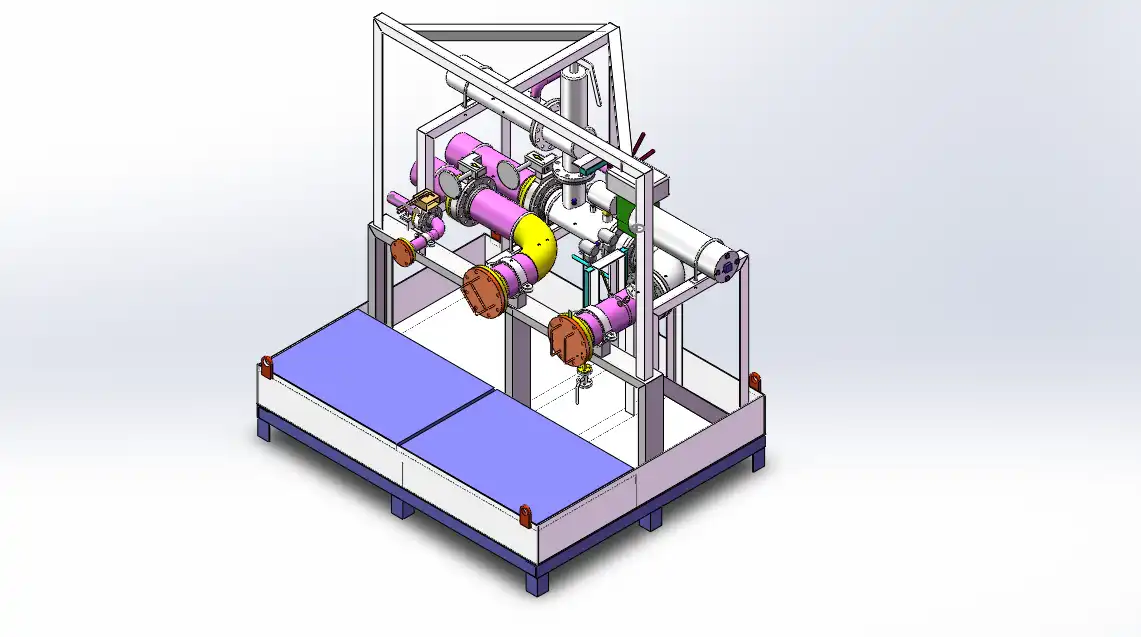
Understanding Methanol Fuel Delivery Mechanisms
What Makes Methanol Fuel Systems Different?
A Methanol Fuel Delivery Mechanism is different from diesel or heavy fuel oil infrastructures because it is based on the unique chemical properties of methanol (CH₃OH). Methanol has low viscosity, a tendency to absorb water, and corrosive qualities that require careful planning and the use of specific materials. Standard fuel system parts, which are made for hydrocarbon fuels, can't handle methanol's liquid action, which breaks down some metal alloys and elastomers over time.
These problems can be solved by a properly designed system that has four interconnected subsystems: the methanol supply unit, the filling and transfer system, extra support components, and full control and safety layers. Each unit does its own thing to keep the fuel clean, make sure that the pressure and flow rates stay the same, and adapt to changing engine loads.
Core Components Driving Reliability
As the working center, the methanol delivery unit ensures fuel reaches the engine at the correct pressure, temperature, flow rate, and cleanliness across all vessel operating conditions. Maintaining steady pressure despite demand changes prevents efficiency loss and cavitation damage. Wetted parts use 316L stainless steel with PTFE or perfluoroelastomer seals. Delivery methods include port injection or direct injection based on vessel type and operational needs.
Key Benefits of Methanol Fuel Delivery Mechanisms
Enhanced Environmental Performance
Methanol combustion produces almost no sulfur oxides or particulate matter, meeting IMO 2020 requirements without exhaust gas cleaning. NOx emissions reduce significantly, easing compliance in Emission Control Areas. Reduced soot buildup extends maintenance intervals and increases uptime for tight schedules. When using bio-methanol or e-methanol from renewable energy and CO₂ capture, the fuel pathway enables carbon-neutral operation, preparing vessels for evolving carbon intensity regulations.
Operational Flexibility and Safety
Even though methanol has a low flashpoint (11°C), a well-designed Methanol Fuel Delivery Mechanism has many safety features that work well to lower the risk. There are multiple safety measures in place, such as explosion-proof pumps, double-walled pipes, harmless gas blanketing, and real-time leak detection systems. Modern control systems constantly check temperature, pressure, and flow parameters and shut down automatically if something goes wrong during startup, moving fuels, or an emergency.
Leading makers use a modular design theory that makes installation possible on a wide range of vessel types. These systems can be added to new buildings or used to fix up old ones without affecting performance. They can work with limited room or structural features. Customization also includes changing the units' capacity; they come in small packages that can handle 3 m³/h or bigger ones that can handle 8 m³/h or more. This makes sure that they work with the engine's specs and working profiles.
Cost-Effectiveness Over the Vessel Lifecycle
A methanol fuel supply device may cost more up front than other fuel systems, but a study of its total cost of ownership shows that it is well worth the extra money. Compared to LNG or hydrogen alternatives, methanol is cheaper to convert because it can be used in current engine systems with only minor changes needed. Methanol is a liquid at room temperature, which makes it easier to buy fuel because it doesn't need to be handled in a cold environment or lose value when it boils off.
Due to its clean burning properties, methanol tends to require less maintenance. Injectors, pistons, and cylinder walls wear less because carbon crystals and sulfuric acid don't form. After the initial cleaning phase, when methanol's solvent qualities get rid of old deposits in storage tanks and pipes, the time between filter changes gets longer. Simplified bunkering procedures—methanol can use modified standard filling infrastructure—make operations even more efficient and cut down on the time it takes to turn around at ports.
Scalability Across Marine Applications
Methanol fuel supply systems can be used in a variety of vessel parts because they are flexible. Methanol's high energy density and easy storing needs make it useful for bulk ships and crude oil tankers that travel across continental oceans. Chemical tankers and LPG carriers that are already skilled at handling specialized goods find the operating logic easy to understand. Pure car and truck carriers (PCTCs) use methanol because it is lighter than battery-electric options for power.
Inland river boats that use the Yangtze and Pearl River networks can cut down on pollution without having to make a lot of changes to the facilities on land. Offshore support vessels, tugboats, and port service craft like how quickly they can refuel and how easy it is to use. New uses, like green hydrogen production ships and FPSOs that run on methanol, show that the technology can be used in specific industry settings where traditional fuels are getting more attention.
Comparison: Methanol Fuel Delivery vs Gasoline and Other Fuels
Performance Characteristics
Because methanol has a higher octane number than gasoline, it can be compressed more tightly and use heat more efficiently. The Methanol Fuel Delivery Mechanism manages fuel with a higher latent heat of vaporization (1100 kJ/kg vs. 350 kJ/kg for diesel), which significantly lowers the charge temperature. This improves volumetric efficiency and lowers the tendency for knock. These qualities lead to higher power densities, which are especially useful in situations where speed is important.
Compared to ethanol, making methanol is easier and the material is less likely to change. Both alcohols burn cleanly, but methanol is easier to get because its supply chain is more developed and it can be made all over the world. Compared to LNG options, methanol doesn't require complicated cryogenic storage and makes it easier to make changes to current ships. Hydrogen fuel cells say they will produce no pollution, but they have problems with infrastructure and energy density that methanol doesn't have because it is liquid.
Maintenance and Operational Considerations
Because methanol is hygroscopic, it is important to keep water out of devices used for storage and transport. To keep the fuel's integrity and stop phase separation, procurement requirements should require a water level below 1000 ppm. Regular testing methods and quality assurance steps are necessary for operations to be effective.
Material compatibility isn't just for parts of the power system. Tank coatings, seals, and other equipment around the tank need to be tested for resistance to methanol contact. To make sure that all wet surfaces are fully compatible, procurement teams must work closely with classification groups and equipment sellers. This careful work stops early breakdowns and unexpected maintenance events that make the vessel unavailable.
Total Cost of Ownership Analysis
When procurement managers compare methanol to other marine fuels, they should make plans that include changing fuel prices, carbon pricing methods, and the costs of following the rules. The price difference between methanol and VLSFO (Very Low Sulfur Fuel Oil) depends on where you live and how easy it is to get fuel. Bio-methanol and e-methanol are more expensive, but they give you access to carbon-neutral fuel types that ship owners and charterers are growing interested in.
Because of the need to spend in infrastructure, methanol is better than more unusual options. Methanol bunkering is easier for existing port facilities to handle than LNG or hydrogen bunkering. This useful thought speeds up adoption across the whole fleet and lowers the risks of lost assets that come with being stuck with old technology.
How to Optimize Methanol Fuel Delivery for Your Operation?
Addressing Common Technical Problems
Because methanol has a lower energy density than diesel, careful calibration is needed to get reliable fuel injection performance. In order to make up for it, engine control systems have to either extend the time between injections or change the pressure. Specifications for buying a Methanol Fuel Delivery Mechanism should include tests to make sure they work with each other and steps for confirming that the system works well across a wide range of conditions.
Maintenance Best Practices and Safety Protocols
Setting up regular review times helps keep the system's purity. During initial operation, filter elements should be checked often because methanol's cleaning action frees up contaminants that have built up. In normal nautical settings, pump seals made of FFKM (perfluoroelastomer) materials last between 4,000 and 8,000 hours before they need to be serviced again. However, the length of time they last depends on how they are used and the quality of the fuel.
Employee training programs need to cover the unique dangers of methanol, such as how to handle it properly, what to do in an emergency, and how to reduce exposure. In contrast to hydrocarbon fuels, methanol burns with an unnoticeable flame during the day, which means that special extinguishing methods are needed. Making sure crews are competent by giving them approved training classes lowers the risk of accidents and raises operational safety margins.
Leveraging Advanced Technologies
Modern methanol fuel delivery units have complex control software that lets them work with both gasoline and ethanol without any problems. Without any help from a person, ships can switch between methanol and other fuels based on supply, price, or regulatory zones. Programmable processors handle changeover sequences and keep the engine stable while modes are changed.
Predictive maintenance uses streams of sensor data to find patterns of wear and tear on parts before they break. Condition-based maintenance plans that make the best use of parts inventory and cut down on unplanned downtime can be made possible by vibration analysis on pumps, differential pressure tracking across filters, and thermal imaging of electrical connections. With these technological improvements, the system goes from being a passive piece of equipment to an intelligent asset that helps the whole vessel run more efficiently.
Procuring Methanol Fuel Delivery Systems: What B2B Buyers Need to Know?
Evaluating Supplier Capabilities
When choosing a Methanol Fuel Delivery Mechanism provider, you need to look at more than just price quotes. Track record is important. Manufacturers who can show that they've delivered successfully to established fleet owners give customers faith in the maturity and dependability of their products. CM Energy, which works under the TSC name, has proven its credibility by safely delivering 19 ship sets of clean fuel supply systems. This includes two Stena RoRo methanol fuel supply system skids.
Certification and Quality Assurance
Third-party approval is the first step in making sure that regulations are being followed. DNV AIP (Approval in Principle) certificates make sure that design ideas follow the rules, and DNV Product Certificates make sure that made equipment meets the standards. With these qualifications, you can be sure that the way the methanol fuel is delivered meets the requirements of the classification society and the rules that guide marine installations.
Quality checking is done at every step of the producing process. Procurement managers should ask for proof of the ability to track materials, the standards of the welding process, and the plant acceptance test methods. Seeing important parts of the manufacturing process and final testing in action gives you trust in the quality of the product before it ships.
Customization and After-Sales Support
Customized methods are often needed because of the needs of each vessel. Modular designs let you make changes while keeping the core parts that work well. When suppliers let engineers work together early in the design process, it makes it easier to find the best solution for room limitations, weight distribution needs, and interface requirements. This partnership-based method cuts down on expensive changes made during construction and speeds up the time it takes to start using the building.
Premium providers are different from basic vendors because they offer lifecycle support capabilities. Access to professional support during installation, complete spare parts programs, and quick field service networks all help to make sure that operations are always available. As fleets add more tons that can carry methanol, their ties with suppliers turn into strategic agreements that help them reach their long-term decarbonization goals.
Conclusion
The switch to methanol as a naval fuel is a practical reaction to stricter environmental rules and promises made by businesses to be more environmentally friendly. This change is possible because the Methanol Fuel Delivery Mechanism solves the technical problems that come with using alternative fuels and provides clear operating benefits. These systems are key technologies in the marine energy shift because they are better for the environment, more flexible, have lower lifecycle costs, and can be used on a wide range of vessel types. Professionals in procurement who have a thorough understanding of system architectures, supplier capabilities, and optimization strategies can confidently navigate this change, giving their companies a competitive edge while also making a meaningful contribution to the global goal of reducing carbon emissions.
FAQ
1. What distinguishes a methanol fuel delivery mechanism from traditional diesel systems?
Diesel systems depend on fuel lubricity and can handle heavy hydrocarbons. But the Methanol Fuel Delivery Mechanism uses special materials that can handle methanol's solvent qualities and corrosive tendencies. Instead of normal nitrile rubber, the parts are made of stainless steel and have perfluoroelastomer covers. Control systems are able to handle the different time and energy density needs of methanol injection, ensuring ideal combustion under a range of load situations.
2. How frequently do methanol supply units require maintenance?
Under normal conditions and with quality-assured fuel that meets industry standards, major repair times are about the same as they are in boats: between 4,000 and 8,000 hours for pump seal replacements. During the first few hours of operation, filter change rates go up as methanol gets rid of old layers, but they level off after that. During routine checks, the focus is on making sure the leak detection system works, diagnosing the control system, and making sure the sensor reading is correct.
3. Can existing vessels retrofit methanol fuel capabilities economically?
Retrofitting is possible if the ship is old enough, the engine is the right type, and there is room for the system to be installed. Modern medium-speed engines can often convert to methanol by making changes to the fuel system and the way the engine is managed. This means that the power unit doesn't have to be replaced completely. Modern units are easier to install in existing buildings because they are made up of separate modules. However, each project needs a thorough engineering review to make sure it is technically and commercially viable.
Partner with CM Energy for Proven Methanol Fuel Supply Solutions
As a leader in the industry, CM Energy's TSC brand offers vessel owners the best Methanol Fuel Delivery Mechanism as they make the switch to alternative fuels. Our complete methanol fuel supply systems include supply units, infrastructure for filling and transferring fuel, auxiliary parts, and combined control frameworks. These systems provide turnkey solutions that are tailored to the needs of your fleet. With 19 successful clean fuel system deliveries, including the first installs of the Stena RoRo, we blend dependability with constant innovation.
Our engineering teams offer full lifecycle support, from the initial design consultation to overseeing the installation and providing ongoing technology help. Products and systems that are DNV-certified make sure that there is compliance, freedom, and long-term value. Get in touch with us at info.cn@cm-energy.com to talk about how our methanol fuel supply systems can help you reach your decarbonization goals and keep your operations running smoothly.
References
1. International Maritime Organization. "IGF Code: International Code of Safety for Ships Using Gases or Other Low-flashpoint Fuels." 2015 Edition with 2021 Amendments.
2. Methanol Institute. "Marine Methanol Fuel Bunkering Guidelines and Procedures." Technical Report Series, 2023.
3. Classification Society Technical Committee. "Material Compatibility Standards for Alternative Marine Fuels." Joint Industry Project Final Report, 2022.
4. Maritime Research Institute. "Lifecycle Cost Analysis of Alternative Fuel Systems in Commercial Shipping." Journal of Marine Engineering and Technology, Volume 45, 2023.
5. Society of Naval Architects and Marine Engineers. "Design Considerations for Methanol-Fueled Vessel Propulsion Systems." Technical Publication M-78, 2024.
6. European Maritime Safety Agency. "Guidance on Low-Flashpoint Fuel System Installation and Operation." Safety Advisory Notice, 2023.