Methanol Fuel Conveyance System vs Conventional Pipes
If you are looking at fuel transport infrastructure for modern ships, choosing between a Methanol Fuel Conveyance System and regular pipes will affect operating safety, compliance with regulations, and long-term cost savings. A Methanol Fuel Conveyance System is a custom-made system designed to deal with the special chemical qualities of methanol, such as its ability to corrode, absorb water, and have a low temperature. Standard lines made for diesel or heavy fuel oil don't have the special materials or safety features needed to handle methanol. This means that they often break down faster, seals fail, and leaks are more likely to happen. Knowing these basic differences helps maritime owners and procurement workers spend on infrastructure in a smart way.
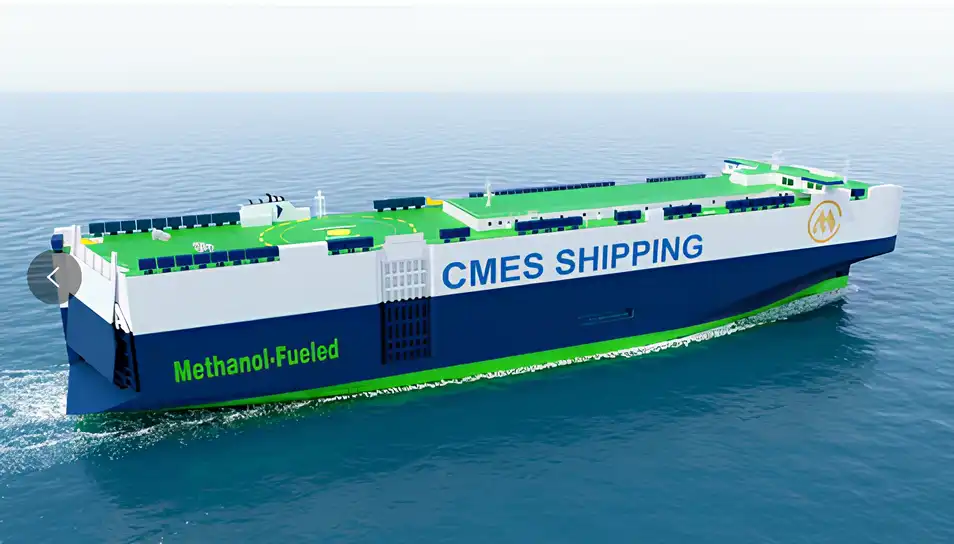
Understanding Methanol Fuel Conveyance Systems vs Conventional Pipes
Specialized Engineering for Methanol Handling
A Methanol Fuel Conveyance System is different from regular pipes because of how the materials are made and how the systems are designed. Methanol (CH3OH) is a polar solvent that has strong chemical qualities that make it break down common metals like aluminum and zinc-plated parts and attack common elastomers. In contrast to diesel or bunker fuel, methanol draws water from the air, which could lead to phase separation problems that hurt engine performance.
A well-designed Methanol Fuel Conveyance System has multiple layers and fluoropolymer plates or special fluorocarbon elastomers (FKM) that don't break down chemically. Because of how methanol burns, these systems have conductive inner layers that get rid of static electricity. This is an important safety feature. Normal lines, on the other hand, usually have standard nitrile rubber (NBR) plugs and are made of carbon steel, which works fine for hydrocarbon fuels but not for methanol's chemistry.
Material Selection and Chemical Compatibility
The choice of materials affects how long a system lasts and how well it works for safety. For methanol fuel systems, the pipes need to be made of stainless steel (usually 316L grade), and the covers and seals need to be made of materials that don't grow or leak when exposed to methanol. Standard pipe systems are made of materials that work best with petroleum-based fuels, but they break down quickly when used with methanol.
Because methanol molecules are polar, they pose special problems for passage. Standard rubber tubes let methanol vapour pass through the material matrix, which can cause problems with pollution rules and pose safety risks. This is taken care of by a special Methanol Fuel Conveyance System with ultra-low leakage barrier layers that hold volatile organic chemicals and stay flexible at very high and very low temperatures.
Integrated Safety Architecture
Purpose-built methanol systems are different from adapted standard infrastructure because they have built-in safety features. Because methanol has a low temperature (11°C) and an unseen flame, it needs better ways to find and put out fires. Modern methods for moving methanol use double-walled pipes with interstitial space tracking, automatic shut-off valves, and flame sensing that works best with alcohol-based fuels.
These special safety features are not found in regular pipe systems. They work fine for standard marine fuels with higher flashpoints and clear burning, but they pose a big risk when used for methanol without being completely redesigned. The International Code of Safety for Ships using Gases or other Low-flashpoint Fuels (IGF Code) sets very strict standards that methanol systems must meet. Regular pipes can't meet these standards without major changes.
Performance and Safety Comparison
Operational Reliability Under Chemical Stress
To figure out how well a system works, you have to look at how each type of infrastructure reacts to methanol's chemical traits over long periods of time. The parts of a Methanol Fuel Conveyance System are made from materials that are especially chosen to work with methanol, so the seals stay intact and the structure stays stable. These systems keep the quality of the fuel from storage to burning by keeping stable flow rates and pressures even when the engine load changes.
When conventional lines are exposed to methanol, they break down over time. Standard rubber seals get soft and swell, which can cause connections to break and fuel to leak. Methanol attacks the top passivation layers of metal parts, which leads to pitting erosion. These types of failure make the system less reliable and require more upkeep, which raises the cost of doing business.
Maintenance Requirements and System Longevity
Total cost of ownership is affected by maintenance costs in a big way. Methanol systems that were built for a specific purpose need to be inspected regularly, but their wear patterns can be predicted, which lets parts be replaced before they break. The special materials can stand up to the chemical attack that makes regular systems break down faster.
When operators use regular lines for methanol service, they have to deal with unpredictable repair needs. It becomes necessary to change seals more often, finding leaks takes more time and money, and early component failures stop operations. When higher maintenance costs and downtime are taken into account, the cheaper original investment in conventional systems that have been changed often turns out to be a waste of money.
Regulatory Compliance and Certification
Maritime rules are putting more and more strict performance standards on renewable fuel sources. The IMO's IGF Code and the SOLAS IBC Code set rules for how methanol must be handled on ships. A legal Methanol Fuel Conveyance System has features in its design that meet these rules. This is usually checked through product certificates and certifications from classification societies like DNV's Approval in Principle (AIP).
Under present marine rules, conventional pipes don't have the paperwork and design checks needed for methanol fuel service. To be compliant, engineering changes, testing, and licensing procedures are needed, which are often more expensive than buying systems that are made just for that reason. Regulatory organisations check things like how well materials work together, safety systems, and how things are run. This is where regular infrastructure falls short without a lot of investment.
Cost Analysis and Procurement Considerations
Initial Investment and Installation Complexity
People who are careful with their money naturally compare the starting costs of different system options. Because of the special materials, built-in safety features, and licensing needs, a Methanol Fuel Conveyance System has a higher starting capital cost. The installation process gets more difficult because workers need special training to set up and test methanol systems.
At first glance, conventional pipe systems seem like a good value, especially when they are used to adapt existing infrastructure. Installation uses common methods and products that are easy to find. However, this benefit seems to be lessened when you consider the changes that need to be made to make even basic compatibility with methanol—specific gaskets, improved valves, corrosion-resistant coatings, and better tracking systems.
Advanced providers use a modular design theory that lets them use different installation methods. The methanol fuel supply units from CM Energy come in a range of sizes, from small 4 m³/h proto units to bigger 8 m³/h systems. These units show how the current Methanol Fuel Conveyance System design can be adjusted to meet the needs of different vessels. This flexibility cuts down on installation time and lets the project be carried out in stages, which spreads out the cost of capital.
Total Cost of Ownership Perspective
A full financial study looks at more than just the buying price; it also looks at the ongoing costs of running the system over its lifetime. If you properly specify your Methanol Fuel Conveyance System, you can expect reasonable upkeep costs, longer component life, and regulatory compliance that keeps you from having to make expensive changes or operate within limits. Engineered flow features keep fuel delivery at its best across the operating envelope, so energy economy stays the same.
When standard systems are modified to work with methanol, secret costs add up. Operating budgets get bigger because of unplanned repairs, replacing seals too often, and parts breaking down because of rust. Degradation of fuel quality due to material or moisture pollution makes engines less efficient and use more fuel. When systems that aren't up to code handle methanol, insurance companies may raise premiums or limit coverage.
Professionals in procurement should look at what a seller can do beyond just providing products. Established companies offer full lifecycle support, which includes help with setup, training for operators, access to spare parts, and expert advice. CM Energy's all-around approach—from design to manufacturing to installation and service after the sale—is an example of the full lifecycle support model that protects system investments and keeps operations running.
Supplier Selection and Certification Verification
To find suitable providers, you have to look at their technical knowledge, manufacturing skills, and proof that they follow the rules. Reliable methanol system companies keep their classification society approvals up to date and can show that their setups have worked well on a variety of vessel types. With 19 ship sets of clean fuel supply systems and specialised experience installing methanol for Stena RoRo boats and asphalt trucks, CM Energy has a track record that speaks for itself.
By making sure systems meet foreign standards, certification verification saves procurement investments. DNV product certificates and AIP documents show that the design, materials, and production methods meet the standards set by marine authorities. Suppliers who don't have established certifications pose a higher risk, and systems that fail classification reviews could need to be redesigned or replaced, which could be expensive.
Application Suitability and Decision-Making Guide
Maritime Sector Applications
Mandates to reduce carbon emissions and goals to lower emissions are driving the marine industry to become the biggest user of methanol fuel. To meet the IMO's 2030 and 2050 goals, bulk ships with 40,000 to 400,000 DWT are looking more closely at methanol power. For these uses, a Methanol Fuel Conveyance System needs to be able to handle large amounts of fuel while still keeping sites next to goods safe.
Tanker workers who work on chemical tankers, LPG carriers, crude oil carriers (LR1, LR2, VLCC, and ULCC classes), and chemical tankers already know how to handle specialised fuels well, which makes them good at working with methanol systems. These ship owners know how important it is for materials to work together and for safety rules to be followed, so they are natural early adopters. Very Large Ethane Carriers (VLECs) and Very Large Ammonia Carriers (VLACs) can also use methanol because it doesn't react with the way they normally handle liquid goods.
Specialised vessel classes present unique application opportunities. Pure Car/Truck Carriers (PCTCs) need fuel systems that take up little room and don't reduce the amount of goods they can carry. Modular methanol supply units meet this need well. Methanol has cleaner emissions that are better for environmentally friendly waters like the Yangtze and Pearl River systems, which are used by inland river boats. Offshore support vessels, port service craft (like tugs and supply boats), and methanol-fueled FPSOs all have different needs that can be met by systems that were specifically made for those uses.
Decision Framework for Infrastructure Selection
Structured decision-making strikes a balance between different needs, such as safety, following the rules, running the business efficiently, and staying within budget. Teams in charge of buying things should come up with weighted criteria that take into account both the organization's goals and the needs of the individual vessel. Due to methanol's classification as a dangerous material and the close attention of regulators, safety concerns usually come first.
The compatibility review checks how well the proposed systems work with the ship's current systems. When you build something new, you have more freedom with the design, but when you adapt something, you have to deal with limited space and problems connecting old systems. The Methanol Fuel Conveyance System's flexible design lets it be tailored to both situations, allowing shipowners to get just the parts they need or full turnkey setups.
Scalability planning anticipates future operational changes and fleet expansion.
Scalability planning looks ahead to how operations will change, and the fleet will grow in the future. As the use of methanol grows in all marine sectors, systems with standard interfaces and expandable capacity will protect assets. CM Energy's method, which includes solutions that can be scaled up or down from single supply units to fully integrated systems, shows how skilled operators need to be able to be flexible.
Maintenance, Troubleshooting, and Long-Term Support
Preventive Maintenance Protocols
For the methanol fuel system to work reliably, it needs to be properly maintained so that wear mechanisms are dealt with before they break. On a regular basis, inspections should check the integrity of the seals, look for signs of surface rust, make sure the valves work, and make sure the safety system works. A well-thought-out Methanol Fuel Conveyance System makes it easier for repair workers to get to parts by placing them in the right places and using standard service connections.
Component replacement plans make systems last longer by getting rid of parts that wear out quickly before they stop working properly. Seals and gaskets need to be replaced every so often, depending on how long they are used and how they are exposed. Filter elements keep the fuel clean, stopping particles from getting into it and damaging the pumps and injectors. Sensor calibration makes sure that tracking systems give you correct working data so you can make smart decisions ahead of time.
Troubleshooting Common Issues
When practical problems happen, systematic fixing methods cut down on downtime as much as possible. Most of the time, problems with fuel supply are caused by a clogged filter, worn pumps, or broken valves, all of which can be quickly found through a methodical analysis. Modern methanol supply units have built-in control systems that give diagnostic data that speeds up the process of finding and fixing faults.
Because methanol is hygroscopic, contamination problems need extra attention. When water builds up in fuel systems, it separates the phases and helps microbes grow, which breaks down system parts. Testing the quality of the fuel and getting rid of water on a regular basis keeps the system's integrity. The right design of a Methanol Fuel Conveyance System includes features that separate water that regular systems don't.
Lifecycle Support and Technology Evolution
By keeping track of service records, component changes, and operational oddities, documentation practices help repair work well. Full records allow for trend research that finds new problems before they become major ones. Digital maintenance management systems are becoming more and more integrated with onboard automation. This lets you check on conditions in real time and plan repair ahead of time.
Using technical help from a source speeds up problem-solving when problems are bigger than what the ship's experts can handle. Companies that have been around for a while, like TSC, keep technical hotlines and field service skills that can help with complicated problems remotely or on-site. This support system is worth a lot more than just the original equipment supply.
For a system to work in the long run, the seller must be committed for years after installation. Software changes, better designs, and handling of obsolete parts make sure that systems can be used for as long as the vessel is in service. Suppliers with long-standing lines of marine tools show that they can last and will continue to support current setups.
As the marine sector gains more practical knowledge, methanol systems continue to improve in terms of technology. Early adopters benefit from relationships with suppliers that offer update paths that take into account what has been learned from installing more systems. As an early creator of a domestic methanol fuel delivery unit (starting research and development in late 2022 and sales in early 2023), CM Energy gives users access to technical knowledge that is changing quickly and efforts to make things better all the time.
Conclusion
Choosing between a Methanol Fuel Conveyance System and regular lines has a big effect on the safety, dependability, and compliance of the vessel. Purpose-engineered methanol systems offer regulatory approval, compatibility with materials, and safety features that standard infrastructure can't match without major changes. The initial investment is higher than that of conventional systems that have been modified, but the total cost of ownership is lower for specialised methanol infrastructure because it requires less upkeep, performs more reliably, and meets all regulations. Maritime companies that want to use methanol fuel should work with experienced providers that offer tried-and-true methods, full support, and a commitment to the fuel's use for its entire life. Because dealing with methanol is so dangerous and complicated technically, it's better to spend money on solutions that are made just for that purpose than to settle for less-than-ideal ones.
FAQ
1. What materials provide optimal compatibility for methanol fuel systems?
Pipes and building parts made of stainless steel (grade 316L) don't rust or corrode easily. Fluorocarbon elastomers (FKM/Viton) and fluoropolymer liners (PTFE, ETFE) make seals and hoses that don't break down easily when exposed to chemicals. These special materials keep normal NBR rubber and carbon steel from growing, softening, and pulling apart when they are exposed to methanol.
2. Can conventional piping be retrofitted for safe methanol fuel use?
Retrofitting old systems means replacing a lot of parts, adding safety systems, and getting governmental approval, which can cost more than buying a system that was made just for that reason. Standard gaskets, seals, and metal parts need to be changed out for ones that can handle methanol. A lot of changes need to be made because of double-wall piping, better tracking, and safety measures that meet the IGF Code. Most of the time, purpose-designed systems are less expensive than making a lot of changes to a standard system.
3. How does the Methanol Fuel Conveyance System address water contamination risks?
Because methanol absorbs water, it needs to be handled in a certain way. Modern systems have equipment that separates water from fuel, monitors the quality of the fuel, and stores it in a way that keeps wetness from entering from the air. Regular checking of fuel processes finds pollution before it affects operations. These built-in features stop phase separation and system breakdown that happen when water gets into the system.
Partner with CM Energy for Proven Methanol Fuel Supply Solutions
Maritime operators who want to use methanol fuel need providers with technical know-how, excellent production skills, and full lifecycle support. Through the TSC name, CM Energy offers the best Methanol Fuel Conveyance System options in the business, backed by a lot of experience with dual-fuel vessels and quality assurance. Our adaptable methanol fuel supply units can be set up in a variety of ways to meet the needs of different types of vessels. They have been used successfully on the Stena RoRo and asphalt tankers. TSC is the methanol fuel system supplier that marine workers trust. They have 19 successful ship set deliveries, DNV AIP and product certifications, and full lifecycle support from design to after-sales service. Get in touch with our expert team at info.cn@cm-energy.com to talk about your vessel's particular needs and find out how our tried-and-true systems provide safety, compliance, and performance.
References
1. International Maritime Organization. (2023). "International Code of Safety for Ships Using Gases or Other Low-Flashpoint Fuels (IGF Code)." IMO Publishing, London.
2. Society of Naval Architects and Marine Engineers. (2024). "Alternative Marine Fuels: Technical and Safety Considerations for Methanol Propulsion Systems." SNAME Technical Report Series.
3. Det Norske Veritas. (2023). "Rules for Classification of Ships—Part 6 Chapter 2: Machinery Systems Using Low-Flashpoint Liquid Fuels." DNV GL AS, Høvik, Norway.
4. American Bureau of Shipping. (2024). "Guide for Methanol and Ethanol Fueled Vessels." ABS Technical Publications, Houston.
5. European Maritime Safety Agency. (2023). "Guidance on Alternative Fuels Infrastructure and Safety Standards for EU Ports." EMSA Technical Documentation, Lisbon.
6. International Association of Classification Societies. (2024). "Unified Requirements Concerning Alternative Fuels and Low-Flashpoint Fuel Systems." IACS Technical Standards Compendium, London.