LFSS Trends 2026: LNG Fuel System Market Insights
As the marine sector speeds up its efforts to reduce carbon emissions, the LFSS (LNG Fuel Supply System) market is at a turning point. Better compliance with regulations, big steps forward in technology for managing cold fuel, and wider use across a wide range of vessel types will shape the global LFSS environment by 2026. Moving toward cleaner marine propulsion driven by liquefied natural gas is still picking up speed. This means that forward-thinking shipowners and workers who care about the environment and doing a great job at their job need LFSS options.
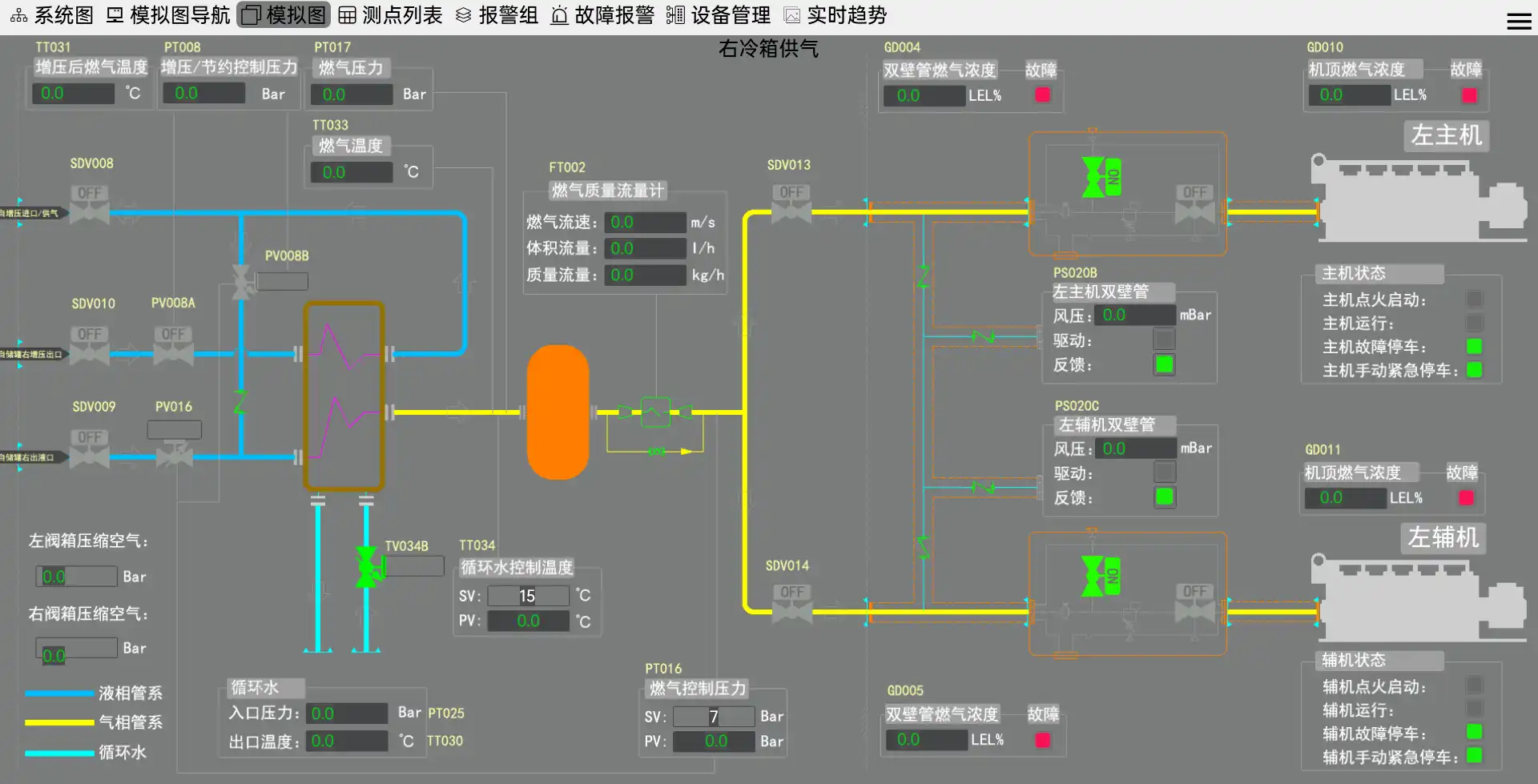
Current Landscape of the LNG Fuel System Market
As the marine industry moves toward using renewable energy sources, LFSS technologies are at the center of new ideas in the field. There is no doubt that adoption rates have sped up in recent years. This is mostly due to stricter environmental laws and the pressing need to lower marine carbon footprints. The International Maritime Organization's rules on reducing emissions have put a lot of pressure on ship owners to switch from using traditional fuels to cleaner ones. LNG has become the most practical option from a business point of view.
Market Growth Drivers and Regional Dynamics
A lot of money is being spent on facilities at North American ports to help with the introduction of LFSS. LNG bunkering has become popular in the US marine market, especially along the Gulf Coast and West Coast shipping routes. Europe is still the leader in creating regulations that make it easier for LFSS to be used, while Asia-Pacific areas, especially China's inland waters and major trade hubs, are growing at amazing rates. Analysts of the market think that the industry will continue to grow until 2026, with rates of growth that show how confident the industry is in LFSS's ability to succeed.
Regulatory Pressures Shaping Adoption
Environmental compliance is still the main thing that drives market growth for LFSS. Sulfur pollution limits, greenhouse gas reduction goals, and air quality rules in emission control areas force ship owners to look for heavy fuel oil options. Using the LFSS pathway cuts down on emissions right away while still allowing for operating freedom. Shipowners who run bulk carriers, crude oil ships, and chemical carriers know that regulations will only get stricter, which makes early adoption of LFSS a strategic must rather than an extra bonus.
Infrastructure and Integration Challenges
Even though the market is moving quickly, the LFSS environment is facing real problems. In some areas, the growth of bunkering facilities is behind the rate of vessel conversion, which creates uncertainty in the supply chain. Adding LFSS parts to old ships requires careful engineering planning, especially for ships that don't have a lot of room, like ocean support vessels and inland river vessels. Different types of ships have very different levels of integration complexity. For example, VLECs and VLACs need special handling for cryogenics, while Pure Car/Truck Carriers need small fuel system setups that keep storage space.
Emerging LFSS Technologies and Innovations by 2026
What's possible with LFSS systems keeps changing as technology improves. Recent improvements have fixed problems in safety, efficiency, and operating intelligence that have been around for a long time. These improvements have turned fuel supply systems from simple storage and delivery systems into complex integrated platforms.
Advanced Cryogenic Storage Solutions
Modern LFSS designs use creative tank layouts that increase storage capacity while reducing the size of the system's area. Better shielding in C-type tank technologies now lowers the production of boil-off gas, which is an important factor for long-distance uses like VLCC and ULCC operations. When you integrate a tank cooling system, your equipment and pipes can stay in controlled settings. This saves room and makes things safer. These new improvements are especially helpful for FPSO units and offshore support vessels that need a lot of deck room.
High-Pressure and Low-Pressure System Differentiation
The LFSS market now clearly differentiates high-pressure from low-pressure fuel gas systems, each matching specific engine designs. High-pressure configurations using PVU pressurization technology exceed operating limits for advanced engines, significantly reducing methane slip. Low-pressure versions for Otto-cycle engines maintain defined pressure ranges while delivering reliable fuel. This technology split enables perfect integration between propulsion and fuel supply, improving performance across all ship types.
Digitalization and Intelligent Control Systems
IoT-enabled monitoring tools integrate seamlessly with LFSS setups, providing real-time system performance data. Predictive maintenance algorithms analyze operational data streams to identify problems before costly failures occur. Remote diagnostics reduce downtime for vessels operating in remote areas, especially offshore support boats assisting energy research. Digital twin technologies allow land-based engineers to simulate system behavior, optimizing fuel economy and extending component life.
BOG Management and Energy Recovery
Boil-off gas is both a problem and a chance for LFSS processes. Modern systems use gas combustion units and special heaters to turn BOG into energy that can be used instead of releasing it into the air. This closed-loop method makes the system more efficient generally and stops methane leaks. For chemical trucks and LPG carriers, the integration works especially well because handling goods creates extra boil-off that can be usefully used by LFSS infrastructure.
Impact of LFSS Trends on Procurement Strategies
When procurement workers are managing the LFSS environment, they have to think about a lot of things, such as technical skill, regulatory alignment, and long-term operating resilience. Decisions about what to buy today will have long-lasting effects on how well the ship works and how compliant it is for decades to come.
Aligning with Sustainability Mandates
Corporate environmental commitments increasingly drive procurement standards for LFSS systems. Verified LFSS capabilities give shipowners a competitive edge with environmentally conscious charterers. Green financing tools and favorable loan terms often attach to vessel projects employing clean fuel technologies, improving project profitability. Some regions offer tax breaks and subsidies encouraging early LFSS adoption, creating financial incentives beyond operational justifications.
Supplier Evaluation Criteria
Selecting LFSS providers requires thorough assessment of technical capabilities and long-term business viability. Proven track records matter significantly—suppliers with successful installations across diverse vessel types reduce execution risk. Manufacturing capacity, quality certifications, and international safety compliance are baseline requirements. True partnership extends beyond equipment sales to include technical support, commissioning assistance, and responsive after-sales service.
Supply Chain Risk Management
LFSS procurement strategies must account for fuel supply along intended vessel routes, as bunkering network coverage varies significantly by location and may restrict vessel movements. Long-term fuel supply agreements and LNG provider relationships help maintain operational continuity. Component supply chain transparency matters for maintenance planning—knowing spare parts availability and lead times prevents extended downtime periods.
Market Outlook and Strategic Recommendations for B2B Clients
Sector-Specific Growth Projections
Medium to large DWT bulk carriers offer significant LFSS adoption opportunities as owners replace aging fleets. Pure Car/Truck Carriers benefit most from LFSS economics due to predictable routes and established bunkering infrastructure access. Offshore support vessel owners serving energy projects increasingly demand LFSS features to meet environmental requirements. Inland river vessels benefit from new regional bunkering networks and port area air quality regulations.
Strategic Partnership Models
Vessel owners, technology providers, and infrastructure developers collaborating together accelerates market maturation. Joint ventures sharing bunkering facility investments reduce individual risk while expanding network reach. Technology partnerships with LFSS design engineering firms enable customized solutions addressing specific operational needs. Shipyards working with proven LFSS makers as preferred suppliers streamline newbuild integration and accelerate construction schedules. Such partnerships ensure compatibility across power systems while enabling future upgrades.
Phased Investment Approaches
Smart procurement strategies acknowledge that LFSS technologies continue evolving. Modular system designs allow initial installations to meet current needs while enabling future upgrades. Newbuild specifications should include space and utility provisions for future system expansion or fuel diversification. Comprehensive vessel surveys help retrofit projects identify optimal equipment locations, balancing installation costs against operational efficiency gains.
Why Choose TSC's LFSS Solutions in 2026?
Choosing the right LFSS partner is important for the success of the project and for long-term operating happiness. CM Energy's marine solutions brand, TSC, has unique skills that can meet all of its customers' needs across a wide range of vessel types and operating traits.
Proven Operational Track Record
Many hours of real-world use have been logged on TSC's low-pressure LFSS setups during actual vessel operations, showing that they work reliably in these situations. This track record of dependability gives users who aren't sure about new technologies faith to use them. Systems that are already up and running confirm design approaches, component choices, and integration methods that younger companies that are just entering the market can't match. The tactical data that is gathered guides attempts to keep getting better, making sure that new installations can use what has been learned from the current ones.
Comprehensive Solution Portfolio
TSC provides complete LFSS environments instead of separate components. The portfolio includes low-pressure systems for Otto-cycle engines and high-pressure versions for advanced propulsion platforms developed with leading engine manufacturers. Integrated options encompass cryogenic storage tanks, fuel delivery systems, control platforms, and BOG management tools. All components are designed to work together as a unified whole rather than assembled from disparate parts.
Engineering Excellence and Customization
TSC's engineers bring extensive experience designing gas/oil-carrying vessels and chemical ship projects. This broad expertise informs understanding of how LFSS requirements vary across vessel types and operating profiles. Custom engineering designs account for each vessel's space constraints, stability considerations, and operational procedures. Engineering support spans all project phases from feasibility studies through detailed design, procurement, installation supervision, and commissioning.
Quality Assurance and Certification
TSC's manufacturing methods and product designs are backed up by international safety and quality standards. Classification society approvals from well-known marine officials are necessary to make sure that LFSS sites meet strict safety standards. Independent checks are done on material approvals, pressure vessel qualifications, and methods for handling cryogenics. Quality control starts with getting the raw materials and continues through manufacturing, assembly, testing, and final delivery. Each system comes with full paperwork, which makes getting regulatory approvals easier and gives users faith in the stability of the assets they are in charge of.
Lifecycle Support Commitment
TSC's value offering goes far beyond just delivering tools. Customers can get help from dedicated technical support teams throughout the buying process. These teams help with application building, system sizing, and planning for integration. Installer help makes sure that the system is properly set up and that operators are trained. After-sales service networks offer quick repair help, access to spare parts, and technology assistance. This full promise takes into account that LFSS installations are more like long-term relationships than just buying tools.
Conclusion
The direction of the LFSS market through 2026 shows how committed the maritime business is to being good to the earth and doing a great job. As technology improves, infrastructure grows, and government rules become stricter, LNG fuel systems become necessary parts of all types of modern ships, from bulk carriers to specialized offshore units. As the energy landscape in the ocean keeps changing, vessel owners will be better off if their procurement plans include tried-and-true LFSS technologies while also leaving room for how things might change in the future. Strategic relationships with well-known suppliers that offer complete solutions, tech support, and help throughout the lifecycle are the best way to ensure successful adoption and long-term operating performance.
FAQ
1. What emission reductions can vessels achieve with LFSS installations?
When compared to regular heavy fuel oil, boats with LFSS usually get sulfur oxide emissions cut by more than 90%, and particulate matter emissions cut by about the same amount. Depending on how efficient the engine is and how it is used, carbon dioxide emissions drop by about 20 to 25 percent. Nitrogen oxide decreases depend on the type of engine used, but are usually between 85 and 90% of what they would be with normal power. These natural benefits directly meet legal standards and help companies keep their sustainability promises.
2. How do operators ensure reliable LNG supply for LFSS-equipped vessels?
To make sure there is a steady flow of fuel, you need to plan ahead and look at the bunkering infrastructure along operational routes, build relationships with multiple LNG providers, and make sure that systems for planning trips take fuel availability into account. A lot of operators work out framework deals with LNG providers to make sure they can serve key ports. As more companies work together to build bunkering networks, they keep adding more locations, especially along major shipping lanes and at hub points that serve a wide range of vessel types.
3. What considerations affect LFSS integration into existing vessels versus newbuilds?
For retrofit installations to work, the available room, the need for structural reinforcement, and the ability to work with current systems must all be carefully considered. When you build something new, you have more options for where to put tools and how to route systems. Cost structures are very different. Adding features to a new build usually costs less per vessel, but refit projects let current assets reduce their emissions faster. Both options need a full engineering study that takes into account the limitations and needs of each vessel. LFSS providers with a lot of experience do case studies to find the best ways to handle each situation.
Partner with CM Energy for Your LFSS Requirements
Through our TSC marine solutions brand, CM Energy offers the best LFSS capabilities in the business. These capabilities combine proven operating efficiency with new engineering methods. Our wide range of products meets the needs of all kinds of vehicles, from small low-pressure systems for river boats to complex high-pressure setups for big ocean-going ships. We bring unique knowledge to your LFSS projects, as we cover more than 25% of the global offshore drilling equipment market and are known for producing high-quality products that are backed by large patent portfolios. Our engineering teams create solutions that are perfect for your vessel's shape and the way it works. We also offer full lifecycle services, from the initial planning phase to installation and ongoing repair. As a well-known LFSS maker dedicated to improving marine decarbonization, we welcome you to learn more about how our solutions can improve the environmental performance and working efficiency of your fleet. Get in touch with us at info.cn@cm-energy.com to talk about your LFSS needs and find out how CM Energy can help you build a healthy marine future.
References
1. International Maritime Organization, "Fourth IMO GHG Study 2020: Reduction of GHG Emissions from Ships," Maritime Environmental Protection Committee, 2021.
2. Lloyd's Register and UMAS, "Techno-Economic Assessment of Zero-Carbon Fuels," Maritime Decarbonization Research Series, 2020.
3. DNV GL, "Maritime Forecast to 2050: Energy Transition Outlook," Strategic Research and Innovation Position Paper, 2021.
4. Society of International Gas Tanker and Terminal Operators, "LNG as Marine Fuel: Safety and Operational Guidelines," Industry Best Practices Publication, 2022.
5. American Bureau of Shipping, "Setting the Course to Low Carbon Shipping: Pathways to Sustainable Shipping," Sustainability Whitepaper Series, 2021.
6. Maritime and Port Authority of Singapore, "LNG Bunkering Infrastructure Development and Future Fuel Readiness," Port Development Technical Report, 2022.