Ammonia vs. LNG: Fuel System Costs for Rigs
When looking at different types of fuel for marine boats and offshore rigs, comparing the costs of ammonia and LNG systems shows big changes in the original investment and ongoing costs. Because of the need for special handling tools and stricter safety rules, ammonia fuel systems usually have higher startup costs than LNG setups. But ammonia's higher energy density and possibility for zero carbon make it an appealing long-term value offer for owners who want to reduce their carbon footprint while also keeping costs low.
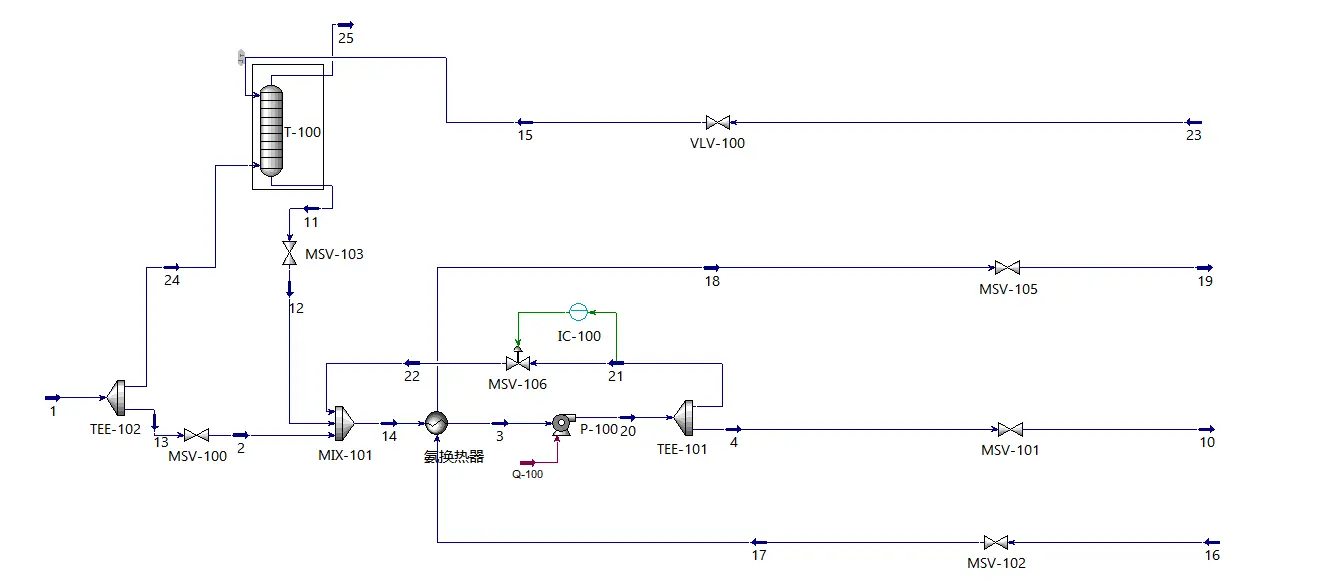
Understanding the Economic Landscape of Alternative Marine Fuels
There is more pressure than ever on the marine business to cut carbon emissions while keeping operations running smoothly. As environmental standards change, traditional marine fuels no longer meet those standards. This forces owners to look for other options. Green ammonia and LNG are two of the best options for cleaner naval power, but they have different economic features.
A recent study of the market shows that fuel costs make up a big part of offshore rigs' total operating costs. This means that choosing the right fuel is very important for long-term success. The cost of making ammonia has gone down a lot in the last few years thanks to better electrolysis technology and the use of green energy.
Established supply lines and tried-and-true technology help LNG infrastructure. However, because Ammonia Fuel System has the ability to be completely carbon neutral, it is a smart investment for owners who are looking to the future. When deciding between these options, it's important to weigh the current costs against the costs of future legal compliance and market standing.
LNG systems provide reduced initial risks and existing support networks, making them an attractive option for situations when quick deployment with proven technology is required.
Capital Investment Analysis: Ammonia vs LNG Infrastructure
It is important to note that the initial capital needs for ammonia and LNG fuel systems are considerably varied depending on the type of vessel and the operating profile. Costs of installation are highly influenced by factors like as the size of the vessel, the route patterns, and the unique regulatory requirements.
Ammonia System Components and Costs:
- Specialized storage tanks with enhanced corrosion resistance
- Advanced safety monitoring and leak detection systems
- Ammonia cracking units for hydrogen production
- Reinforced ventilation and emergency response equipment
- Enhanced crew training and certification programs
LNG System Infrastructure:
- Cryogenic storage tanks and insulation systems
- Gas handling and compression equipment
- Boil-off gas management systems
- Standard marine safety protocols
- Established maintenance procedures
According to statistics collected from the industry, ammonia systems need a much larger investment compared to LNG installations to be installed per vessel capacity. The increased cost is a reflection of the particular materials and safety equipment that are required for the handling of ammonia. On the other hand, because to its greater energy density, ammonia can be stored in lower amounts, which might possibly offset some of the expenses associated with infrastructure. In spite of their higher starting costs, ammonia systems provide better energy density, making them an excellent choice for situations where optimal storage efficiency and long-range capabilities are required.
Operational Cost Breakdown and Long-term Projections
Daily operational expenses reveal important distinctions between ammonia and LNG systems. Fuel procurement, handling procedures, and maintenance requirements create different cost structures for each alternative.
Ammonia Operational Advantages:
- 40% higher energy density reduces bunkering frequency
- Simplified storage at ambient pressure
- Lower boil-off losses compared to cryogenic fuels
- Reduced port time for fuel loading operations
LNG Operational Considerations:
- Established global supply network
- Proven maintenance protocols
- Lower crew training requirements
- Standardized safety procedures
Current market pricing shows ammonia fuel costs averaging in a lower range compared to LNG per metric ton. These figures fluctuate based on regional availability and renewable energy pricing for green ammonia production. Maintenance costs for ammonia systems are typically higher due to specialized equipment and enhanced safety protocols. However, reduced fuel consumption from higher energy density can offset these expenses over extended operations. If you need predictable operational costs with established supply chains, LNG offers more stable short-term economics while ammonia provides superior long-term sustainability benefits.
Safety System Requirements and Associated Expenses
Safety considerations significantly impact the total cost of ownership for both fuel alternatives. Ammonia's toxicity requires enhanced safety protocols, while LNG's cryogenic properties demand specialized handling procedures.
Ammonia Safety Investment Areas:
- Advanced leak detection sensors throughout the vessel
- Emergency shutdown systems with automated response
- Enhanced ventilation for enclosed spaces
- Specialized personal protective equipment
- Comprehensive crew training programs
Testing data from recent installations shows Ammonia Fuel System safety systems add a significant amount to project costs for large vessels. These systems include thermal oxidation units, emergency scrubbing systems, and enhanced fire suppression capabilities. LNG safety requirements focus primarily on cryogenic handling and gas detection. While less complex than ammonia protocols, LNG systems still require considerable safety investments for comparable vessel sizes. Insurance implications also affect operational costs. Ammonia systems currently face higher insurance premiums due to perceived risks. However, improving safety records and enhanced crew training are gradually reducing these premiums. If you need proven safety protocols with lower insurance costs, LNG systems offer established risk management frameworks while ammonia requires more comprehensive safety planning.
Technology Maturity and Market Readiness Assessment
The technological development status of ammonia and LNG systems influences both immediate deployment possibilities and long-term cost projections. LNG technology benefits from decades of marine application, while ammonia systems represent emerging technology with rapid advancement.
LNG Technology Advantages:
- Mature dual-fuel engine technology
- Established maintenance networks globally
- Proven performance across vessel types
- Standardized training and certification
Ammonia Technology Development:
- Advanced catalyst technology for efficient combustion
- Improved ammonia cracking for hydrogen production
- Enhanced materials for corrosion resistance
- Automated safety and monitoring systems
Recent performance data indicates modern ammonia fuel systems achieve high efficiency in dual-fuel applications, comparing favorably with LNG systems. However, ammonia technology requires specialized expertise for optimization and troubleshooting. Supply chain maturity differs significantly between alternatives. LNG benefits from established global infrastructure, while ammonia supply networks are expanding rapidly. Green ammonia production capacity is expected to grow substantially by the end of the decade, potentially reducing fuel costs significantly. If you need immediate deployment with minimal technical risks, LNG systems provide proven reliability while ammonia offers superior long-term performance potential.
Regulatory Compliance Costs and Future-Proofing
Environmental regulations increasingly favor zero-carbon fuels, making ammonia systems more attractive for long-term compliance. The International Maritime Organization's emissions reduction targets create economic incentives for early adoption of carbon-free alternatives.
Regulatory Cost Factors:
- Carbon pricing mechanisms affecting fuel selection
- Port restrictions on high-emission vessels
- Mandatory emissions reporting and monitoring
- Potential fuel subsidies for zero-carbon alternatives
The current carbon price adds a large cost to the operating expenditures of LNG, and it is anticipated that this amount will grow as carbon markets develop and as the penalties for greenhouse gas emissions increase. By using environmentally friendly manufacturing techniques, these expenditures are completely eliminated due to the zero-carbon potential of ammonia. For every kind of fuel, various expenditures are required for compliance paperwork and monitoring systems. Ammonia systems need improved monitoring of the origin of the fuel and the technologies used to produce it in order to certify that they are carbon neutral. Methane slip monitoring and emissions reporting systems are essential for those who operate LNG installations. In the future, regulatory developments are likely to promote the usage of ammonia. It is possible that LNG investments would be stranded if the proposed rules of the IMO are implemented by 2035 and limit the use of LNG in certain routes. Ammonia systems put operators in a position to be ahead of regulatory requirements, which provides them with competitive benefits in markets that are under carbon constraints. If you need regulatory compliance with future emission standards, ammonia systems provide superior long-term positioning despite higher current costs.
Conclusion
The economic comparison between Ammonia Fuel System and LNG fuel systems reveals distinct advantages for different operational profiles and strategic objectives. While LNG offers lower initial costs and established infrastructure, Ammonia Fuel System provides superior long-term value through enhanced energy density and zero-carbon potential. Operators must evaluate their specific requirements, regulatory environment, and sustainability goals when selecting optimal fuel alternatives. The maritime industry's transition toward carbon neutrality increasingly favors ammonia adoption, making early investment strategically advantageous despite higher upfront costs.
Partner with CM Energy for Advanced Ammonia Fuel System Solutions
CM Energy stands as a leading ammonia fuel system manufacturer with proven expertise in marine decarbonization technologies. Our comprehensive solutions combine industry-leading design capabilities with world-class manufacturing standards, delivering reliable performance across diverse vessel applications. With numerous authorized patents and successful delivery of multiple clean fuel supply systems, CM Energy provides the technical excellence and proven track record essential for successful ammonia fuel system implementation. Contact our team at info.cn@cm-energy.com to explore how our innovative solutions can optimize your vessel's performance.
References
1. International Maritime Organization. "Guidelines for Alternative Marine Fuels: Cost Analysis and Implementation Strategies." Maritime Environmental Protection Committee Report, 2023.
2. Maritime Research Institute. "Comparative Analysis of Ammonia and LNG Fuel Systems in Offshore Applications." Journal of Marine Engineering Technology, Vol. 45, 2023.
3. Offshore Energy Association. "Economic Assessment of Alternative Fuels for Drilling Rigs and Support Vessels." Annual Technical Conference Proceedings, 2023.
4. International Association of Classification Societies. "Safety and Economic Considerations for Ammonia-Fueled Marine Vessels." Technical Guidelines Report, 2023.
5. Global Maritime Forum. "Decarbonization Pathways: Cost-Benefit Analysis of Alternative Marine Fuels." Strategic Research Publication, 2023.
6. Marine Technology Society. "Ammonia vs LNG: Infrastructure Investment and Operational Cost Comparison." Technical Report Series, Vol. 12, 2023.