With its groundbreaking three-element rigid sail technology that significantly saves fuel and reduces carbon emissions, WindWings® represents the future of eco-friendly shipping. The innovative wind-assisted propulsion technique makes renewable energy-powered shipping economically viable for commercial operators. WindWings® addresses the maritime industry's urgent need for cost-effective decarbonization solutions, with performance validated by leading classification societies and successful implementation in major global ports. The technology's seamless integration with existing vessels and demonstrable environmental and economic benefits make it an ideal solution for sustainable marine transportation.
Understanding the Need for Eco-Friendly Shipping Solutions
As global regulations become stricter and environmental demands increase, the marine industry faces a crucial turning point. International climate initiatives are targeting commercial shipping, which contributes a notable portion of global greenhouse gas emissions. Sustainable solutions are more essential than ever, particularly in light of the International Maritime Organization's ambitious goal to significantly reduce shipping emissions by the middle of the century.
Rising Environmental Pressures and Regulatory Compliance
CII and regional emission control rules are posing new hurdles for ship operators. Fleet managers must rethink propulsion techniques due to these mandates, which affect operational costs and market access. The EU's proposed Emissions Trading System inclusion of shipping shows how regulatory pressure affects vessel operators' finances.
Traditional fuel-dependent propulsion systems struggle to fulfill increasing criteria while remaining efficient. Bunker fuel prices fluctuate drastically, straining commercial operators seeking consistent operational expenses. This mix of environmental duty and economic necessity has propelled green shipping technology development.
Economic Drivers for Sustainable Maritime Technology
In an ecologically sensitive market, commercial shipping businesses know that sustainable practices offer competitive advantages beyond regulatory compliance. Green vessels are increasingly priced higher in several charter markets. Ships with less environmental risk are also favored by insurers.
Renewable energy sources in wind-assisted propulsion technologies minimize pollution and fuel consumption, making them appealing. These technologies complement existing propulsion methods without needing vessel redesigns, making them suitable for new builds and retrofits.
Introducing WindWings® Technology: A Revolutionary Solution
WindWings®'s three-element rigid sail design, developed with BAR Technologies in the UK, revolutionizes wind-assisted propulsion. This unique method revolutionizes how commercial vessels use wind energy to cut fuel consumption and emissions while preserving flexibility.
Advanced Aerodynamic Engineering
WindWings® feature fully adjustable camber and angle of attack mechanisms to maximize aerodynamic performance in various wind conditions. This three-element sail generates significantly more lift compared to a single-wing sail, enhancing efficiency regardless of weather or vessel speed. The automatic adjustment mechanism optimizes performance based on real-time environmental data without requiring staff interaction.
Renowned fluid dynamics institutions, such as the Wolfson Unit and Lloyd's Register, validate the system's exceptional performance. These third-party endorsements provide procurement professionals with confidence in the technology's claims and durability. Accreditation from DNV confirms the system's compliance with international maritime safety standards.
Seamless Integration with Existing Vessel Operations
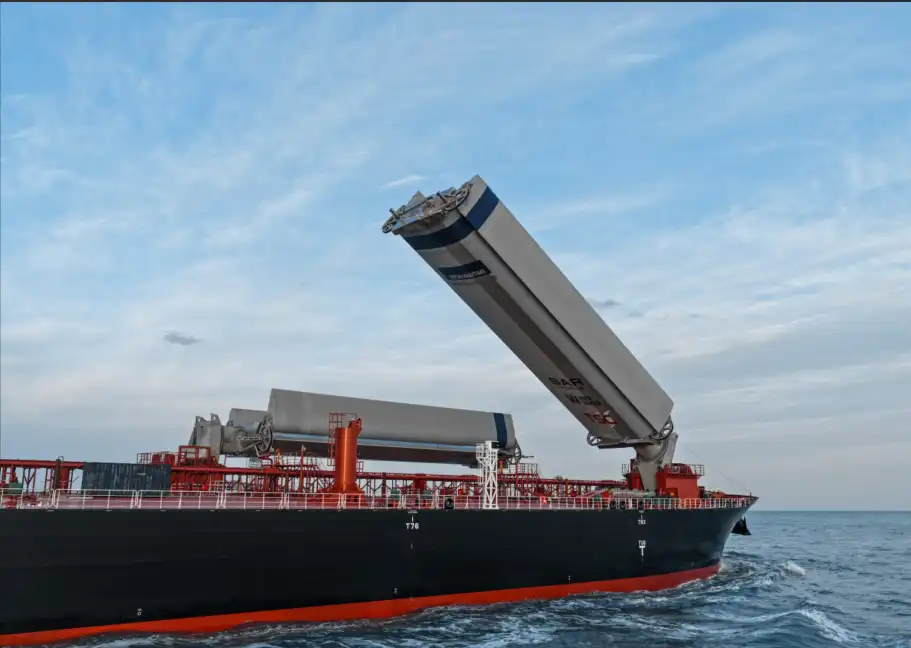
Due to its modular architecture, WindWings® technology works well with conventional propulsion systems for various vessel classes and operations. For bulk carriers and tankers that need unrestricted deck access, the system's rotation into laydown positions assures cargo handling compatibility.
Installation flexibility allows cargo hold positioning without disrupting hatch cover or loading equipment. This careful design guarantees that wind-powered vessels preserve cargo capacity. The system's ship-grade steel and industrial composite design ensures longevity in tough maritime settings.
Comparing WindWings® with Alternative Wind Power Systems
WindWings® outperforms other wind-assisted propulsion solutions. Its advantages over maritime wind power systems are demonstrated by independent testing and vessel operations.
Performance Metrics and Efficiency Comparisons
WindWings®'s three-element design maximizes wind capture efficiency, outperforming standard wind propulsion systems. Fuel savings can be significant depending on the route and wind availability for vessels utilizing this technology. Automated optimization ensures consistent performance across various operational scenarios, justifying investment expenditures with efficiency benefits.
Real-world validation demonstrates that WindWings® is effective on chemical tankers, bulk carriers, and various types of tankers. This adaptability distinguishes it from competing systems that are most effective on specific vessel layouts or trade routes. The technology has operated safely in numerous major global ports.
Economic Benefits and Return on Investment
Cost-benefit analysis indicates that the fuel savings and operational efficiency of WindWings® provide favorable financial returns. While an initial investment for acquisition and installation is necessary, the operational savings can cover the costs of the technology within a relatively short timeframe. Environmentally compliant vessels may also benefit from lower insurance and charter rates.
The system's long design life and low maintenance support value retention and fleet modernization initiatives. WindWings® delivers consistent performance with operational simplicity similar to a deck crane, in contrast to competing technologies that often require frequent component replacements or costly maintenance procedures.
Procurement Guide: How to Acquire and Implement WindWings®
Planning and collaboration throughout the procurement lifecycle are essential for WindWings® adoption. Understanding the acquisition process, installation requirements, and ongoing support choices helps procurement professionals meet fleet modernization goals and operating restrictions.
Acquisition Process and Financing Options
WindWings® procurement begins with vessel compatibility studies for best system configuration and performance. With extensive technical assessments of vessel specifications, operational profiles, and route characteristics, CM Energy's TSC section recommends system configurations. An analytical step guarantees clients receive solutions matched to their operating needs.
Finance options include purchase agreements, leases, and performance-based contracts that pay for fuel savings. Fleet operators can incorporate sustainable technologies without compromising cash flow or strategic investments with these adaptable solutions.
Installation and Commissioning Procedures
Professional installation services schedule and manage projects to reduce vessel downtime. Factory acceptance testing, on-site assembly, and comprehensive commissioning assure optimal system performance from the start. Professional technical teams integrate systems while adhering to maritime safety regulations.
After installation, vessel crews receive extensive training to ensure system safety and efficiency. Continuous performance optimization and predictive maintenance scheduling from IoT monitoring and ongoing maintenance routines increase system reliability and operational efficiency.
Regulatory Compliance and Class Approval
WindWings® is certified by DNV, Bureau Veritas, and Lloyd's Register to comply with international maritime standards. These approvals expedite vessel alteration regulatory approvals and reassure technological safety and reliability.
An approved design type allows the system to integrate with vessel documentation and insurance. This regulatory compliance base streamlines procurement and lowers implementation issues.
Why Leading Shipping Companies Trust WindWings®
Our performance, reliability, and support services have earned WindWings® the respect of marine industry leaders. The technology's development by industry innovators and real-world validation make it ready for commercial implementation across varied fleet applications.
Industry Leadership and Technical Expertise
TSC-branded CM Energy brings extensive maritime sector experience and technical expertise to the development and deployment of WindWings®. The maritime equipment manufacturer and support company holds a significant share of the global drilling equipment market and has numerous deck cranes in service.
The company possesses a substantial portfolio of recognized patents and actively invests in research and development to advance its technologies. Clients rely on this strong foundation of intellectual property and commitment to innovation for ongoing technology evolution and support.
Real-World Performance Validation
Multiple WindWings®-equipped vessels function consistently across operational conditions and trade routes. These installations demonstrate the technology's commercial viability and environmental benefits by reducing fuel and emissions. Vessel operators claim successful integration with operating and maintenance routines.
Port calls worldwide without operational mishaps or safety concerns demonstrate the system's reliability. This history gives procurement professionals confidence in the technology's maturity and operational preparedness for fleet integration.
Comprehensive Support and Service Excellence
CM Energy's TSC subsidiary offers comprehensive lifecycle support, including maintenance, performance improvement, and technological updates. WindWings® clients receive optimal ROI and long-term operational success with our comprehensive service approach.
Continuous performance optimization and operational decision assistance are provided by weather routing and IoT monitoring. Our innovative features boost journey planning and operational efficiency in addition to fuel savings.
Conclusion
WindWings® transforms maritime decarbonization with proven technology and compelling economic benefits. The system's fuel savings and emission reductions make it important to sustainable fleet upgrading. WindWings® helps procurement professionals achieve environmental compliance and operational efficiency with regulatory certification, proven performance, and strong industry support. Flexible across vessel types and operational conditions, the technology is a critical investment for forward-thinking maritime businesses committed to sustainable operations.
FAQ
1. What is WindWings® and how does it work?
The unique three-element rigid sail system WindWings® harnesses wind energy to propel commercial vessels. Automated camber and angle adjustments optimize aerodynamic performance, providing significantly more lift compared to single-wing sails while seamlessly integrating with existing propulsion systems.
2. Which vessel types can benefit from WindWings® installation?
WindWings® works with bulk carriers, chemical tankers, LR2 tankers, and commercial shipping operators. The system's modular architecture allows installation aboard vessels of various sizes and configurations, with models for diverse operational needs and trade routes.
3. What fuel savings can operators expect from WindWings® implementation?
WindWings® can lead to substantial fuel savings for vessels, depending on the route and availability of wind. Actual operations demonstrate consistent performance across various conditions, with automated optimization enhancing efficiency benefits throughout voyages.
4. How long does WindWings® installation take and what is the impact on vessel operations?
Professional installation services manage projects and schedules to reduce vessel downtime. Installation comprises compatibility analysis, factory acceptance testing, on-site assembly, and full commissioning to optimize system performance and maritime safety.
5. What maintenance requirements does WindWings® have?
WindWings® is designed for long-term durability with minimal maintenance. The system features automatic health monitoring and operates similarly to deck cranes, requiring only basic orientation training. Comprehensive packages include ongoing support and performance enhancement.
Ready to Transform Your Fleet with WindWings® Technology?
TSC brand, as a WindWings® manufacturer, can assist you in deploying advanced wind-assisted propulsion solutions that help reduce fuel consumption and pollution. Our comprehensive WindWings® systems facilitate fleet modernization with proven three-element rigid sail technology and full lifetime support. We offer tailored WindWings® solutions for both new builds and retrofits across all major vessel types, backed by our experience in the marine industry. Reach out to our experts at info.cn@cm-energy.com to learn how WindWings® technology can enhance operating efficiency and meet environmental standards.
References
1. International Maritime Organization. "Fourth IMO GHG Study 2020 - Reduction of GHG Emissions from Ships." Marine Environment Protection Committee, 2021.
2. Lloyd's Register and University Maritime Advisory Services. "Wind-Assisted Ship Propulsion: Performance Analysis and Economic Assessment." Maritime Technology Research, 2020.
3. DNV GL Maritime. "Energy Transition Outlook 2021 - Maritime Forecast to 2050." Strategic Research and Innovation Division, 2021.
4. Bureau Veritas Marine & Offshore. "Alternative Fuels and Wind-Assisted Propulsion Systems: Technical Guidelines for Commercial Vessels." Classification Society Technical Standards, 2022.
5. European Parliament and Council of the European Union. "Regulation on the Monitoring, Reporting and Verification of Carbon Dioxide Emissions from Maritime Transport." Official Journal of the European Union, 2023.
6. Wolfson Unit Southampton. "Computational Fluid Dynamics Analysis of Wind-Assisted Propulsion Systems for Commercial Shipping Applications." University of Southampton Engineering Research, 2022.