Importing Heavy-Duty Cargo Systems: Key Considerations
When you bring in heavy-duty shipping systems, you need to think carefully about the technical details, the name of the seller, and the rules that you need to follow. Modern Cargo Handling System technology from China is a great deal because it uses cutting-edge engineering, is cheap to make, and comes with a lot of support services. You can get good options for ships and companies that need to handle cargo if you know how to find products, check their quality, and follow the rules.
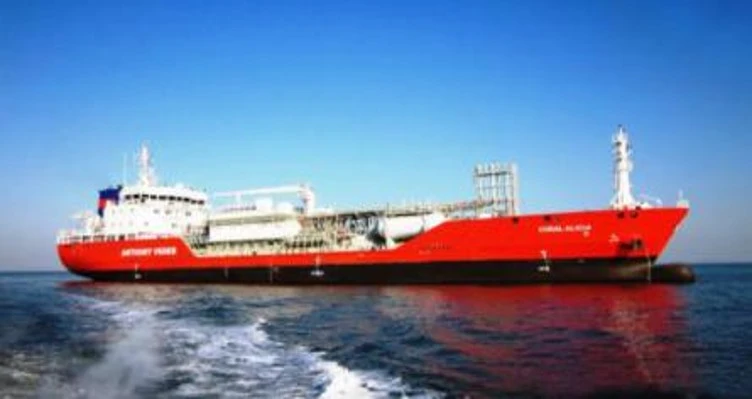
Why Source Cargo Handling System from China?
Manufacturing Excellence & Scale
China’s marine equipment sector blends decades of shipbuilding expertise with advanced technology. Manufacturers focus on R&D, delivering innovative solutions like cargo handling system automation, loading, monitoring, and integrated safety features, all meeting international standards.
Cost-Effectiveness Without Compromising Quality
Manufacturing costs in China are competitive due to efficient production, proximity to suppliers, and low labor costs. Reputable manufacturers exceed international standards with stringent quality control and third-party certifications.
Technological Innovation & Capabilities
Top Chinese manufacturers partner with international design firms to develop advanced cargo handling systems, integrating automation, remote monitoring, and predictive maintenance. Research and investments in simulation and testing ensure design validation.
Essential Technical Specifications for Marine Cargo Systems
Pressure & Temperature Requirements
Fully pressurized LPG systems operate at high pressures and moderate temperatures. Semi-refrigerated systems work at lower pressures, while fully refrigerated systems reach extremely low temperatures. High-quality stainless steel ensures durability and resistance.
Safety Systems & Monitoring
Emergency shutdown systems close valves within seconds. Gas detection uses sensors with alarms set to specific thresholds. Fire suppression varies by area, while cargo monitoring tracks pressure, temperature, and flow for real-time integration.
Industry Standards & Certifications
IMO sets gas carrier safety standards, with classification societies like Lloyd's, DNV GL, and ABS defining requirements. SOLAS mandates safety equipment, MARPOL ensures environmental protection, and the IGC Code provides technical standards.
Understanding International Trade Terms & Processes
Common Trade Terms Explained
FOB means the seller covers costs to the loading port; the buyer handles freight and destination charges. CIF includes seller-paid freight and insurance, with the buyer handling customs. EXW places all responsibility on the buyer for transportation and clearance. DDP means the seller covers all costs, including delivery.
Import Documentation Requirements
Commercial invoices provide transaction details, essential for customs and duty assessments. Packing lists outline contents, aiding inspections, while bills of lading serve as cargo receipts. Certificates of origin confirm product origin for trade compliance, and insurance certificates cover cargo protection details.
Payment Methods & Risk Management
Telegraphic Transfer (T/T) offers fast, low-cost payments but shifts more risk to buyers. Letters of credit provide payment security, with irrevocable and confirmed options. Documentary collections involve banks handling documents, with D/P requiring payment upfront, while D/A allows credit terms with buyer's acceptance, particularly for transactions involving a Cargo Handling System.
Navigating Regulations & Compliance Requirements
International Certification Standards
Lloyd's Register certifies design compliance through reviews and testing. ABS provides classification for structural integrity and reliability. EU directives like the Marine Equipment Directive and CE marking ensure compliance for European-flagged vessels.
Environmental Compliance
MARPOL Annex VI limits ship air emissions, requiring cargo systems to reduce fugitive emissions. Vapor recovery captures excess emissions. Ballast water management systems prevent invasive species, and cargo systems must integrate with these systems. Regional regulations may impose stricter environmental standards.
Documentation & Record Keeping
Type approval certificates confirm compliance, while installation certificates verify proper installation. Operating manuals guide safe use, and quality assurance includes material certificates, welding specs, and maintenance schedules for performance monitoring.
Why CM Energy is Your Ideal Import Partner
Proven Track Record & Global Reach
CM Energy, a technology-driven leader in marine energy, covers a significant portion of global offshore drilling, with numerous deck cranes and self-elevating platforms deployed worldwide. Listed on the Hong Kong Stock Exchange since 2009, it offers transparent business practices and global operational familiarity.
Technical Innovation & Development Capabilities
CM Energy, with numerous patents and a strong focus on hydrogen and marine energy, leads in technological innovation. Strategic partnerships with Norwegian design firm WTC combine global expertise with efficient manufacturing, ensuring solutions meet client needs while incorporating the latest advances.
Comprehensive Product Portfolio
CM Energy’s TSC brand offers integrated solutions, including MFSS, FGSS, AFSS, and LPG cargo systems, enabling single-source procurement for complex vessel needs. With expertise from China Merchants Industry, TSC designs systems ranging from semi-cold to fully pressurized for diverse operational requirements.
Full Lifecycle Support Services
CM Energy offers end-to-end support from design to maintenance, ensuring consistent quality and long-term reliability. Technical support includes optimization, training, troubleshooting, and spare parts availability. Remote monitoring helps optimize performance and minimize downtime, ensuring smooth operations.
Supplier Evaluation & Selection Criteria
Manufacturing Capabilities Assessment
Production facility evaluation assesses equipment, quality control, and capacity. Modern facilities use automation and comprehensive testing. ISO 9001-certified quality management and traceability ensure consistent manufacturing quality.
Financial Stability & Business Continuity
Supplier financial health assessment reviews financial statements, credit ratings, and payment history. Business continuity plans mitigate disruptions. Insurance should cover liability, indemnity, and interruption, with strong coverage and provider ratings ensuring protection.
Technical Competence Validation
Engineering team qualifications, including education, experience, and certifications, demonstrate competence. Previous projects validate knowledge. Design software, testing facilities, and simulations ensure validation, while physical testing confirms performance and optimizes design.
Communication & Project Management
Language capabilities and communication protocols ensure clear exchange. Progress reporting, milestone tracking, and issue resolution prevent delays. Time zone considerations and urgent procedures ensure responsiveness, while cultural awareness promotes smooth relationships, particularly for projects involving a Cargo Handling System.
Cost Structure & Pricing Transparency
Material Costs & Procurement
Raw material costs, especially for stainless steel and alloys, significantly impact system costs, with market fluctuations prompting cost indexing. Procurement strategies balance cost and quality, while supply chain transparency identifies optimization opportunities.
Manufacturing & Labor Costs
Direct labor costs include fabrication, assembly, and testing, with skilled technician availability influencing costs. Automation reduces labor while improving quality. Overhead allocation, including fixed and variable costs, affects pricing and production volume.
Engineering & Development Expenses
Design and engineering costs depend on customization and complexity. Standard products benefit from prior development, while custom solutions require more resources. Testing, validation, and software development increase overall costs.
Transportation & Logistics
Shipping costs depend on how big, heavy, and where the package is going. Extra-large goods needs special treatment, which drives up costs. Insurance guards against loss and packaging keeps things from getting damaged. Expect to pay fees at the target port, such as for customs and storage.
Supply Chain Reliability & Lead Times
Production Planning & Scheduling
Lead times for manufacturing rely on backlogs of orders, the supply of materials, and the level of complexity. Lead times are lower for standard items. Ordering materials early and coming up with different specs help keep plans in check and give you options.
Quality Assurance & Testing
Inspections and tests take more time, but they make sure the quality of the output. Specialized tools and qualified people are needed for non-destructive tests. Setting up a schedule early keeps things from being held up, and paperwork keeps important quality records.
Port Efficiency & Logistics Infrastructure
Automated platforms make it easy to move goods through China's main ports, like Shanghai and Shenzhen. Manufacturing hubs are connected to ports by inland transportation, and modern operations and close warehouses make it easy to move and store goods.
Risk Mitigation Strategies
Diversifying your suppliers lowers the risk of being dependent on them, but it makes quality control harder. Back-up providers and spreading out in different areas help reduce problems. There are terms for "force majeure," business loss insurance, and contact methods that make sure problems are solved quickly.
Installation & Commissioning Guidelines
Pre-Installation Preparation
Confirmation of the vessel design makes sure that the cargo handling system works with it. Interface checking stops problems before they happen, and expert talks make things clearer. For a good job, preparation includes having the right tools, taking safety precautions, and teaching staff.
Module Transportation & Positioning
Planning for size, weight, and tools is needed to move prefabricated modules. Routing makes sure there are enough gaps, and lifting equipment meets load standards. Performance and installation depend on accurate placement and temporary supports.
System Integration & Testing
Connections between pipes need to be properly prepared, welded, and tested for stability under pressure. To be safe, electrical lines must be properly terminated and tested for shielding. Subsystem and combined tests make sure that parts and the whole system work well and are safe, while speed tests make sure that the specs are followed.
Documentation & Training
Procedures and tests are written down in installation records, and use and upkeep are explained in working instructions. Training makes sure that the crew is skilled, and guarantee papers cover claims. Parts and plans make sure that they are available and that checks happen on time.
Conclusion
Sourcing high-quality cargo handling systems from China requires evaluating technical needs, supplier capabilities, and regulatory compliance. Understanding trade procedures, documentation, and payment methods ensures successful procurement. Chinese manufacturers offer a strong mix of technical expertise, cost-effectiveness, and scale, benefiting global shipping operations.
Frequently Asked Questions
1. What certifications are required for cargo handling systems?
Classification society approval from organizations like Lloyd's Register, DNV GL, or ABS is typically required. Flag state regulations and port state requirements may mandate additional certifications. IMO standards including IGC Code compliance are essential for gas carrier applications.
2. How long does typical delivery take for cargo handling systems?
Standard systems typically require a few months from order confirmation to delivery. Customized solutions may take longer, depending on complexity and testing needs. Material availability and existing order backlogs can also influence delivery schedules.
3. What payment terms are commonly accepted?
Most suppliers require a partial advance payment with the remaining balance due upon completion or shipment. Letters of credit offer security for both parties. Payment terms can be adjusted based on order size and the nature of the customer relationship.
4. How is quality assured during manufacturing?
Multi-stage inspection processes include material verification, welding examination, and final testing. Third-party inspection services provide independent verification. Quality documentation includes material certificates and test reports.
5. What after-sales support is available?
Comprehensive support includes technical assistance, spare parts supply, and maintenance training. Remote monitoring capabilities enable proactive support and troubleshooting. Service agreements define response times and coverage terms.
6. Can systems be customized for specific vessels?
Yes, each system is designed according to vessel-specific requirements including space constraints, operational profiles, and integration needs. Engineering teams work closely with shipyards and owners to optimize designs.
7. What about spare parts availability?
Recommended spare parts lists identify critical components for onboard inventory. Long-term parts availability commitments ensure support throughout system lifecycle. Global distribution networks enable rapid parts delivery.
Partner with CM Energy for Your Cargo Handling System Requirements
CM Energy is your trusted cargo handling system supplier for marine applications worldwide. With expertise in LPG, LNG, and chemical cargo systems, we provide customized solutions for demanding environments. Our TSC brand represents quality and innovation, supported by a global engineering team and strategic partnerships with international design firms. We offer competitive manufacturing costs while delivering reliable, efficient systems for liquefied gas carriers and chemical tankers. Contact us at info.cn@cm-energy.com to discuss your cargo handling system needs and learn how CM Energy can support your next project.
References
1. International Maritime Organization. "International Code for the Construction and Equipment of Ships Carrying Liquefied Gases in Bulk (IGC Code)." London: IMO Publishing, 2023.
2. Lloyd's Register. "Rules and Regulations for the Classification of Ships: Liquefied Gas Carriers." London: Lloyd's Register Group Limited, 2024.
3. American Bureau of Shipping. "Guide for Gas Fueled Ships." Houston: ABS Plaza, 2023.
4. Society of International Gas Tanker and Terminal Operators. "Liquefied Gas Handling Principles on Ships and in Terminals." London: SIGTTO, 2022.
5. DNV GL. "Rules for Classification - Ships: Liquefied Gas Tankers." Høvik: Det Norske Veritas, 2024.
6. International Association of Classification Societies. "Common Structural Rules for Gas Tankers." London: IACS Publications, 2023.