Integrating Rigid Wing Sail into Modern Vessel Design: What Shipbuilders Should Know
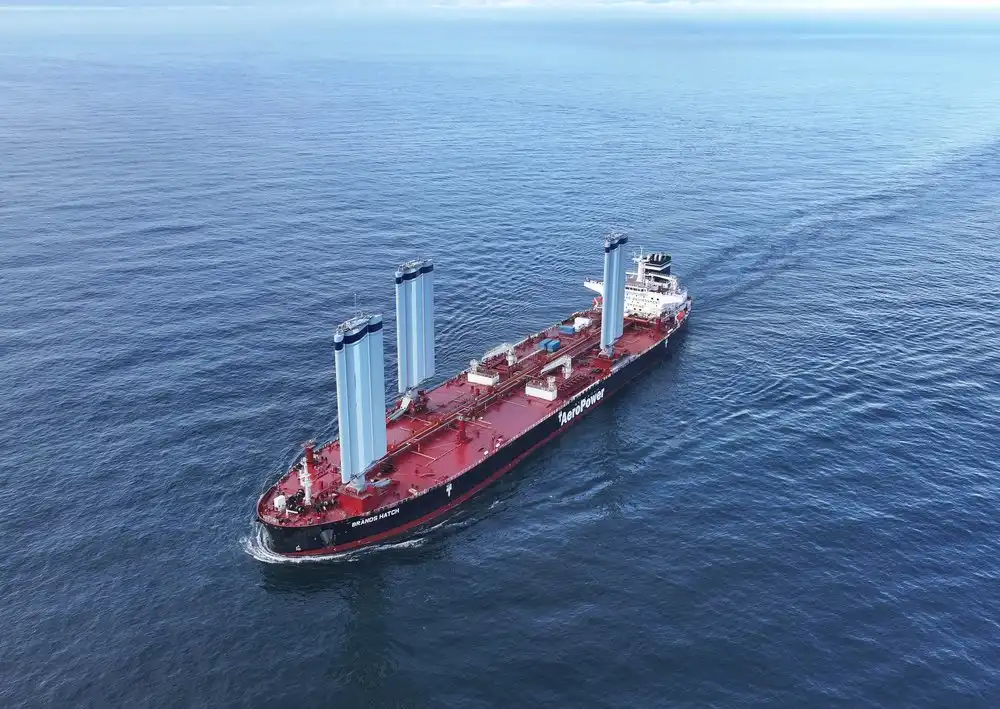
Adding a Rigid Wing Sail to a modern ship is a big change in how ships move. This modern wind-assisted propulsion system (WAPS) blends aerodynamics from aeroplanes with marine engineering to provide automatic thrust that cuts down on fuel use and meets stricter emission standards. Shipbuilders who work with chemical tankers, Newcastlemax bulk carriers, LR2 tankers, and ferry operators need to know how to integrate wind propulsion technology and what its operational benefits are in order to make designs that will last and get a quick return on investment.
Understanding Rigid Wing Sails and Their Role in Modern Shipping
The marine sector is under more and more pressure to reduce carbon emissions while still being able to make money. Rigid Wing Sail technology has become a real option, and Wing Sail technology is at the forefront of this change. Modern wing systems use hard carbon and steel structures that automatically keep the best aerodynamic profiles. This is different from traditional soft sails, which need to be adjusted by hand all the time and change shape when they're loaded.
Evolution from Traditional Sails to Advanced Wing Systems
Maritime history shows that people have been using wind power for a very long time, but early sailing ships had a lot of problems. Cloth sails needed big crews, didn't work well when the wind changed directions, and weren't easy to handle precisely like business ships need to be today. Using engineering ideas from flight, the creation of Rigid Wing Sail technology solved these problems from the past. Lift-to-drag ratios and operating efficiency got a huge boost when the sail was thought of as a vertical wing instead of a fabric sheet.
How Wing Propulsion Systems Generate Thrust
The forward thrust of Rigid Wing Sail systems comes from aerodynamic lift, just like the upward force of an aeroplane wing. When wind blows across the bent surface of the wing, changes in pressure create a propelling force that helps the engine work or even takes some of its place. The three-part design, which includes a main wing body with flaps that can be adjusted, lets the system change its slope and angle of attack in real time, which makes it work best in different wind situations. This automatic adjustment feature is a huge step forward from traditional sailing technology. It lets ships use wind energy without the crew needing special training.
Current Applications Across Commercial Vessel Types
Today's wind power systems are being put on a wide range of types of boats. Bulk carriers that move things like grain, coal, and mineral ores can really benefit from Rigid Wing Sail installations because their tracks often go through steady wind paths. Chemical ships that work in regional trade can save a lot of money on fuel by taking shorter trips, while big oil carriers that travel across oceans can save a lot of money every year by cutting their costs. Ferry companies that serve coastal and island communities have found that wing systems offer manoeuvring capabilities without emitting any pollution and amazing return on investment timelines, usually less than five years.
Technical Insights: Performance and Advantages of Rigid Wing Sails
Modern Rigid Wing Sail technology improves performance in measurable ways that directly address the most important issues facing the commercial shipping industry: rising fuel costs, following rules, and running efficiently.
Aerodynamic Efficiency and Fuel Savings
Advanced Rigid Wing Sail systems are much better at controlling airflow than traditional motion aids. The unique three-element design called WindWings®, which was created in collaboration with BAR Technologies in the UK, produces more than 2.5 times as much lift as standard single-wing designs. This improved performance directly saves fuel by 10% to 30%, based on the route and the amount of wind that is available. Ships that use Rigid Wing Sail technology can cut their daily fuel use by a lot. Larger systems can save several tonnes of fuel per day, per wing.
The system can instantly change the camber and angle of attack to get the best setup no matter which way the wind is blowing or where the ship is going. This automation gets rid of the need for crew members to know how to sail, which means that normal trade ship operators can use wind power. These performance claims are backed up by thorough testing and real-world proof by well-known fluid dynamics research institutions, such as the Wolfson Unit and Lloyd's Register.
Emissions Reduction and Regulatory Compliance
Besides saving money on fuel, Rigid Wing Sail propulsion systems also lower pollution in a way that can be measured. This helps ship owners meet the Carbon Intensity Indicator (CII) standards set by the International Maritime Organization. For every tonne of fuel saved, about 3.2 tonnes of CO2 emissions are avoided, which leads directly to higher CII scores. Under current rules, ships that might be downgraded can use wind power to keep or improve their environmental performance scores. This protects charter rates and market access.
Not only does lowering carbon dioxide emissions help, but it also lowers sulphur oxides, nitrogen oxides, and particulate matter, all of which are toxins that are subject to stricter rules in emission control areas. This overall improvement in environmental performance makes wind-assisted boats more appealing in a marine market that is becoming more concerned with carbon emissions.
Durability and Lifecycle Cost Advantages
Rigid Wing Sail systems made from ship-grade steel and industrial composite materials last a very long time. The design calls for operating lifetimes of 25 years without major component change, which is the same length of time that most ships are used. This longevity is very different from soft sail systems, which need to have their cloth replaced often and their rigging maintained in a complicated way.
Maintenance needs are similar to those of common deck tools like cranes, and crew members already know how to do simple maintenance and routine checks. The hydraulics and control parts are made to withstand the harsh conditions of salt spray and marine settings. Automatic tracking systems let you know about any problems early on, before they affect operations. Manufacturers offer long-term service deals that give customers extra peace of mind by guaranteeing expert help for as long as the system is in use.
Integration Challenges and Solutions for Shipbuilders
When adding Rigid Wing Sail technology to new or existing ships, it is important to think about how they will work, how they will be regulated, and how they will be built. Shipbuilders and design companies can deal with these problems well by planning ahead and working with technology providers who have a lot of experience.
Structural Assessment and Vessel Compatibility
Making sure that the structure has enough strength to hold the Rigid Wing Sails is the main engineering task. When wings are added, they add weight high above the deck, which could change the ship's stability and metacentric height. Design teams have to do in-depth studies to make sure that the loads that are put on the hull scantlings, deck structures, and foundations can be handled while the ship is in service and when the wings are pulled down.
Compatibility analysis looks at many things, such as the amount of deck room that is available, the clearance needs for cargo handling equipment, and how the new system will work with the current ones on board. Installing bulk haulers is pretty easy because the wings are placed between the cargo holds in a way that makes it easy to open and close the hatch cover. Tankers need more thought when it comes to how the pipes are set up and the filling equipment that is used, but the technology has been successfully installed on a number of different types of ships.
Control System Integration and Automation
Modern Rigid Wing Sail systems depend on high-tech machinery to work at their best without any help from a person. When wing control systems are connected to existing bridge equipment, workers can use familiar interfaces to keep an eye on thrust generation, change working modes, and get safety alerts. The automation constantly improves the wing design based on real-time information from anemometers, GPS tracking, and weather data.
Another thing to think about when integrating is whether planning software is available that is made just for wind-assisted boats. These specialised systems look at weather data to suggest routes that make the most of the wind's benefits. This could mean changing journey plans to take advantage of good conditions. Web-based tools let fleet managers on land keep an eye on performance and suggest ways to improve it, which makes route planning more collaborative.
Installation Approaches for Retrofits and New Builds
When shipbuilders work on projects that involve both new and old ships, they use different methods for merging. Installations of retrofits need to be carefully planned around when the ship is available, and they are usually done during planned drydocking to cause as little operating disturbance as possible. Compatibility analysis, plant acceptance testing of components, shipping of pre-assembled modules, and onboard installation with commissioning are all parts of the installation process.
With the new build interface, design optimisation can be done on a larger scale. Design companies can build Rigid Wing Sail supports into the hull structure from the very beginning, place equipment so that it doesn't get in the way of moving goods, and make sure that control systems work well throughout the vessel. This integrated method usually has lower installation costs and better performance than retrofits. However, retrofit options are still very useful for existing fleets that want to cut emissions right away.
Procurement Guide for Rigid Wing Sails: What B2B Buyers Need to Know
When procurement professionals look at Rigid Wing Sail propulsion systems, they need to think about more than just the original purchase price to make sure the systems will be useful in the long run and work well.
Technology Selection and Supplier Evaluation
There are different types of Rigid Wing Sails on the market, and each has its own unique features. Three-element designs with adjustable camber give you the most speed and flexibility in a wide range of situations. Fixed installations have lower start-up costs but less operating freedom. The types of ships, trade routes, and working profiles of each procurement team should help them decide which technology choices to consider.
When evaluating a supplier, you should focus on their track record and certifications. Systems that have been approved by classification societies like DNV, Bureau Veritas, Lloyd's Register, and the China Classification Society have had their safety systems and structural stability checked by a third party. Real-world operational validation, like DNV-verified fuel savings success, gives more trust than just theoretical predictions.
CM Energy, through its TSC name, adds a lot of experience with naval equipment to the wind propulsion market. This includes knowledge of deck cranes, lifting equipment, and now modern WAPS solutions. Because TSC has experience with complex marine systems, they know what shipboard setups need and how important it is to make designs that are effective and easy to keep.
Total Cost of Ownership and ROI Calculations
When looking at investments in wind power, you need to look at more than just the capital costs. You need to look at the total lifetime economics as well. The main benefit is saving fuel, though the exact amount depends on the speed of the vessel, the route, and the amount of wind that is available. Payback times for well-matched Rigid Wing Sail systems are thought to be between three and seven years, though many owners see returns much faster than that.
As environmental laws get stricter, better CII grades that protect charter rates, the possibility of making money from carbon credits through emissions trade schemes, and higher vessel residual values are all financial benefits. Maintenance costs are low because the building is strong and parts last a long time, which makes it a good option compared to other technologies that reduce emissions.
Customization and Support Capabilities
Leading suppliers offer customisation choices that meet the needs of each vessel. The size of the Rigid Wing Sails can be changed to fit the available deck room and the amount of power that is needed. There are both above-deck and below-deck tilting devices so that ships can get around places with limited air draft or go under bridges. Some setups have fixed mounting for when the ship's activities never need the wings to be pulled back.
Premium providers are different from basic equipment vendors because they offer full lifecycle assistance. Installation help, team training programs, remote tracking through Internet of Things (IoT) connections, and quick repair services make sure that systems work as promised for as long as they are in use. When evaluating suppliers, procurement teams should make sure that these support skills are checked, as they have a big effect on long-term satisfaction and the efficiency of the system.
Maintenance, Longevity, and Future Trends
Setting up the right repair procedures and keeping up to date on technical changes that will affect the future of maritime decarbonisation are necessary to keep Rigid Wing Sail systems working at their best.
Routine Maintenance Requirements
Rigid Wing Sail systems need simple upkeep tasks that are within the skills of most cargo ship crews. When composite surfaces are looked at visually, damage from impacts or covering wear can be found before they weaken the structure. Like deck cranes, hydraulic systems need to have their fluids checked and their seals replaced on a regular basis, based on the manufacturer's plan.
Automated tracking systems keep an eye on the health of machines all the time and let teams know when something is wrong and needs their attention. This preventative method stops failures from happening out of the blue and makes the best use of scheduling maintenance around the ship's activities. Every year, classification groups do surveys to make sure that safety standards are still being followed. These surveys give an independent check of the system's state.
Compared to traditional sail systems, this one doesn't have complicated gearing, a lot of moving parts, or cloth parts that need to be replaced often, so it's easier to maintain and doesn't cost as much. This ease of use is a big plus for business owners who can't put crew members into sailing equipment that needs special care.
Technological Innovations on the Horizon
As materials science progresses, Rigid Wing Sails keep getting better, and systems get lighter. Next-generation composites have better strength-to-weight ratios, which could mean that bigger wings can be used to produce more power without adding too much weight. Adding sensors gives you more detailed information about how things are working, which helps with both real-time optimisation and long-term study of how well things are working.
Automation tools are changing quickly. For example, AI algorithms are learning from practical data to guess what the best setups will be in different situations. In the future, systems may work even better with self-driving boats, making changes automatically to be as efficient as possible without any help from a person.
Regulatory Drivers and Market Evolution
Environmental rules will keep getting stricter, which makes Rigid Wing Sail power more appealing from both an economic and a legal point of view. The Emissions Trading System in the European Union already gives people cash benefits to cut down on their emissions, and similar programs are starting to pop up all over the world. Vessels that can't meet CII goals will have fewer charter options and be limited in their operations. This is a strong incentive to use proven technologies that reduce emissions.
Charterers are starting to include environmental performance standards when choosing a ship, and they like ships that have tools that reduce emissions. Because of this change in the market, wind power systems not only lower running costs but also make vessels more competitive when it comes to getting profitable work. Shipowners who are looking to the future know that environmental performance is becoming just as important as standard performance measures when it comes to keeping the value of their fleet.
Conclusion
Rigid Wing Sail propulsion technology has grown into a safe and cost-effective way to reduce carbon emissions in the marine sector. Many different types of business vessels can use modern wing sail systems, which save a lot of fuel, make operations easier, and help them follow the rules. Shipbuilders who use these systems in new designs and retrofits set their clients up for success in a marine business that is becoming more concerned about carbon emissions. It has a strong return on investment, has worked well in the past, and is easy to integrate. These factors make wind-assisted power a smart choice rather than an experimental technology. As environmental rules get stricter and more operating experience is gained, wind propulsion will become more popular. The first companies to use it will become leaders in the sustainable shipping business.
FAQ
1. What fuel efficiency improvements can shipowners expect from wing sail installations?
Depending on the type of vehicle, the route, and the amount of wind, fuel consumption decreases can be anywhere from 10% to 30%. Tankers and bulk trucks that travel roads with steady winds often save more than this range, which means they save several tonnes of fuel every day. These numbers come from operational data that has been checked by DNV instead of theoretical predictions. This means that they can be used to make good planning decisions.
2. How long do wing sail systems last, and what maintenance do they require?
Rigid Wing Sail systems are made to work for 25 years, which is the average length of time a ship is used. Maintenance needs are similar to those for a deck crane: eye checks, service of the hydraulic system, and regular greasing of parts. Routine repair can be done by crews that know how to work with basic mechanical systems. Problems can be found quickly by automated tracking systems. The strong steel and composite structure keeps damage to a minimum, even in harsh sea settings.
3. Can existing vessels be retrofitted, or are wing sails only for new builds?
It is possible to do both retrofit installs and new build connections. Retrofits need to be analysed structurally to make sure the deck can hold the new equipment, and they usually happen during planned drydocking. While new builds allow for more optimisation, retrofits are faster at lowering emissions for companies that are already in use. The best design for each vessel is found through compatibility research.
Partner with CM Energy for Advanced Wind Propulsion Solutions
CM Energy is ready to help shipbuilders, owners, and design firms figure out how to add wind-assisted power to their ships. Our TSC brand blends decades of experience making high-quality nautical equipment with cutting-edge WAPS solutions, such as WindWings® systems with patented three-element designs that are approved by DNV, Bureau Veritas, and Lloyd's Register. Our engineering team can help you with everything from the initial compatibility study to installation, commissioning, and lifecycle maintenance, whether you're planning future-proof newbuilds or looking for CII compliance options for current fleets. With IoT tracking and a global service system, we can make unique setups for bulk carriers, tankers, ferries, and other types of ships. Get in touch with us at info.cn@cm-energy.com to talk about your needs and find out how working with a top Rigid Wing Sail provider can improve the environmental and financial performance of your fleet.
References
1. International Maritime Organization. (2023). Guidelines on the Method of Calculation of the Attained Energy Efficiency Design Index for New Ships. IMO Marine Environment Protection Committee.
2. Lloyd's Register & UMAS. (2023). Wind-Assisted Ship Propulsion: Technology and Economic Assessment for International Shipping. Maritime Decarbonization Research Series.
3. DNV. (2024). Rules for Classification of Ships: Wind-Assisted Propulsion Systems (WAPS). DNV Class Guideline ST-0511.
4. International Windship Association. (2023). Wind Propulsion Innovation: Tracking Commercial Adoption Across Global Shipping Fleets. Annual Industry Report.
5. American Bureau of Shipping. (2023). Guidance Notes on Wind-Assisted Propulsion Systems Installation and Structural Integration. ABS Technical Publications.
6. Maritime Research Institute Netherlands. (2024). Aerodynamic Performance Validation of Multi-Element Rigid Wing Sails for Commercial Vessel Applications. MARIN Research Journal.