AHC Crane for Subsea Lifting and Offshore Projects
When accuracy is needed for offshore work in rough seas, the AHC Crane is a must-have. Active Heave Compensation technology changes the way problems with lifting things under the sea are solved. It lets ships keep handling loads steadily even when waves threaten their safety. This new technology has a direct effect on project timelines, worker safety, and the life of tools in a wide range of fields, from installing wind turbines to running FPSOs. How well your offshore project goes or how much it costs to delay can depend on how well you understand how these specialised cranes work and how well you choose the equipment seller.
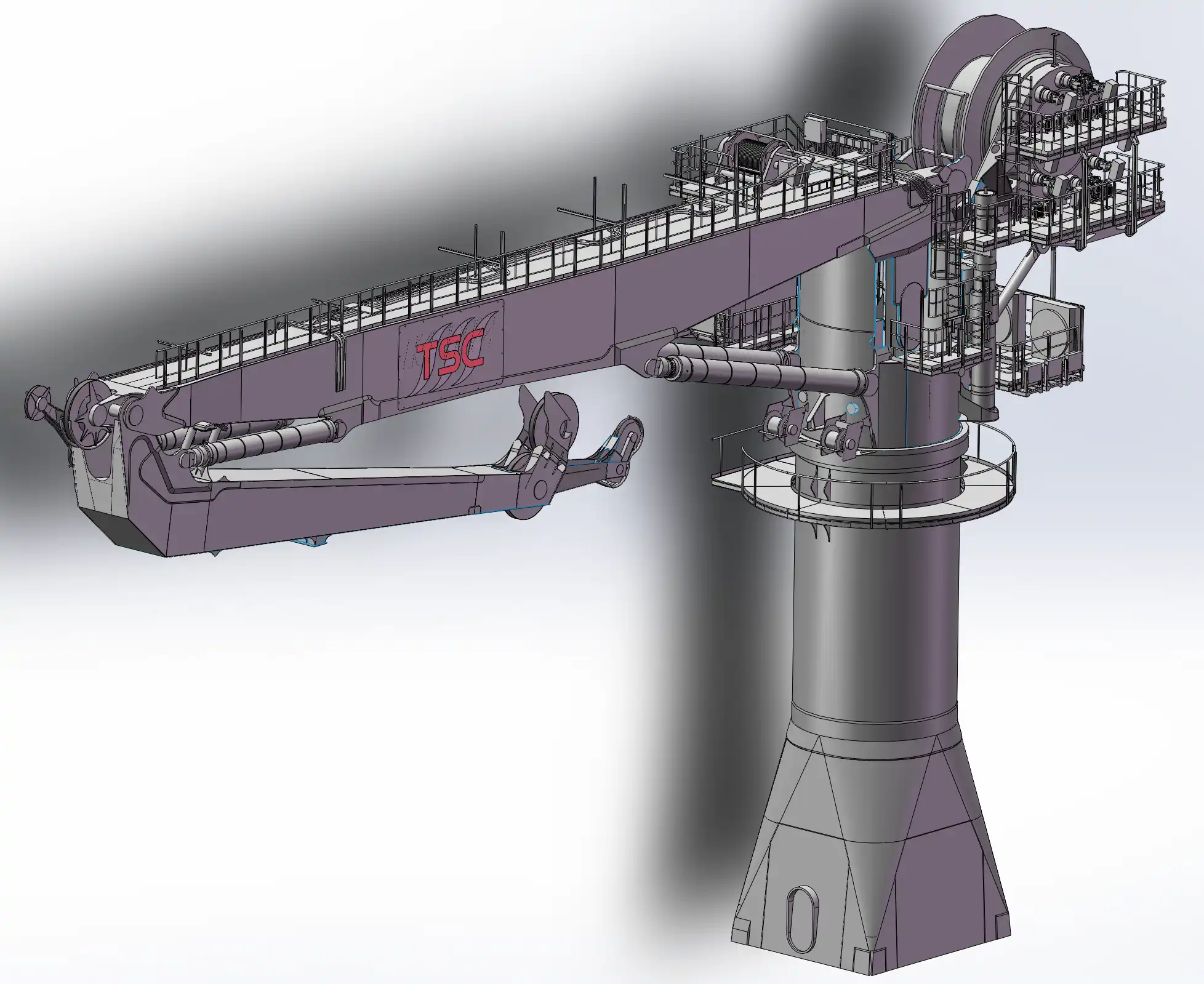
Understanding AHC Cranes in Offshore and Subsea Applications
The Working Principle Behind Active Heave Compensation
AHC Cranes use real-time motion correction to stop the vertical movement that ocean waves cause. Instead of moving with the ship like most offshore lifting equipment does, these systems use Motion Reference Units to quickly identify pitch, roll, and heave. The information is sent to programmable logic controls, which tell the winch motors to extend or withdraw the wire at speeds that balance out. This separates the moving load from the movement of the vessel. When putting sensitive equipment under the water, this technology is very important because even a small hit could damage the equipment or put people at risk.
Core Components Enabling Precision in Harsh Environments
The electro-hydraulic power unit that is built into current heave adjustment systems works well and is reliable. During pulling cycles, high-pressure hydraulic accumulators store energy. During adjustment movements, they release the energy to lower peak power needs. Within milliseconds, proprietary control systems handle sensor data and change speed and tension all the time. In these situations, wire ropes are treated in a special way to make them less flexible and less likely to break when they are compressed or rotated. This helps them last longer, even though they are used in tough circumstances.
Configurations for Different Operational Requirements
Offshore projects are very different in size and scale, so they need different types of cranes. Deck-mounted systems with knuckle jibs fold up small for storage but have a long reach when they're in use. When extended, the knuckle design sits above the slew bearing level, which keeps the deck from getting crowded on busy ships. Some setups let you re-reeve over the main boom only, which means you can handle tall objects without having to raise the jib. TSC makes many types, such as Kingpost and Slew-bearing designs, each one designed for a different type of tank and its intended use. Which of these setups you choose will rely on things like the amount of deck space you have, the usual load weight, the lengths you need to reach, and whether or not being able to move people is important for your operations.
Advantages of Using AHC Cranes for Subsea Lifting
Enhanced Load Stability Reduces Operational Risks
During wave cycles, traditional offshore cranes put loads that are hung in the air at risk of dangerous vertical accelerations. The quick snatch loads that happen during splash zone transit hurt the rigging, put stress on structural parts, and put people in close danger. Active Heave Compensation gets rid of these shock loads by keeping the tension the same even if the vessel moves. Most of the time, compensation efficiency is higher than 95%, which means that the load moves less than 5% of the way the vessel moves up and down. This stability keeps expensive equipment from breaking while it's being deployed and saves fragile underwater hardware.
Expanded Weather Windows Improve Project Economics
Because of bad weather, offshore activities have to be stopped every day, which costs a lot of money in vessel standby rates and crew pay. This new technology for heavy adjustment greatly increases the operating weather window, allowing safe lifting in rough seas that would stop most other equipment. Operations can resume when wave heights are higher than 2.5 meters, which meant that work had to stop before. Being able to keep working even when the weather is bad directly leads to shorter project timelines and lower mobilisation costs, giving project owners a clear return on their investment.
Workforce Safety and Regulatory Compliance
In remote settings, the most important thing is to keep people safe. Accidents happen when loads move quickly, which is stopped by active systems in underwater operations. With constant tension states, there are no slack wire situations where loads could fall freely if waves quickly lift the ship. Automated landing skills cut down on mistakes made by people during important seabed touchdown stages. These improvements to safety help companies meet strict rules set by groups like the Bureau of Safety and Environmental Enforcement, which oversees U.S. offshore operations. Following rules from classification societies like DNV, ABS, BV, LR, and CCS, as well as standards like API Specification 2C, shows a dedication to operating efficiency.
Modern methods also use less energy, which is something that should be looked at. Newer designs have regeneration features that recover energy during payout stages. This means that they use less power overall than older systems that only used hydraulics. This increase in efficiency helps many offshore projects meet their environmental compliance goals, especially in areas that are sensitive to pollution or in environmental protection zones. Less fuel used per lift cycle saves a lot of money over the course of a job and helps the company meet its sustainability goals.
Choosing the Right AHC Crane for Offshore Projects
Matching Technical Specifications to Project Demands
To choose the right AHC Crane, you need to carefully look at how you run your business. Think about the heaviest loads you'll be able to handle over the course of the job, and leave some room in case you need to do heavy lifts that weren't planned for. TSC systems are made to last for 25 years, and their main hoist capacities can hit 100 metric tonnes at smaller radii. They can still do a lot of work at longer outreach distances, too. The water depth ranges from 500 meters to 2000 meters, which covers most underwater intervention scenarios. Compensation speeds that are right for buried loads make sure that the system responds quickly, no matter what the payload is.
Work radius needs are very different depending on the purpose. Offshore wind installations need a lot of horizontal reach to move parts from the ship to the turbine base. On the other hand, FPSO repair might value lifting capacity over outreach. Additional hoist functions increase operating freedom by being able to handle lighter loads and possibly supporting personnel transfer baskets for crew changes or emergency evacuations. The flexibility of being able to change reeving setups from single-fall to multi-fall configurations as project needs change is a big plus.
Evaluating Manufacturers and Supply Chain Reliability
Working with well-known makers guarantees access to tested technology and a strong support network. Through its TSC name, CM Energy has provided heavy compensation systems to more than 350 deck crane sites around the world. Their lifting equipment has been used on more than 180 self-elevating platforms. This large number of fixed bases shows that the designs have been reliable in the field and have stood up to the conditions found offshore. The company's 159 authorised patents, which include 10 invention patents, show that it is constantly investing in new ideas and technology.
When equipment is certified by more than one classification society, it means it meets world standards for safety and performance. Look for providers that offer complete paperwork packages that include type approval certificates, records of the quality of the manufacturing process, and the ability to track down materials. Infrastructure for after-sales help is very important for remote equipment. Check to see if the makers keep authorised service centers close to where you do business, keep important extra parts on hand for quick deployment, and offer operator training programs to make sure your crew can safely use the equipment to its fullest potential.
Installation, Operation, and Maintenance Best Practices
Pre-Commissioning and Integration Procedures
A deployment that goes well starts long before the AHC Crane gets to the dock. A thorough study of the needs finds the limitations specific to the vessel, the availability of power, the need for deck reinforcement, and the places where the new system can connect to the current control systems. Quality is guaranteed by controlled assembly in the factory, followed by thorough acceptance testing that checks active performance before shipping. These factory tests should mimic reactions to changes in sea level, making sure that the Motion Reference Unit to winch control loop reacts within the allowed latency ranges.
For on-board installation to work, crane workers, ship crews, and classification society inspectors must all work together. To make sure there are good load paths, mounting places need to be checked using structural analysis and non-destructive tests. Since servo valves can handle very small amounts of dirt, hydraulic systems need to be checked for cleanliness that meets strict standards. Testing the emergency stop circuit and making sure there are backups is part of electrical integration. Before the ship goes out to work abroad, pre-commissioning checklists make sure that every part of it works properly.
Operator Competency and Safe Handling Protocols
Even the most advanced machinery only works as well as the people who use it. Comprehensive training programs teach both how to do things normally and what to do in an emergency. Operators need to know the maximum curves that show the safe operating ranges based on wave height, wave period, and load weight. Professional systems have automatic safety cut-outs that go off when technical limits are reached, but these limits are never reached because the user is aware of them. When people are trained, they should learn about both active compensation modes and what to do if a system goes back to passive compensation through shock cushions after a part fails.
Preventive Maintenance Strategies for Longevity
Parts that wear out quickly are the focus of regular checking routines. Magnetic Rope Testing is used to check wire ropes for internal wire breaks that happen because of the constant bending that occurs in compensation operations. Industry standards use derating factors that take into account faster wear and tear, and replacement plans must take into account real usage intensity rather than just calendar time. Hydraulic fluid analysis checks for contamination and additive loss, and checks on the performance of the filter system make sure that the fluid stays clean. Accumulator pre-charge pressures need to be checked on a regular basis because nitrogen penetration slowly lowers the amount of energy that can be held.
Bearing parts in slewing devices and sheave blocks need to be checked for wear and lubrication. Modern systems that were made to be easy to maintain have flexible parts that make replacing them during planned maintenance windows easier. Keeping detailed service logs makes past records that can be used to predict how long parts will last and figure out the best way to store spare parts. Working with makers on big overhauls makes sure that the work is done to the original specs and that the warranty is still valid.
Procurement and After-Sales Support for AHC Cranes
Acquisition Models Aligned with Project Economics
The best AHC Crane purchase methods depend on the size and length of the project. When you need to do something for a long time, like installing a fixed base or an offshore wind service vessel, buying it outright makes sense. The initial investment gives you full control of the equipment and gets rid of the need to pay rent every month. The equipment then becomes an asset that loses value over time. Customisation choices during production let specific practical needs be met, such as making instrumentation packages that work better in certain environments or adding more corrosion protection.
Leasing works well for projects that are halfway through their length, when saving money is important, or when equipment needs may change. Maintenance terms are often part of lease agreements. This transfers some operational risk to the lessor while keeping the budget predictable. Short-term rentals are good for projects that only need to be done temporarily or for trying out different kinds of tools before buying them. Rental companies usually include user training and technical support in the price, which is helpful for businesses that don't have their own experts on hand.
Warranty Coverage and Compliance Assurances
In purchase deals, it should be clear how long the warranty lasts, what parts are covered, and how long it will take for technical help to respond. Find out if contracts cover more than just problems with the way the product was made and include performance promises under certain circumstances. If you have certification paperwork that shows you're following the rules, you won't have to pay a lot of money to fix problems or limit your operations after the fact. When used in U.S. offshore activities, equipment must meet Coast Guard standards and, in some cases, BSEE standards as well.
Demonstrable Value Through Real-World Performance
The company's history in global overseas markets shows that it can be trusted, which is important for people who make buying decisions. Over 25% of the world's oil and gas fields are covered by the company's offshore drilling equipment, which shows that it is widely accepted in the business. This long operating experience gives us useful information about performance and ways to keep making things better, which is then used to improve new designs. Customers from FPSO operators, offshore wind developers, and subsea building contractors back up what is said about the skills in real-life working situations, not just in theory.
Ask for case studies that are important to your business when you are reviewing suppliers. Deep-water oil and gas work is different from installing wind farms, so proof of successful use in similar situations is more reliable than general claims. Suppliers who are ready to set up calls with current customers as references show that they are confident in the quality of their support and the performance of their tools.
Conclusion
AHC Crane technology completely changes offshore and underwater lifting operations by separating loads from the movement of the vessel. This makes it possible to safely and accurately deploy equipment in rough sea conditions. In addition to better safety, the practical benefits include bigger weather windows, lower project costs, and better environmental compliance. To choose the right equipment, you need to carefully match the technical specs to the needs of the project and work with makers that have a track record of reliability and a full support system. Proper construction, user training, and preventative maintenance make sure that equipment lasts as long as possible and works well during tough offshore missions. As the offshore industry continues to grow and move into deeper seas and harsher conditions, heave compensation systems will remain important tools for completing projects safely and protecting people and property.
FAQ
1. Why Do Subsea Projects Specifically Require Active Heave Compensation?
For subsea equipment installs, parts have to be lowered through thousands of meters of water before they can be carefully placed on the bottom. Without compensation, vessel heave causes loads to move, which puts dangerous dynamic loads on lifting gear and increases the chance of damage during landing. When loads move from air to water, the splash zone is especially dangerous because of the changing drag forces and wave action. Active systems keep fall rates steady and allow controlled landings that keep equipment and underwater infrastructure safe. Even activities in shallow water, like offshore wind foundations, can benefit from compensation technology. This isn't because of the depth, but because exact load control keeps damage from happening when loads are moved from moving vessels to fixed structures.
2. What Safety Improvements Does This Technology Provide Compared to Conventional Offshore Cranes?
Normal offshore cranes put people and loads at risk of vertical accelerations that match the heave of the ship. This can create snatch loads that are several times heavier than their steady weight during rough wave cycles. These shock loads cause the gear to fail early and the structure to wear out. Active adjustment keeps the tension almost constant, which stops shock loading and loose wire situations where loads could fall freely. If the main compensation fails, fail-safe brakes will immediately apply, or the systems will return to inactive compensation modes. This is made possible by redundant control systems that analyse failure modes. Automated monitoring stops operation when the environment is no longer safe, turning down lift orders when wave conditions are too high for the equipment. Compared to non-compensated AHC Cranes, these layers of safety make accidents much less likely.
3. What Factors Matter Most When Selecting a Crane Supplier?
Technical skills are important, but long-term success depends on a complete support system. Check out a company's certifications from a number of different classification groups to see if their equipment meets a range of foreign standards. Rather than designs that don't change, patent files show that money is being spent on new ideas all the time. The size of the global installed base gives you faith in the reliability that has been proven in the field and shows that spare parts supply lines are well-established. The quality of your training program affects how well your workers can use the features of your tools. Service center sites and guaranteed response times show how quickly after-sales support is. This helps keep costly downtime to a minimum during offshore operations. Customisation lets you fit tools to the needs and limitations of your vessel instead of having to make compromises with standard setups.
Partner with CM Energy for Proven Offshore Lifting Solutions
For offshore projects to succeed, they need equipment partners that know how complicated underwater operations can be and can provide tried-and-true technology along with full support. When CM Energy works on a project under the TSC name, they bring decades of experience in marine engineering and a large network of installations around the world. Our heavy compensation systems are used in some of the harshest offshore settings in the world, from drilling sites in the Arctic to wind farms in the tropics. They always provide the dependability that procurement managers need.
We make a full line of specialised lifting equipment, such as Kingpost cranes, Slew-bearing systems, and new active compensation designs. Each system is customised to fit the needs of your vessel's design, operations, and government regulations. Our equipment is certified by CCS, DNV, ABS, BV, and LR to make sure it meets the highest worldwide standards. This protects your investment and makes it easier to do business in different countries. As one of the biggest companies that makes AHC Cranes, we have strict quality control measures in place, such as ISO certification and output approvals from several classification societies.
During the requirements analysis phase, our engineering team works together closely to make sure that the equipment specs are exactly what the project needs. Before shipping, performance is checked by factory acceptance testing, and our technical experts help with installation and setup on board. Your teams will be able to use tools safely and effectively thanks to operator training programs, and our global service network is ready to help right away if you need it. Contact us at info.cn@cm-energy.com to talk about how our tried-and-true offshore lifting solutions can use cutting-edge heave compensation technology to make your project safer, more efficient, and more profitable.
References
1. American Petroleum Institute. "Specification for Offshore Cranes," API Specification 2C, Eighth Edition, 2012.
2. Det Norske Veritas. "Standard for Offshore and Platform Lifting Appliances," DNV-ST-0378, 2021 Edition.
3. Bureau of Safety and Environmental Enforcement. "Crane Requirements for Offshore Operations," Federal Register Title 30, Part 250.
4. International Marine Contractors Association. "Guidelines for Lifting Operations," IMCA SEL 019, Revised 2020.
5. Society of Naval Architects and Marine Engineers. "Heave Compensation Systems for Offshore Applications," Technical Journal, Volume 128, 2020.
6.. Offshore Technology Conference. "Advances in Active Heave Compensation for Subsea Construction," OTC Proceedings, Houston, 2022.