Inside the Safety Systems of a Rigid Wing Sail: Automation and Crew Control
Modern marine decarbonisation needs smart propulsion systems that strike a balance between safety and efficiency. A Rigid Wing Sail is a revolutionary technology. It is an aerodynamic structure that is placed vertically on business ships to use wind energy while following strict safety rules. Traditional soft sails need to be tensioned by hand, but this three-element wing system has automatic control systems that change the slope and angle of attack all the time. When fail-safe routines, real-time tracking sensors, and easy-to-use crew interfaces are all combined, vessel owners save money on fuel and make operations safer. Procurement workers who are looking at wind-assisted transportation for bulk ships, tankers, or ferry fleets need to know how these systems are designed to keep people safe.
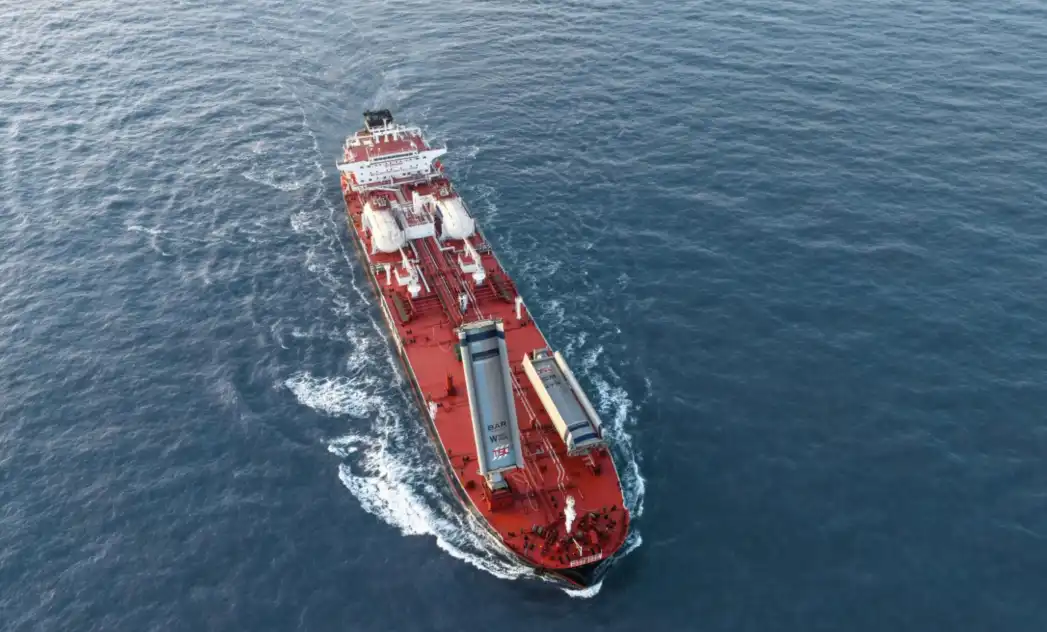
Understanding Safety Challenges in Rigid Wing Sails
Structural and Mechanical Vulnerabilities
The Rigid Wing Sail is hard to use because it has a vertical shape and is exposed to changing wind loads. At the mounting places where the wing joins to the deck, structural pressures build up, especially when there are strong winds or rough seas. There are bending moments and torsional forces in these high-aspect-ratio structures that need careful planning to keep the steel frames from breaking from overuse or the composite panels from coming apart. At action points—hydraulic cylinders, electric motors, and bearing systems that move the wings and flaps—mechanical weaknesses show up. Saltwater spray corrosion speeds up the wear on moving parts, which raises the risk of seizure or displacement.
Crew Safety Risks During Operation
Concerns about worker safety appear during physical inspection, maintenance access, and emergency responses. Crew members who work near spinning parts of the wing are at risk of getting pinched or falling. High winds can suddenly speed up the movement of wings, making the work area on deck dangerous for those who are there. Traditional hand control systems need constant attention, which makes crews tired on long trips. Misjudging the strength of the wind or forgetting to feather the wing during a storm are two examples of human mistakes that can cause structural stress or vessel instability.
Environmental and Operational Incident Triggers
Bad weather is still one of the main causes of incidents. Overloading can happen during sudden changes in the wind, squalls, or typhoon-force circumstances if the automatic safety responses don't work. When it's cold, ice builds up on the sides of wings, which changes their aerodynamics and adds weight that can damage the plane. If a hydraulic line breaks or a monitor stops working properly, the wing could get stuck in a high-load position. When team reaction times are slow to adapt to quickly changing conditions, the flaws of human control become clear. This highlights the need for automated redundancy systems that immediately take protective action.
Automation Technologies Enhancing Rigid Wing Sail Safety
Sensor Networks and Real-Time Monitoring
Modern Rigid Wing Sail systems have multi-layered sensor networks that check operating factors all the time. Anemometers placed at different heights measure the real speed and direction of the wind, while strain gauges built into the structure find unusual stress patterns. When accelerometers pick up on vibrations, they can tell if a bearing is wearing out or isn't balanced. At millisecond intervals, these sensors send data to centralised control processors. This lets predictive maintenance alerts be sent out before a part fails. In hydraulic systems, pressure detectors find leaks, and on electric actuators, temperature sensors keep them from getting too hot.
This has automatic control systems that constantly check for health and safety alarms. This three-element rigid sail uses special software to figure out the best wing position and camber shape for each vessel, reporting power performance in real time. By combining these tracking tools, workers are notified ahead of time about possible problems, like when a hydraulic seal starts to leak or when wind loads get close to critical levels. This lets them take action that avoids accidents.
Automated Trimming and Emergency Protocols
Automation greatly lowers human mistakes by getting rid of the need to make constant adjustments by hand. GPS, vessel heading sensors, and weather route data are used by advanced control systems to figure out where the wings should be placed. The technology changes the flap angles and wing camber automatically to get the most power while staying within safe load limits. When things get too bad to be safe to operate, emergency procedures start without any help from the team. The feathering process turns the wing so that it faces the direction of the wind. This reduces drag and stress on the structure. Some systems have automatic laydown devices that tilt the whole wing structure to a horizontal position. This makes sure that cargo handling equipment can get to the wing without hitting it and keeps it safe from bad weather.
Performance Data from Operational Deployments
Validation in the real world shows that automatic safety methods work well. Bulk ships with Rigid Wing Sail technology have made calls at more than twenty major ports around the world without any safety issues. This gives them experience working in a wide range of weather conditions and sea conditions. DNV and other classification societies have independently checked and confirmed that automatic control systems handle emergencies correctly. Performance data shows that automated trimming systems keep the best aerodynamic efficiency in all wind situations, from close-hauled to beam reach, and they adapt easily as ships change direction. Because these things have been done before, buying managers can be sure that technology will improve both operations and safety.
Crew Control Interfaces and Their Role in Safety Management
Ergonomic Design and Intuitive Operation
Safety management that works depends on control systems that crew members can use with confidence, even when they are under a lot of stress. Modern Rigid Wing Sail systems have control screens on the bridge that show the position of the wings, the wind speed, the amount of power being used, and the health of the system. Touch-screen systems use coloured lights to show when something is normal, when something is dangerous, or when something needs your instant attention. The menus are set up to look like the controls on a deck crane, which cuts down on training time and operating mistakes.
The WindWings® manual operation interface gives crew members tactile feedback through physical controls along with digital screens so they can overrule automatic functions when needed. This two-mode design makes sure that even if the computer system fails, people can still directly control the placement of the wings mechanically. In an emergency, the interface shows simplified choice trees: feather the wing, start the laydown sequence, or trigger the lock mechanisms. Each action can be done with a single button press.
Training Requirements and Competency Development
To get the most out of a safety system, operators need organised training. Certification classes teach the basics of wing aerodynamics, how to use a control system, what to do in an emergency, and how to do routine repairs. Simulations act out failure scenarios like hydraulic leaks, sensor problems, or high winds, so the crew can practise what to do in a safe setting. Ongoing competence tests make sure that employees stay skilled during service shifts. Full training makes staff members more confident in their ability to control automatic systems and lowers the chance that someone will make a mistake at a crucial time.
Balancing Automation with Manual Override Capability
Automation and human control work together in a way that is carefully balanced to keep everyone safe. Routine changes are made by automated systems, which reduces the work of the crew and keeps performance at its best all the time. When things go wrong that aren't expected, like when crossing tight waterways, reacting to nearby ship traffic, or fixing unexpected technical problems, manual override becomes important. Protocols make it clear when crew involvement is needed instead of automation. They also set up power levels that stop directions from clashing. If the electronic systems stop working altogether, the emergency shutdown buttons separate the machine mechanically from the control systems right away. This lets the hydraulics be changed directly.
Integration with Vessel-Wide Navigation Systems
The controls for modern Rigid Wing Sails work perfectly with ECDIS guidance systems, automatic identification systems, and software for weather routes. By connecting wing performance with journey planning, this combination makes you more aware of your surroundings. Weather planning systems look at predicted wind patterns along planned routes and suggest course changes to get the most help from the wind while staying away from dangerous situations. Adding stability systems to the ship makes sure that heel angles stay safe even when wing-generated power changes. Main engines, bow jets, and wing sails all work together automatically to make the most of energy while keeping directional accuracy high. With this all-around method, the Rigid Wing Sail goes from being a separate extra to being an important part of how the ship works.
Comparative Insights: Automated Rigid Wing Sail Safety vs Traditional Sail Systems
Precision and Response Speed Advantages
Automated Rigid Wing Sail systems can respond at speeds that would be impossible to achieve by hand. With traditional soft sails, the crew has to physically change the positions of the sheets, halyards, and travellers, which takes minutes and requires more than one person. Automated systems make similar changes in seconds, reacting to changes in the wind before crew members even realise they've happened. This quick change keeps the best thrust all the time and stops dangerous over-canvassing situations, where too much sail area in stronger winds makes the boat lose its stability. Automated camber control can precisely create aerodynamic shapes that cutting by hand can't match, making the lift-to-drag ratios as high as possible at all wind directions.
Reducing Physical Risks and Crew Fatigue
When team members handle sails by hand, they run the risk of getting line burns, crushing injuries from whipping canvas, and falls from high work positions. The hard work of raising, reefing, and furling sails makes sailors tired over time, which makes them less alert on long passages. When wing systems are automated, these actual tasks are no longer needed at all. Crew members keep an eye on how the system is working from safe spots on the bridge and only step in when necessary. As a direct result, less tiredness leads to better emergency decision-making and lower injury rates across all journey lengths. Larger ships with wind power systems can be safely run by smaller crews because they are easy to operate, like handling deck cranes.
Cost-Benefit Analysis: Investment Versus Long-Term Savings
The initial investment in automated Rigid Wing Sail technology includes the cost of buying equipment, hiring engineers to help with installation, and teaching team members. These beginning costs are balanced out by big savings in the long run. On favourable routes, fuel use drops by up to 30%, which means that, at the current price of oil, running costs drop a lot. Unlike traditional gear, it doesn't need as much maintenance. For example, stretched halyards, worn sails, and rusted turnbuckles don't need to be replaced. The WindWings® system is made to last for twenty-five years without replacing any major parts. Structures can be moved from one ship to another as the fleet changes.
Extreme Weather Performance and Adaptability
Automated Rigid Wing Sail systems are better at adapting to bad weather than conventional human systems. In hurricane-force winds, soft sails become impossible to control and must be taken off completely or risk being flogged badly. When rigid wings are set up, they use feathering modes, which let them rotate easily to follow the direction of the wind. These modes reduce drag and structural loads even when the plane is in survival mode. As the weather gets worse, automated control systems keep changing the positions of the wings to keep the plane safe, running defensive routines faster than the crew can react.
Systems like WindWings® are built to last because they use industrial composite materials and ship-grade steel. They can survive rough seas that would tear regular cloth. Hydraulics and control parts made for marine use don't rust and work efficiently in a wide range of temperatures. Certifications from DNV, Lloyd's Register, and Bureau Veritas, which are classification societies, show that the structure is strong even under the worst stress conditions. Because they are so strong, ships can keep running on seasonal lines that go through tropical, temperate, and cold regions without having to change their equipment.
Maintenance, Installation, and Supplier Considerations for Safety Systems
Preventive Maintenance Strategies
Disciplined preventive maintenance plans are needed to keep things safe and working properly. Sensor calibration accuracy is checked regularly to make sure that the data of wind speed and structure stress stay within acceptable ranges. Fluid analysis is needed on a regular basis in hydraulic systems to find contamination before it damages parts. Electric actuator motors are tested for insulation resistance to make sure they don't break down without warning. Control software gets changes on a regular basis that include new methods and security patches. Visual checks find rust or composite surface damage in its early stages, so it can be fixed before it spreads and weakens the structure.
Professional Installation and Customization Options
Because the installation is so complicated, it needs special engineering to make sure that the structure connection meets the standards of the classification society. Before equipment is delivered, a compatibility study checks the deck's ability to hold weight, the space for goods handling equipment, and the power system's ability to handle it. Factory acceptance testing makes sure the system works before it's shipped, which cuts down on the time needed to set it up on board. On-site assembly processes work with shipyard plans to connect the wing foundations to the vessel frame using approved welding methods.
Selecting Reliable Manufacturers and Suppliers
Buying choices are based on the image, technical skills, and support infrastructure of the seller. Reliable Rigid Wing Sail makers show they have practical experience by having ships in service, along with certificates from classification societies that prove the integrity of the design. Partnerships with well-known marine technology companies, like the one between BAR Technologies and major energy companies, give you access to the latest tools for research and development. Coverage under the warranty should include structural parts, motion systems, and control technology for long enough to be useful. Long-term ownership happiness depends on the infrastructure for after-sales support, such as remote diagnosis, spare parts availability, and emergency expert help. Technology update roadmaps show that manufacturers are committed to always making things better, making sure that systems can use new control methods and monitoring technologies. Communication that is clear about lifecycle costs, upkeep needs, and expected performance levels helps build trust in supplier relationships.
At CM Energy, we know these are important factors when choosing a source, so we've built our services around them. Our TSC brand offers full lifecycle support, from installation to decades of operating service. It includes IoT tracking features that show the health of the system in real time. Our engineering teams work closely with ship owners to create unique solutions that meet the needs of each fleet. This is true whether they are adding wing propulsion to newbuilds or retrofitting old bulk carriers. This way of working together makes sure that safety systems meet operating needs while also providing the fuel economy and emissions cuts that are changing the maritime industry.
Conclusion
Automated Rigid Wing Sail systems use a complex mix of mechanical engineering, sensor technology, and smart control programs to make sure they are safe. These systems solve problems with structure and operation by having multiple tracking systems, quick automated reactions, and easy-to-use crew interfaces that keep humans in charge while getting rid of the need for hand trimming. Automated wing technology is a great way for business owners to reach their decarbonisation goals because it has many benefits over traditional sail systems, such as higher precision, lower crew risk, better economics, and greater resilience in extreme weather. For execution to work well, makers must be dedicated to building quality products, providing full support, and constantly coming up with new ideas. As environmental rules in the marine industry get stricter and fuel prices stay unstable, shipowners and shipyard partners who are looking to the future will see the practical and safety benefits of automated wind power as a key strategy.
FAQ
1. What happens if the automated control system fails during heavy weather?
Multiple levels of safety are built into automated systems to keep them from failing completely. If the main control processors stop working, backup systems use separate power sources and sensor networks to keep important tasks running. Crew members can still bypass mechanical controls that directly control hydraulic systems. This means that the wings can be feathered or laid down even when there is no computer help. As part of emergency shutdown measures, the load can be reduced right away thanks to mechanical locks that keep the wings in safe places. Classification society rules say that these fail-safe systems have to go through a lot of tests before they can be certified. This makes sure that ships can keep control in all likely situations.
2. How does crew training duration compare to traditional sail handling certification?
Usually, training classes for automated wing systems don't take as long as standard sailing certifications. The design of the interface makes it look like the buttons for common deck equipment, so experienced sailors can learn how to use it within days. Training takes about two weeks longer because of the advanced certification that covers emergency methods, maintenance routines, and system diagnostics. This is different from traditional sailing skills, like manually shaping sails, interpreting weather reports, and maintaining gear, which take months of practice to become good at. Simulation-based training helps crews learn faster by putting them in situations they don't normally see during missions.
3. Can rigid wing sail systems integrate with existing vessel management software?
Modern automatic wing systems use standard methods for communication that work with platforms for managing ships. Integration with ECDIS navigation systems lets you plan your trip together in a way that takes wind power into account. Connecting to engine control systems helps hybrid propulsion work better by changing the main engine's output automatically as wind force changes. When data is integrated with fleet management software, teams on land can see how much fuel is being saved, how well systems are working, and what repairs need to be done on all of the boats. This makes sure that wind movement isn't just an extra system that needs to be handled separately, but rather an integrated part of how the ship works.
Partner with CM Energy for Advanced Wind Propulsion Solutions
CM Energy is at the heart of naval energy innovation. They offer integrated wind-assisted propulsion systems that are both safe and work exceptionally well. The WindWings® three-element rigid sail system from our TSC brand is approved by DNV, Lloyd's Register, and Bureau Veritas. It helps business shipowners save up to 30% on fuel while still meeting strict CII requirements. No matter if you run chemical tankers, Newcastlemax bulk ships, LR2 tankers, or coastal ferry fleets, our engineering teams can make solutions that meet your exact business needs and return on investment goals.
Our full lifecycle support includes checking for compatibility, skilled installation, factory acceptance testing, and ongoing upkeep programs backed by IoT tracking infrastructure. As a reliable Rigid Wing Sail seller with decades of experience in naval equipment around the world, we bring our own technologies and high-quality products to every project. Get in touch with us at info.cn@cm-energy.com to talk about how automatic wind propulsion can improve the environmental and economic performance of your fleet.
References
1. International Maritime Organization. (2023). Guidelines for Wind-Assisted Propulsion Systems: Safety and Operational Considerations. IMO Maritime Safety Committee Circular.
2. Det Norske Veritas. (2022). Classification Notes: Wind Assisted Ship Propulsion Systems - Design, Installation and Survey Requirements. DNV Technical Standards.
3. Lloyd's Register. (2023). Guidance Notes on Wind Propulsion Technologies for Commercial Shipping. Marine Technology Directorate Publication.
4. Maritime Research Institute Netherlands. (2022). Automated Control Systems for Rigid Wing Sails: Performance Validation and Safety Assessment. MARIN Technical Report Series.
5. Society of Naval Architects and Marine Engineers. (2023). Structural Analysis of Rigid Wing Propulsion Systems Under Extreme Loading Conditions. SNAME Transactions Journal.
6. Bureau Veritas. (2022). Rule Note: Certification Framework for Automated Wind-Assisted Propulsion Devices. Marine and Offshore Division Guidelines.