Where to Buy Ammonia Fuel Handling System Units
Procurement managers and marine operators have to make a big choice that affects both safety and operating efficiency when they are looking for trusted places to buy ammonia fuel handling equipment. As the marine industry works to cut down on carbon emissions, the market for ammonia fuel supply systems has grown very quickly. To find the best Ammonia Fuel Handling System, you need to compare providers based on their technical skills, ability to follow regulations, and track record of marine experience. Leading makers now offer integrated solutions made just for ships that have to follow IMO environmental rules. This makes choosing a seller more of a strategy exercise than a simple buying task.
Understanding Ammonia Fuel Handling Systems
The maritime industry is at a very important point in the energy shift. As ships look for options to heavy fuel oil and diesel, ammonia has become a very appealing zero-carbon fuel choice. When procurement teams know what these systems are and how they work, they can make choices that are in line with both regulations and business needs.
Core Components and System Architecture
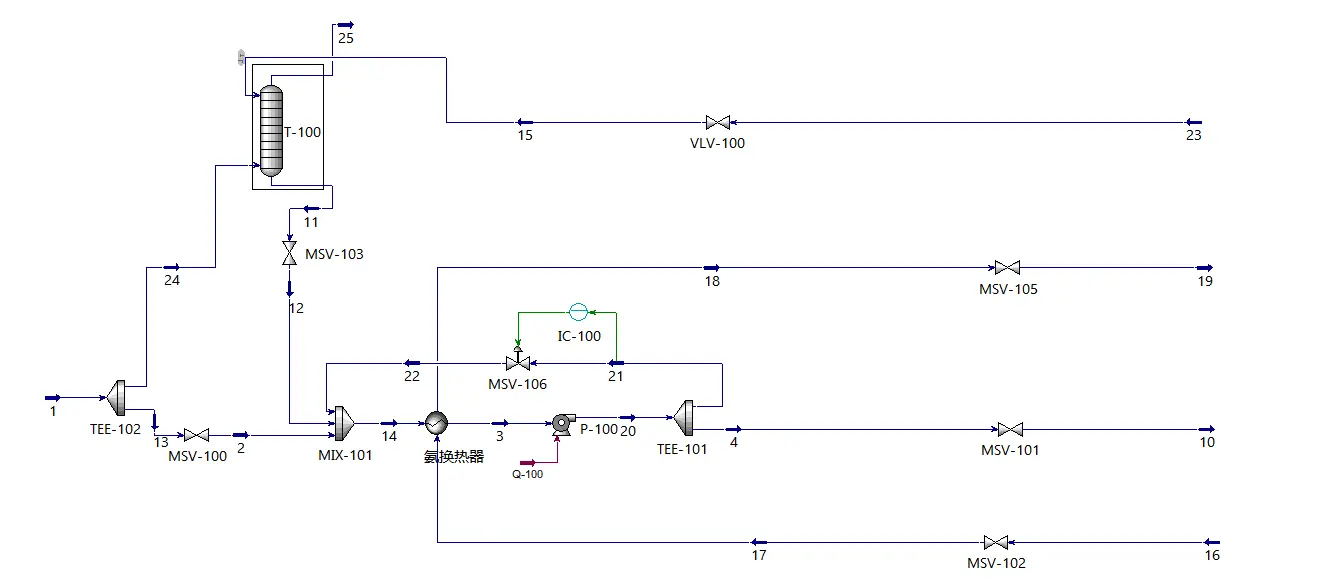
An alkali fuel supply framework incorporates bunkering, capacity, AFSS for fuel planning, and Fuel Valve Units for stream control. Ventilation keeps up discuss quality whereas dormant gas frameworks evacuate oxygen from perilous zones. Off-gas frameworks collect boil-off for reliquefaction or warm oxidation. Alkali setups have more noteworthy complexity than conventional fuel frameworks, requiring providers with specialized marine designing knowledge.
Environmental and Efficiency Advantages
Ammonia combustion discharges no carbon dioxide, supporting IMO's 2050 objectives. Its vitality thickness surpasses compressed hydrogen, making it viable for marine utilize. Capacity at sensible weights disentangles framework. Present day frameworks incorporate warm recuperation to move forward proficiency. Combined with progressed controls, administrators optimize fuel utilize based on courses, bringing down working costs whereas assembly emanation measures and decreasing natural impact.
Safety Protocols and Risk Mitigation
Ammonia dealing with requires numerous security boundaries. Ceaseless spill discovery clusters screen channeling and capacity, activating programmed reactions. Double-walled channels with constrained ventilation capture spills some time recently coming to involved spaces. Crisis shutdown schedules confine fuel tanks and cleanse lines with nitrogen when sensors identify anomalies. Administrator preparing programs cover ordinary operations, crisis reaction, and support, making a security culture that complements specialized measures.
Key Considerations When Buying Ammonia Fuel Handling Systems
When making a buy choice for an Ammonia Fuel Handling System, you need to look at more than just the initial purchase price. The best method strikes a mix between technical skill, following the rules, supplier help, and long-term value. Knowing about these things helps businesses avoid mistakes that cost a lot of money and makes sure projects work the way they're supposed to.
System Types and Application Matching
VLACs and chemical carriers require high-capacity frameworks with broad security reinforcements for long voyages. Seaward bolster vessels and inland stream vessels work on shorter trips, tolerating littler capacities and easier frameworks. Measured plans offer assistance inland vessels fit tight space limitations. PCTC and bulk carrier retrofits advantage from pre-assembled, tried components that diminish establishment time and streamline shipyard integration.
Cost Analysis and Budget Planning
Total possession fetched expands past buy cost. Newbuild establishments ordinarily taken a toll less than retrofits requiring auxiliary adjustments. Operational costs incorporate standard assessments, valve cleaning, and sensor calibration. Fuel cooling gear vitality utilization influences working budgets. Lifecycle monetary modeling comparing net display esteem over anticipated benefit life uncovers genuine taken a toll contrasts covered up by starting cost, frequently finding mid-range choices give way better long-term value.
Supplier Credentials and Certification Standards
Reputable producers hold certifications from DNV, Lloyd's Enroll, or Bureau Veritas, affirming plans meet IGF Code security guidelines. Quality affirmation plans with ISO 9001 illustrate commitment to reliable generation. Ask documentation for welding strategies, non-destructive testing, and fabric traceability. Reference establishments on comparative vessel sorts approve provider capabilities. Talking with existing clients gives coordinate understanding into framework execution and provider responsiveness.
Comparison of Ammonia Fuel Handling Systems and Market Alternatives
Comparing ammonia to other fuels means looking at a lot of different performance factors. Each fuel route has its own benefits, but ammonia's properties make it work especially well with some operating profiles and strategy goals.
Ammonia Versus Hydrogen Systems
Hydrogen requires cryogenic temperatures or extraordinary compression for marine vitality thickness, making complex capacity. Smelling salts remains fluid at moo weights, empowering easier capacity and bunkering utilizing existing fluid cargo foundation. Hydrogen has wide combustibility run and moo start vitality. Ammonia's poisonous quality requests diverse security measures centered on spill control and vapor capture, which numerous marine administrators as of now get it from chemical cargo experience.
Ammonia Versus LNG and Methanol
LNG has lower carbon outflows than overwhelming fuel oil but still discharges nursery gasses. Alkali burns carbon-free, specifically assembly IMO 2050 objectives. Methanol handles additionally to ordinary powers but green methanol generation faces scaling challenges. Alkali can be delivered from green vitality and discuss, advertising adaptable generation. LNG frameworks have built up supply chains whereas alkali establishments speak to more current innovation with advancing best practices.
Where to Buy: Trusted Ammonia Fuel Handling System Suppliers and Manufacturers
To find good sellers, you need to do study on both well-known industrial gas companies and niche marine equipment makers. Multinational companies with decades of experience making ammonia are among the suppliers, as are small tech firms that specialize in marine fuel systems.
Global Market Leaders and Specialized Providers
A number of well-known companies have a lot of experience working with ammonia in marine settings. Their experience running large-scale networks for making and distributing ammonia means that their system designs are strong and their safety rules are thorough. Most of the time, these companies give complete solutions that include planning, equipment supply, installation supervision, and help with commissioning.
As part of CM Energy's portfolio, TSC has created specialized ammonia fuel supply skills based on real-world experience building ships. The company's work on ammonia carrier building and LPG retrofit projects gave them real-world experience that helped them make their own method. TSC's engineering team came up with solutions that were specifically made to deal with the problems that come up in marine power uses. This makes their products different from industrial ammonia handling equipment that has been modified for use at sea.
The company's involvement in zero-carbon laboratory Ammonia Fuel Handling System designs shows its dedication to improving fuel technology beyond its usual uses. Their engineering team stays on top of new best practices and creative ways to solve problems with safety and efficiency because they are involved in research. Customers gain from this kind of forward-looking interaction because it leads to continuous product improvement based on cutting-edge testing environments.
Evaluating Supplier Capabilities
When procurement teams call possible providers, they should look at a number of areas of their capabilities. In this new market, technical detail is very important. Find out how the engineering team is made up, especially if there are any naval architects or marine engineers on it who know how to work in a ship's setting. Suppliers who are only familiar with industrial needs might not think about marine needs like dynamic motion, vibration separation, or the approval processes of the classification society.
Manufacturing ability and the resilience of the supply chain should be carefully looked at. Parts of an ammonia system need special materials, like austenitic stainless steels that don't crack when they're stressed. Check to see if the sellers have approved material sources and can show that the materials can be tracked from the beginning to the end of the manufacturing process. The quality of the welding has a direct effect on the integrity of the system. Ask for proof of the welder's certifications and quality control methods, such as radiographic testing techniques.
How well you can handle a project affects how well an installation goes. Equipment providers, shipyards, engine manufacturers, and classification groups must work together to integrate complex systems. Suppliers with dedicated project managers who have experience with naval installations are better able to handle these relationships with stakeholders. This lowers the risk to the schedule and keeps expensive repairs from having to be done because of misunderstandings or technical problems.
Sourcing Strategies and Network Development
Direct connections with manufacturers have some benefits, especially for fleet operators who plan to add more than one item. Making a promise to buy a lot of something may lead to better prices and faster delivery times. Direct involvement also makes it easier to talk about customization, which lets the system be changed to work best for certain operational types.
Distributor networks offer different ways to get goods, especially for smaller businesses or projects with only one vessel. When compared to factory-direct sales, regional distributors often keep popular parts in stock, which could speed up delivery. These partners may also offer local building help and upkeep services that make things easier for people who run ships.
Industry groups and classification societies are great places to meet other people in your field and find skilled sources. By going to marine technology conferences and decarbonization forums, procurement workers can meet seller representatives and talk to them in person about their skills and project experience. When businesses work together to build relationships, they often get better results than when they just buy things.
Ensuring Long-Term Value: Post-Purchase Support and Maintenance
Buying a system is only the start of the partnership with the seller. Ongoing support services have a big effect on the total cost of ownership and the dependability of operations. Assessing the supplier's dedication to providing help after installation should play a big role in the choice process.
Maintenance Contracts and Technical Support
Comprehensive repair deals make business budgeting less uncertain. Most of the time, these contracts include regular inspections, preventative maintenance, and early access to expert help. Because ammonia fuel systems are so specialized, being able to rely on factory-trained techs is a great way to lower risk, especially in the beginning when crews are still getting to know each other.
Support works better when it can be monitored from afar. Access to practical data, spotting problems before they happen, and suggesting preventative actions are all possible with modern systems that are connected. This method to predictive maintenance cuts down on unexpected downtime and increases the useful life of parts by planning repair at the best time.
To make sure spare parts are available, you need to plan ahead. Critical parts with long lead times should be found during purchase, and extra parts should be stocked up before the ship is put into service. Maintaining regional parts stores by suppliers lowers emergency shipping costs and the risk of a vessel not being available for hire. During the seller selection process, make sure that promises about parts availability and expected shipping times are clear.
Operator Training and Competency Development
Crew training that works for an Ammonia Fuel Handling System goes beyond teaching them how to operate the system. Comprehensive programs cover normal operating methods, routine maintenance jobs, ways to fix problems, and how to respond in an emergency. Hands-on training with real tools or high-fidelity models is better for improving skills than just learning about them in a classroom.
Certification programs make sure that team members can do their jobs and meet the training standards set by the government. As the use of ammonia fuel grows, flag states and classification societies will set specific skill standards for the people who run these systems. When ship managers work with providers that offer approved training programs, they can stay ahead of changing government requirements.
As methods change, it's important to keep improving your skills. Software updates, changes to equipment, and lessons learned from operations across the whole industry mean that training needs to be refreshed every so often. Suppliers that care about their customers' success offer chances for ongoing education that keep crew skills up to date for as long as the system is in use.
Environmental Monitoring and Impact Reduction
Advanced spill location past essential gas sensors incorporates infrared imaging and differential weight observing. These stacked strategies empower prompt mindfulness of minor spills for incite repair. Vapor capture frameworks collect boil-off gas for reliquefaction. Warm oxidation units break down smelling salts into nitrogen and water vapor when reliquefaction is not conceivable. Provider strategies influence both natural execution and operational complexity.
Conclusion
In conclusion, when looking for ammonia fuel supply equipment, you need to carefully consider the technical skills, provider qualifications, and long-term support promises. The process of reducing carbon emissions in the maritime business gives ship owners both chances and problems. Procurement teams can make this technology change go smoothly if they understand how systems work, compare fuel options in an unbiased way, and work with qualified sellers early on in the planning process. As the use of ammonia in marine applications grows, the landscape of suppliers is changing quickly.
It is important to do thorough research and build relationships in order to find trusted partners that can provide safe and efficient operations for Ammonia Fuel Handling System throughout the lifecycles of systems.
FAQ
1. What vessel types can use ammonia fuel systems?
A lot of different marine tasks can be done with ammonia fuel devices. Very Large Ammonia Carriers (VLACs), chemical trucks, and LPG carriers are likely to be early users because they already carry ammonia. For environmental reasons, more and more crude oil ships, including VLCC and ULCC types, are thinking about using ammonia power. Ammonia fuel technology can help bulk carriers of all DWT levels, Pure Car/Truck Carriers, offshore support vessels, and even inland river vessels that work on major waterways. Each application needs a system that is tailored to its needs based on area limitations, operational profiles, and legal requirements.
2. How long does system installation typically require?
Installation times depend on the type of vessel and whether the job is a new build or a repair. When newbuild installations are part of building schedules, they usually need specific installation periods that last for a few weeks. Activities that happen at the same time help keep delivery dates on track. Due to structural changes and integrating new systems with old ones, retrofit projects often take longer than planned. Depending on how complicated they are, construction phases can last for months. Modular system designs cut down on installation time by sending factory-tested, pre-assembled equipment that only needs to be connected and turned on.
3. What maintenance intervals do these systems require?
Maintenance schedules follow manufacturer and class society requirements. Quarterly checks examine valve operation, sensor calibration, and leak detection. Annual maintenance includes thorough component inspections, pressure tests, and control system verification. Major overhauls align with dry docking for pipe and tank integrity checks. Proactive maintenance contracts often include condition-based maintenance, adjusting service intervals based on actual system performance rather than rigid schedules.
Partner with CM Energy for Reliable Ammonia Fuel Supply Solutions
Through its TSC brand, CM Energy is ready to help ship owners make the switch to ammonia fuel smooth. Our self-made ammonia fuel supply system is based on real-world experience building ammonia transport boats and carrying out LPG upgrade projects. We have provided 19 ship sets of clean fuel supply systems and cargo handling systems that have been used with methanol, LNG, and ammonia, showing that we are experts in new fuel technologies. We know the technical and practical problems fleet operators face because we are an Ammonia Fuel Handling System provider that offers full lifetime support, from the initial design to manufacturing, installation, and full after-sales service. Email our team at info.cn@cm-energy.com to talk about how our unified method can help your vessel meet its needs and achieve its operations goals.
References
1. International Maritime Organization. (2023). "Guidelines on Alternative Low-Flashpoint Fuels for Maritime Applications." IMO Technical Standards Division, London.
2. Maritime Research Institute. (2024). "Ammonia as Marine Fuel: Safety Protocols and Operational Best Practices." Journal of Maritime Engineering and Technology, Volume 18, Issue 3, pp. 145-178.
3. Classification Society Technical Committee. (2023). "Requirements for Ammonia Fuel Supply Systems on Ships." International Association of Classification Societies, Unified Requirements Publication.
4. Green Shipping Research Consortium. (2024). "Comparative Analysis of Zero-Carbon Maritime Fuels: Technical and Economic Assessment." Marine Decarbonization Institute, Rotterdam.
5. Naval Architecture and Marine Engineering Association. (2023). "Design Standards for Alternative Fuel Handling Systems in Commercial Vessels." NAMEA Technical Publication Series, Volume 42.
6. Sustainable Maritime Fuels Alliance. (2024). "Ammonia Bunkering Infrastructure Development: Global Market Analysis and Forecasts 2024-2030." Industry Market Intelligence Report, Singapore Maritime Foundation.