How Marine Cranes Improve Cargo Handling Efficiency?
By offering exact, dependable lifting solutions made especially for marine settings, Marine Cranes revolutionize cargo handling efficiency. These specialized systems significantly reduce loading and unloading times while enhancing operational safety across vessels and offshore installations. Modern features like wire rope luffing systems, electrohydraulic power units, and integrated control systems make it possible for goods to move smoothly even when the sea conditions are rough. This directly cuts down on the time it takes for ships to turn around and the money they spend on running their businesses.
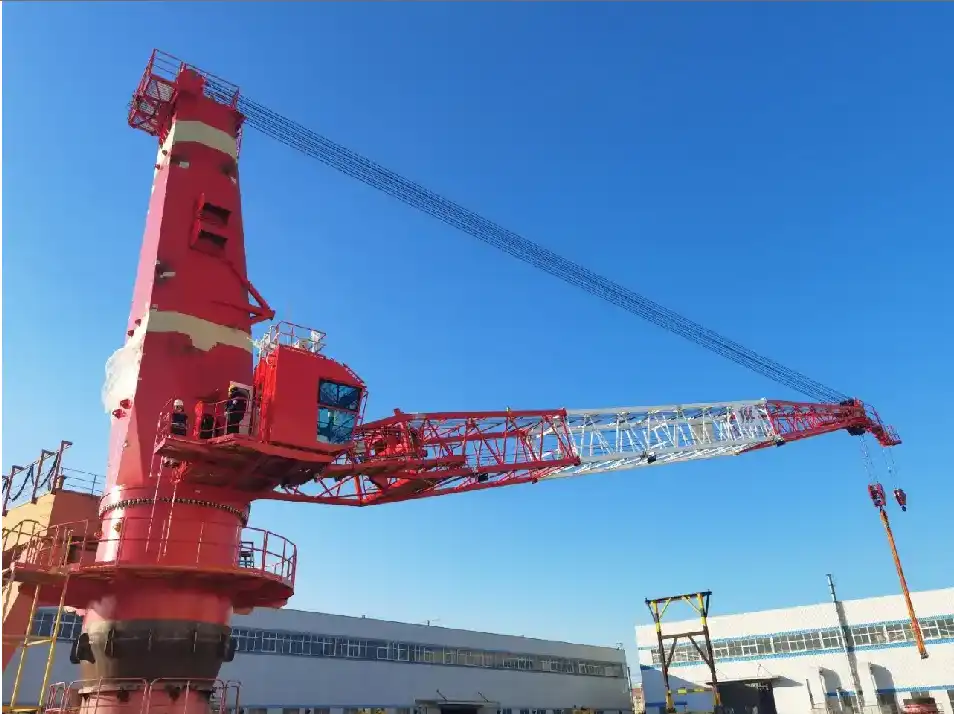
Understanding Marine Cranes and Their Components
The maritime business relies heavily on Marine Cranes to move goods quickly and safely. These high-tech lifting systems are made up of many parts that all work together to give great performance in harsh ocean conditions.
Core Components and Working Principles
Three important parts make up the structure of most modern lifting equipment: booms, winches, and hydraulic systems. The main lifting structure is the boom, which is made of welding double-stringers that offer maximum strength while reducing dead weight. Winches move goods precisely by using variable speed controls. This lets workers handle fragile equipment with accuracy down to the millimeter level. Electrohydraulic power units are what these systems are built around and make sure that all of their functions are powered consistently. TSC marine lifting systems have built-in power packs that protect important parts from the tough marine climate while keeping the systems running smoothly. These power packs house the hoisting, luffing, and slewing gears inside protected crane towers.
Types and Applications Across Maritime Operations
To be most efficient, different types of vessels need different ways to be lifted. Wire rope luffing systems work best when there is a lot of deck room for long boom operations. This makes them perfect for bulk carriers and offshore support vessels. These systems can be used instead of standard knuckle boom or telescoping versions, and they can carry more weight. The precise control that modern crane systems offer makes it possible for offshore wind turbine installation platforms to place large parts correctly during building. These systems are used by FPSO units and VLCC tankers for daily cargo operations, where dependability is very important for keeping up with plans.
Identifying Efficiency Bottlenecks in Traditional Cargo Handling
Maritime operations face many problems that affect the amount of goods they can move and how efficiently they run. Knowing about these limitations helps buying professionals decide what to do when they need to upgrade their lifting tools.
Manual Control Limitations and Equipment Constraints
In traditional crane operations, controls are often done by hand, which leaves room for mistake and lowers the level of accuracy. Slower cycle times and less pulling power are caused by old equipment that causes major bottlenecks. These restrictions have a direct effect on the time it takes for ships to turn around, which causes delays all along the supply chain. Due to limitations on load capacity, workers have to do multiple lifts of goods when modern equipment could do it all in one. This method not only takes longer to load, but it also raises the risk of damage to the goods and safety problems.
Operational Cycle Inefficiencies
Older lifting systems have slow operating cycles, which are especially bad when they need to make complicated moves for offshore sites. Deep-sea rescue and salvage actions need to be able to move quickly, which is something that standard equipment can't do. When moving goods quickly, boats and barges that work for port service vessels face similar problems. Differences in the skills of the operators add to the factors that affect how efficiently the business runs. Crew members who don't always do the same amount of work lead to uncertain loading times and higher safety risks during important operations.
Optimizing Marine Crane Usage to Boost Cargo Handling Efficiency
Maximizing the performance of marine cranes requires a complete approach that includes teaching operators, following upkeep procedures, and choosing the right equipment strategically. These methods for optimization directly lead to more efficient handling of cargo and lower running costs.
Best Practices in Operation and Training
Crane operations work best when operators get thorough training that meets ISO approval standards. TSC stresses thorough training programs that cover both normal operations and emergency methods. This way, workers can keep performing at their best in a variety of situations. Efficient ways of handling loads focus on doing several things at once. This lets skilled workers mix hoisting, luffing, and slewing moves to make cycle times shorter. Soundproofed and resiliently hung rooms make working conditions comfortable for operators, which keeps them from getting tired during long operations.
Maintenance and Monitoring Strategies
The way preventive repair is done has a big effect on how well operations run and how reliable the equipment is. Regular checks of hydraulic systems, wire rope parts, and structural parts keep them from breaking down without warning, which could stop cargo operations. A key feature of modern crane designs is that regular repair points are easy to get to. This lets checks be done quickly without stopping work. IoT-enabled condition monitoring systems show how well equipment is working in real time, so repair teams can fix problems before they affect activities. To make the best use of repair plans, these systems keep an eye on changes in hydraulic pressure, temperature, and load.
Strategic Equipment Selection
Procurement managers can get the most out of their fleets by choosing the right crane setups based on the type of cargo and the vessel's specs. Offshore support boats that take care of specialized equipment need different standards than bulk carriers that carry 40,000 to 400,000 DWT of cargo. For LNG and LPG ship deck operations, you need parts that won't explode and better safety systems that follow rules for dangerous environments. Heavy component assembly work in shipyards is helped by longer booms and higher capacity ratings that can handle handling of large goods.
Comparing Marine Cranes for Informed Procurement Decisions
When choosing lifting equipment that meets business needs and provides long-term value, B2B procurement workers have to look at a number of factors. Making good choices about what to buy depends on knowing what the company can do, what the certification standards are, and what the support networks are.
Leading Manufacturers and Quality Standards
For the offshore business, TSC designs and makes high-quality, custom lifting solutions using the newest technology to meet a wide range of practical needs. The company's engineering team is made up of qualified experts with a lot of experience in marine uses. They make sure that each system meets the needs of each vessel. Certifications from classification societies like CCS, DNV, ABS, BV, and LR show that the quality and safety of the tools meet certain standards. These certifications make sure that international marine rules are followed and give operators faith in the reliability of their tools around the world.
Financial Considerations and Procurement Options
Choosing the right equipment means weighing the costs of the original investment against the benefits it will bring in the long run. Modern systems are made to last 25 years, which makes up for their higher initial costs by requiring less upkeep and working more efficiently. Low lifecycle costs come from strong building with high-quality parts and flexible designs that make upkeep easier. With custom order and delivery choices, buyers can be very clear about what they need to run their business. TSC offers a full range of services, from analyzing what the customer wants to factory assembly, acceptance testing, and installation on board, making sure that the new systems work well with the ones that are already there.
Dealer Networks and Support Services
Working with verified dealers and reliable providers makes the buying process easier and makes sure you can get expert help and replacement parts. Comprehensive quality systems, such as ISO approval and DNV welding plant standards, show that a maker is dedicated to doing a great job. Remote troubleshooting and built-in monitoring systems make it possible to fix operating problems quickly, reducing downtime during important cargo operations. These support services are very helpful for ships that are working in remote areas where they might not be able to get quick expert help.
Enhancing Cargo Handling Efficiency Through Safety and Compliance
Safety and following the rules have a direct effect on working efficiency because they keep things running smoothly and avoid accidents. Modern marine cranes have high-tech safety features that keep workers safe while keeping the machines working.
Essential Safety Technologies and Standards
Load moment indicators and overload safety systems keep the workplace safe by avoiding hazardous situations that could damage goods or cause equipment to break down. When safe working loads are exceeded, these systems stop activities immediately, keeping both tools and people safe. Anti-collision devices are especially useful on ships that have more than one crane working at the same time. Designs that are resistant to the weather allow operations to continue even when the sea conditions are rough, which extends the time that goods handling activities can be done. When you build something enclosed, it keeps important parts from getting wet with saltwater and keeps working reliably in all kinds of weather.
Risk Mitigation and Compliance Strategies
Regular safety audits and up-to-date training for operators make sure that operators are following the latest safety rules and keeping operations running smoothly. Strong defense systems keep accidents from happening by systematically assessing risks and coming up with ways to lower those risks that are specific to each operating setting. Full certification programs check both the equipment's abilities and the skills of the operators, making sure that safety standards are the same across all marine activities. These programs show a dedication to safe operations while giving regulatory authorities the paperwork they need.
Conclusion
Marine cranes are important pieces of equipment for moving goods quickly and efficiently, and they offer new ways to solve old problems in the workplace. These days, modern systems like those made by TSC work well and reliably thanks to new design elements like wire rope luffing systems, built-in electrohydraulic power units, and full safety systems. Investing strategically in good lifting equipment increases the amount of cargo that can be moved, the safety of operations, and the productivity of the fleet in a wide range of marine uses.
FAQ
1. What factors determine marine crane capacity selection for specific vessels?
The choice of capacity relies on the maximum weight of the goods, the operating radius, and the amount of deck room that is available. The right capacity rates are based on the ship's specs, which include stability estimates and structural load limits. To make sure safe operation in changing conditions, safety gaps usually say that a crane's capacity should be 25–30% higher than its maximum estimated load.
2. Which maintenance practices minimize downtime for marine lifting equipment?
Unexpected breakdowns can be avoided with planned preventative maintenance that checks the health of the hydraulic system and follows inspection and cleaning plans for the wire ropes. Peak performance is kept up by checking for wear at key spots on a regular basis and replacing parts as directed by the maker. Condition-based monitoring tools let you know about problems early on, before they affect activities.
3. How have recent technological advancements improved cargo handling efficiency?
Compared to traditional systems, automation features like simultaneous multi-function operation cut cycle times by a large amount. Digital integration makes it possible to precisely measure load and do remote repairs that improve performance and keep equipment from breaking. With step-less controls, advanced control systems make operation easier, which makes operators more productive and cuts down on the time it takes to move goods.
Partner with CM Energy for Advanced Marine Crane Solutions
CM Energy stands as your trusted marine cranes manufacturer, delivering cutting-edge lifting solutions through our TSC brand that transform cargo handling operations. Our global offshore drilling equipment coverage exceeds 25%, with over 350 deck cranes and 180 self-elevating platforms worldwide utilizing our technology. With 159 authorized patents including 10 invention patents, we provide tailor-made solutions backed by comprehensive quality systems and classification society certifications from CCS, DNV, ABS, BV, and LR. Contact our expert team at info.cn@cm-energy.com to explore customized procurement options and discover how our innovative marine lifting solutions can enhance your operational efficiency and reliability.
References
1. International Maritime Organization. "Guidelines for Marine Lifting Appliances and Cargo Handling Systems." Maritime Safety Committee Publication, 2023.
2. Society of Naval Architects and Marine Engineers. "Advances in Offshore Crane Technology and Safety Standards." SNAME Technical Journal, Vol. 45, 2024.
3. Classification Societies International. "Certification Requirements for Marine Lifting Equipment in Offshore Operations." CSI Standards Publication, 2023.
4. Maritime Technology Research Institute. "Efficiency Analysis of Modern Marine Crane Systems in Cargo Handling Operations." MTRI Technical Report, 2024.
5. Offshore Engineering Association. "Best Practices for Marine Crane Operation and Maintenance in Harsh Environments." OEA Guidelines, 2023.
6. International Association of Marine Contractors. "Safety and Efficiency Standards for Offshore Lifting Operations." IAMC Technical Bulletin, 2024.