How Does an AFSS Maintain Performance in Varying Sea States?
Ammonia Fuel Systems function with sea level fluctuations. This is done using superior fuel sloshing, sound dampening, and flow control engineering. When ships operate in stormy seas with plenty of wave motion, combustion safety and system purity are the biggest issues. Naval Ammonia Fuel Systems include stronger storage tanks, clever tracking systems, and additional safety elements to counteract ocean travel's fluctuating pressures. These systems employ specific tank baffling constructions, non-moving mounting arrangements, and real-time pressure management to maintain fuel delivery regardless of vessel movement. Even when wave-induced acceleration alters fuel distribution, temperature-controlled storage and adaptive injection timing maximise combustion efficiency. This gives VLACs, VLECs, and other commercial ships in tough marine settings dependable zero-carbon propulsion.
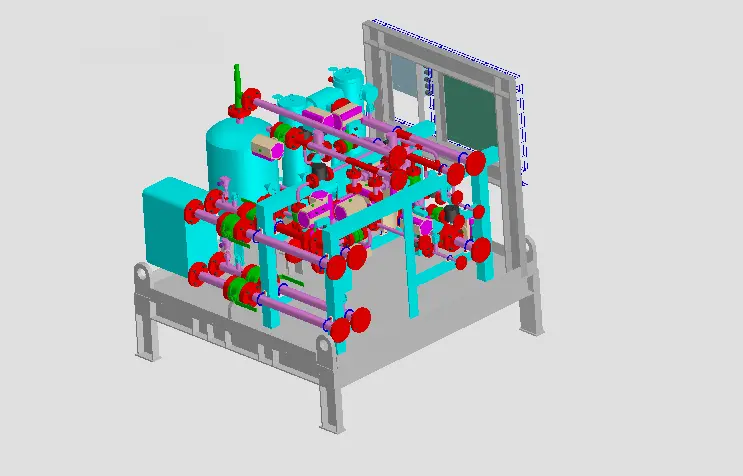
Understanding the Challenge: How Sea States Impact AFSS Performance
Marine activities put fuel supply systems under constant stress from the environment, which can hurt their safety and performance. When ships go out into open water, they can find conditions that range from calm to rough, with huge differences in wave heights and how the water moves.
The Dynamic Forces Acting on Marine Fuel Systems
Ocean waves move in six different ways, which are pitch, roll, yaw, heave, swing, and surge. These movements have a direct effect on the tools used to move fuel. These movements create acceleration forces that make liquid ammonia bounce around in storage tanks. This causes changes in pressure and an uneven spread of fuel. The rates of vibrations that travel through the ship structures can wear down pipe connections, valve seats, and mounting brackets over time. This problem is especially bad for Very Large Ammonia Carriers and chemical tankers, whose large cargo amounts make sloshing effects worse. These ships need strong system designs that keep them running smoothly, no matter how rough the sea is.
Critical Performance Factors Under Variable Conditions
When the movement of the sea changes the way fuel flows, combustion stability is the most important thing to think about. Because ammonia has special qualities, like a high auto-ignition temperature and a narrow range of flammability, it needs exact delivery parameters that are hard to keep up when wave action upsets the system's balance. Changes in the pressure in the feed lines can affect the speed and quality of the injection, which can have an effect on the engine's performance and emissions. The stability of storage tanks is further tested by repeated stress cycles from waves, which check the strength of materials and the efficiency of seals. When procurement managers look at fuel supply options, they need to be aware that poor performance in rough seas directly affects operational costs through lower efficiency, more maintenance needs, and the chance of safety incidents that could stop ships during important commercial operations.
Core Technologies Enabling AFSS Stability in Varying Sea States
Using decades of experience with liquid gas ships and building dual-fuel vessels, engineers have come up with a lot of new ways to keep systems running smoothly in rough sea conditions. Modern methods use many layers of technology that work together to keep the purity of the fuel supply.
Advanced Storage and Containment Systems
Tank design is the basis for safe running in all kinds of sea conditions. Ammonia Fuel System. Modern storage layouts use internal divider systems to divide tank sizes, which lowers the amount of liquid movement when the vessel moves. These barriers spread out the wave energy in the fuel mass, which lowers the risk of pressure spikes that could damage parts further downstream. Temperature control systems keep ammonia in the best conditions for storage, which are usually semi-refrigerated conditions that balance saving energy with keeping things safe. Tank mounting systems have vibration isolation elements like elastomeric supports and damping kits that keep storage tanks from being affected by high-frequency hull noises while keeping the structure's stability under both static and dynamic loads. When choosing materials, stress crack prevention and rust resistance are given top priority. Specialised steels are used that can handle both mechanical forces and the chemical properties of anhydrous ammonia for long periods of time.
Intelligent Flow Control and Monitoring
Monitoring a system in real time lets it adapt to changing working conditions. Throughout the fuel supply lines, sensors pick up on changes in pressure caused by vessel movement. This sets off automatic changes in pump speed and valve setting to keep delivery parameters stable. Flow meters constantly report how the ammonia is moving through the system. This lets control programs fix changes in pressure caused by speeding up before they affect the burning process. Modern fuel injection systems made for naval engines that use both petrol and diesel have timing changes that take changing supply pressures into account. This keeps the quality of the fuel atomisation and the efficiency of the combustion process even when the input conditions change. When inert gas systems are added to vital areas, they create safe atmospheres that lower the risk of explosions while keeping enough air flow in machinery rooms where ammonia vapour could build up.
Comprehensive Safety Architecture
Modern fuel delivery systems include real-world operational conditions at sea in addition to obeying the laws. Leak detection networks use gas and liquid detectors in crucial locations to prevent ammonia leaks. Manual triggers, automated sensor alarm responses, and remote start are all ways emergency shutdown systems function. This allows the system to function successfully even if the major control systems fail. Water screens and vapour treatment systems collect and neutralise ammonia to prevent it from accumulating in machine areas. Double-walled pipelines contain leaks and transmit them to controlled treatment systems as opposed to the environment. This eliminates the ammonia fuel toxicity issue while giving operating flexibility in varied sea conditions. Experience from ammonia transport vessel building and LPG fuel system refurbishment projects helped TSC create these sophisticated technologies. Our engineering staff recognises that theoretical designs must operate reliably in harsh sea circumstances.
Comparing AFSS Performance with Other Marine Fuel Systems Under Variable Conditions
Business requirements and fleet characteristics may guide procurement experts' fuel technology decisions when they understand how sea state affects them. Each fuel has unique handling characteristics that impact how difficult, safe, and dependable the system is in changing maritime environments.
Due to years of improvement, diesel fuel systems are easy to maintain and operate better. Liquid petroleum fuels don't change phase when tank pressure changes and remain solid at many temperatures. The crew knows the infrastructure, so maintenance is simpler, and training is less. However, using petrol emits a lot of carbon, which conflicts with the marine sector's greenhouse gas emission regulations. Global carbon pricing regimes raise gasoline prices. Conventional propulsion ships' long-term economics are affected.
Business ships employ LNG systems, the most modern alternative fuel technology. Compared to petrol, natural gas emits less and is more efficient. Storing stuff at freezing temperatures is challenging, but tried-and-true tank designs and safety requirements make it safer. Sea conditions largely impact LNG systems' boil-off gas handling because heat arriving during stormy seas accelerates vapour generation that must be re-liquefied or burnt. Major ports' bunkering infrastructure simplifies frequent refilling trips.
While hydrogen fuel systems promise to create no carbon dioxide, they have several issues in boats. Storage requires extreme cold or high-pressure confinement. Both are heavy and take up space, limiting business ship cargo. Hydrogen storage levels must be substantially larger than those of other fuels due to energy density restrictions. This is a concern for ships since room use impacts revenue. Bunkering infrastructure is rare at commercial ports, thus it can only be utilised for specialised duties and not for broad maritime service.
Ammonia Fuel Systems are unique because they emit no carbon and are simple to manage for corporate marine applications. Keeping it cold near air pressure or under pressure at ambient temperature is a compromise between hydrogen's extremes and diesel's simplicity. Most ships can fit since energy density is greater than that of hydrogen but lower than that of fossil fuels. Hydrogen doesn't have naval fuel delivery networks, ammonia's agricultural infrastructure can be employed. Ammonia Fuel System designs leverage decades of expertise operating ammonia carriers and proven fuel supply management and handling technology. This operational history improves performance in diverse sea conditions since tank designs and safety systems have improved to handle the challenges of carrying ammonia over maritime routes in poor weather. Because ammonia is so toxic, leaks must be prevented and personnel protected. Marine ammonia management may be adapted and improved from industrial processes.
Best Practices and Solutions for Maintaining AFSS Performance in Varying Sea States
A marine fuel system's long-term dependability depends on well-thought-out design choices, proper installation, and proactive upkeep plans that take into account the specific needs of maritime service. To get the best return on investment with the least amount of downtime, procurement workers should use a wide range of capability factors to assess possible suppliers.
System Architecture and Design Philosophy
In marine uses, where limited room and difficult installation can slow down and cost more, modular system designs are very helpful. When prefabricated fuel supply modules with storage, pumping, vaporisation, and control systems built into factory-assembled units arrive at ports, they are ready to be installed with little work needed on-site. This method lowers the risk of building, boosts quality control, and speeds up project completion dates. Redundancy in important parts like pumps, control valves, and tracking sensors makes sure that single-point breakdowns don't stop the vessel from working. This is especially helpful for offshore support vessels and FPSOs that work in remote areas where repair resources may be limited. When TSC designs a system, they focus on actual installation issues they've learned while building dual-fuel boats and liquefied gas carriers, where integration problems have a direct effect on the success of the project.
Material Selection and Construction Quality
For parts to last in naval service, the materials must be carefully chosen so that they are compatible with ammonia and can handle the mechanical forces of being installed on a ship. Stress corrosion cracking is a known failure mode in ammonia service that can compromise containment integrity. To stop it, the right heat treatment must be applied to carbon steel tanks. Copper-bearing alloys rust quickly in ammonia environments, so piping systems don't use them. Instead, they use stainless steel or properly treated carbon steel for all areas that come into contact with fluids. Checking the suitability of gasket materials, valve packings, and seal parts is necessary to make sure they will work well over time when exposed to ammonia, changing temperatures, and mechanical vibrations. Quality assurance methods, such as non-destructive testing of welds, pressure testing of assembled systems, and material verification protocols, give users faith that the systems they have put will work well for as long as they are used.
Maintenance Strategies for Long-Term Reliability
Naval fuel system-specific preventative maintenance procedures reduce unexpected downtime and extend part life. Pump and compressor vibration tracking detects mechanical issues before they become catastrophic. This permits scheduled maintenance windows to be repaired, not emergencies. Regular inspections of fixing systems, pipe supports, and vibration isolators reveal wear and deterioration that might render the system unstable in heavy seas. Sensor calibration, verifying leak detection and process monitoring systems, maintains the safety margins incorporated into them at design. Regular training programs on system usage, checks, and emergencies keep team members safer and help identify issues early.
We have solved problems for chemical tankers, bulk carriers, and offshore support boats whose business depends on reliability. From design to installation, commissioning, and service support, our engineering expertise spans the lifecycle. It offers procurement managers one person to blame for system performance. The firm has delivered clean fuel supply systems and cargo handling solutions in complex maritime situations where theoretical knowledge must be transformed into dependable gear that works in difficult conditions.
Future Developments and Procurement Insights for AFSS in Marine Applications
The marine industry is at a turning point where environmental concerns, government rules, and new technologies are coming together to change how fuel is chosen for new ships and upgrades to current fleets. Procurement experts can make investment decisions that will work for decades by understanding new trends and evaluation standards.
Technology Evolution and System Capability
The next step forward in system stability is predictive maintenance, which is driven by machine learning algorithms. Sensor data gathered during normal operations goes into analysis models that find trends that happen before a component fails. This allows condition-based maintenance, which reduces unplanned downtime and makes the best use of extra parts inventory. When fuel delivery systems are connected to a ship's overall energy management platforms, it's possible to improve efficiency by coordinating the needs for propulsion with those for extra power generation and cargo handling to use the least amount of fuel possible overall. Hybrid configurations that combine Ammonia Fuel Systems with battery energy storage or fuel cell supplementation may give vessels that have a wide range of missions more options. This is especially true for offshore support vessels and Pure Car/Truck Carriers whose power needs change over time.
Supplier Evaluation and Selection Criteria
More than cash is needed to buy complicated naval systems. Consider total ownership costs and operational risk. Supplier maritime application expertise implies implementation possibilities. Companies that have built petrol carriers, chemical tankers, and dual-fuel boats know the rules, classification society expectations, and ground realities, which influence project success. Manufacturing capacity and quality control systems show whether suppliers can meet strict marine fuel service requirements, which may impact safety and the environment. After-sales support networks including replacement parts, expert help, and emergency response, impact vessel uptime. Commercial operators whose customers' pleasure and earnings depend on timeliness suffer most.
CM Energy has the greatest experience making liquid petrol carriers and chemical vehicles with strict fuel handling system safety and reliability standards. Our services include LPG cargo installations, methanol, LNG, and ammonia fuel supply. Purchasing managers have cross-platform expertise, production, and scale economies. Delivery of practical ship systems goes beyond theoretical concepts and involves commercially available hardware. By working on zero-carbon lab projects, we stay abreast of ammonia fuel technology and provide affordable commercial maritime solutions.
Economic Considerations and Investment Analysis
A total cost of ownership study must include installation, operating, and maintenance costs throughout the expected service life. Given decreasing fuel prices (especially as carbon pricing mechanisms develop) and cleaner combustion, ammonia fuel systems cost more than diesel systems but need less maintenance. Retrofitting existing boats requires consideration of modification costs, downtime, and load capacity following fuel system installation. New construction projects install hull fuel systems. This reduces installation costs and maximises tank and equipment space.
Vessel commerce and flag state regulations determine compliance costs. Non-air-quality fuel ships pay more in carbon-controlled locations. Investment in zero-carbon fuel capability protects you from regulatory changes that may require expensive repairs or limit vessel commerce. Procurement professionals may evaluate fuel system investments against business goals and risk tolerance when they grasp these economic factors in specific operational situations. They might evaluate initial capital cost against operational sustainability.
Conclusion
Engineering solutions specialised to marine operations are needed to maintain the ammonia fuel delivery system under various sea conditions. Modern fuel storage design with internal baffles, vibration-isolated mounting systems, and clever flow management maintains fuel supply steady as the vessel moves. Safety designs include leak detection, emergency shutdown, and vapour treatment systems to protect personnel and the environment while operating. Ammonia systems have no carbon emissions, are simple to manage, and benefit from infrastructure more than other maritime fuels. Buyers should consider a supplier's maritime construction expertise, complete lifecycle support, and successful operations. As the marine industry accelerates carbon emission reduction, fuel system investments now will affect ship competitiveness and compliance for decades. Long-term company performance in shifting global shipping marketplaces requires rigorous research and supplier selection.
FAQ
1. How does an Ammonia Fuel System ensure safety during rough sea conditions?
Safety measures include a number of backup systems that are especially made for marine settings that change quickly. Any possible leaks are sent to controlled treatment systems by double-walled pipes, which prevent direct release. When the amount of ammonia in the air goes over safe limits, gas detection networks placed throughout the machinery areas start automatic emergency shutdown processes. Water curtain systems and vapour scrubbers neutralise ammonia that is released, so dangerous buildups don't happen, even when the vessel is moving very quickly, which could compromise primary containment. An Ammonia Fuel System must maintain integrity through these integrated layers of protection.
2. Can existing vessels be retrofitted with ammonia fuel capability?
The ability to retrofit relies on the type of vessel, the amount of space that is available, and the needs of the business. There are a lot of chemical ships, bulk carriers, and offshore support boats that are structurally and mechanically designed in a way that makes installing a fuel system possible. Adding holding tanks, fuel supply equipment, and safety systems to current engines and changing them so they can run on both types of fuel is part of the process. TSC has built up its retrofitting skills through projects that changed LPG fuel systems to ammonia systems. This real-world experience helps them put ammonia systems on working ships.
3. What maintenance requirements do these systems impose on vessel operators?
Regular maintenance focuses on parts that are easily damaged by vibrations, like pumps, valves, and mounting systems that are put under a lot of mechanical stress when the ship is running. Sensor calibration testing makes sure that leak detection stays accurate over time. System stability is maintained by checking the inside of tanks, the supports for pipes, and safety gear on a regular basis. Compared to regular diesel systems, installing ammonia systems requires special steps. However, they benefit from cleaner combustion, which shortens the time between engine repair visits, partly making up for the extra care needed for the fuel system.
Partner with CM Energy for Advanced Ammonia Fuel System Solutions
CM Energy (TSC) offers tried-and-true Ammonia Fuel System solutions that are built to work reliably in the harsh conditions of business maritime activities. Our independent research is based on years of building ammonia transport ships and retrofitting LPG fuel systems. This gives us the practical knowledge to make strong hardware that can be used on VLACs, chemical tankers, offshore support vessels, and other types of commercial vessels. We provide integrated services that include planning, manufacturing, installation, and full after-sales support to make sure that systems work well throughout their entire operating lifecycles. We have delivered clean fuel supply systems to working ships and are still involved in zero-carbon lab projects, so we have both tried-and-true skills and new ideas for the future. Please email our technical team at info.cn@cm-energy.com to talk about how our Ammonia Fuel System options can help you meet your fleet's decarbonisation goals while still meeting the practical efficiency needs of commercial shipping. As a seller of Ammonia Fuel Systems with a lot of experience, CM Energy gives procurement managers the knowledge and support systems they need to make sure projects are completed successfully, and vessels work well for a long time.
References
1. International Maritime Organization (2021). "Fourth IMO Greenhouse Gas Study: Technical and Operational Measures for Ship Emissions Reduction." Marine Environment Protection Committee Report.
2. Lloyd's Register and University Maritime Advisory Services (2020). "Zero-Emission Vessels: Transition Pathways for Marine Fuel Systems." Maritime Decarbonization Research Consortium.
3. American Bureau of Shipping (2022). "Ammonia as Marine Fuel: Safety and Operational Guidelines for Alternative Fuel Systems." ABS Technical Publications.
4. Society of Naval Architects and Marine Engineers (2023). "Marine Fuel System Performance Under Dynamic Sea State Conditions." SNAME Marine Technology Journal, Vol 48.
5. DNV GL Maritime (2021). "Alternative Fuels for Shipping: Comparative Analysis of Storage, Handling and Safety Characteristics." Energy Transition Maritime Report Series.
6. World Maritime University and International Transport Forum (2022). "Infrastructure Requirements and Economic Analysis of Ammonia Fuel Supply Networks for Global Shipping." Maritime Policy and Management Studies.