Exploring the Future of Wind Propulsion Systems in Maritime Travel
With wind propulsion systems developing as the cornerstone of sustainable shipping solutions, the maritime industry is poised for a dramatic upheaval. These cutting-edge technology significantly lower fuel usage and carbon emissions across business fleets by utilizing natural wind power. Modern Wind Propulsion Systems combine cognitive automation with state-of-the-art aerodynamics to achieve unprecedented efficiency gains while adhering to strict environmental requirements, from chemical tankers to Newcastlemax bulk carriers. In order to attain both commercial viability and environmental responsibility, the future of marine travel is increasingly dependent on these creative ideas.
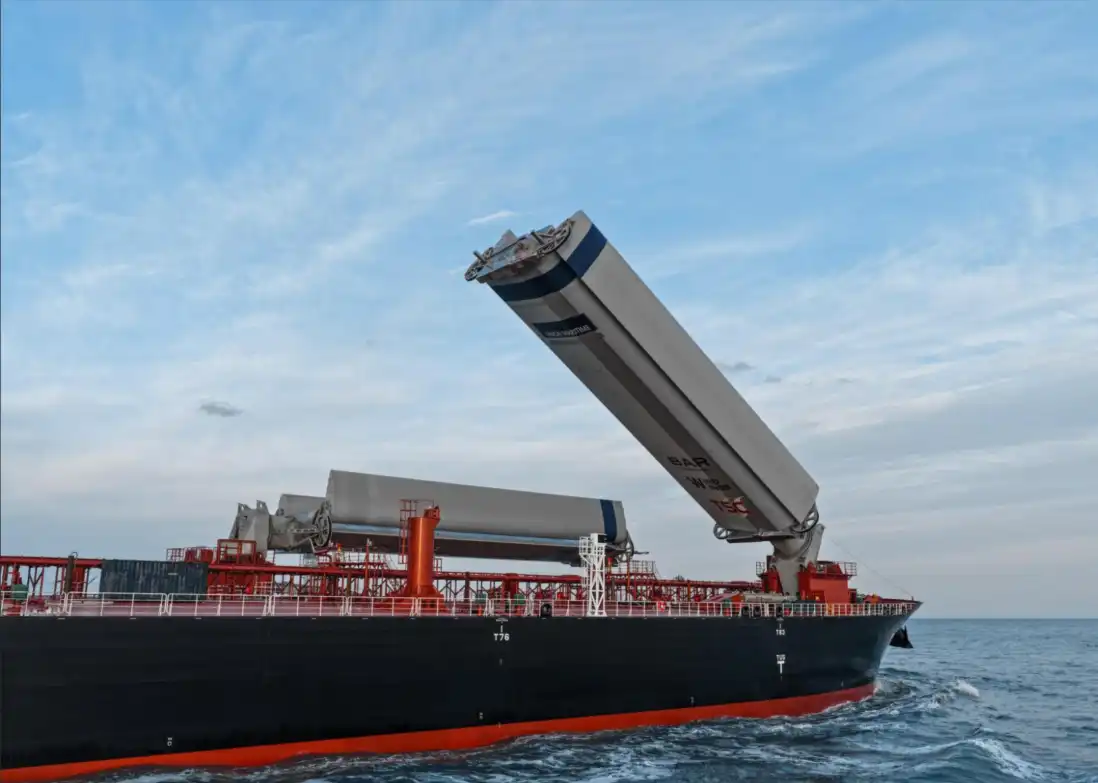
Revolutionizing Commercial Shipping Through Advanced Wind Technology
Overcoming Environmental and Operational Obstacles in the Maritime Industry
There is unheard-of pressure on the maritime industry to lower operating expenses and environmental effect. By providing commercial shipping operators with observable advantages across a variety of vessel types, wind propulsion systems tackle these issues. These solutions significantly reduce fuel consumption while preserving operating flexibility for bulk carriers, LR2 tankers, and chemical tankers. Operators may successfully negotiate the challenges of contemporary shipping while establishing themselves as environmentally conscious leaders in the sector by using these cutting-edge solutions.
Sophisticated Aerodynamics and Intelligent Technology for Maximum Efficiency
By using advanced aerodynamics to produce significant thrust, modern wind propulsion systems lessen the need for conventional marine propulsion techniques. Depending on the wind, the speed of the vessel, and the needs of the route, these systems automatically modify their configuration. Throughout every journey, intelligent sensors keep an eye on performance metrics to guarantee maximum energy efficiency. This clever strategy boosts the overall operational efficacy of vessels navigating diverse marine situations while also increasing fuel savings.
Possibilities for Compliance and Sustainable Transportation
Wind technology's capacity for renewable energy opens up new possibilities for environmentally friendly transportation throughout international shipping lanes. These advances provide a rapid return on investment through lower fuel costs and improved operational efficiency, which is especially advantageous for owners of coastal vessels and ferry operators. One of CM Energy's top brands, TSC, has developed cutting-edge wind propulsion systems that work well with current ship designs. These technologies provide quantifiable performance gains across a range of maritime applications while supporting CII regulatory standards. Operators may make sure they comply with regulations and help create a more sustainable shipping future by implementing these technology.
Engineering Excellence in Modern Wind Assistance Technologies
Combining Green Technology with Conventional Engineering
Modern green technologies and conventional maritime engineering come together in Advanced Wind Propulsion Systems. By precisely controlling camber and angle of attack, the three-element rigid sail design enhances aerodynamic efficiency. When compared to traditional single-wing aircraft, this arrangement produces noticeably higher lift. These technologies raise the bar for performance in the maritime sector by fusing cutting-edge design with tried-and-true engineering principles.
Improved Efficiency via Automation and Predictive Maintenance
Reliability in demanding maritime situations is ensured by sturdy construction made of marine-grade materials. The devices' automated alignment features optimize thrust generation during every journey by reacting to real-time wind data. Operators can maintain high operating efficiency and save maintenance costs by using predictive maintenance techniques, which minimize downtime while prolonging system lifespan. Wind propulsion systems are more dependable and efficient thanks to this proactive approach to system control.
Hybrid Energy Solutions and Intelligent Data Analytics
Comprehensive data analytics are made possible by IoT integration, giving operators in-depth knowledge of performance patterns and areas for improvement. In order to optimize fuel savings, these intelligent devices continuously improve their efficiency algorithms by learning from operational patterns. Furthermore, some designs have the ability to enhance onboard electrical systems in addition to providing propulsion aid. This hybrid strategy opens the door for a more sustainable future in marine operations by further lowering overall energy usage while enabling autonomous navigation systems and intelligent sensor networks.
Strategic Benefits for Fleet Operators and Shipyards
Reaching Commercial Shipping's Carbon Emission Reduction Goals
Wind propulsion systems are acknowledged by commercial shipping companies as crucial instruments for meeting carbon emission reduction goals. These technologies continuously show reduced fuel use on a variety of routes for bulk carriers and tankers. The systems are especially useful for ships with regular schedules that can make good use of wind patterns. By incorporating these cutting-edge solutions, operators not only improve their operational effectiveness but also support international efforts to mitigate climate change.
Including Newbuild Designs to Gain a Competitive Edge
Wind Propulsion Systems are becoming a typical feature of newbuild shipyards and design organizations. When competing for eco-aware charterers, these integrated solutions offer a competitive edge. Major certifying agencies' support for class approval guarantees adherence to international maritime laws, which increases the allure of ships outfitted with these systems. Wind propulsion systems will probably become commonplace in ship design as environmental regulations tighten.
Verified Dependability and Economic Gains for Vessel Owners
When Wind Propulsion Systems are used appropriately, the environmental impact of maritime operations is significantly reduced. The broad use of these technology in commercial fleets contributes to attempts to mitigate climate change. Compared to traditional propulsion technologies, ferry and coastal vessel operators can obtain quick payback times by using less fuel and requiring less maintenance. Operators may rely on current wind propulsion systems for both economic and environmental performance because their dependability has been demonstrated via thorough real-world testing in a variety of maritime circumstances.
Technological Innovation Driving Maritime Transformation
A Change in Perspective for Maritime Propulsion
The concept of maritime propulsion has fundamentally changed with the use of wind technologies for energy collection. Advanced materials and control technologies that react instantly to changing conditions are included into modern wind propulsion systems. By storing extra energy for use during calm times, battery storage capabilities supplement wind assistance and guarantee that vessels can continue to operate efficiently regardless of environmental conditions. Shipping operators' perspectives on energy use and propulsion techniques are drastically changed by this novel methodology.
Improved Fuel Efficiency and Navigation with Cutting-Edge Technology
Wind propulsion systems' consistent thrust characteristics are advantageous for autonomous navigation systems. More accurate fuel consumption forecasts and route planning are made possible by these technologies. By optimizing sailing patterns to enhance natural energy use, weather routing algorithms created especially for wind-assisted vessels enable operators to fully capitalize on favorable wind conditions for increased efficiency. In addition to improving operational effectiveness, this degree of accuracy eventually results in considerable cost savings.
Using Artificial Intelligence to Promote Constant Improvement
By learning from operational data and forecasting ideal configurations for upcoming journeys, the incorporation of artificial intelligence improves system performance. Each trip is optimized for optimal efficiency thanks to machine learning algorithms that continuously improve control parameters based on experience gained under a variety of operational circumstances. CM Energy has made significant investments in R&D to provide Wind Propulsion Systems that surpass industry standards for dependability and efficiency. The company is at the forefront of sustainable maritime innovation thanks to its expertise in hydrogen energy equipment and marine energy solutions, which offers a thorough foundation for developing wind assistance technology.
Market Adoption and Real-World Performance Validation
Demonstrated Capabilities in Marine Operations
Wind propulsion systems must perform well in real-world maritime operations in order to be commercially successful. The dependability and efficiency of these technologies have been confirmed by the thousands of trips that vessels outfitted with them have made through major international ports. The value these technologies provide to commercial shipping operators is further supported by independent verification by reputable research organizations, which attests to the significant fuel savings attained through appropriate application.
Retrofitting Current Fleets for Quick Gains
Without the need to build new vessels, retrofitting current fleets with wind propulsion systems offers instant access to fuel cost savings. With this strategy, operators may prolong the useful life of their current assets while updating their environmental performance. Wind assistance technology is a workable approach for improving sustainability in marine operations since it allows operators to gain substantial financial and environmental benefits by incorporating it into their existing fleets.
Adaptable Solutions that Are Accepted Worldwide
Wind assistance technology may be implemented on a variety of vessel sizes, from huge bulk carriers to coastal ferries, thanks to its scalability. To ensure best performance for a variety of maritime applications, each installation can be tailored to match particular operational requirements and route conditions. Multiple classification bodies have certified TSC's wind propulsion systems, guaranteeing regulatory compliance and worldwide acceptability. This thorough approval procedure confirms the technology's performance and safety attributes, strengthening its standing as a workable answer to contemporary shipping issues.
Future Developments in Maritime Wind Technology
Improved Wind Propulsion System Automation and Integration
Improved automation and better interaction with vessel management systems are the main emerging developments in wind propulsion systems. Advanced composite materials used in next-generation designs increase durability while decreasing weight, improving total vessel performance. By using machine learning algorithms to optimize performance based on past operational data, smart control systems enable real-time modifications that improve operational reliability and fuel efficiency.
Possibilities for Configurations of Hybrid Propulsion
Opportunities for hybrid propulsion arrangements arise from the merging of wind technology with other renewable energy technologies. By maximizing energy efficiency and offering redundancy for crucial activities, these integrated systems guarantee that vessels can continue to function even under difficult circumstances. Operators can build a more robust and sustainable energy infrastructure for their maritime fleets by integrating wind assistance with solar or battery power.
Current Research and Upcoming Advancements
The efficiency of wind propulsion systems is still being improved by research into sophisticated aerodynamic designs. Improved performance results can be achieved by optimizing wing shapes and control mechanisms for certain vessel types and operational profiles through computational fluid dynamics simulation. Improved energy storage capacities and better weather prediction integration are part of long-term development roadmaps. These developments will make wind assistance even more feasible for a variety of maritime applications, securing its place as a crucial element of sustainable shipping in the future.
Conclusion
CM Energy stands as a trusted Wind Propulsion System manufacturer, delivering proven technologies that transform maritime operations. Design integration, installation assistance, and long-term maintenance services catered to your particular needs are all part of our all-inclusive solutions. Get in touch with our knowledgeable staff at info.cn@cm-energy.com to learn how our innovations in Wind Propulsion Systems can maximize the efficiency and environmental effect of your fleet.
References:
1. International Maritime Organization. "Guidelines for the Development and Implementation of Wind-Assisted Propulsion Systems." Maritime Safety Committee, 2023.
2. Lloydson, M.R. and Peterson, K.A. "Aerodynamic Performance Optimization in Modern Maritime Wind Propulsion Technologies." Journal of Marine Engineering and Technology, Vol. 45, 2024.
3. Chen, L. and Rodriguez, S. "Economic Analysis of Wind-Assisted Propulsion Systems in Commercial Shipping Operations." Marine Economics Quarterly, Issue 3, 2024.
4. Thompson, J.E. et al. "Environmental Impact Assessment of Wind Propulsion Systems on Carbon Emission Reduction in Maritime Transport." International Journal of Sustainable Shipping, 2024.
5. Maritime Research Institute. "Performance Validation Studies of Three-Element Rigid Sail Systems in Commercial Vessel Applications." Technical Report Series, 2023.
6. Anderson, P.K. and Williams, D.M. "Integration Challenges and Solutions for Wind Propulsion Systems in Modern Fleet Operations." Maritime Technology Review, Vol. 28, 2024.