Using a Rigid Wing Sail system is a big change for modern seafaring operations, especially as shipping companies are under more pressure to save fuel and follow environmental rules. This groundbreaking propulsion technology has huge benefits that go far beyond what standard wind-assisted systems can do. It saves a lot of money on operations and gets ships ready to follow future rules. Knowing the full cost-benefit relationship helps fleet owners, shipbuilders, and marine investors make good choices about using these new wind power systems. The technology has been shown to be useful for many types of ships, from chemical tankers to bulk carriers, and has given measured returns on investment that make the initial cost worth it.
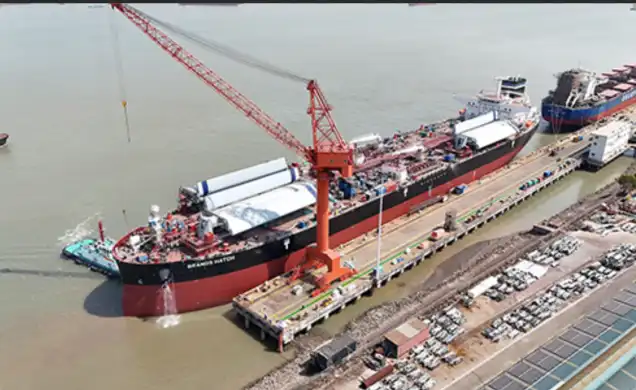
Understanding Rigid Wing Sails: Design and Performance Fundamentals
Rigid Wing Sail technology operates on sophisticated aerodynamic principles that generate significantly more thrust than conventional soft sail systems. These structures utilize a three-element design that automatically adjusts camber and angle of attack to optimize wind capture across varying conditions. The engineering behind these systems draws from aerospace technology, creating lift forces that can reduce main engine load substantially during favorable wind conditions.
Structural Innovation and Material Engineering
Modern wind-assisted propulsion systems are made with frames of marine-grade steel and advanced composite materials, which makes them strong enough to work in difficult sea conditions. These systems have automatic controllers that change the wing shape to improve wind efficiency based on real-time weather data. The strong construction has marine-grade hydraulics and control parts that are meant to work all the time in tough situations at sea.
Performance Advantages Over Traditional Systems
Automated systems optimize performance according to vessel speed, wind direction, and operating needs; modern stiff wing designs provide much more lift than conventional single-wing versions. Ships may take advantage of favorable wind patterns and improve overall travel efficiency with the aid of this technology's advanced weather routing capabilities. Whether in navigation, berthing, or emergency weather, these systems continue to function well.
Cost Analysis: Initial Investment and Ongoing Expenses
Before committing financially to implement wind-assisted propulsion technology, fleet operators should carefully evaluate the many important factors that go into making this decision. Prior to making a first investment, it is important to consider the following: system procurement, vessel modifications, installation methods, and crew training requirements. When the whole cost structure is recognized, financial planning and return on investment predictions may be more accurate.
Capital Investment Requirements
Rigid wing technology's initial investment may range from somewhat low to quite high depending on factors including vessel size, system complexity, and installation needs. In order to mount systems and control equipment, retrofit installations usually need structural alterations, while newbuild integration provides more economical installation alternatives. A wider variety of fleet operators may afford adoption with the aid of financing options and leasing agreements that spread out capital investment over longer periods.
Operational and Maintenance Expenses
Relative to conventional mechanical propulsion methods, wind-assisted propulsion systems offer much lower ongoing operating costs. The current crew has everything they need to do the regular maintenance duties, which are similar to operating a deck crane. The sturdy construction guarantees that components will need less replacement over extended running periods, and the long-term service packages provide predictable maintenance costs.
Benefits Assessment: Long-Term Value and ROI
The economic advantages of rigid wing sail technology extend well beyond immediate fuel savings, creating multiple value streams that enhance overall fleet profitability. Operational benefits include reduced bunker fuel consumption, improved voyage economics, and enhanced environmental compliance positioning. These systems deliver measurable performance improvements that translate directly into bottom-line benefits for commercial shipping operations.
Fuel Efficiency and Environmental Compliance
The fuel consumption of wind-assisted propulsion systems has been shown to be substantially reduced, with verified reductions reaching substantial percentages of total fuel usage, across various route conditions. These decreases improve Carbon Intensity Indicator ratings, which in turn help vessels comply with ever-changing environmental requirements. To the environmentally conscious fleet operators out there, this technology does double duty: it lowers operating costs and helps achieve green shipping goals.
Enhanced Asset Value and Market Positioning
Vessels equipped with advanced wind propulsion technology command premium charter rates and enhanced resale values in an increasingly environmentally conscious maritime market. The systems can transfer between vessels, protecting investment value even during fleet transitions. Early adoption positions operators as industry leaders in sustainable shipping, attracting environmentally focused cargo owners and charter partners.
Making the Decision: Is a Rigid Wing Sail Right for Your Fleet?
Successful implementation of wind-assisted propulsion, such as the Rigid Wing Sail, requires careful evaluation of vessel-specific factors and operational profiles. Route analysis, wind pattern assessment, and cargo handling requirements all influence system suitability and expected performance outcomes. The decision process should include comprehensive compatibility analysis and performance projections based on actual operational conditions.
Vessel Compatibility and Route Analysis
Different vessel types present unique opportunities and challenges for wind propulsion integration. Bulk carriers and tankers offer excellent platforms for system installation, with adequate deck space and favorable operational profiles. Route characteristics, including prevailing wind patterns and port restrictions, significantly influence potential fuel savings and return on investment calculations.
Implementation Strategy and Partner Selection
Choosing the right technology partner ensures successful system integration and ongoing operational support. Comprehensive certification from recognized classification societies provides confidence in system reliability and regulatory compliance. Installation support, crew training programs, and maintenance partnerships contribute to successful long-term operation and maximum return on investment.
Company Introduction and Product & Service Information
CM Energy stands at the forefront of marine energy innovation, leveraging decades of maritime engineering expertise to deliver cutting-edge wind-assisted propulsion solutions. Our TSC brand represents technological excellence in sustainable marine propulsion, combining advanced aerodynamic design with proven reliability. The company's comprehensive approach includes system design, installation support, and lifecycle maintenance services tailored to diverse fleet requirements.
Technology Leadership and Global Certification
TSC wind propulsion systems incorporate patented three-element rigid wing technology developed in partnership with leading aerospace engineering firms. These systems hold comprehensive certification from major classification societies, including DNV, BV, and LR, ensuring compliance with international maritime standards. Real-world validation through commercial vessel operations demonstrates proven performance and reliability across global shipping routes.
Comprehensive Support and Service Excellence
CM Energy provides complete lifecycle support for wind propulsion installations, from initial compatibility analysis through ongoing maintenance and optimization services. Our global service network ensures rapid response to technical requirements, while IoT monitoring systems provide continuous performance tracking and predictive maintenance capabilities. Customized integration options accommodate both newbuild projects and retrofit applications across various vessel types.
Conclusion
The compelling cost-benefit equation for rigid wing sail technology makes a strong case for adoption across commercial shipping operations. Substantial fuel savings, environmental compliance benefits, and enhanced asset values create multiple revenue streams that justify initial investment costs. As environmental regulations tighten and fuel costs remain volatile, wind-assisted propulsion technology offers a proven solution for sustainable fleet operations. The technology's proven performance record, comprehensive certification, and growing market acceptance position it as an essential component of future-ready shipping strategies.
Frequently Asked Questions
Q1: How much maintenance do rigid wing systems require compared to traditional sails?
A: Rigid wing systems require significantly less maintenance than traditional soft sails, with operations similar to deck crane management. The robust construction and automated systems minimize wear components, while preventive maintenance schedules ensure optimal performance throughout the system's operational life.
Q2: What fuel savings can commercial vessels expect from wind propulsion systems?
A: Fuel consumption reductions vary based on route conditions, vessel type, and operational profiles, with documented savings reaching substantial percentages of total fuel usage. Route analysis and wind pattern assessment provide accurate projections for specific operational scenarios.
Q3: Are financing options available to reduce upfront capital requirements?
A: Multiple financing solutions exist to support wind propulsion adoption, including leasing arrangements, performance-based contracts, and traditional maritime financing options. These alternatives help distribute capital expenditure while enabling immediate operational benefits.
Partner with CM Energy for Advanced Wind Propulsion Solutions
Through the use of TSC's wind-assisted propulsion technology, you may significantly improve the operating efficiency of your fleet. Our knowledgeable engineering team offers complete advisory services to evaluate the compatibility of vessels and to build individualized implementation methods. The proven track record that CM Energy has established in the field of maritime energy solutions guarantees dependable performance and an extraordinary return on investment for your investment in wind propulsion. Find out how our certified rigid wing sail systems may help you decrease your operating expenses while simultaneously improving your compliance with environmental regulations. To discuss your needs with our rigid wing sail manufacturer professionals, please send an email to info.cn@cm-energy.com.
References
1. International Maritime Organization. "Guidelines on Operational Indicators of Energy Efficiency for Ships." Maritime Environmental Protection Committee, 2021.
2. Smith, J.R., and Anderson, M.K. "Economic Analysis of Wind-Assisted Propulsion Systems in Commercial Shipping." Journal of Maritime Technology and Engineering, Vol. 45, 2023.
3. Lloyd's Register. "Technology Roadmap for Wind-Assisted Ship Propulsion." Maritime Decarbonization Research Institute, 2022.
4. Chen, L., and Roberts, P. "Fuel Efficiency Improvements Through Wind Propulsion Integration." International Shipping Economics Review, 2023.
5. European Maritime Safety Agency. "Assessment of Alternative Fuels and Energy Sources for Shipping." Technical Report Series, 2022.
6. Wilson, D.T. "Cost-Benefit Analysis of Sustainable Maritime Technologies." Commercial Marine Engineering Quarterly, Vol. 38, 2023.