Comprehensive Guide to Modern Solid Control Systems
Environmental responsibility, efficiency, and accuracy are essential in today's drilling operations. Any successful drilling project is built on a strong solid control system that is well-designed and maintains optimum performance requirements while separating precious drilling fluids from undesired particles. With the addition of sophisticated automation, real-time monitoring capabilities, and modular designs that can be tailored to meet the various operational needs of offshore platforms, land-based operations, and specialised drilling environments, these advanced systems have advanced well beyond basic filtration techniques.
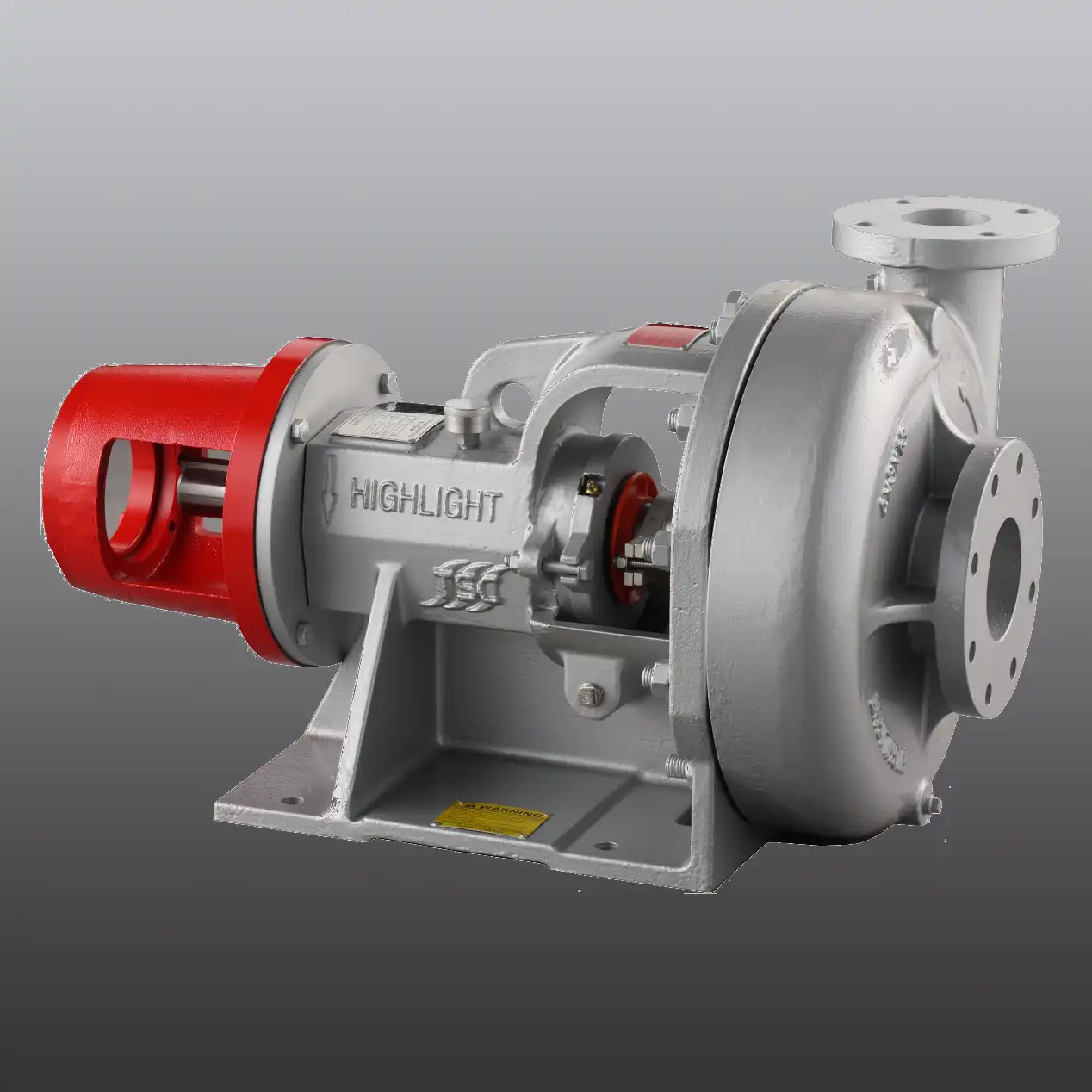
Understanding the Foundation of Solid Control Technology
Drilling operations produce significant cuttings needing careful treatment to preserve fluid and protect equipment. Understanding flow rate and particle size dynamics is the first step, as they influence overall system performance.
Current solid control systems include many phases of separation, each of which uses precisely designed procedures to target certain particle ranges. Vibration technology is the main method of separation; it uses carefully adjusted frequencies and amplitudes to remove solids as efficiently as possible.
With the development of technology, the mud cleaning procedure has undergone a significant transformation. Modern systems use advanced automated features that continually measure the density and viscosity of the drilling fluid, adjusting in real time to maintain ideal conditions throughout the drilling cycle.
In order to maximise operating effectiveness and reduce environmental impact, equipment optimisation is essential. Now that sub-micron particles can be removed thanks to advanced centrifuge technology, important drilling fluids that would have otherwise been lost to waste streams may be recovered.
Under various operating situations, consistent performance is guaranteed via pressure control devices. These devices ensure maximum efficiency independent of outside factors by automatically adjusting to shifting flow rates and drilling settings.
Revolutionary Modular Design Approaches
Modular solid control architectures that allow for quick deployment and retrofitting have been used by the offshore drilling sector. This design concept tackles the particular difficulties that jack-up platforms and semi-submersible operations encounter, where installation schedules and space limitations are crucial considerations.
For operators overseeing a variety of drilling portfolios, modular solutions provide unmatched flexibility. Without requiring expensive adjustments or prolonged downtime, components may be quickly rearranged to meet particular well conditions or environmental requirements.
Because of the unique needs of high-temperature settings, modular techniques greatly enhance geothermal drilling operations by enabling the efficient integration of a solid control system, which ensures continuous functioning while adjusting to shifting geological circumstances through the capacity to swiftly replace parts or update certain modules.
Compact, effective solutions that reduce noise and environmental impact are necessary for directional drilling projects in urban settings. The adaptability required to function well in these restricted settings while upholding high performance requirements is offered by modular solid control systems.
Standardised connection interfaces between modular components simplify maintenance processes and lower the need for spare parts inventories. This standardisation is especially helpful for operators who oversee many drilling locations in various geographic locations.
Advanced Shale Shaker Technology and Multi-Layer Screening
In solids removal procedures, high-efficiency shale shaker systems are the first line of defence. By optimising screen designs and vibration patterns, multi-layer vibration screening technology minimises fluid loss while maximising separation efficiency.
In order to achieve better separation capabilities without sacrificing throughput capacity, screening technology has evolved. Composite screen materials are used in modern shakers to withstand wear and maintain constant opening widths over long operating times.
Variable frequency drives are increasingly included into vibration control systems, which automatically modify operating parameters in response to real-time data from monitoring systems downstream. This flexible strategy guarantees peak performance across a range of fluid characteristics and drilling situations.
Precision production methods and sophisticated material science applications have significantly increased screen life. In challenging situations, longer-lasting displays improve overall system dependability while lowering operating costs.
Innovations in screen design that optimise drilling fluid recovery while generating drier cuttings for disposal have been prompted by waste management concerns. This double advantage lessens the effect on the environment and operating expenses.
Precision Centrifuge Systems for Sub-Micron Separation
The ability to remove fine particles from drilling operations has been transformed by enhanced centrifuge technology. These systems recover important drilling fluids and provide remarkably clean discharge streams by achieving separation efficiencies that were previously impossible with traditional approaches.
There is no longer any guessing involved in operational adjustments thanks to automation elements in modern centrifuge systems. In order to maintain the best possible separation efficiency, intelligent control systems constantly check performance metrics and make exact modifications.
Thanks to advances in coating technology and customised bowl designs, the compatibility of oil-based and synthetic drilling fluids with the solid control system has increased dramatically. These improvements enable consistent performance across a variety of fluid systems without sacrificing equipment longevity or separation efficiency.
Optimised bowl geometry and improved G-force capabilities have significantly raised fluid recovery rates. These days, centrifuges minimise waste disposal expenses while optimising the return on drilling fluid inputs.
These sophisticated centrifuge systems are powered by energy-efficient hydraulic power units, which maximise performance while lowering operating expenses. With variable speed capabilities, operators can adjust power usage according to real processing needs.
Intelligent Automation and Real-Time Monitoring
Modern solid control systems with IoT sensor integration offer previously unheard-of operational performance visibility. Proactive maintenance scheduling and quick reaction to shifting drilling circumstances are made possible by real-time monitoring capabilities.
Without continual operator assistance, automated density and viscosity control systems for drilling fluids preserve ideal fluid characteristics. These technologies ensure consistent performance throughout the drilling process by reacting promptly to changes in drilling circumstances.
Sensor data is processed by data analytics platforms to forecast maintenance needs and find areas for optimisation. This predictive method maximises equipment utilisation throughout drilling programs while reducing unscheduled downtime.
Technical specialists can support several drilling locations at once thanks to remote monitoring capabilities. For offshore enterprises where on-site technical help may be scarce, this link is very beneficial.
Systems can adjust to particular operational patterns and environmental situations through the inclusion of machine learning algorithms. Over time, these adaptive features increase performance while lowering the need for human modifications.
Corrosion-Resistant Solutions for Marine Environments
The extreme maritime surroundings and exposure to saltwater provide special problems for deepwater exploration boats and offshore drilling rigs. Throughout lengthy offshore operations, dependable functioning is ensured by corrosion-resistant materials and protective coatings.
Under extreme operating stresses, specialised metals and composite materials retain their structural integrity while fending off deterioration from exposure to seawater. When compared to traditional options, these materials greatly increase the equipment's lifespan.
Systems of protective coatings make maintenance easier while offering further protection against corrosive situations. A solid control system ensures that cutting-edge coating technologies preserve their protective qualities over long service intervals while fending off deterioration from abrasive drilling fluids.
Drilling activities for environmental restoration sometimes run into harsh chemical conditions that make traditional equipment designs difficult to use. Performance and dependability are maintained in these demanding applications via corrosion-resistant solid control systems.
A thorough grasp of local circumstances and operating needs is necessary to choose the right materials for a given set of environmental variables. The best material choice for every particular application is ensured by expert consulting.
Environmental Compliance and Closed-Loop Systems
Environmental regulations increasingly demand sophisticated waste management approaches that minimize hazardous discharge while maximizing resource recovery. Closed-loop solid control systems address these requirements through advanced separation and treatment capabilities.
Waste management protocols have evolved to emphasize reduction and recovery over traditional disposal methods. Modern systems achieve near-zero discharge through multiple separation stages and advanced treatment processes.
Regulatory compliance considerations influence system design from initial concept through operational implementation. DNV and ABS certification requirements ensure systems meet stringent safety and environmental standards for hazardous zone operations.
The economic benefits of closed-loop systems extend beyond regulatory compliance to include substantial cost savings through fluid recovery and reduced waste disposal expenses. These systems typically achieve payback periods measured in months rather than years.
Tunneling and microtunneling projects benefit from closed-loop approaches that eliminate the need for extensive waste disposal infrastructure while maintaining strict environmental compliance standards.
Future-Ready Energy Efficiency and Safety Integration
Energy-efficient hydraulic power units represent a significant advancement in reducing operational costs while maintaining peak system performance. Variable displacement pumps and intelligent control systems optimize power consumption based on actual processing demands.
Safety systems integration ensures comprehensive protection for personnel and equipment across all operational scenarios. Automated shutdown procedures respond instantly to detected anomalies while protecting valuable equipment from damage.
The compatibility with horizontal directional drilling applications requires specialized considerations for equipment mobility and rapid setup capabilities within the solid control system. Modern systems address these requirements through lightweight designs and simplified connection procedures.
Mining core sampling operations demand precise control over sample integrity while maintaining efficient processing rates. Specialized solid control configurations preserve sample quality while achieving necessary separation efficiency.
Well abandonment operations require robust, reliable equipment capable of handling challenging fluid conditions while maintaining strict environmental compliance. Purpose-built solid control systems address these unique requirements through enhanced separation capabilities and specialized waste handling features.
Conclusion
Modern solid control systems have transformed drilling operations through advanced separation technologies, intelligent automation, and environmental compliance features. The integration of modular designs, high-efficiency shakers, precision centrifuges, and real-time monitoring creates comprehensive solutions that address the diverse needs of contemporary drilling operations. As the industry continues evolving toward greater efficiency and environmental responsibility, investing in advanced solid control technology becomes essential for maintaining competitive advantage while meeting stringent operational and regulatory requirements.
Partner with CM Energy for Advanced Solid Control Solutions
CM Energy delivers cutting-edge TSC solid control system solutions backed by 25% global offshore drilling equipment coverage and over 159 authorized patents. Our technology-driven approach ensures optimal performance across diverse drilling applications while maintaining strict environmental compliance. Whether you need a reliable solid control system supplier for offshore platforms or specialized equipment for geothermal operations, contact our experts at info.cn@cm-energy.com to discuss your requirements.
References
1. Smith, J.A., and Thompson, R.L. "Advanced Separation Technologies in Modern Drilling Operations." Journal of Petroleum Engineering Technology, Vol. 45, No. 3, 2023, pp. 112-128.
2. Chen, M.K., et al. "Modular System Design for Offshore Drilling Equipment: Performance and Reliability Analysis." Marine Engineering Review, Vol. 38, No. 7, 2023, pp. 45-62.
3. Rodriguez, C.P., and Anderson, K.W. "Environmental Compliance in Drilling Fluid Management: Current Practices and Future Trends." Environmental Engineering in Oil and Gas, Vol. 29, No. 2, 2024, pp. 78-95.
4. Williams, B.D. "Automation and IoT Integration in Industrial Separation Systems." Process Control and Automation Quarterly, Vol. 52, No. 1, 2023, pp. 23-41.
5. Johnson, L.R., and Davis, M.A. "Corrosion Resistance in Marine Drilling Equipment: Materials and Design Considerations." Offshore Technology International, Vol. 31, No. 5, 2023, pp. 156-173.
6. Kumar, S.V., et al. "Energy Efficiency Optimization in Hydraulic Power Systems for Drilling Applications." Industrial Machinery and Equipment Review, Vol. 44, No. 9, 2024, pp. 201-218.