Cargo Ships Could Become Greener with WindWings
The maritime business is at a point where caring for the earth and running efficiently are both important. With WindWings®, a new type of wind-assisted propulsion system that changes how ships use natural wind energy, cargo ships could become better. This unique three-element stiff sail technology was created with the help of BAR Technologies in the UK. It saves a lot of fuel and reduces carbon emissions by a huge amount. This technology gives business shipping companies a useful way to reduce carbon emissions without affecting their ability to make money or perform their duties by combining aerodynamic intelligence with automatic control systems.
Understanding WindWings® Technology and Its Benefits
What Makes WindWings® Revolutionary
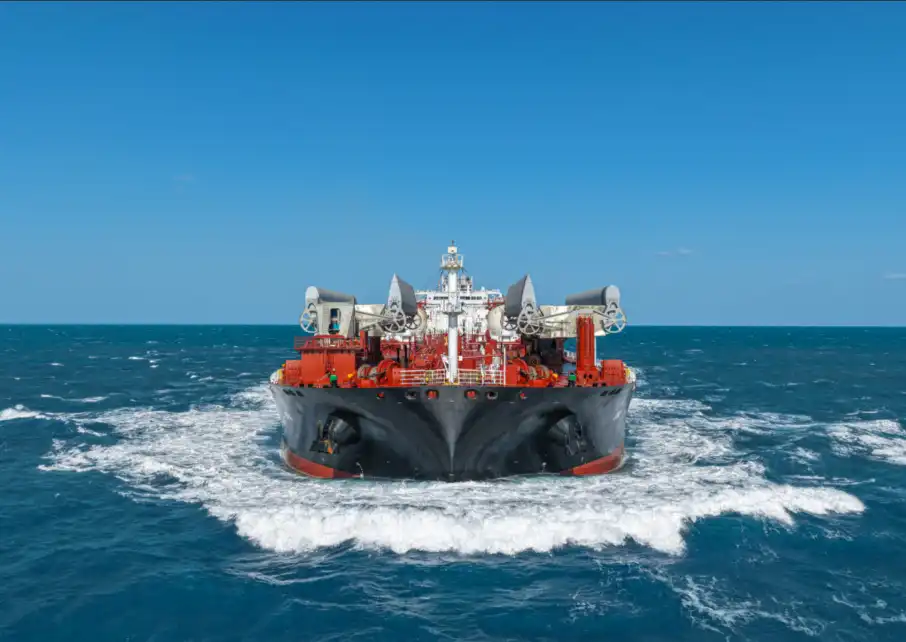
WindWings® advances wind-assisted ship power. Fixed wing designs employ sophisticated aerodynamic concepts like aeroplane wings, unlike sail technology. The three-element design optimises thrust generation in all sailing conditions by automatically changing camber and angle of attack with wind speed. Procurement professionals must verify new technology performance promises. This is done via DNV certification and independent testing by Wolfson Unit and Lloyd's Register.
These stiff sails are manufactured from ship-grade steel and industrial E-glass composites. This makes them durable in rough seas. The systems have 20m, 24m, and 37.5m wingspans. They equip chemical tankers and Newcastlemax bulk ships. The engines consume less fuel and work less since each installation generates 2.5 times more lift than a single-wing sail.
Quantifiable Environmental and Economic Benefits
Shipping firms face increasing pressure to obey International Maritime Organisation guidelines, notably Carbon Intensity Indicator norms. Wind-assisted transportation addresses these issues. Based on route circumstances, the 37.5m model saves up to 30% on fuel in real-world ship operations. This gives each wing 1.6 tonnes of fuel per day. This instantly reduces daily CO2 emissions per wing installation by 5.12 tonnes.
It's powerful economically too. As long as bunker fuel costs remain uncertain and global carbon pricing systems expand, ROI will be faster. Regulations are shortening the three-to-five-year payback period for most projects. LR2 tankers and industrial bulk ships on trade routes with consistent winds have the lowest operational expenses. This makes this technology desirable for fleet upgrades.
In an increasingly sustainable market, these WindWings® devices save money immediately and enhance a ship's CII rating, which preserves asset values and charter options. Emission-free port movement helps ferry and coastal vessel operators manage local air quality concerns that impact operating licenses in ecologically sensitive regions.
Seamless Integration with Existing Fleet Operations
One of the biggest worries for procurement managers is that operations will be interrupted while upgrading or installing new buildings. The design theory focuses on causing as little disruption as possible to the processes of moving cargo. When put on bulk carriers, the wings are placed between the cargo holds in a way that makes it easy to operate the hatch covers and work with the loading equipment. The creative tilt system lets the whole structure turn into a laydown position, which keeps cranes, grabs, and other deck machinery safe.
Bulk carriers that use this wind power technology have made calls at more than 20 major ports around the world without any problems, showing that it works in the real world. The automatic control system constantly checks the health and safety of the structure, so the team doesn't have to do much during normal operations. Maintenance procedures are similar to those used for operating deck cranes. This way, the skills of the current team are used instead of requiring expensive specialised training programs.
Why WindWings® Outperform Traditional Wind-Assisted Propulsion Systems
Limitations of Conventional Sail Technologies
Traditional soft sail systems are interesting in principle but difficult to handle; therefore, commercial ships seldom utilise them. Some of them include sophisticated rigging, a lot of deck area, manual modifications, and the boat not working properly when the wind changes direction. Automation is easier with Flettner rotors and other circular sail designs, but they generate less power per square metre of sail area, making them less efficient.
Traditional approaches struggle in fleet control environments. You can't track their performance in real time or find the optimum weather route since they can't link to digital guiding systems. Cloth wear, motor wear on adjustment systems, and corrosion that needs frequent repair make maintenance difficult.
Smart Automation and Real-Time Optimisation
Intelligent robotics powers stiff wing propulsion, a technological breakthrough. Specialised software continually monitors ship heading, visible wind angle, wind speed, and sea conditions to determine the ideal wing orientation and camber. This autonomous orientation device immediately adapts to changing conditions to maximise thrust without operator assistance.
This system is unique because it routes weather for WindWings® wind-assisted boats. The web-based interface lets land and sea users design wind-optimal sailing routes. Shipping businesses may leverage this WindWings® propulsion aid without changing their processes using automated workflow solutions that operate with existing trip planning systems.
Having real-time thrust success data provides buyers transparency. The technology tracks fuel savings on each leg of the journey to support investment decisions and create accurate financial projections. With this data-driven strategy, wind assistance becomes a quantifiable benefit.
Durability and Lifecycle Cost Benefits
Marine-grade hydraulics and control components provide long-term system reliability. The sturdy design withstands extreme weather, while automated feathering processes reduce the wing profile in harmful winds. This system is meant to endure 25 years without replacing essential pieces, unlike soft sail systems that need to replace material and rigging often.
Moving between ships provides fleet strategists additional strategic choices. Wind power units may be switched to younger ships as they age. This prolongs amortisation and safeguards capital investments. This flexibility reduces lifetime costs significantly compared to integrated propulsion systems that lose value when ships are decommissioned or sold.
Procurement and Implementation: How to Source and Install WindWings® for Cargo Ships
Sourcing Channels and Commercial Terms
CM Energy, a technology-driven maritime energy solutions provider, is listed on the Hong Kong Stock Exchange. CM Energy has extensive hydrogen energy and electric driving expertise. Complete lifetime support includes equipment delivery, installation supervision, setup assistance, and long-term maintenance plans.
When buying managers engage directly with producers who understand marine users' complex technical and commercial demands, outcomes are better. Large-scale procurement agreements enable fleet refurbishment, and financing schemes match capital costs with fuel savings. Technical assistance from DNV, Bureau Veritas, Lloyd's Register, and the China Classification Society helps shipyards and design firms arrange class clearance for new ships.
Commercial shipping businesses use compatibility analysis to assess structural demands, electrical system integration, and business impact estimates specific to the ship and trade routes when considering retrofit options. Early engineering reduces purchasing risk and helps you budget before placing orders.
Installation Methodology and Timeline
An organised five-step technique facilitates implementation. Compatibility study determines whether the proposal is feasible and if the target ship requires structural upgrades. Factory acceptance testing ensures system functionality before shipment. This reduces initial risk and accelerates sea trial completion.
On-site construction reduces yard time, and modular pieces are easy to assemble. Product delivery coordination ensures pieces arrive in order to satisfy construction plans. This prevents storage issues and inventory-trapped working capital. There's no downtime for wind power installation since it's normally done during dry docking.
Certified service partners install and test the equipment's compatibility with the ship's electrical, hydraulic, and navigational systems. The wing control and safety system is tested extensively, including emergency simulations to ensure automatic feathering reactions and human override.
Comprehensive After-Sales Support Framework
Effective maintenance and technical assistance are essential for long-term operation. CM Energy's worldwide service network, formed over decades of delivering deck cranes and lifting systems to the maritime equipment sector at over 350 locations, can assist with technical concerns at any time. IoT tracking enables you to remotely diagnose, arrange maintenance, and obtain performance suggestions based on operational data.
The guarantee covers structural components and control systems, and specific service packages may be customised for the vessel's usage. Regional distribution hubs lessen downtime risk by providing replacement parts. Operators worry because equipment failures damage charter agreements. Regular repair schedules match ship dry-docking plans, preventing minor issues.
Worker skills and basic troubleshooting are taught, while experienced teams diagnose and replace items. This tiered support model lets crews remain autonomous but obtain professional aid when needed.
Real-World Applications and Customer Experiences
Verified Performance in Active Fleets
Major trade line bulk carriers have collected a lot of data on wind-assisted propulsion's practicality. Ships using WindWings® stiff wing technology consume less fuel. Route, season, and operations determine fuel savings. DNV-approved monitoring systems provide buyers with confidence that their WindWings® savings will occur.
The results are particularly impressive for chemical tankers on windy routes. Tanker operations require complex manoeuvring, yet the automatic system maintains the ideal wing form regardless of speed or direction. Operators claim the system works seamlessly with the bridge and requires little crew involvement during regular trips.
Ferries and shore boats employ the technology, not only deep-sea ships. With repeated trips, short-route efficiency advantages pile up, and being able to manoeuvre without emitting benefits the environment in coastal seas with severe air quality restrictions. Fleet owners that must decide whether to modernise their fleets and want to stand out as sustainability stars, like the rapid return on investment.
Industry Certifications and Environmental Leadership
DNV, Bureau Veritas, and Lloyd's Register approvals provide technical authority for insurance coverage and charter party acceptance. These certifications demonstrate that systems fulfil stringent safety, structural stability, and operational dependability criteria developed over many years of naval engineering.
Meeting the International Marine Organisation's decarbonisation targets will make early adopters marine heroes. The system directly helps ships fulfil Energy Efficiency Existing Ship Index and Carbon Intensity Indicator requirements, keeping them on the market as laws tighten. This proactive sustainability strategy boosts the company's image, meets ESG reporting targets, and attracts charterers with environmental responsibilities.
Shipping firms may improve by partnering with technology vendors. Sharing operational data improves weather forecasting, route optimisation, and next-generation systems. Early adopters often benefit from new innovations, and the industry reduces its carbon footprint with this collaboration.
Conclusion
Rigid wing propulsion technology such as WindWings® is very useful for cargo ships that are switching to more environmentally friendly ways of working. A strong business case is made when large fuel savings, verifiable reductions in emissions, and easy integration with current fleet operations are put together. This meets both environmental goals and financial performance standards. With years of reliable use in commercial service, full certification from well-known classification societies, and support from well-known marine equipment providers like CM Energy, technologies like WindWings® are no longer just an idea; they are now practical tools for shipping companies that want to reduce their carbon footprint. When looking at long-term fleet plans, procurement professionals should think about how wind-assisted power solutions such as WindWings® fit into larger efforts to be more environmentally friendly and follow rules that will shape the future of the industry.
FAQ
1. How much fuel savings can operators realistically expect?
How much fuel is saved depends a lot on the trip, the time of year, the wind patterns, and how the vessel is used. Performance records show drops from 10% to 30%, with areas with steady trade winds experiencing the highest levels of these drops. When conditions are good, the 37.5m wing design saves about 1.6 tonnes per wing every day. To make realistic financial models, procurement managers should ask for route-specific performance estimates based on past weather data for their trade trends.
2. Are these systems compatible with all cargo ship types?
This system works really well on bulk carriers, tankers, and Ro-Ro ships. Because of their size, how they work, and the trade lines they follow, chemical tankers, Newcastlemax bulk ships, and LR2 tankers are perfect for these uses. A compatibility analysis checks how much deck room is available, how much weight the structure can hold, and how much space is needed for port activities. Deep-sea trade ships may get more out of wind power than ships that have to move through very tight spaces or that work mostly in enclosed seas with few wind resources.
3. What maintenance commitment do these systems require?
The equipment needs to be maintained in the same way that deck cranes and hydraulic goods handling equipment do. Regular maintenance plans for ships include routine checks, so there's no need for special drydocking intervals. The 25-year design lifespan means that parts don't need to be replaced very often, and marine-grade materials don't rust in the sea. Long-term service packages from approved providers like CM Energy offer stable upkeep cost structures that make lifecycle planning easier and lower operational risk.
Partner with CM Energy for Advanced Marine Propulsion Solutions
CM Energy is ready to help you lower the carbon footprint of your fleet with a full range of wind-assisted transportation options. As a well-known WindWings® provider with a track record of success in marine energy systems, we offer full support from the initial compatibility study to installation, commissioning, and ongoing upkeep. Our expert team has decades of experience helping shipping companies around the world find new ways to use their tools, so they really understand what they need to do to run their businesses.
Whether you run chemical ships, bulk carriers, or a newbuild shipyard looking for combined green propulsion plans that are combined, our experts can help you in a way that fits your needs. You can email our team at info.cn@cm-energy.com to get full technical specifications, performance estimates for each route, and business proposals. The TSC brand, which is part of CM Energy's fleet, shows our dedication to technology-driven innovation that improves operations and the environment in real ways. Leading managers are already making changes to their fleets to make them more environmentally friendly.
References
1. International Maritime Organisation, "Fourth IMO GHG Study: Reduction of GHG Emissions from Ships," Marine Environment Protection Committee, 2021.
2. Smith, T.W.P., et al., "Wind-Assisted Ship Propulsion: Matching Technology to Operations," Journal of Marine Engineering & Technology, Vol. 19, 2020.
3. DNV Maritime, "Assessment of Selected Alternative Fuels and Technologies," Position Paper on Maritime Energy Transition, 2022.
4. Lloyd's Register and UMAS, "Zero-Emission Vessels: Transition Pathways," Maritime Decarbonization Research Report, 2021.
5. Rehmatulla, N. and Smith, T., "Barriers to Energy Efficient and Low Carbon Shipping," Ocean Engineering, Vol. 110, Part B, 2015.
6. Traut, M., et al., "Propulsive Power Contribution of a Kite and Flettner Rotor on Selected Shipping Routes," Applied Energy, Vol. 113, 2014.