For reliable rig jacking work, the right lifting equipment is very important. The best Rack & Pinion Jacking Systems give you the most precision, safety, and load control for hard jobs that have to be done from far away. These systems can make a lot of linear lifting force out of circle motion. This makes them crucial for self-elevating boats that install wind turbines, jack-up drilling rigs, and living platforms that are offshore. New rack and pinion methods have shown that they are useful in many places around the world. They give purchase workers the reliability they need to lift heavy things.
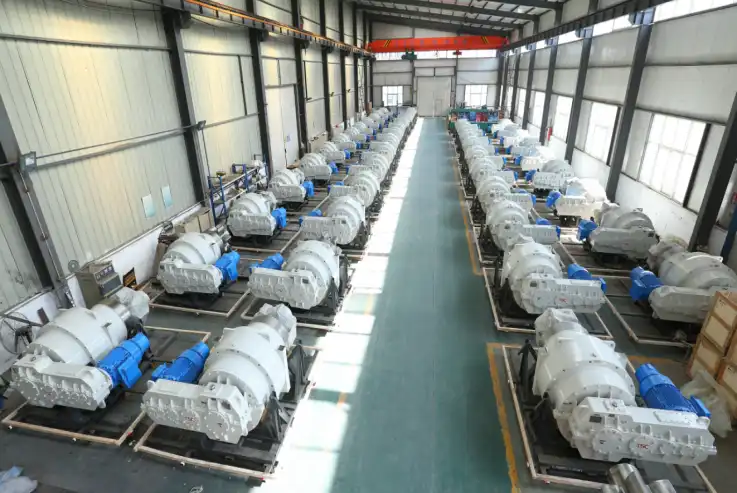
Understanding Rack & Pinion Jacking Systems in Rig Jacking
Marine lifting operations demand exceptional precision and reliability, which the Rack & Pinion Jacking System delivers through its fundamental mechanical advantages. These systems convert rotational input into powerful linear motion, creating the controlled lifting force essential for heavy rig components.
Core Mechanics and Components
The heart of any effective jacking system lies in its mechanical design. Rack and pinion systems utilize climbing pinions that engage with racks attached to platform legs, enabling precise raising or lowering of hulls in elevated conditions. Each jacking unit features a multistage planetary gear configuration housed within fully watertight steel casings, ensuring protection against harsh marine environments. The drive mechanisms can utilize either electric or hydraulic motors, with waterproof electric motors meeting IP56 standards for marine applications. Hydraulic motor configurations include dual counterbalance systems for enhanced load control. These design choices reflect the engineering sophistication required for offshore reliability.
Safety and Durability Features
Modern jacking systems incorporate multiple safety redundancies essential for marine operations. Electromagnetic brake systems provide fail-safe operation, automatically engaging when controllers are off or during power failures. The spring-applied, pressure-release design ensures positive holding capability under all conditions. Load monitoring systems display real-time system loads through specialized monitoring equipment, while intelligent operation diagnosis systems enhance both convenience and reliability. These features combine to create lifting solutions that withstand the demanding conditions of offshore environments while maintaining operational safety.
System Configurations
For different types of work, you need to set up your system in different ways. Choose electric tools if you want to automate tasks and are sure they'll always have power. Choose hydraulic systems if you want something that will get the job done even when things are not ideal. The needs of the application, the available power sources, and people's preferences for how it should work all play a role in the choice of design.
Comparing Rack & Pinion Systems with Other Jacking Technologies
Understanding the advantages of Rack & Pinion Jacking Systems requires examining their performance against alternative lifting technologies commonly used in marine applications.
Precision and Load Control Advantages
Rack and pinion systems excel in providing precise load control compared to hydraulic alternatives. The mechanical engagement between pinions and racks creates positive positioning that eliminates drift common in hydraulic systems. This precision proves crucial during critical positioning operations where exact height control matters. The load handling capabilities of these systems surpass many alternatives, with modern units capable of managing substantial loads while maintaining precise control. Storm holding capacities significantly exceed normal operating loads, providing safety margins essential for offshore applications.
Maintenance and Operational Efficiency
For a number of reasons, maintenance issues make rack and pinion systems the best choice. Splash lube gear systems that are inside cover help reduce how often repair needs to be done compared to hydraulic parts that are open to the environment. The system's mechanical nature means that you don't have to worry about things like seal failures or hydraulic fluid pollution that are common with hydraulic systems. An operational efficiency gain is that performance is uniform across temperature ranges, and there is less reliance on additional systems. Electric drive choices get rid of the need for hydraulic power units, which makes the system easier to understand and lowers the chances that it will break.
Performance in Marine Environments
Marine environments present unique challenges that rack and pinion systems handle effectively. The sealed gear housings protect internal components from salt spray and moisture, while the mechanical drive systems maintain performance despite temperature variations. These characteristics contribute to extended service life and reduced downtime in offshore operations.
Key Selection Criteria for Choosing the Best Rack & Pinion Jacking System
Successful procurement requires careful evaluation of multiple factors that influence system performance and long-term value.
Load Capacity and Performance Specifications
Matching system capacity to operational requirements forms the foundation of proper selection. Normal jacking capacities must exceed anticipated loads with appropriate safety margins, while preload and storm holding capacities provide necessary safety redundancy. The fatigue life specifications indicate expected service duration under various loading conditions. Jacking speed capabilities influence operational efficiency, with faster systems reducing cycle times and improving productivity. However, speed must balance against precision requirements and safety considerations specific to each application.
Customization and Integration Capabilities
Today's foreign work often needs custom solutions that work perfectly with the tools that are already there. The best sellers offer a lot of extra customization choices on top of standard models, such as the Rack & Pinion Jacking System, so they can be made perfect for certain platform designs and needs. Being able to work with current control systems, power sources, and tracking tools is part of the integration process. Being able to adapt existing platforms or add them to new building projects makes more uses possible and saves current investments.
Certification and Compliance
Classification society approvals from organizations like ABS, DNV, BV, and CCS provide essential validation of system safety and performance. These certifications demonstrate compliance with international standards and facilitate regulatory approval for offshore operations. Real-world validation through extensive platform deployments offers additional confidence in system reliability. Suppliers with proven track records across multiple installations provide valuable experience and support capabilities.
Maintenance, Troubleshooting, and Safety Best Practices
Maximizing system performance and service life requires comprehensive maintenance programs and safety protocols tailored to marine environments.
Preventive Maintenance Protocols
Effective maintenance of the Rack & Pinion Jacking System begins with routine inspection schedules that identify potential issues before they impact operations. Regular lubrication of gear systems maintains optimal performance and extends component life. The enclosed nature of modern systems simplifies lubrication requirements while protecting against contamination. Component replacement schedules based on operating hours and load cycles prevent unexpected failures. Monitoring wear patterns on climbing pinions and rack teeth provides early warning of maintenance needs. These proactive approaches minimize unscheduled downtime and associated costs.
Troubleshooting Common Issues
Understanding common troubleshooting scenarios enables rapid resolution of operational issues. Mechanical jams often result from debris or misalignment, requiring systematic inspection and cleaning procedures. Gear wear monitoring through vibration analysis and visual inspection catches problems early. Brake system monitoring ensures fail-safe operation remains intact throughout system life. Real-time monitoring capabilities built into modern systems provide immediate alerts to potential problems, enabling proactive intervention before failures occur.
Operator Training and Safety Protocols
Comprehensive operator training programs ensure safe and efficient system operation. Training covers normal operating procedures, emergency responses, and maintenance requirements. Understanding load limits and proper operating sequences prevents equipment damage and ensures personnel safety. Safety protocols include load monitoring procedures, overload prevention measures, and emergency shutdown protocols. These procedures protect both equipment and personnel during all phases of operation.
Leading Rack & Pinion Jacking System Brands and Procurement Guidance
The global market includes several established suppliers known for innovation, quality, and reliability in marine lifting applications.
Supplier Evaluation and Selection
TSC, operating under the CM Energy umbrella, stands out as a leading manufacturer with extensive experience in offshore applications. Their systems have been deployed across numerous platforms worldwide, demonstrating proven reliability in demanding marine environments. The company's commitment to innovation and quality reflects in their comprehensive product range and customization capabilities. When evaluating suppliers, procurement teams should consider manufacturing capabilities, quality control systems, and after-sales support. Suppliers with extensive marine experience understand the unique requirements of offshore applications and provide appropriate technical support.
Procurement Strategies and Best Practices
Successful procurement requires thorough supplier evaluation including facility inspections, quality system audits, and reference checks. Transparent pricing structures and clear delivery schedules protect project timelines and budgets. Long-term support capabilities including spare parts availability, technical support, and upgrade options influence total cost of ownership. Suppliers offering comprehensive service packages provide additional value through reduced operational risks. CM Energy's global presence and established track record in marine applications position them as a reliable partner for demanding offshore projects. Their commitment to quality and innovation continues to drive industry advancement.
Conclusion
Selecting the optimal Rack & Pinion Jacking System requires careful consideration of operational requirements, safety standards, and long-term value. Modern systems offer exceptional reliability, precision, and safety features essential for demanding offshore applications. The mechanical advantages of rack and pinion technology, combined with advanced monitoring and control systems, deliver the performance that marine operations demand. Successful implementation depends on proper system selection, comprehensive maintenance programs, and ongoing supplier support.
Frequently Asked Questions
Q1: What load capacities are available in modern rack and pinion jacking systems?
A: Modern systems offer a wide range of load capacities to match various offshore applications, from smaller support platforms to heavy-duty drilling rigs. Normal jacking capacities typically range from hundreds to thousands of metric tons, with storm holding capacities providing significant safety margins above operational loads.
Q2: How do certification requirements affect system selection for offshore applications?
A: Classification society approvals from ABS, DNV, BV, and CCS are essential for offshore operations. These certifications validate system safety, performance, and compliance with international standards. Suppliers with multiple certifications provide greater flexibility for global operations and regulatory compliance.
Q3: What maintenance advantages do rack and pinion systems offer over hydraulic alternatives?
A: Rack and pinion systems feature enclosed gear housings with splash lubrication that reduce maintenance frequency and complexity. The mechanical design eliminates concerns about hydraulic fluid contamination, seal failures, and temperature sensitivity that affect hydraulic systems in marine environments.
Partner with CM Energy for Superior Jacking Solutions
CM Energy's TSC brand delivers industry-leading Rack & Pinion Jacking System for sale backed by decades of offshore experience and proven performance across numerous platforms worldwide. Our comprehensive product range, customization capabilities, and global support network ensure your operations achieve maximum efficiency and safety. Whether you need systems for new construction or retrofit applications, our experienced engineering team provides tailored solutions that meet your specific requirements. Ready to enhance your offshore operations with reliable jacking technology? Contact us at info.cn@cm-energy.com to discuss your project needs with our Rack & Pinion Jacking System specialists.
References
1. Marine Technology Society Guidelines for Offshore Platform Jacking Systems Design and Operation Standards, 2023.
2. International Association of Classification Societies Unified Requirements for Self-Elevating Platform Safety Systems, 2024.
3. Offshore Engineering Handbook: Mechanical Lifting Systems for Marine Applications, Fourth Edition, 2023.
4. Society of Naval Architects and Marine Engineers Technical Paper on Advanced Jacking Technologies for Offshore Platforms, 2024.
5. American Petroleum Institute Recommended Practice for Offshore Platform Jacking System Maintenance and Inspection, 2023.
6. International Maritime Organization Guidelines for Safety of Self-Elevating Mobile Offshore Drilling Units, 2024.