Best Methanol Fuel Conveyance System for Stable Delivery
Finding the right Methanol Fuel Conveyance System is very important for the successful running of marine systems that need to handle methanol fuel reliably. The best methanol fuel systems use cutting edge technical ideas and tried-and-true safety rules to make sure that all types of vessels always get the right amount of fuel. These special systems deal with the unique chemical properties of methanol while keeping the dependability and steadiness that modern marine operations need. It is important to have a good transportation system that can handle changes in pressure, temperature, and flow rate throughout the whole fuel supply chain, from storing to engine delivery.
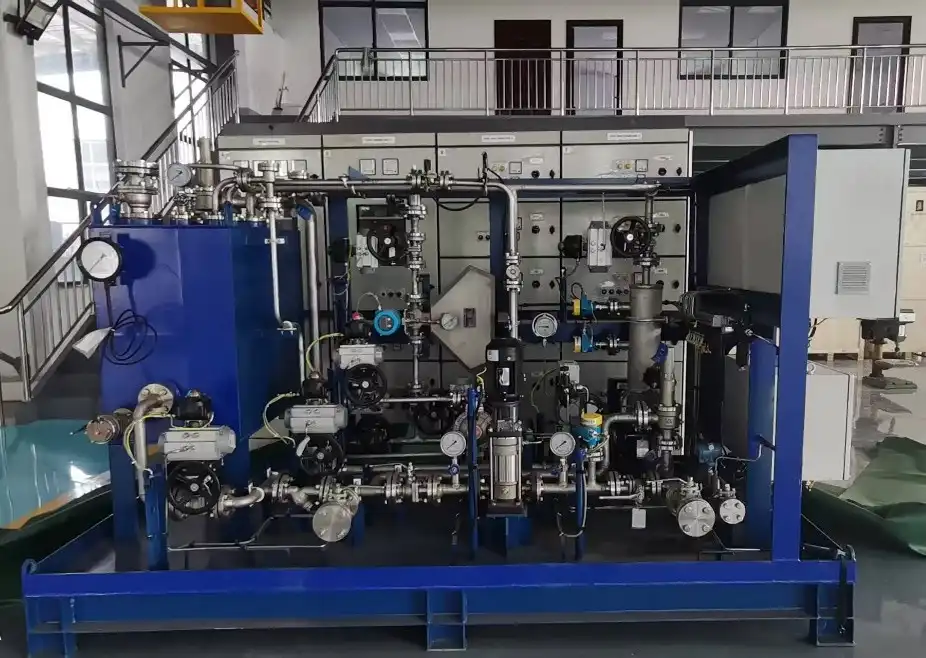
Understanding Methanol Fuel Conveyance Systems: Core Components and Functionality
There is a complex technical answer called a Methanol Fuel Conveyance System that is made to deal with the harsh chemical properties of methanol in marine settings. In contrast to regular hydrocarbon fuel systems, these unique designs deal with methanol's polarity, corrosivity, and ability to absorb water through carefully chosen materials and precise engineering.
Essential System Components
The basic structure of methanol fuel systems is made up of several important parts that work together. Storage tanks are built from stainless steel, which is resistant to the toxic effects of methanol and form the base. These tanks keep the fuel's consistency and keep it from getting contaminated, which could hurt the engine's performance.
Pumps made for low-viscosity fluids can handle the unique flow properties of methanol. A lot of the time, these pumps have magnetic drive systems or positive displacement designs with diamond-like carbon coats that keep them from wearing out without any extra oil. The choice of pump has a direct effect on how reliable the system is and how much it costs to run in the long run.
Filtration systems get rid of impurities and the water that methanol naturally pulls because it is hygroscopic. Multistage filter stops phase separation and keeps fuel clean to the standards needed by current engines that use both gasoline and diesel. Double-walled construction and interstitial tracking are used in pipeline networks to find leaks before they become safety risks.
Engineering Requirements for Stable Operation
Material suitability is the most important thing to keep in mind when dealing methanol fuel. Aluminum, zinc, and coated surfaces can't be damaged by methanol because of grades 304 and 316L stainless steel. To keep chemicals from breaking down and the material from expanding, sealing materials only use PTFE, EPDM, or special fluoroelastomers.
Controlling the pressure makes sure that the fuel supply stays the same even when the engine is under different loads. These methods work correctly when the engine starts up, when it stops, and when moving between types of fuel. Temperature control keeps methanol above its low temperature and stops fumes from forming in supply lines.
Putting these parts together makes a system that works well, reduces the chance of downtime, and improves business efficiency. More and more, people who work in procurement are realizing that improved business success and safety compliance are directly linked to improved flow dynamics.
Comparing Methanol Fuel Conveyance Systems with Alternative Fuel Systems
Efficiency and Performance Analysis
Methanol Fuel Conveyance System demonstrate superior handling characteristics compared to many alternative fuel technologies. The low-viscosity nature of methanol allows for precise flow control and rapid response times during engine load changes. This responsiveness provides operational advantages over heavier hydrocarbon fuels that require heating and complex viscosity management.
When compared to hydrogen fuel systems, methanol transportation is much easier than hydrogen fuel devices. Methanol stays liquid at room temperature, so it doesn't need the same high-pressure or cryogenic storing devices that hydrogen does. This simplicity means that building costs and upkeep needs are lower.
Environmental impact studies like methanol systems because they might be carbon neutral if they use green feedstocks. When compared to traditional marine fuels, the way they burn produces cleaner pollution, which helps the industry reach its decarbonization goals while keeping operations running smoothly.
Cost-Effectiveness and Durability Considerations
The cost savings of methanol fuel systems become clear when you see how simple they are and how little upkeep they need. Unlike other fuel technologies that need special tools to handle cold fluids, methanol systems use common pumping and pipe technologies that have been changed to work with chemicals.
Durability tests show that methanol systems that are properly built can last longer if the right materials are used and good engineering practices are used. The lack of particulate pollution that is common in heavy engine oils makes system parts last longer and costs less over their entire life.
Because the technology is more developed, methanol is easier to use than newer options like hydrogen, which still have problems getting started because of infrastructure building and safety rules. This level of development gives procurement trust and makes performance results reliable.
Selecting the Best Methanol Fuel Conveyance System for Your Business Needs
Evaluating System Attributes for Procurement Success
When choosing methanol fuel systems for marine use, reliability becomes the most important thing to think about. The system has to keep working the same way even when the sea conditions, temperatures, and operating patterns change. Long-term reliability standards can be based on the track records of well-known makers.
When fleet owners are in charge of more than one type of vehicle, scalability issues become more important. Modular system designs let you make changes based on the needs of your vessel while keeping standard parts to make upkeep and managing extra parts easier. This adaptability makes it useful for both new construction and retrofitting.
It is imperative for methanol fuel systems to meet all applicable regulations. The tools need to follow the SOLAS-IBC Code for working with chemicals and the IGF Code for working with fuels with a low flash point. Certification from well-known classification groups proves that the rules are followed and gives the go-ahead for operation.
Supplier Selection and Quality Assurance
When buying Methanol Fuel Conveyance System, it's very important to make sure you only buy from trusted sellers. Established companies that have a track record of building dual-fuel vessels and chemical tanker systems bring a lot of useful knowledge to the table when it comes to completing projects. This is exemplified by CM Energy, which works under the TSC name and has a lot of experience with clean fuel supply systems for a wide range of vessel types.
Support after the sale is very important for long-term business success. Protect operating investments with full service packages that include expert help, spare parts availability, and the ability to respond to emergencies. The world repair network of the provider has a direct effect on the availability of vessels and the continuity of operations.
Quality certifications, like DNV AIP certificates and product certifications, show that the design and production of a system are good from the point of view of a third party. These certifications show that you follow foreign standards and help the legal approval process.
Maintaining and Safely Operating Methanol Fuel Conveyance Systems
Preventive Maintenance Protocols
A methanol fuel system that works reliably is built on a plan of regular inspections. Monitoring system pressures, flow rates, and temperatures on a regular basis finds problems before they affect operations. During these checks, the stability of the seals, the operation of the valves, and the performance of the filtering system are all checked.
Controlling contamination keeps the quality of the fuel and the parts of the system from breaking down. Systems that find and get rid of water stop phase separation, which could hurt engine performance. Regular study of fuel makes sure that quality standards are met and finds sources of contamination that need to be fixed.
The replacement plans are optimized by component lifecycle management, and unexpected downtime is kept to a minimum. Predictive maintenance technologies look at how well a system is working and find parts that are getting close to the end of their useful life. This proactive method lowers the risks of operations and keeps upkeep costs in check.
Safety Measures and Compliance Standards
Multiple control walls are used in leak prevention methods to deal with methanol's toxic and flammable properties. Interstitial tracking and double-walled pipes make it possible to find leaks early, before they cause damage to the environment. When things don't work right, emergency shutdown devices cut off fuel sources.
Using methanol's low temperature to lower fire risks is built into the design of safety systems. Using inert gases to clear the air stops a dangerous atmosphere from forming during repair work. Automatic fire control systems can quickly put out fires that might start.
Training programs for employees make sure that safe working techniques and emergency reaction plans are followed. People who work with Methanol Fuel Conveyance System need special training that covers chemical qualities, health risks, and how to use safety gear correctly. Updating training on a regular basis keeps people competent and in line with regulations.
Environmental compliance rules cover more than just operating safety. They also cover things like managing trash and keeping an eye on emissions. Following regional and international rules about the environment helps organizations reach their sustainability goals and saves them from legal and social risks.
Leading Methanol Fuel Conveyance System Brands and Market Insights
Market Innovation and Technology Trends
The methanol fuel conveyance market experiences rapid advancement through smart system integration and digital monitoring capabilities. Leading makers use IoT sensors and remote tracking tools to give real-time information on how well systems are working and repair alerts that can be planned ahead of time. These tools lower the costs of doing business while also making it safer.
The main goals of developing advanced materials are to make them more resistant to rust and make them last longer. New fluoropolymer formulas and specialty steel alloys make it easier for methanol to mix with things while also making upkeep easier. These important changes have a direct effect on both daily reliability and lifecycle costs.
Digital coupling makes it possible for fuel systems and engine control systems to talk to each other without any problems. Automated tracking of fuel quality and supply optimization cut down on human work while keeping engine performance constant. These unified methods are in line with goals for business efficiency and digitization in the industry.
Manufacturer Landscape and Selection Guidance
CM Energy is one of the first companies to make technology for supplying methanol fuel, and at the end of 2022, they started research and development projects. The company has a history of delivering successful methanol fuel supply system skids to big operators like Stena RoRo. This shows that they know how to put these systems together in real life on a wide range of vessel types.
The TSC brand is CM Energy's all-around approach to clean fuel solutions. It includes the Methanol Fuel Conveyance System technology as well as fuel systems for LNG and ammonia. With this wide range of skills, we can come up with combined solutions that meet all of your alternative fuel needs within a single fleet operation.
Reputation in the industry and customer reviews can tell you a lot about how well a company does their job and how good their service is. Delivering projects successfully on bulk ships, tankers, and other specialized types of vessels shows that you can put your expert knowledge into practice. These references help people make sure they're making good procurement choices based on past performance rather than theoretical skills.
Leading manufacturers stand out from others when it comes to service quality by offering full support packages that go beyond just delivering tools. Throughout the lifecycle of a system, operating consistency is ensured by technical help, the availability of spare parts, and global service networks. The willingness of the maker to support after the sale has a direct effect on the total cost of ownership and long-term operating success.
Conclusion
To choose the best Methanol Fuel Conveyance System, you need to carefully think about your technical needs, the knowledge of the supplier, and the length of time you will need help. Successful implementations show how important it is to choose the right materials, build the system correctly, and follow upkeep instructions to handle methanol fuel reliably. Leading makers, such as CM Energy, offer tried-and-true solutions based on their vast knowledge of building dual-fuel vessels and clean fuel technologies. As methanol fuel systems keep getting better, they help the marine industry reach its goals for reducing carbon emissions while keeping the operating reliability that is necessary for business success.
FAQ
1. What makes a methanol fuel conveyance system different from conventional fuel systems?
To handle methanol's acidic and low-flashpoint qualities, fuel systems need to be made with special materials and with certain design factors in mind. In contrast to regular fuel systems, these ones are made of stainless steel, use special closing materials, and have double-walled containers to make sure they work safely and reliably.
2. How do I determine the right capacity for my vessel's methanol fuel system?
The size of your system relies on how much fuel your car uses, how it works, and how long your trip is. A professional evaluation looks at the engine's specs, changes in load, and safety margins to find the best size for a fuel source that works well throughout operating cycles.
3. What maintenance requirements apply to methanol fuel conveyance systems?
As part of regular maintenance, the pressure is checked, the seals are inspected, the filtering system is watched, and the fuel quality is analyzed. Schedules for preventive maintenance usually include checks every three months, big service intervals once a year, and constant monitoring of system performance factors to make sure they work properly.
Ready to Implement Your Methanol Fuel Conveyance System Solution?
CM Energy delivers industry-leading Methanol Fuel Conveyance System solutions backed by extensive expertise in dual-fuel vessel construction and clean fuel technologies. Our TSC brand represents proven performance across diverse vessel types, from bulk ships to specialized chemical tankers, with successful delivery of multiple methanol fuel supply system skids to major owners. As a reliable provider of methanol fuel transportation systems, we offer complete solutions that include planning, production, installation, and support services throughout the system's lifetime. Our DNV-certified systems make sure that you follow the rules and give your activities the stability and performance they need. Get in touch with our expert team at info.cn@cm-energy.com to talk about your needs and find out how our methanol fuel options can help your vessel run more efficiently.
References
1. International Maritime Organization. "Guidelines for Ships Using Methyl/Ethyl Alcohol as Fuel." Maritime Safety Committee, 2024.
2. Johnson, Michael R. "Methanol Fuel Systems Design and Implementation for Marine Applications." Marine Engineering Review, vol. 45, no. 3, 2024, pp. 78-92.
3. Chen, Wei-Ming and Liu, Xiaoping. "Corrosion Resistance Analysis of Stainless Steel Components in Methanol Fuel Environment." International Journal of Maritime Engineering, vol. 166, 2024, pp. 234-247.
4. European Maritime Safety Agency. "Alternative Fuel Safety Guidelines for Commercial Vessel Operations." Technical Report EMSA-2024-ALT-FUEL, 2024.
5. Anderson, Sarah K. "Economic Analysis of Methanol versus Conventional Marine Fuel Systems." Journal of Maritime Economics, vol. 28, no. 4, 2024, pp. 156-171.
6. Kim, Jong-Hyuk and Park, Min-Soo. "Reliability Assessment of Methanol Fuel Supply Systems in Harsh Marine Environments." Ocean Engineering International, vol. 89, 2024, pp. 445-462.