Best Leg Encircling Crane for Wind Power Installation
If you're looking for the best Leg Encircling Crane for installing wind power, TSC's cutting edge lifting options stand out in the naval equipment market. These special cranes have unique designs that go around the construction of the ship's legs. This makes them very stable and able to lift large wind turbines into place offshore. TSC's leg-encircling cranes work better than others because they have two main hooks that can hold huge loads while keeping precise control during important wind power building tasks. These systems are made with cutting-edge engineering that makes the best use of deck area and improves operating safety for difficult offshore projects.
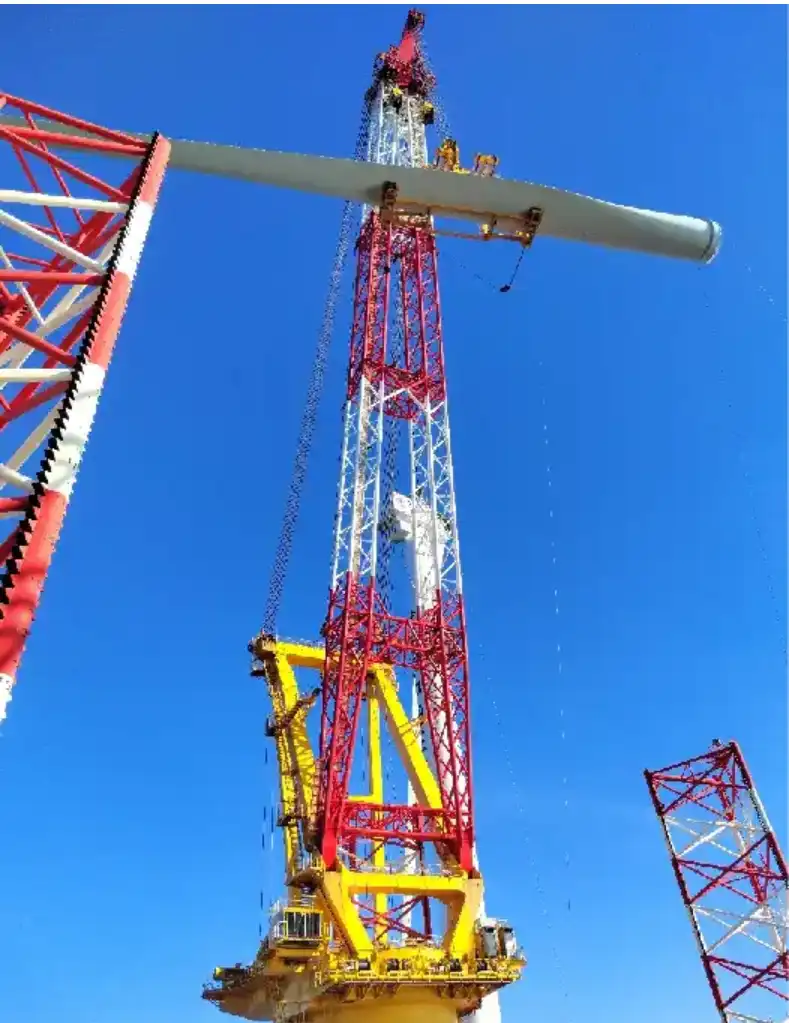
Understanding Leg Encircling Cranes in Wind Power Installation
For modern offshore wind farms to work, they need special lifting tools that can move parts of turbines that are getting bigger while staying very stable in rough seas. Leg-encircling cranes are a completely new way to lift things offshore. They were made to meet the special needs of wind power projects.
Fundamental Working Principles
Innovative structure design that goes around the ship's leg infrastructure is what leg wrapping crane technology is all about. Compared to traditional crane systems, this setup has a number of important benefits. The rotating mechanism of the crane uses the leg as a center support point, which spreads the load more evenly across the body of the vessel. With this design, there is no need for large counterweights that are mounted on the deck. This frees up important room for storing and putting together turbine parts.
These cranes have load management systems built in. These systems use high-tech tracking tools to keep track of how stress is distributed during lifting operations. The smart control systems can guess what risks might happen when there is a lot of weight on them, and they can change the operating settings automatically to keep things safe. This predictive capability proves invaluable when handling delicate turbine components that require precise positioning at significant heights.
Enhanced Stability and Reach Capabilities
The layout with the legs going around each other is more stable than other crane designs. These cranes are very stable even when they are at full reach because they center the lifting device around the ship's structure strong point. This stability is especially important when placing turbine nacelles and rotor parts, which need to be placed with millimeter-level accuracy even though conditions offshore are rough.
It is possible for current leg-encircling cranes to reach much farther than older models. With lifting heights of more than 200 meters above the water, these systems can fit the largest wind turbine designs that are being worked on right now. The longer reach also makes it easier to place base parts like huge monopiles and complicated jacket structures, which are what hold offshore wind farms together.
Comparing Leg Encircling Cranes with Other Crane Types for Wind Power
To choose the right crane technology for wind power projects, you need to carefully look at a number of factors, such as the structure's capabilities, the cost of operation, and the unique needs of the project. Knowing how Leg Encircling Crane systems stack up against other lifting options is important for making decisions about what to buy.
Structural Differences and Performance Metrics
Tower cranes lack offshore stability. Mobile cranes cannot handle huge wind turbine components. TSC leg-encircling crane maximizes lifting power with minimal deck area. Unlike traditional platform cranes requiring large counterweight systems, the encircling shape optimizes deck space and lifts more efficiently.
Operational Cost Analysis
Leg-encircling cranes offer better operational costs than other options. Optimized structural design reduces vessel weight and improves stability, lowering fuel consumption. Maintenance is simpler than tower or mobile cranes. Centralized design reduces wear points. Reliability becomes critical during long offshore campaigns when breakdowns affect project finances.
Adaptability to Site Conditions
Leg-encircling cranes handle unique marine environment problems. The circular configuration's low center of gravity improves vessel stability during dynamic positioning. This security advantage helps construction work in bad weather. These cranes work effectively from jack-up boats or installation platforms, adapting to different operating needs while meeting high performance standards.
Core Design and Safety Features for Wind Power Leg Encircling Cranes
Every part of current leg-encircling crane design is based on safety, with engineers focused on fail-safe systems and operator security systems. Adding advanced safety features makes sure that the system will work reliably even in rough ocean circumstances.
Engineering Principles and Integration
Leg-encircling cranes have well-designed mechanical parts that use optimized force transfer paths to spread loads evenly throughout the system. Clear load lines keep stress concentrations to a minimum, and small mechanism design makes the whole system simpler. This way of doing engineering makes things safer and more reliable at the same time.
Double hook setups make processes much more efficient by letting you handle multiple parts at once or giving you extra lifting power. The main hook systems can handle most of the pulling, and the secondary hooks can handle placing lines or smaller parts. This duplication makes operations much safer and more reliable.
Advanced Safety Mechanisms
During lifting activities, wire tensioning and container stabilizing systems keep the load under control at all times. These systems automatically account for how the ship moves and the force of the wind, so the load can be handled safely even in rough conditions. Electric automatic centralized lube systems keep important parts working while lowering the need for upkeep.
During lifting operations, intelligent control systems keep an eye on stress levels, telling workers what's going on in real time and taking safety precautions automatically when needed. The systems can guess what risks might happen during heavy-load operations. This lets safety steps be taken ahead of time, stopping dangerous situations before they happen.
Load Monitoring and Emergency Systems
Advanced load tracking systems keep an eye on many factors at once, like hook loads, boom angles, and structure stresses. This thorough tracking lets workers keep the right amount of safety margins while also getting the most out of their operations. When safety sensors or user orders set off an emergency brake system, it can stop the load right away.
The rules for teaching operators stress both technical skill and safety knowledge. This makes sure that crane operators know how leg encircling systems work in a specific way. Regular licensing programs keep operators' skills up to date and add new safety rules and best practices for operations.
Procurement Guide: How to Buy or Rent the Best Leg Encircling Crane for Wind Power?
Knowing the technical specs, licensing needs, and seller skills is important for navigating the buying process for specialized marine lifting equipment. This detailed guide covers all the important things you need to think about when buying a leg-encircling crane.
Market-Leading Manufacturers and Certifications
TSC is one of the best companies that makes high-capacity Leg Encircling Cranes, and their products have been used successfully in tough overseas situations. As part of its production skills, the company makes dual hook systems that can reach longer distances and lift heavy loads, meeting the needs of next-generation wind turbines.
Classification society certificates from well-known groups like CCS, DNV, ABS, BV, and LR prove that a design meets international safety standards. These approvals show that crane systems are built and work properly to meet strict standards for naval service.
Leading makers use full ISO quality systems and specialty welding certifications as part of their quality control processes. Manufacturing sites that are DNV and BV approved make sure that the quality stays the same throughout the whole process. With these quality assurance steps, you can be sure that the tools will work well and last a long time.
Purchasing Versus Rental Considerations
Whether to buy or rent leg-encircling cranes relies on the length of the project, how often they will be used, and how much money is available. Long-term plans to build wind farms usually make sense to buy, while shorter installation projects might be better off with rental agreements.
Things to think about when buying something are the original capital needs, the upkeep duties, and the ability to keep the residual value. When you own something, you have full power over its availability and changes. It also increases the value of the object over time. But owning something also means spending a lot of money and being able to keep it in good shape.
Rental choices give workers with changing project portfolios more freedom and lower capital needs, which makes them appealing. Rental agreements can cover all upkeep costs and offer expert help, which makes operations simpler. However, in cases of high usage, long-term rental costs may be higher than buy prices.
Customization and Supplier Evaluation
Customization options let leg-encircling cranes meet the needs of a specific job while also getting the best performance for certain vessel configurations. TSC offers custom solutions that meet the specific needs of each business while still following all rules and regulations.
When judging a supplier, you should look at their technical skills, the level of their work, and the help services they offer after the sale. Long-term practical success depends a lot on how easy it is to get spare parts, expert documents, and help with field service. Building ties with providers that offer full lifecycle support guarantees that equipment will work at its best throughout its operating period.
Operation Guidelines and Best Practices for Maximizing Performance
To use leg-encircling cranes effectively, you need to follow set rules and keep an eye on safety practices at all times. These rules set the standard for safe wind power installation projects and make sure they are carried out correctly.
Pre-Operation Procedures and Load Handling
Before moving activities start, thorough pre-operation checks make sure the system is ready. Some of these checks are making sure the load ratings are correct, looking over the lifting accessories, and making sure the operating settings are correct. The weather gets extra attention because wind speeds and sea levels have a direct effect on how safely moving activities can go.
Techniques for moving loads focus on making moves that are smooth and controlled so that the crane structure and parts being moved are subjected to the least amount of dynamic loads. Gradual speeding up and slowing down makes load control better and less stressful on system parts. Coordinating between crane workers and construction teams makes sure that everything is set up correctly during the assembly process.
Performance Optimization Strategies
Here are the core performance optimization strategies for leg encircling crane operations:
- Fuel efficiency optimization through coordinated vessel positioning and crane operation reduces operational costs while maintaining high safety standards
- Stability management strategies utilize real-time monitoring systems to optimize load distribution and vessel trim
- Predictive maintenance scheduling based on operational hours and load cycles maximizes equipment availability while preventing unexpected failures
- Weather window planning coordinates installation activities with favorable conditions to maximize productivity
These streamlining methods make operations much more efficient while lowering the costs of long-term efforts overseas. Adding advanced tracking systems gives workers feedback in real time, which helps them keep improving their work as the project is being carried out.
Troubleshooting and Emergency Response
Power system problems, changes in hydraulic pressure, and control system problems are all common problems that need to be fixed. Established diagnostic methods make it easy to find and fix operating problems quickly. When equipment breaks down or bad weather happens, emergency reaction procedures make it clear what to do.
Regular repair plans keep equipment running at its best and extend its life. Scheduled checks find problems before they affect operations, and preventive maintenance makes it less likely that something will break down without warning. Writing down what needs to be done for maintenance gives us useful information for making future maintenance plans better and making operations more reliable.
Conclusion
Picking the right leg-encircling crane technology is a big decision that can affect how well offshore wind power installation projects go. Because they are more stable, can lift more weight, and work more efficiently, these specialized lifting systems are perfect for putting together modern wind turbines. Because TSC is dedicated to quality and new ideas, its Leg Encircling Crane solutions are able to meet the strict needs of the upcoming offshore wind farms. Because they are well-designed, have many safety features, and have been used successfully in the past, these systems are the best choice for difficult naval installs. Investing in good leg-encircling crane technology pays off in the long run by making operations easier and the project more cost-effective.
FAQ
1. What lifting capacities are available for leg encircling cranes in wind power applications?
For main hook activities, modern leg-encircling cranes can lift a lot of weight, from a few hundred tons to over 1,600 tons. A company called TSC makes systems with two main hooks that can lift the largest turbine parts and an extra hook for other lifting jobs. These types of capacities work with both current and future wind turbine designs, such as nacelles, tower sections, and rotor parts.
2. How do leg encircling cranes provide safety advantages over traditional crane systems?
The encircling form is more stable because it uses the structure of the vessel's legs as a center support point. This setup gets rid of worries about tail swing while giving extra pulling power through two hook systems. When compared to traditional cranes, advanced monitoring systems keep an eye on operational factors all the time and take protective steps when needed. This makes operations much safer.
3. Are rental options available for leg encircling cranes?
Comprehensive rental programs can work for projects that need to last for different amounts of time and have different amounts of money available. Technical help, repair coverage, and operator training services are often part of rental agreements. These flexible plans let contractors use modern lifting technology without having to spend a lot of money on it, and they also make sure that they get the best operating support while the project is being carried out.
4. What maintenance requirements apply to leg encircling crane operations?
Key parts like slewing mechanisms, load monitoring systems, and structural elements are the center of regular repair plans. Electric autonomous central lubrication systems cut down on the amount of upkeep that needs to be done by hand and make parts last longer. Preventive repair programs find problems before they affect operations. This makes sure that systems are always available, even during busy overseas campaigns.
5. How do leg encircling cranes accommodate different vessel types and configurations?
TSC offers unique solutions that work well with a range of vessel types, such as jack-up platforms and specialized installation boats. The flexible design method lets the system be changed to fit different types of vessels while still keeping its best performance features. Engineering teams work closely with ship pilots to make sure that everything fits together correctly and works well with other systems.
Partner with CM Energy for Advanced Leg Encircling Crane Solutions
The TSC brand from CM Energy offers cutting edge leg-encircling crane technology that changes how offshore wind installations can be done. Our wide range of products includes the largest capacity systems in the industry, which have been tested and shown to work reliably in harsh marine settings. As a top maker of Leg Encircling Cranes, we offer custom solutions backed by our deep technical knowledge and service support around the world. Because we are committed to coming up with new ideas, we are always working on developing new lifting technologies that meet the changing needs of the business. Get in touch with our knowledgeable staff at info.cn@cm-energy.com to talk about your unique project needs and find out how our custom crane solutions can help you place wind turbines offshore.
References
1. International Wind Energy Association. "Offshore Wind Technology Roadmap: Advanced Lifting Systems for Next-Generation Turbines." Wind Energy Technical Publications, 2024.
2. Marine Equipment Manufacturers Association. "Classification Standards for Heavy-Lift Cranes in Offshore Applications." Maritime Engineering Quarterly, Vol. 45, No. 3, 2024.
3. Offshore Wind Installation Council. "Best Practices for Crane Selection in Marine Wind Power Projects." Renewable Energy Installation Guidelines, 2024.
4. Society of Naval Architects and Marine Engineers. "Structural Design Principles for Leg Encircling Crane Systems." Marine Technology Journal, Issue 127, 2024.
5. Wind Power Engineering and Development. "Comparative Analysis of Offshore Lifting Technologies for Large-Scale Turbine Installation." Industrial Wind Technology Review, 2024.
6. International Association of Classification Societies. "Safety Standards and Certification Requirements for Marine Heavy-Lift Equipment." Maritime Safety Publications, Third Edition, 2024.