Best Automated Sail System for Cargo Vessel Automation
Wind-Assisted Propulsion Systems (WAPS) are becoming more popular among ship owners who want to find the best Automated Sail System for their cargo vessels. These systems mix advanced automation with tried-and-true marine engineering. WindWings® is one of the best options on the market right now. It is a unique three-element rigid sail system that was made with help from BAR Technologies in the UK. This new way of using wind to move boats lets the camber and angle of attack be fully adjusted. This makes sure that the boats are in the best aerodynamic shape for the current sailing conditions and cuts down on fuel use and carbon emissions for business groups by a large amount.
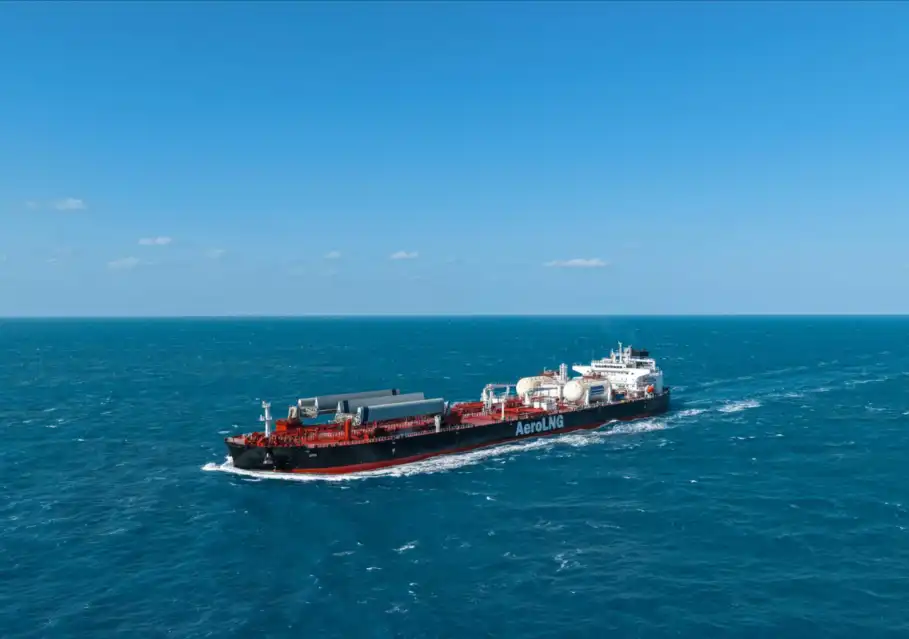
Understanding Wind-Assisted Propulsion for Modern Cargo Vessels
The marine business is under more and more pressure to cut costs while still following strict environmental rules. Profit margins are still being pushed to their limits by traditional fuel-based power, especially as bunker prices change and global carbon tax systems grow. Wind-assisted propulsion is a useful option that uses natural wind energy to help main engines do their job.
An Automated Sail System combines high-tech sensors, control units, and motors that work with the ship's current navigational gear. Modern systems work without any help from the crew; they change the position and form of the sails all the time based on wind conditions, the direction of the ship, and programs that optimize speed. It is especially useful for bulk carriers, tanks, and Ro-Ro ships that travel on long-distance routes that are easy to plan because trade winds provide steady extra power.
Core Components Driving Performance
These propulsion systems usually use marine-grade steel frames and high-strength composite materials to make them last in tough saltwater conditions and under mechanical stress. Programmable logic controls process real-time weather data and tell electrical or hydraulic actuators to feather or trim sails to maximize thrust while keeping the vessel stable.
Aerial wind angle, vessel speed, heel angle, and structural load limits are just some of the factors that the control system keeps an eye on. When bad weather comes, safety measures set off automatic stowing processes that protect both the crew and the equipment. When Dynamic Positioning systems and bridge navigation screens are connected, captains can see everything going on and can cancel automatically if they need to.
Measurable Advantages for Fleet Operators
The biggest benefit is better fuel economy, which has been shown to save anywhere from 5% to 30% based on the route and how the system is set up. These cuts have a direct effect on Carbon Intensity Indicator (CII) scores, which helps ships keep good regulatory classes and avoid fines. In addition to meeting regulations, using less fuel means a longer working range and fewer port calls to refuel.
There are more environmental benefits than just lowering carbon dioxide. Less engine usage means less nitrogen oxide and sulfur oxide pollution, which is especially helpful when traveling through Emission Control Areas, where rules make it harder to do some things. As Automated Sail System automation gets rid of the need for manual sail handling, the crew's workload goes down. This lets them focus on other working goals while still providing steady propulsion help on multi-day journeys.
Evaluating WindWings® Technology for Your Fleet
Through its TSC brand, CM Energy adds a lot of experience with maritime equipment to the field of wind propulsion. WindWings® is a complete system that can be used for both new builds and retrofits. The three-element stiff wing design creates more than 2.5 times the lift coefficient of regular single-element sails. This is because it is more aerodynamically efficient, which has been proven by the Wolfson Unit and approved by the DNV classification society.
The system comes in three sizes—20-meter, 24-meter, and 37.5-meter wing spans—so it can fit a variety of vessel sizes and types of work. About 1.6 tons of fuel are saved every day per wing with the biggest design, which equals 5.12 tons of CO2 saved every day. Multiple wings can be placed on the deck in the right places to get the most out of their performance.
Certification Standards and Real-World Validation
Classification society approvals from DNV, Bureau Veritas, Lloyd's Register, and the China Classification Society make sure that the ship's structure is sound, that it follows safety rules, and that it performs as promised. These licenses cover both design type approval and Approval in Principle (AIP), which helps boat owners get the money they need for insurance and finance.
According to installations on working bulk carriers that have made calls at over 20 major foreign ports, real-world operating data backs up performance claims. This operating history shows that it works with standard methods for handling goods, clearing port infrastructure, and weather routing across a wide range of global trade lines.
System Versatility Across Vessel Types
The mechanism helps chemical trucks maintain propulsion while the tank is full or empty. Lower engine loads improve tank cleaning and reduce boil-off gas. Newcastlemax bulk carriers position the deck between cargo holds to avoid the wing structure blocking the hatch cover or grab crane.
Long-haul routes from loading locations in the Middle East to discharge ports in Asia yield significant returns for LR2 ships due to year-round predictable wind patterns that create thrust. The system's weather planning software determines the ideal routes so the wind blows in the direction that delivers items on schedule and there are safety pauses for severe weather.
Freight ferry and coastal vessel owners prefer the rapid return on investment; payback timeframes sometimes dip below five years due to the large number of hours worked annually and coastal wind exposure. No engines or substantial electrical infrastructure improvements are required since the ship's electrical systems can provide electricity.
Installation Planning and Maintenance Requirements
For implementation to go well, navy architects and classification society inspectors must first do a full compatibility analysis. This study looks at the deck's structural capacity, how it will affect stability, how it will affect goods handling, how much space there is for the bridge to see, and how well it will work with other systems on the ship. The TSC branch of CM Energy provides full technical support throughout this process, making sure that designs meet all regulatory requirements and are optimized for the performance of each vessel and its operating profile.
Step-by-Step Implementation Process
The installation process usually comes after factory acceptance testing, which is done at factories to make sure that whole systems work properly before they are shipped. Onboard installation of the Automated Sail System happens during planned drydocking times, which keeps operations running as smoothly as possible and lets other repair tasks be done at the same time. Following classification-approved plans, structural supports are welded to deck plating. The wing structure is then mechanically put together, and control systems are connected to bridge equipment.
Commissioning includes trying all operating modes in a planned way, such as the deployment, trimming, feathering, and emergency stowing sequences. Calibration of the control system makes sure that sensor readings properly reflect the real world and that automatic reactions are in line with algorithms that improve performance. Deck officers and engineering workers learn how the ship normally works, how to use monitoring screens, and how to fix problems during training classes.
Proactive Maintenance Protocols
Routine reviews happen on dates similar to deck crane maintenance. They check the integrity of the hydraulic system, the usefulness of the actuators, the torque of the structural fasteners, and the state of the composite surface. Predictive maintenance features keep an eye on shaking patterns, changes in hydraulic pressure, and patterns of electrical motor current draw to spot problems before they happen.
Long-term service agreements give you access to networks for technical support, the handling of spare parts, and software changes that make the system run better as machine learning algorithms improve thrust optimization strategies. The 25-year design lifespan means that major parts don't need to be replaced as long as upkeep procedures are followed correctly. Systems can also be moved from one ship to another during fleet restructuring or when a ship is sold.
Safety Systems and Regulatory Compliance
Automatic tracking keeps an eye on the structure's loads all the time, making sure that wind-induced heel stays within safe limits and that sudden gusts cause feathering reactions right away. Manual override controls let bridge officers take direct control of the ship when approaching a port, going through a river, or in other scenarios where the ship needs to be handled carefully. If the power goes out, the emergency stowing features will automatically move the wing structure to a safe position without any active control input.
As more ships around the world start using WAPS, the rules that guide their installation are still changing. Classification groups give advice on practical limits, structure standards, and control system redundancy that shapes design needs. Ships with approved systems show they follow the rules set by the flag state and the port state control. This keeps the ships from getting detained or having their operations limited.
Procurement Strategies for B2B Decision Makers
When you buy wind power technology, you have to weigh the initial cost of the purchase against the long-term cost savings and environmental benefits. The total cost of ownership must be looked at by procurement teams. This includes installation costs, upkeep obligations, possible changes to cargo capacity, and insurance effects. Using detailed financial modeling that includes route-specific fuel savings estimates, carbon credit values, and CII rating changes can help figure out how much money you can make over the normal length of time you own a vessel.
Supplier Selection Criteria
Technical and business risks are lower when you buy from well-known companies that have a track record of making high-quality marine tools. CM Energy has a lot of experience with marine systems. They have installed more than 180 self-elevating platforms and over 350 deck cranes around the world. This shows that they can make safety-critical marine equipment and have quality control systems in place. The company's 159 approved patents, which include design patents, show that it can really come up with new ideas, not just license technology.
The warranty should cover the structural stability, the usefulness of the control system, and performance guarantees, along with clear steps for fixing problems if fuel savings goals are not met. After-sales support networks need to be spread out enough geographically to be able to provide quick technical help across vessel trading areas. This is especially important for systems with software components that need to be updated or fixed on a regular basis.
Retrofit Considerations Versus Newbuild Integration
Retrofit solutions make established ship platforms more efficient without waiting for newbuild delivery slots. Some ships may require reinforcing, although structural modifications aren't very large when deck plating is load-bearing. The ship has more flexibility than during original planning since it may pick the optimal deck sections depending on cargo handling.
Newbuild integration allows naval planners to design ships for wind power from the start, such as utilising less steel in the main propulsion systems or boosting fuel tank capacity to compensate for wing weight. Shipyards may speed up classification society design clearance by working directly with system vendors. Charterers increasingly want green electricity while negotiating tonnage. It gives yard marketing an edge with wind-assisted capabilities.
Financing Mechanisms and Incentive Programs
Managing capital needs can be easier with the help of different types of financing, such as running loans, which turn up-front costs into steady monthly payments that are linked to fuel savings. In some places, like Europe and North America, where policies support reducing carbon emissions in the marine sector, green shipping funds and environmental technology grants offer ways to get money to help with costs. Classification society verification of success lets you get better interest rates on loans from lenders who see lower operating risk profiles.
As cap-and-trade systems for marine pollution become more common, the sale of carbon credits has become a new way to make money. Emission savings that can be proven lead to tradable points that can be used to cover the costs of installation or provide ongoing income streams for as long as the system is in use. Hiring expert marine environmental consultants can help you deal with changing rules and make the most of the money-saving opportunities that are out there.
Future Innovations Shaping Wind Propulsion
Automated Sail System technology is moving in a direction where it will be easier and easier to connect to vessel management systems and fleet optimization tools on land. AI and machine learning algorithms will improve thrust prediction models by learning from operating data collected across multiple boats and routes. This will allow captains and fleet managers to get better performance advice all the time.
Advanced sensor networks that use LIDAR to measure wind and satellite weather data will make predictions more accurate. These networks will let systems predict changes in the wind minutes before they happen and set up sails so that the changes go smoothly. Hybrid power ideas that combine wind motion with battery storage and fuel cell technology open the door to zero-emission operations along the coast while still allowing for long-distance crossings.
Regulatory Drivers Accelerating Adoption
Strengthening the International Maritime Organization's rules on the Energy Efficiency Existing Ship Index (EEXI) and CII scores makes them more important to follow, which encourages the use of wind-assisted power. If a ship's CII rating is bad, it could be limited in what it can do, have its hiring rate lowered, or become economically obsolete too soon. Wind propulsion makes real, measurable gains that directly improve regulatory performance measures without having to replace the whole propulsion system.
More and more, port officials in areas that are sensitive to emissions are giving ships that do a great job of protecting the environment better berthing fees or more flexible schedules. These practical benefits go along with saving fuel because they lower costs related to ports and make schedules more reliable. As environmental laws get stricter around the world, early adopters get an edge over rivals who have to make expensive changes to meet the new rules within short deadlines.
Industry Collaboration and Technology Standardization
Cross-industry relationships between shipyards, operators, equipment makers, and classification groups speed up the development of technology by letting everyone learn from each other and agree on the best ways to do things. CM Energy is an involved member of these collaborative efforts. It provides operational data and engineering ideas that help shape new rules for classification and design. This kind of involvement makes sure that real operational concerns shape regulatory frameworks instead of putting up hurdles to compliance that make it take longer for useful technologies to be adopted.
Standardizing control interfaces, communication methods, and ways to measure performance will make buying things easier and allow ecosystems with more than one provider. Instead of being limited by a single seller, vessel owners will be able to choose the best combinations of wind propulsion systems, route optimization software, and performance tracking tools from a number of specialized providers.
Conclusion
To choose the best Automated Sail System, you need to carefully look at its technical abilities, certifications, seller dependability, and projected total cost of ownership. CM Energy's TSC brand's WindWings® technology has been shown to work well in the real world, with approvals from classification societies and tests on different types of ships and trade routes around the world.
With its three-element rigid wing design, automated control systems, and full lifecycle support, this solution is a great choice for business owners who want to cut down on fuel costs, improve CII compliance, and update their fleets in a way that will last. As demands to reduce carbon emissions in the marine sector grow and wind propulsion technology keeps improving, early adoption gives companies a competitive edge through lower running costs, better regulatory positioning, and charterer choice.
FAQ
1. What fuel savings can operators realistically expect?
It has been shown that fuel savings can be anywhere from 5 to 30 percent, based on the path, the type of vessel, and the wind patterns during different times of the year. The biggest savings are usually seen by bulk ships traveling transoceanic routes with steady trade winds. Vessels whose paths change more often may see smaller but still significant savings. Performance claims can be trusted because they are checked by independent classification societies, and onboard tracking systems make it clear what real savings were made during business operations.
2. Does installation affect cargo capacity or handling operations?
Modern Automated Sail System designs keep cargo damage to a minimum by strategically placing decks and including folding mechanisms that make room for hatch covers and tools used for handling cargo while the ship is in port. The wing construction can turn into a "laydown" position to clear the way for cranes and lines to work. During the design approval process, stability calculations were done to make sure that the heeling moments stayed within acceptable limits without limiting the amount of goods that could be loaded.
3. What maintenance commitments do these systems require?
Maintenance needs are in line with normal plans for deck machinery, and include regular checks of the hydraulic systems, the operation of the actuators, and the structure's strength. Routine maintenance is usually done during planned drydocking times, which keeps operations as smooth as possible. Predictive maintenance sensors check the health of parts and let teams know about problems that are starting to happen before they happen. This cuts down on unplanned downtime and repair costs.
Partner with CM Energy for Wind Propulsion Excellence
Through a full range of Automated Sail System options, CM Energy is ready to help your fleet switch to environmentally friendly wind-assisted power. When you buy WindWings® technology from our TSC brand, you get full lifetime support, from the initial compatibility check to installation, commissioning, and ongoing upkeep. Our systems meet the greatest safety and efficiency standards for the maritime industry. They have been certified by DNV, Bureau Veritas, Lloyd's Register, and CCS.
Whether you run chemical tankers, Newcastlemax bulk carriers, LR2 tankers, or coastal ferries, our engineering teams can make integration plans that work best for your specific vessel types and working profiles. As a trusted provider of Automated Sail Systems and a manufacturer of seafaring tools, we offer dependable solutions backed by decades of marine engineering excellence. Get in touch with our experts at info.cn@cm-energy.com to talk about how wind power can lower the cost of fuel for your fleet, improve your CII scores, and set you up for long-term environmental compliance.
References
1. International Maritime Organization (2023). "Guidelines on the Method of Calculation of the Attained Energy Efficiency Existing Ship Index (EEXI)." Marine Environment Protection Committee, London.
2. Bouman, E.A., Lindstad, E., Rialland, A.I., and Strømman, A.H. (2017). "State-of-the-art Technologies, Measures, and Potential for Reducing GHG Emissions from Shipping." Transportation Research Part D: Transport and Environment, Vol. 52, pp. 408-421.
3. Lloyd's Register and UMAS (2019). "Zero-Emission Vessels 2030: How Do We Get There?" Maritime Decarbonisation Research Programme, London.
4. Nelissen, D., Traut, M., Köhler, J., Mao, W., Faber, J. und Ahdour, S. (2016). "Study on the Analysis of Market Potentials and Market Barriers for Wind Propulsion Technologies for Ships." CE Delft, Brussels.
5. DNV GL (2021). "Wind-Assisted Ship Propulsion: Class Guideline DNVGL-CG-0424." Det Norske Veritas, Høvik, Norway.
6. Traut, M., Gilbert, P., Walsh, C., Bows, A., Filippone, A., Stansby, P., and Wood, R. (2014). "Propulsive Power Contribution of a Kite and a Flettner Rotor on Selected Shipping Routes." Applied Energy, Vol. 113, pp. 362-372.