Why Methanol Fuel Feed & Control System Is Essential
More and more pressure is being put on the marine industry to reduce its carbon footprint, and methanol has become a major alternative fuel option. The Methanol Fuel Feed & Control System is a special engineering solution that makes sure that methanol gets safely from holding tanks to engines that use both gasoline and ethanol. Unlike regular fuel systems, this technology takes into account methanol's special traits, such as its low temperature, ability to corrode, and poisonous nature. For people who run bulk ships, tankers, and offshore support boats, knowing why this system is important can mean the difference between following the rules and having to stop operations, or between saving money and having to pay for costly downtime.
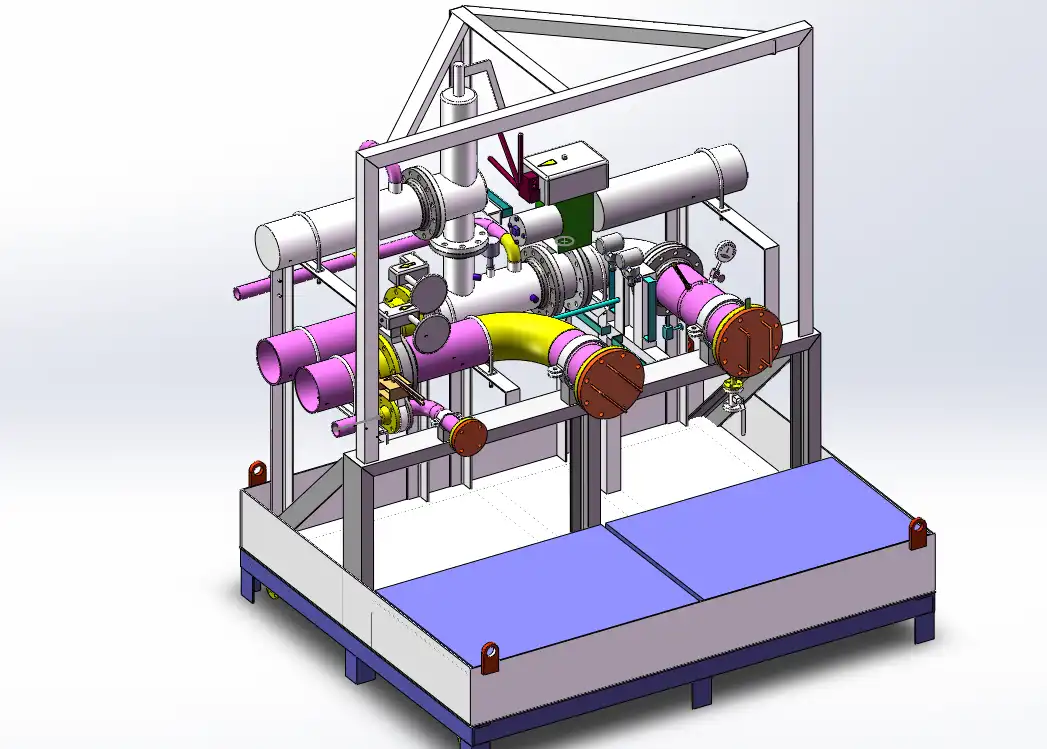
Understanding Methanol Fuel Feed & Control Systems
Methanol power is a big change in how maritime fuel is managed. The Methanol Fuel Feed & Control System coordinates a complicated set of parts that work together to precisely condition, pressurize, and control the flow of fuel.
Core Components That Drive Performance
At its foundation, the system is made up of four parts that work together. The methanol supply unit keeps the pressure, temperature, flow rate, and level of cleanliness exactly as the engine makers say they should be. This isn't easy—at 25°C, methanol has a viscosity of only 0.6 cSt, which is much lower than gasoline and requires precise engineering to avoid losing bulk efficiency.
The filling and distribution system handles bunkering operations according to the strict SOLAS-IBC Code rules. It also handles the dangerous properties of methanol while it is being moved and stored. Auxiliary systems do important support tasks like filtering, heating, and cooling. Control and safety systems include emergency stop procedures, leak detection, and nitrogen purging sequences. All of these parts work together to keep the engine stable under different loads, from starting up to full power operation and back to shutting down.
Why Conventional Fuel Systems Fall Short?
Heavy fuel oil infrastructure that has been used for a long time can't handle methanol without major changes. Because standard materials break down quickly in methanol, it needs special materials like 316L stainless steel for wet parts and PTFE or EPDM elastomers for seals. Because the fuel is hygroscopic, it can absorb water, which can lower its quality and needs to be constantly checked. Also, because methanol isn't very lubricating, it needs special pump designs with surface treatments or magnetic drive configurations to keep the machinery from breaking down.
Environmental and Economic Imperatives
When methanol is burned, it releases a lot less sulfur fumes, nitrogen oxides, and particulate matter than other marine fuels. This benefit for the environment means that the company will have to follow the rules for IMO Tier III pollution and will be ready for future pricing systems for carbon. From an economic point of view, methanol prices are more stable than oil prices, especially when they come from green feedstocks. Vessels with the right Methanol Fuel Feed & Control System can take advantage of these advantages while still having the freedom to use either gasoline or diesel.
Comparing Methanol Fuel Feed Systems with Alternative Fuel Systems
When decision-makers look at different ways to reduce carbon emissions, they need clear ways to compare them. The Methanol Fuel Feed & Control System is one of a kind when it comes to alternative fuels.
Methanol Versus LNG Infrastructure
LNG systems require cryogenic storage at -162°C, demanding heavily insulated tanks and special materials. Methanol remains liquid at ambient temperature, simplifying storage significantly. LNG systems incur substantial costs for storage and regasification equipment, while methanol systems use more conventional pumping and piping technology with upgraded materials for chemical compatibility. Methanol's reduced complexity makes it preferable for retrofit applications where space constraints prevent major structural modifications.
Diesel and Heavy Fuel Oil Comparison
Diesel systems offer proven technology and global bunkering infrastructure but provide no pathway to complete carbon neutrality. Methanol fuel management systems enable vessels to meet current and future emission regulations without relying solely on exhaust gas cleaning systems. Methanol typically requires 1.8 to 2.0 times diesel's volume for equivalent energy, but this disadvantage diminishes as carbon pricing increases fossil fuel costs. Dual-fuel configurations provide tactical security by enabling fuel switching based on availability and price.
Hydrogen and Ammonia Considerations
The storage density and safety control of a highly flammable gas are two of the biggest problems with hydrogen power. Even though ammonia is very energy dense, it is poisonous and needs careful combustion control to keep nitrogen gas from forming. The Methanol Fuel Feed & Control System works better when it deals with a liquid fuel that follows well-known chemical transport rules. Methanol can be made from sustainable sources or by combining captured carbon and green hydrogen. It has the same ability to reduce carbon emissions as other carbon-reducing technologies, but it is easier to put into practice. The current world network for making and distributing methanol has infrastructure benefits that new fuels can't yet match.
Key Design Principles and Components of Methanol Fuel Feed Systems
Engineering greatness is what separates useful systems from long-lasting, dependable assets. TSC's way of managing methanol fuel is based on ideas that have been proven to work through thorough testing and real-world use.
Pressure Control and Flow Dynamics
Maintaining stable fuel supply across engine load changes requires sophisticated pressure control. The system must respond rapidly enough to prevent cavitation or pressure spikes during idle-to-full-power transients. Double-walled pipes with continuous monitoring contain leaks and satisfy methanol vapour detection requirements. The control architecture interfaces with engine management systems receiving real-time load demand data, adjusting pump speeds to maintain optimal pressure bands, typically 6 to 8 barG for medium-speed engines depending on manufacturer specifications.
Material Selection for Longevity
Corrosion resistance determines system longevity. Methanol's chemical properties degrade conventional carbon steel, requiring wetted paths constructed from stainless steel. Seal selection proves equally critical. Natural rubber and some fluoroelastomers degrade rapidly in methanol service, while properly specified PTFE materials remain intact for thousands of operating hours. Pump internals may receive diamond-like carbon coatings or specialised surface treatments addressing methanol's low lubricity, substantially reducing maintenance frequency compared to unprotected components.
Modular Design Philosophy
Shipowners can get a lot of benefits from TSC's flexible Methanol Fuel Feed & Control System method. Shipyards get prefabricated skid-mounted units that are mostly finished, which cuts down on building time and danger. This way of thinking about design made it possible to deliver methanol supply systems for Stena RoRo ships, which had to be installed quickly and easily using plug-and-play methods. The modular idea makes it easier to service in the future because techs can get to important parts without taking the whole thing apart, and standard interfaces make it easy to change parts. Customization is still possible within the flexible framework, which lets it be changed to fit the space limitations and engine needs of each vessel.
Safety System Integration
Emergency reaction skills show how reliable a system is when things go wrong. During repair or shutdown, automated nitrogen purging gets rid of flammable vapors in the pipes, and double block and bleed valve setups stop fuel from moving. Hydrocarbon sensors placed all over the engine room set off emergency stop processes if the amount of vapor exceeds what is considered safe. These safety layers meet the standards of the IGF Code for low-flashpoint fuels and give the necessary alternatives for classification society approval. This all-around safety method is proven by the fact that CM Energy's methanol fuel supply systems have been certified by DNV.
How to Choose and Procure the Right Methanol Fuel Feed & Control System?
Buying things has long-lasting effects on operations and finances. Setting clear guidelines for review helps teams find solutions that meet the goals of the business.
Defining Performance Requirements
Begin with engine manufacturer specifications covering pressure ranges, flow rates, fuel quality parameters, and interface standards. Operational profiles matter: short-sea vessels with frequent port calls need systems designed for rapid load switching, while ocean-going vessels prioritise steady-state efficiency. Space constraints depend on engine size and type. VLCCs with large-bore two-stroke engines may require flow rates exceeding 8 m³/h, while smaller vessels manage with 3 to 4 m³/h. Environmental conditions also influence design for Arctic or warm-weather operations.
Evaluating Supplier Capabilities
Track record demonstrates execution capability. CM Energy has successfully completed 19 clean fuel supply systems, demonstrating project management competence and technical understanding. Evaluate provider experience with similar vessel types. Chemical tanker construction expertise transfers effectively to methanol fuel systems due to overlapping regulatory frameworks. Manufacturing capabilities affect quality and delivery timelines. Facilities performing fabrication, assembly, and testing under one roof deliver more consistent results. DNV Product Certificates and Approval in Principle documentation confirm designs meet classification standards.
Understanding Total Cost of Ownership
Purchase price represents only one component of lifetime economics. Examine maintenance requirements, spare parts availability, and scheduled service intervals. Accessibility-focused systems reduce maintenance time. Standardised components from established suppliers ensure worldwide parts availability. Comprehensive operator and maintainer training reduces operational risk. Service agreements benefit organisations without dedicated technical staff. Packages including routine maintenance and emergency assistance simplify budgeting. Energy efficiency carries long-term operating cost implications, with precise pressure control minimising parasitic pump energy losses.
Navigating the Procurement Process
Successful procurement requires technical, operations, and purchasing teams collaborating on comprehensive specifications. Issue inquiries to multiple qualified providers with vessel details, engine specifications, and applicable regulations. Technical clarifications resolve ambiguities, ensuring proposals address actual requirements. Evaluate offers holistically, as lowest price rarely represents best value considering quality, support, and reliability. Reference checks with existing customers provide honest performance assessments. Contract negotiations should address warranty terms, installation assistance, and post-delivery technical support with clear interface standards.
Maintaining Efficiency and Troubleshooting Methanol Fuel Feed Systems
To have excellent operations with a Methanol Fuel Feed & Control System, you need to do regular upkeep and fix problems quickly. Return on investment is highest when you know about common problems and how to avoid them.
Routine Maintenance Fundamentals
Differential pressure monitoring, not arbitrary time intervals, determines filter element replacement timing. Methanol cleanliness significantly affects filter life, with high-quality fuel extending service intervals. Pump mechanical seals require inspection every 4,000 to 8,000 hours to detect wear before catastrophic failure. Magnetic drive pumps offer extended life but still need periodic bearing inspection. Flow meter, pressure sensor, and temperature transmitter calibration maintains control system accuracy annually, aligning with classification society survey schedules. Nitrogen generator systems require desiccant replacement and compressor servicing per manufacturer instructions.
Diagnosing Flow Inconsistencies
Systematic diagnosis rapidly identifies root causes of fuel flow problems. Check filter differential pressure; clogged elements restrict flow and may indicate tank contamination. Verify pump performance by comparing output pressure against flow rate curves. Deviations indicate cavitation or damaged pump internals. Examine suction strainers for debris accumulation. Review control system logs for anomalous sensor readings; faulty flow transmitters cause inappropriate control system responses. Air entrainment produces similar symptoms; verify tank levels and vent system function.
Addressing Calibration Drift
Sensor data must be correct for control systems to work. Systematic calibration testing finds instruments that aren't working right when pressure numbers don't seem to match up with how they should be working. To find outliers, compare different sensors that measure the same characteristics. When measuring flow, temperature-compensated testing is very important because volumetric flow rates change with temperature and compensation methods need correct temperature inputs. When pressure devices are close to their range limits, they lose accuracy. This problem can be avoided by defining the right ranges during design.
Operator Training and Knowledge Transfer
Technical systems perform only as well as personnel operating them. Comprehensive training covers normal operation, routine maintenance, and emergency procedures. Simulator-based training enables personnel to experience abnormal conditions safely, building confidence and competence. Documentation should include clear decision trees and simplified troubleshooting guides, reducing diagnostic time during actual events. Regular refresher training prevents skill degradation, particularly on vessels with frequent crew rotations. Communication channels between shipboard personnel and shore-based technical support enable rapid consultation on unusual events.
Conclusion
As a practical way for the marine industry to reduce carbon emissions, methanol propulsion strikes a balance between environmental impact and operating and economic viability. The Methanol Fuel Feed & Control System is a key part of this shift because it handles a tricky fuel safely and effectively across a wide range of vessel types and working profiles. In this field, choices about procurement have long-lasting strategic effects that affect regulatory compliance, operational costs, and the company's place in the market. As carbon pricing and emissions rules change the competitive environment, companies that buy systems from knowledgeable suppliers that are properly designed will be in a better situation. The technology is no longer just a test; it has been installed and been shown to work, and suppliers are now able to offer more products. Vessel owners and operators have a clear choice: they can either switch to methanol propulsion and trust that their fuel management systems will work well, or they can keep using fossil fuels and deal with the rising costs and limited market access that come with them.
FAQ
1. hat makes methanol different from diesel in terms of fuel handling?
Because methanol has a low temperature below 60°C, it is a dangerous chemical that needs special ways to be contained and find leaks. Because it corrodes, it needs to be made of stainless steel, and because it doesn't lubricate well, it needs pump parts that are carefully made for it. Because of these factors, specialized Methanol Fuel Feed & Control System technology turns out to be necessary rather than a choice.
2. Can existing vessels retrofit methanol capability?
It depends on how much room is available, how well the structure can support extra tanks, and how well the new engine works with the old one. A lot of current medium-speed engines come with kits that let you change the fuel type. Modern methanol supply systems are made up of separate modules that make them easy to put on older ships, especially ones that already have dual-fuel infrastructure.
3. How does methanol compare environmentally to LNG?
Both sources make the air cleaner in the area a lot better. When made from green sources or with carbon capture, methanol can help lower carbon emissions, but LNG is still a fossil fuel. The ability to store methanol at room temperature makes it easier to handle than cold LNG systems, which lowers the amount of rogue emissions that come from boil-off.
Partner with CM Energy for Advanced Methanol Propulsion Solutions
CM Energy (TSC) is a trusted company that makes Methanol Fuel Feed & Control System units. They combine their years of experience in naval engineering with the latest clean fuel technology. Our methanol supply systems are used on a wide range of vessels, from very big ships to specialized chemical tankers. They are backed by DNV approval and successful installations, such as Stena RoRo projects. The TSC team helps with everything, from the initial design to installation and service throughout the lifecycle. This makes sure that your switch to methanol power works well and doesn't cost too much. We are the leaders in this game-changing technology, with 19 clean fuel systems already supplied and cutting-edge research starting in late 2022. Get in touch with our engineering team at info.cn@cm-energy.com to talk about your unique needs. Whether you're building something new or fixing something up, our flexible approach lets us create solutions that are perfect for your needs while staying on schedule and on budget. Find out why the world's biggest shipowners trust CM Energy to provide mission-critical fuel control tools that keep maritime operations running smoothly.
References
1. International Maritime Organization. "International Code of Safety for Ships Using Gases or Other Low-Flashpoint Fuels (IGF Code)." IMO Maritime Safety Committee, 2017.
2. DNV GL. "Alternative Fuels for Shipping: Assessment of Methanol as Marine Fuel." DNV GL Maritime Technical Report, 2021.
3. Methanol Institute. "Methanol Marine Fuel: Technical and Operational Guidelines." Methanol Institute Industry Standards Publication, 2022.
4. American Bureau of Shipping. "Guide for Methanol and Ethanol Fueled Vessels." ABS Technical Standards and Guidelines, 2023.
5. International Association of Classification Societies. "Requirements Concerning Machinery Installations for Ships Using Low-Flashpoint Liquid Fuels." IACS Unified Requirements, 2020.
6. Society of Naval Architects and Marine Engineers. "Marine Fuel System Design for Alternative Fuels." SNAME Technical and Research Bulletin, 2023.