Lifecycle support for the Methanol Fuel Supply System (MFSS) includes all the work needed from the time of planning and installation, through decades of use, and finally to its retirement. Preventive maintenance programs, real-time tracking systems, emergency repair services, help with following the rules, performance improvement, and end-of-life management are all part of this support. Today's MFSS solutions include high-tech diagnosis tools, flexible update paths, and specialized technical knowledge. This ensures that they can be used reliably at all times and that the overall cost of ownership is kept low across a range of naval and industrial uses.
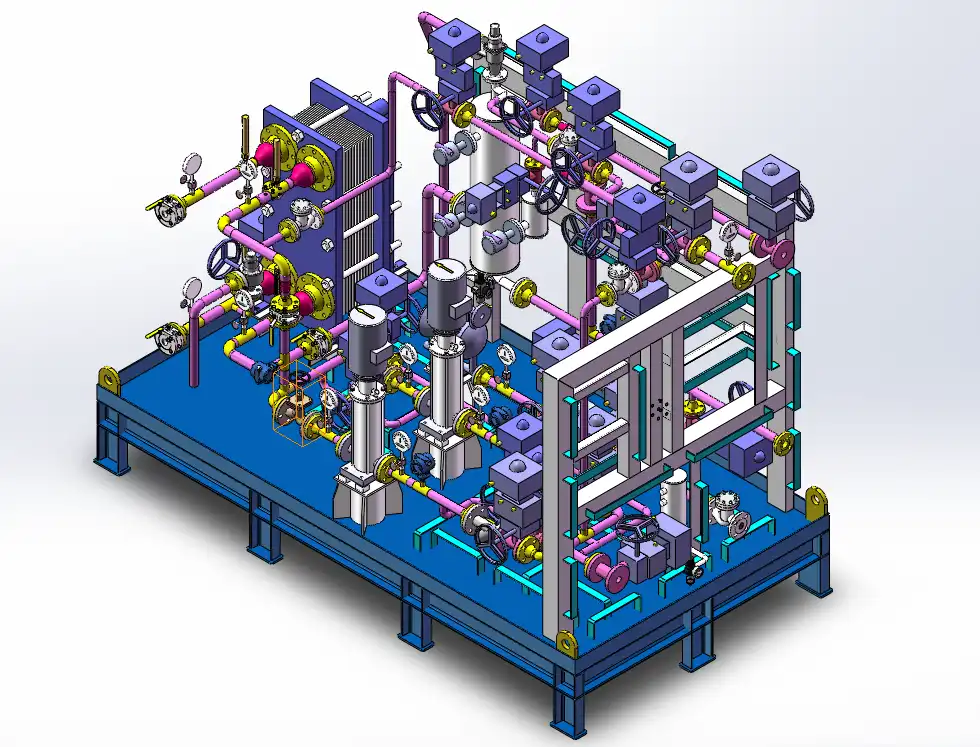
Understanding the Lifecycle of Methanol Fuel Supply Systems
Methanol fuel systems are a complex mix of parts that are made to give a clean-burning replacement fuel for a wide range of industry uses. Understanding the full lifespan helps people who have a stake in the business make smart choices about long-term investments and ways to keep the business running.
Core System Parts and How They Work
A fully integrated methanol fuel system is made up of four main parts that work together without any issues. The methanol delivery machine keeps the exact standards for pressure, temperature, flow rate, and cleaning that engine makers need. This device guarantees consistent performance under a range of operating loads. It also makes sure that changes like starting, stop, and fuel switching are handled correctly.
The filling and delivery system handles the storage, methanol bunkering, and transfer activities, all while following strict chemical vessel rules. Because methanol has a low temperature, is poisonous, and can eat away at certain materials, these systems use special safety features to deal with these issues. Today's designs use modular construction that makes it possible to place the parts in different ways that are suited to the needs of each vessel.
Operational Needs and Lifecycle Stages
The Methanol Fuel Supply System process has different parts that need different kinds of help. The first steps in planning and manufacturing are mostly about making sure the ship meets its own needs and follows the rules. Installing this must be done very carefully, as it requires technical knowledge of how to make it work with the ship's other systems.
During the operational phase, performance must be optimized, regular repair and constant tracking must be done, and effective fuel supply must be ensured. System shutdown, component disposal, and environmental compliance are all parts of end-of-life management. Every stage has its own problems that are easier to deal with when you get help from professionals who know about lifetime support services.
Comprehensive Maintenance and Support Services for MFSS
Proactive repair strategies that stop systems from breaking down and extend their working lives are important for effective lifecycle support. Professional repair services include both planned and unplanned actions.
Preventive Maintenance Tips
Scheduled repair plans are the key to making sure that MFSS always works. Regularly checking the system, lubricating parts, changing filters, and trying function are all parts of this thorough method. Preventive methods greatly lower unexpected problems while making the fuel system more efficient.
Today's maintenance routines use high-tech diagnosis tools and tracking technologies that can keep an eye on things from afar and make use of forecast maintenance methods. These systems keep an eye on important factors all the time. If there might be a problem, the system alerts the operator so it doesn't fail in a costly way. Real-time data analysis helps make repair plans better and cuts down on pointless work.
Fixing Problems and Emergency Response
Common problems with running a business are system leaks that need to be fixed right away, fuel contamination, and rust. Professional support services can quickly help you with their specialized knowledge and ability to quickly change parts.
Advanced fixing uses high-tech monitoring tools that quickly find the root problems and suggest the right ways to fix them. Emergency reaction procedures make sure that repairs can be done safely and quickly.
Customizing Lifecycle Support to Your Application Needs
Different naval and industry uses have different needs that require customized lifetime support methods. Understanding these different needs leads to better service and more efficient operations.
Uses in the Marine Sector
Bulk carriers, heavy oil tankers, chemical tankers, and other specialized ships all have different conditions that affect how they need to be maintained. Ships that travel across oceans face tough conditions, long periods of time when they can't go to port, and strict rules from around the world.
Offshore support boats and green hydrogen production ships have to follow special care rules that take into account how they are used and the environments they are in. Quick repair that cuts down on downtime is helpful for port service vessels like tugs and supply boats.
Service Solutions That Can Grow
Modular service packages offer flexible, affordable help for different system types and operating situations. Vessel owners are able to choose the right amount of service based on their needs and budget because of these flexible plans.
Customized support programs take marine trade trends, working plans, and rules into account. This focused method makes sure that resources are used in the best way possible and keeps high standards of stability in a wide range of uses.
Ensuring Safety and Compliance Throughout the Lifecycle
Safety rules and legal compliance are important parts of Methanol Fuel Supply System lifecycle management that must always be done with professional help. People, property, and natural resources are safe, and market access is guaranteed when properly done.
Safety Tips and Risk Reduction
Unique safety measures for methanol include special keeping, training for the people who work with it, and plans for what to do in a disaster. These rules cover normal and emergency situations in order to protect people and lower danger.
Extra safety systems, the ability to watch automatically, and detailed emergency reaction plans are all risk reduction tactics. Regular safety checks and training for staff make sure that everyone follows the new safety rules and guidelines.
International Rules and Ways to Get a Certificate
MFSS sites must follow a number of global rules, such as those in SOLAS-IBC that are meant for chemical handling and those in IGF that are meant for fuels with low flashpoints. Professional lifetime help includes managing records, getting ready for audits, and working with the government on rules.
To keep the certification, you have to keep records, do regular checks, and make sure that the whole system lifecycle follows the rules. Professional support services make sure that rules are always followed and help people get into the market and get permission to run their businesses.
Cost and Performance Optimization Over MFSS Lifecycle
Finding a balance between performance needs and practical costs calls for strategic lifecycle management methods that make the most of both short-term business needs and long-term investment returns.
Analysis of Lifecycle Costs
Total cost of ownership includes the amount paid at first, the money spent keeping it working, and decisions that need to be made when it is no longer useful. Professional lifetime support helps get the best value on these costs by planning upkeep, keeping an eye on performance, and making things more efficient.
Predictive repair programs, big buying plans for new parts,, and better service schedule that cuts down on operating delays are all ways to save money. These methods usually save a lot of money compared to traditional response repair strategies.
Ways to Improve Performance
Continuous performance tracking finds ways to make things more efficient with fuel, lower emissions, and make the whole system more reliable. Advanced analytics help find patterns and suggest changes to the way you work that will help you get the most out of your money.
Upgrade and upgrade choices make it possible for older systems to take advantage of new technologies, better safety, and higher economy. These expenses often make a big difference in how the business runs, how long the system lasts, and how compliant it is with the rules.
CM Energy's MFSS Solutions and Lifecycle Support
CM Energy stands as a top expert in methanol fuel supply systems, mixing novel technology with complete lifecycle support services. Our TSC name stands for a long history of marine technical knowledge and a dedication to environmentally friendly energy sources.
Expertise and a Track Record That Are the Best in the Industry
Our group has a lot of experience designing dual-fuel vessels, liquid gas carriers, chemical ships, and other systems that are connected to this work. With multiple installations of methanol fuel supply systems going well, including big projects for major shipping companies, CM Energy shows that it can handle difficult naval tasks.
Our innovative approach, which led to the early creation and delivery of methanol fuel supply units, continues to push the industry forward. Our broad services include a range of different alternative fuel systems that help ship owners fully transition their energy.
A wide range of services
CM Energy's support services for the lifetime of a system go from helping with the initial design to ongoing assistance for operations and system updates. Our modular design makes placement more flexible, which meets the needs of different vessels while making sure that performance and stability are top-notch.
The customer-centric method focuses on quick technical help, global service, and personalized solutions that meet specific business needs. TSC has a history of successfully installing our products on a wide range of craft types, showing that we can provide dependable solutions for challenging marine uses.
Conclusion
Good lifetime support for methanol fuel supply systems includes a lot of different services that make sure the system always works right and follows the rules. Professional support services are very helpful because they can do routine upkeep, respond to emergencies, and always look for ways to make your equipment work better. These services lower the total cost of ownership while increasing the efficiency of your operations. As the marine industry moves to more environmentally friendly fuels, working with experienced providers will help make the MFSS system work and keep the system running smoothly in the long term.
Frequently Asked Questions
Q1: How often should you do upkeep on a methanol fuel supply system?
A: How often maintenance is needed depends on how the system is used and how it's set up, but it usually includes monthly checks, service of parts every three months, and full system checks every year. Professional repair companies make unique plans based on specific operating traits and advice from manufacturers.
Q2: How does lifetime support make the methanol fuel system more reliable?
A: Full lifetime support stops unexpected problems with predicted maintenance, quick emergency help, and ongoing compliance with rules. This preventative method usually lowers downtime by as much as 40%, lengthens the life of the system, and improves fuel economy.
Q3: Is it possible to update older ships with new MFSS lifetime support systems?
A: Yes, update installs can include current upkeep rules, better parts, and advanced tracking systems. A professional evaluation finds the best ways to change that will improve speed without breaking connection with the ship's current systems or the way it is used.
Partner with CM Energy for Superior Methanol Fuel Supply System Solutions
CM Energy provides full lifetime support that keeps costs low, efficiency high, and compliance with rules for methanol fuel systems. We know a lot about marine energy systems, and when you mix that with TSC's new technologies, you get solid solutions that are tailored to your needs. Our team can quickly help you with system installation, retrofitting, or ongoing repair from anywhere in the world. Get in touch with the experts at our Methanol Fuel Supply System company to talk about personalized options that can help your ship run more efficiently and go greener. Contact us at info.cn@cm-energy.com to discuss your specific requirements and discover how our comprehensive support services can optimize your methanol fuel system investment.
References
1. International Maritime Organization. "Guidelines for Systems and Installations for Supply of Methanol as Fuel to Ships." Maritime Safety Committee, 2023.
2. Society of Naval Architects and Marine Engineers. "Methanol Fuel Supply Systems: Design and Operational Considerations." Marine Technology Journal, Volume 45, 2023.
3. Classification Societies Alliance. "Lifecycle Management Best Practices for Alternative Marine Fuel Systems." Technical Guidelines Series, 2024.
4. Maritime and Port Authority Research Institute. "Preventive Maintenance Strategies for Methanol Fuel Infrastructure." Industrial Maritime Engineering Review, 2023.
5. International Association of Marine Engineering. "Safety Protocols and Compliance Requirements for Methanol Fuel Supply Systems." Professional Standards Publication, 2024.
6. Global Maritime Energy Transition Council. "Cost-Benefit Analysis of Alternative Fuel System Lifecycle Support Services." Annual Industry Report, 2023.
