What Are the Key Components of a Methanol Fuel Supply System?
Methanol fuel supply systems represent a revolutionary approach to clean energy delivery in marine and industrial applications. These specialized installations manage methanol as an alternative fuel that burns cleaner than traditional diesel or gasoline options. The unique chemical properties of methanol, including its corrosive nature and specific volatility characteristics, require engineered solutions that go far beyond conventional fuel handling approaches. The maritime industry increasingly adopts these systems as environmental regulations tighten and sustainability becomes a business imperative. Understanding these systems enables procurement managers to make informed decisions about transitioning to cleaner fuel alternatives. The complexity of methanol handling requires specialized knowledge about material compatibility, flow control mechanisms, and safety protocols that differ significantly from conventional fuel systems. This knowledge becomes essential when evaluating suppliers and planning installation timelines for both new construction and retrofit projects.
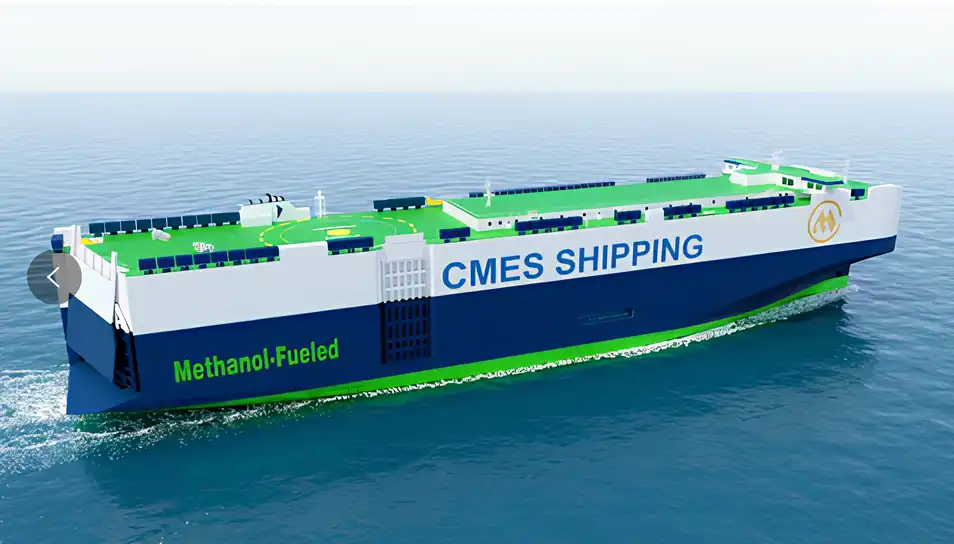
Core Components of a Methanol Fuel Supply System
Storage and Tank Systems
Storage units shape the establishment of any viable methanol fuel conveyance framework. These tanks utilize specialized corrosion-resistant materials outlined to withstand methanol's forceful chemical properties over amplified operational periods. The tank plan joins progressed separator and warming components to keep up ideal fuel temperature in any case of natural conditions. Legitimate tank measuring guarantees satisfactory fuel saves whereas assembly space imperatives on board vessels or inside mechanical facilities.
Material choice plays a vital part in tank development, with stainless steel combinations and specialized coatings giving long-term toughness. Tank frameworks incorporate coordinates observing hardware that tracks fuel levels, temperature variations, and potential contamination. Ventilation frameworks oversee vapor emissions securely, while preventing pressure buildup that could compromise the framework's integrity.
Fuel Delivery and Injection Components
The conveyance framework oversees methanol stream from capacity tanks to motors with exactness that matches particular operational necessities. Progressed pump arrangements handle methanol's one-of-a-kind stream characteristics whereas keeping up reliable weight over shifting request levels. Infusion frameworks consolidate specialized spouts and control components planned particularly for methanol's combustion properties.
Flow control components react quickly to motor stack changes, guaranteeing ideal fuel conveyance amid startup, ordinary operation, and shutdown strategies. These components coordinated consistently with motor administration frameworks to optimize execution, while minimizing outflows. The conveyance framework incorporates repetitive pathways and reinforcement components that keep up fuel supply indeed amid component upkeep or startling failures.
Conditioning and Filtration Systems
Fuel conditioning components keep up methanol virtue all through the capacity and conveyance system. Progressed filtration frameworks evacuate contaminants that may harm motor components or decrease combustion effectiveness. Warming components inside the conditioning framework guarantee methanol comes to the ideal temperature some time recently infusion, making strides combustion characteristics and diminishing emissions.
Water partition frameworks address methanol's hygroscopic nature, anticipating defilement that may influence fuel quality. These frameworks incorporate computerized checking that recognizes defilement levels and triggers suitable reactions. Temperature control instruments keep up steady fuel properties regardless of surrounding conditions, guaranteeing solid motor execution over different operational environments.
Control and Monitoring Infrastructure
Electronic control units arrange all framework capacities whereas giving real-time observing capabilities. These modern frameworks coordinated sensors throughout the fuel supply system to track weight, temperature, stream rates, and fuel quality parameters. Computerized security frameworks react immediately to anomalous conditions, ensuring gear and faculty from potential hazards.
The checking foundation gives comprehensive information logging capabilities that back prescient upkeep programs and operational optimization. Inaccessible observing choices empower shore-based back groups to track framework execution and give specialized help when required. Integration with vessel administration frameworks makes a cohesive operational stage that streamlines group preparation and decreases operational complexity.
Design Principles and Operational Guidelines
Material Selection and Corrosion Management
Designing effective Methanol Fuel Supply Systems requires careful attention to material compatibility throughout all system components. Methanol's corrosive properties demand specialized alloys and coatings that maintain integrity over extended operational periods. Engineers must consider thermal expansion characteristics and chemical compatibility when selecting gaskets, seals, and connection hardware.
Corrosion management extends beyond basic material selection to include protective coatings and cathodic protection systems where appropriate. Regular inspection protocols identify potential corrosion issues before they compromise system integrity. These design considerations significantly impact long-term operational costs and maintenance requirements.
Safety and Leak Prevention Measures
Safety considerations overwhelm each viewpoint of methanol fuel framework plan due to the fuel's moo flashpoint and potential poisonous quality. Spill discovery frameworks give quick notice of fuel leaks, empowering fast reaction to anticipate security episodes. Ventilation frameworks oversee vapor concentrations inside secure limits while preventing accumulation in enclosed spaces.
Emergency shutdown frameworks give numerous pathways for quickly separating fuel supplies in crisis circumstances. Fire concealment frameworks particularly outlined for methanol fires guarantee compelling crisis reaction capabilities. Faculty assurance gear and preparing programs address the special security necessities related to methanol taking care of operations.
Maintenance Protocols and Best Practices
Effective support programs expand framework life expectancy while guaranteeing reliable execution and quality. Planned review conventions recognize wear designs and potential disappointment focuses, some time recently they affect operations. Preventive support strategies address the special prerequisites of methanol-compatible components and materials.
Spare parts administration gets to be basic for methanol systems due to specialized component requirements that may not be readily available in all ports. Support groups require specialized training to securely work with methanol frameworks and get it the special properties of framework components. Documentation frameworks track support exercises and component execution to optimize future upkeep schedules.
Comparative Insights and Market Considerations
Environmental Benefits and Cost Analysis
Methanol Fuel Supply Systems deliver substantial environmental advantages compared to traditional diesel alternatives. Emission reductions include significant decreases in sulfur compounds, particulate matter, and greenhouse gases during combustion. These environmental benefits help vessel operators meet increasingly stringent international emission standards while supporting corporate sustainability objectives.
Cost analysis reveals that while initial system investment may exceed traditional fuel infrastructure, operational savings and environmental compliance benefits often justify the investment. Fuel cost stability and availability considerations favor methanol in many markets, particularly as production capacity expands globally. Total cost of ownership calculations must include maintenance requirements, crew training needs, and potential regulatory incentives.
Supplier Landscape and Technology Evolution
The worldwide provider is arranging for methanol fuel frameworks expansion as demand develops over sea and mechanical divisions. Driving producers offer progressively modern arrangements that coordinated progressed control frameworks with demonstrated unwavering quality. Innovation advancement centers on progressing productivity, diminishing upkeep necessities, and improving security features.
Supplier assessment criteria incorporate specialized mastery, fabrication capabilities, global supply chains, and compliance with universal measures. Organization contemplations amplify past introductory gear supply to incorporate progressing specialized back, save parts accessibility, and framework update pathways. The most effective providers give comprehensive arrangements that address interesting client prerequisites whereas keeping up standardized components where possible.
Procurement Strategy and Implementation Planning
Successful methanol fuel framework obtainment requires cautious coordination between different partners, including vessel administrators, shipyards, classification societies, and administrative specialists. Timeline arranging must account for designing audit periods, fabrication lead times, and establishment planning limitations. Early provider engagement makes a difference in recognizing potential challenges and optimize framework plan for particular applications.
Implementation arranging addresses group preparation needs, operational method improvement, and security convention foundation. Supply chain contemplations incorporate fuel acquirement techniques and bunkering facility accessibility in planned operational ranges. Fruitful ventures regularly include staged execution approaches that permit administrators to pick up involvement whereas minimizing operational disruption.
Conclusion
Methanol fuel supply systems represent a transformative technology that addresses the maritime industry's urgent need for cleaner, more sustainable fuel alternatives. The four core components - supply units, delivery systems, auxiliary equipment, and control infrastructure - work together to manage methanol's unique properties while delivering reliable performance across diverse operational conditions. Understanding these systems enables informed decision-making about transitioning to cleaner fuel alternatives that meet environmental regulations while maintaining operational efficiency. As the technology continues evolving and supplier networks expand globally, methanol fuel systems position themselves as viable solutions for achieving sustainability goals without compromising operational excellence.
FAQ
1. What makes methanol different from traditional marine fuels?
Methanol burns cleaner than conventional diesel fuels, producing significantly lower emissions of sulfur compounds, particulate matter, and greenhouse gases. However, its corrosive properties and lower energy density require specialized handling equipment and storage systems designed specifically for methanol compatibility.
2. How do methanol fuel systems ensure operational safety?
Advanced safety systems include leak detection networks, emergency shutdown capabilities, vapor management systems, and specialized fire suppression equipment. These systems address methanol's low flashpoint and potential toxicity through multiple layers of protection and automated response mechanisms.
3. What maintenance requirements do methanol fuel systems have?
Maintenance programs focus on corrosion monitoring, seal integrity verification, and filtration system upkeep. Specialized components require trained personnel and specific spare parts inventory, but overall maintenance complexity remains manageable with proper planning and supplier support.
CM Energy: Your Trusted Partner for Advanced Methanol Fuel Systems
TSC, CM Energy's methanol fuel technology leader, offers innovative maritime solutions. Our system design, installation, and support expertise ensures seamless connection with your operating system. Major shipowners worldwide trust the Hong Kong Stock Exchange-listed innovative technology company's financial stability and technical excellence. Our methanol fuel supply systems include corrosion-resistant storage tanks and advanced control systems that optimize performance in various operating conditions. Modular design makes boat construction and fleet maintenance adaptable. With experience in dual-fuel boats, liquefied gas carriers, and chemical tankers, our technical staff develops solutions that meet the highest operational requirements.
What sets CM Energy apart is our proven track record with 19 delivered clean fuel systems, including successful methanol fuel supply system installations for Stena RoRo operations. Our commitment to innovation drives continuous improvement in system efficiency, safety features, and operational reliability. When you partner with a leading Methanol Fuel Supply System manufacturer like CM Energy, you gain access to comprehensive lifecycle support that extends far beyond initial delivery. Contact our technical experts at info.cn@cm-energy.com to discuss how our methanol fuel supply solutions can meet your specific operational requirements.
References
1. International Maritime Organization. "Guidelines for Ships Using Methyl/Ethyl Alcohol as Fuel." Maritime Safety Committee, 2021.
2. Maritime and Port Authority of Singapore. "Technical Standards for Methanol as Marine Fuel." Port Marine Notice, 2023.
3. Lloyd's Register. "Methanol as a Marine Fuel: Safety, Technology and Training Requirements." Technical Report, 2022.
4. DNV GL. "Alternative Fuels for Shipping: Methanol Technical and Operational Handbook." Classification Society Guidelines, 2023.
5. American Bureau of Shipping. "Guide for Methanol-Fueled Ships and Installations." ABS Technical Standards, 2022.
6. Society of Naval Architects and Marine Engineers. "Methanol Fuel Systems: Design Principles and Safety Considerations." Technical Paper Series, 2023.
