Top-Rated Cargo Handling System Suppliers Globally
China has become a major center for high-tech cargo handling systems, providing options for VLGCs and LNG ships, among others. Chinese makers make high-performance systems that meet global safety standards. Their prices are low and their machinery is state-of-the-art. As the marine industry grows, these tools help make supply lines more efficient and make sure that all types of ships can operate safely and effectively.
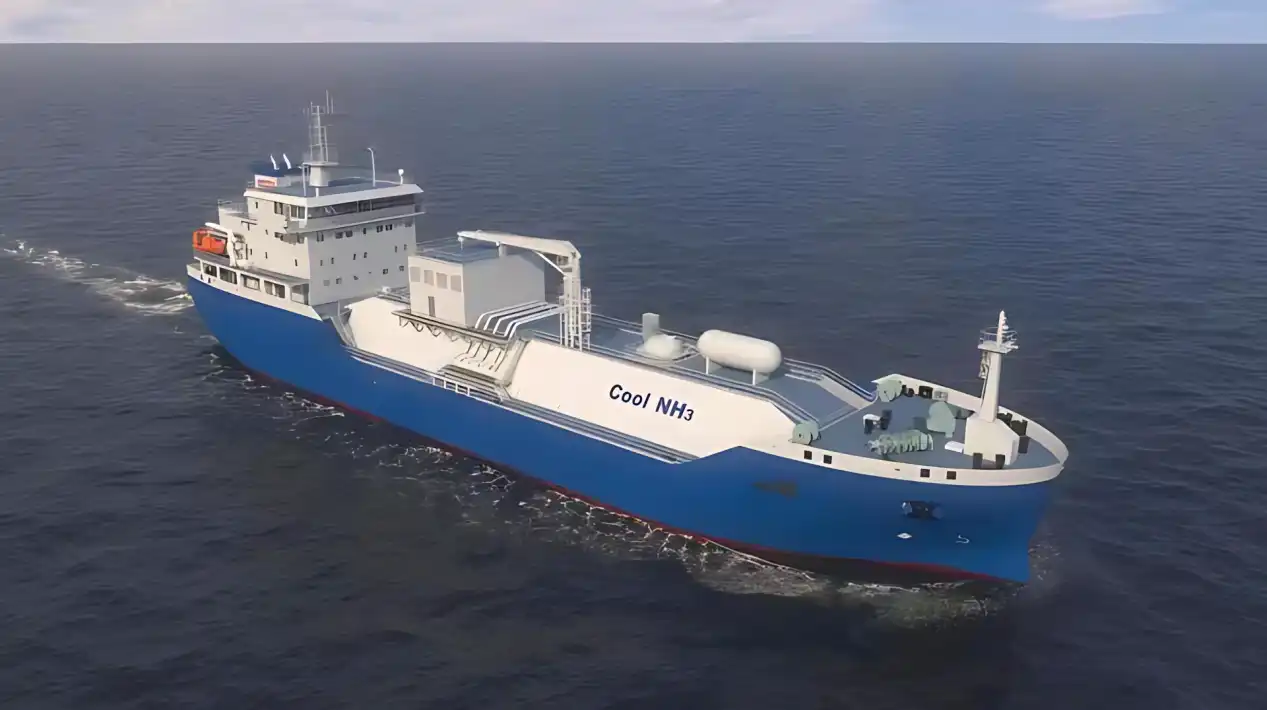
Understanding China's Manufacturing Advantages in Maritime Cargo Solutions
Cost-Effectiveness Without Compromising Quality
Chinese companies have low prices because they use robotics, smart production, and high-tech quality control to make sure their products are reliable for marine uses. Robotics and advanced testing make sure that performance and safety are always the same. They meet strict licensing standards while saving customers money.
Technological Innovation and Research Capabilities
Leading Chinese companies put money into research and development and work with experts from around the world to come up with new ideas. They use technologies like RFID, sensors, and data analytics to keep an eye on things in real time, make sure that cargo operations run smoothly, and boost safety and efficiency.
Scalable Production Capacity
China's manufacturing infrastructure is flexible enough to meet the needs of a wide range of projects, from installing one ship to ordering a whole fleet. Because of this, makers can make both basic setups and solutions that are specifically designed to meet the needs of a particular business.
Strategic Approaches for Selecting Reliable Manufacturers
Comprehensive Evaluation of Technical Capabilities
Successful manufacturer selection starts with evaluating technical expertise and past project experience. Focus on their track record with your vessel type, Cargo Handling System design partnerships, and access to advanced technologies that boost system performance and reliability.
Production Facility Assessment
Make sure that manufacturing sites meet foreign standards by checking their quality control, testing, and output capabilities. Check to see if the maker can handle complicated connections and make sure that the new system will work with current tank systems.
Supply Chain Reliability and Component Sourcing
Check out the manufacturer's sources and supply line. Manufacturers you can trust work with approved sources and use standard, widely available parts. This makes sure that you can get repair and extra parts for a long time, which gives you better support.
Engineering Support and Customization Capabilities
Check to see if the maker offers tech help and can adapt to your needs. Check to see if they can give you specific technical paperwork, such as system specs, installation instructions, and upkeep schedules, which is necessary for the system to work and be integrated.
Project Management and Delivery Track Record
Review the manufacturer's project management skills and delivery history. Evaluate their experience with international projects and coordination with shipyards, classification societies, and regulatory bodies to ensure timely and successful project execution.
Essential Certification Requirements and Standards Compliance
International Maritime Organization (IMO) Standards
Maritime cargo handling systems must comply with IMO regulations for safety, environmental protection, and operational standards. Ensure the manufacturer understands these requirements and has experience meeting IGC Code standards for gas carriers.
Classification Society Approvals
Manufacturers should hold current approvals from classification societies like Lloyd's Register, DNV GL, and ABS, ensuring compliance with safety and quality standards. These approvals support regulatory processes and insurance coverage.
Quality Management System Certifications
ISO 9001 certification shows commitment to quality management, while ISO 14001 and OHSAS 18001 reflect strong environmental and safety practices, ensuring reliable project execution and continuous improvement.
Product-Specific Certifications
Ensure manufacturers hold relevant certifications like ATEX for explosive environments and CE marking for European compliance. These certifications guarantee component reliability, regulatory adherence, and commitment to safety standards.
Recommended Sourcing Channels and Platform Strategies
Industry Trade Shows and Maritime Exhibitions
Maritime trade shows like Nor-Shipping and Marintec China offer opportunities to meet manufacturers, discuss technical details, examine system components, and network with industry peers for recommendations based on experience.
Professional Maritime Networks and Industry Associations
Industry groups like SIGTTO and IACS provide tools for finding and analyzing makers. These tools include approved manufacturer lists, expert advice, and information on best practices and new technologies.
Direct Manufacturer Engagement
By working directly with makers, you can get a full picture of their skills and the needs of your project. Visits to a manufacturer's facility can teach you about manufacturing, quality control, project management, and the company's way of doing things and way of life.
Consultant and Engineering Firm Recommendations
Maritime experts and engineering companies can tell you about a manufacturer's skills based on their experience and tracking of the industry. Their suggestions help figure out strengths, flaws, and whether someone is right for a certain job, which makes the selection process easier.
Critical Factors for Successful OEM/ODM Collaboration
Technical Specification Development
Clear technical specifications that spell out Cargo Handling System needs, performance goals, and integration factors are the first step to working together successfully. These specifications make sure that everyone understands and covers all aspects of design and production.
Intellectual Property Protection
OEM/ODM collaborations require clear intellectual property agreements that define ownership and usage rights for both existing and new technologies, ensuring protection and facilitating collaboration.
Quality Control and Testing Protocols
Set clear standards for review, testing, and acceptance as part of quality control and testing procedures. Collaborative development makes sure that everyone understands, and regular checks catch any problems before the final release.
Long-term Support and Maintenance Agreements
For long-term dependability, you should negotiate support deals that spell out upkeep, extra parts, and expert help. Set up ties with chosen suppliers to get better prices and ongoing help for the whole lifespan of the system.
Effective MOQ and Pricing Negotiation Strategies
Volume Commitment Advantages
Costs can be lowered through economies of scale when buyers agree to buying a lot of goods on a number of different boats. Create methods for standards across the whole company to keep your options open and make long-term care easier.
Payment Terms and Financial Arrangements
Talk about payment terms that meet your cash flow needs and use milestone-based plans to keep yourself safe. Look into other ways to pay for it, like lease or performance-based contracts, to make sure you have financial options and the maker is committed to reliability.
Long-term Partnership Development
For equal gain, form long-term ties, such as favorite seller deals and shared development. Through ongoing cooperation, these relationships allow for cost savings, specific skills, and constant growth.
Market-Based Pricing Analysis
Do a market study to see how prices are changing and what the total cost of ownership is, which includes help and upkeep. Compare to other options to get the best value over the span of the machine.
Factory Audit and Quality Control Best Practices
Comprehensive Facility Assessment
Do site evaluations to check how well the production, quality control, and operations are working. Check the training, repair, and tools to make sure that the concepts of lean production and ongoing growth are being used.
Quality Management System Evaluation
Check to see if quality control systems follow best practices and standards. Look over change control and correction actions, as well as seller management, to make sure the quality of the parts and the dependability of the supply chain.
Testing and Validation Procedures
Go over the testing steps again to make sure the system works and is safe when it's being used. For complete performance proof and confirmation before delivery, make sure that testing centers use automatic systems and data logging.
Documentation and Traceability Systems
Check out paperwork and tracking methods to make sure that all records are kept and quality is controlled. Go over the change control processes again to make sure that any changes to the design are handled correctly, keeping configuration control and meeting the requirements.
Characteristics of Leading Suppliers in 2026
Advanced Digital Integration
Leading providers use advanced CAD/CAM, digital twins, and IoT-enabled tracking to accept digital integration. This makes it easier for people to work together, lets people see what's going on in real time, and helps the industry move toward digital change and Industry 4.0.
Sustainability and Environmental Compliance
Top providers put sustainability first by using green production, energy-efficient designs, and thinking about the effect over the whole lifespan. They use the ideas of the cycle economy, cut down on waste, and make systems that are as efficient as possible while having the least possible effect on the environment.
Global Service Network Development
In order to guarantee prompt replies and cut down on expenses associated with downtime, leading suppliers provide worldwide service networks that include local support, replacement parts, and expert help. These networks enhance dependability and give an advantage over other networks in the market.
Innovation and Technology Leadership
Industry-leading suppliers invest in R&D to drive innovation and adopt emerging technologies, enhancing system performance. They implement automation, AI, and machine learning, and collaborate with partners to stay at the forefront.
Conclusion
To find the best Chinese Cargo Handling System maker, you need to look at their professional skills, quality control systems, and ability to provide long-term assistance. Success rests on carefully checking the records of the maker, the facility's skills, and the history of completing projects. The best method includes both a thorough technical evaluation and an evaluation of culture fit and the ability to work together. Leading makers have strong technical skills, reliable quality control methods, and a dedication to their customers' long-term success. An investment in a wide range of manufacturers pays off over the lifetime of the system by increasing safety, lowering running costs, and making the system more reliable.
FAQ
1. What are the key technical specifications to evaluate when selecting a cargo handling system manufacturer?
It is important to make sure that the system's volume, pressure levels, temperature ranges, and safety measures meet the needs of your craft. Check the system's ability to automate tasks, its tracking systems, and its ability to work with other systems on the vessel. Check that the standards of the appropriate marine laws and rating societies are being met.
2. How important are international certifications for Chinese cargo handling system manufacturers?
It is important to get international licenses to prove that your quality control systems, professional skills, and compliance with regulations are working as they should. Important certifications include ISO 9001, approvals from classification societies, and certifications that are special to a product, like ATEX and CE marks. These licenses make it easier for regulators to approve systems and give people confidence in their dependability.
3. What factors should influence MOQ negotiations with Chinese manufacturers?
When talking about minimum order amounts, you should think about your fleet needs, shipping times, and funds. Volume agreements can save you a lot of money, but you need to weigh these benefits against the costs of keeping supplies and the need for operating freedom. Look into scheduled shipping plans that help with cash flow and keep the price benefits of buying in bulk.
Partner with CM Energy for Advanced Maritime Cargo Solutions
CM Energy is a reliable company that makes Cargo Handling Systems and has a track record of providing cutting edge solutions for the marine business. We offer a wide range of fully pressurized, semi-chilled, and fully refrigerated solutions for different types of vessels. Our equipment is used by many deck cranes and self-elevating platforms around the world, which shows that we have unmatched experience and dependability in the field. Email our tech team at info.cn@cm-energy.com to talk about your needs.
References
1. International Maritime Organization. "International Code for the Construction and Equipment of Ships Carrying Liquefied Gases in Bulk (IGC Code)." London: IMO Publications, 2023.
2. Society of International Gas Tanker and Terminal Operators. "Liquefied Gas Handling Principles on Ships and in Terminals." 4th Edition. London: Witherby Publishing, 2024.
3. Lloyd's Register. "Rules and Regulations for the Classification of Ships: Part 5 - Ship Types." London: Lloyd's Register Group Limited, 2023.
4. Chen, Wang, and Liu. "Advanced Cargo Handling Systems for Modern Gas Carriers: Design Principles and Safety Considerations." Journal of Maritime Engineering and Technology, Vol. 22, No. 3, 2024.
5. International Association of Classification Societies. "Requirements Concerning Cargo and Process Piping Systems." IACS Rec. No. 142. London: IACS Publications, 2023.
6. Maritime and Port Authority of Singapore. "Technical Guidelines for LNG Bunkering and Cargo Operations." Singapore: MPA Technical Publications, 2024.