Top Applications of Hydrogen Fuel in the Transportation Industry
The transportation sector is witnessing a paradigm shift towards cleaner, more sustainable energy sources, and hydrogen fuel stands at the forefront of this revolution. As the world grapples with the urgent need to reduce carbon emissions, hydrogen fuel cells are emerging as a promising solution for various modes of transportation. This transformation is particularly evident in the proliferation of hydrogen fueling stations across major transportation hubs and corridors. These stations, equipped with advanced hydrogen filling machines, are becoming increasingly common, supporting the growth of hydrogen-powered vehicles on our roads.
From passenger cars to heavy-duty trucks, buses to trains, and even maritime vessels, hydrogen fuel is finding diverse applications in the transportation industry. Its ability to provide quick refueling times, long driving ranges, and zero tailpipe emissions makes it an attractive alternative to traditional fossil fuels. As companies like CM Energy continue to innovate in this space, we're seeing rapid advancements in hydrogen fuel cell technology and infrastructure development, paving the way for a cleaner, more sustainable future in transportation.
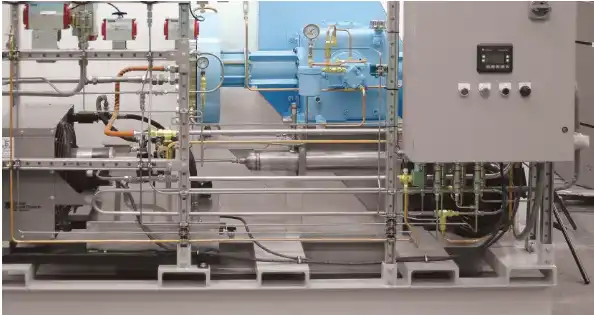
Current Applications of Hydrogen Fuel in Transportation
The adoption of hydrogen fuel in the transportation sector is gaining momentum across various vehicle types and applications. Here's an overview of the current landscape:
Passenger Vehicles
While still in the early stages of adoption, hydrogen fuel cell electric vehicles (FCEVs) are gradually making their way into the consumer market. Several major automakers have introduced hydrogen-powered models, offering consumers an alternative to battery electric vehicles. These FCEVs boast quick refueling times and longer driving ranges, making them particularly appealing for long-distance travel.
Public Transportation
Hydrogen fuel is making significant inroads in public transportation, particularly in bus fleets. Many cities worldwide are incorporating hydrogen fuel cell buses into their public transit systems. These buses offer zero-emission operation, reduced noise pollution, and the ability to cover long routes without the need for frequent refueling.
Heavy-Duty Trucks
The logistics and freight industry is exploring hydrogen fuel as a viable option for long-haul trucking. Hydrogen fuel cell trucks provide the power and range necessary for heavy-duty transportation while significantly reducing carbon emissions. Several truck manufacturers are developing and testing hydrogen-powered models for commercial use.
Rail Transportation
Hydrogen-powered trains, often referred to as "hydrail," are gaining traction in regions looking to decarbonize their rail networks. These trains offer a clean alternative to diesel-powered locomotives, especially on non-electrified routes. Several countries have already deployed hydrogen trains for passenger and freight services.
Maritime Applications
The shipping industry is also exploring hydrogen fuel as a means to reduce its environmental impact. From small ferries to large cargo ships, hydrogen fuel cells are being tested and implemented in various maritime applications. These efforts aim to address the significant carbon footprint of the global shipping industry.
As the technology continues to mature and hydrogen fueling stations become more prevalent, we can expect to see even broader applications of hydrogen fuel in transportation. Companies like TSC are at the forefront of this transition, developing innovative solutions to support the growing hydrogen infrastructure.
Technical Advantages of Hydrogen Fuel in Heavy-Duty Transport
Hydrogen fuel offers several unique technical advantages that make it particularly well-suited for heavy-duty transport applications. These benefits are driving the increasing adoption of hydrogen fuel cells in sectors such as long-haul trucking, public transportation, and industrial vehicles.
High Energy Density
One of the most significant advantages of hydrogen fuel is its high energy density by weight. This characteristic allows hydrogen-powered vehicles to carry more energy in a smaller space compared to battery electric alternatives. For heavy-duty vehicles that require substantial power and range, this high energy density translates to longer operating times and reduced refueling frequency.
Rapid Refueling
Hydrogen-powered vehicles can be refueled in a matter of minutes, similar to conventional gasoline or diesel vehicles. This rapid refueling capability is a crucial advantage for heavy-duty transport, where time is often a critical factor. Fleet operators can maintain high vehicle utilization rates without the extended downtime associated with battery charging.
Consistent Performance
Hydrogen fuel cells maintain consistent performance regardless of environmental conditions. Unlike battery electric vehicles, which can experience reduced range and performance in extreme temperatures, hydrogen fuel cell vehicles offer reliable operation across a wide range of climates and terrains.
Scalability
Hydrogen fuel cell systems can be scaled effectively to meet the power requirements of various heavy-duty vehicles. From buses to large mining trucks, hydrogen fuel cells can be configured to provide the necessary power output without significantly increasing vehicle weight or size.
These technical advantages are driving the development of hydrogen fueling infrastructure, including advanced hydrogen filling machines capable of rapidly refueling large vehicles. As companies like CM Energy continue to innovate in this space, we can expect to see further improvements in hydrogen fuel cell technology and its applications in heavy-duty transport.
Adaptation Pathways for Hydrogen Fuel in Passenger and Commercial Vehicles
The adoption of hydrogen fuel in passenger and commercial vehicles is following distinct pathways, each tailored to the specific needs and challenges of these sectors. As the technology matures and infrastructure expands, we're seeing increasing integration of hydrogen fuel cells across various vehicle types.
Passenger Vehicles
For passenger vehicles, the adaptation pathway for hydrogen fuel is focusing on overcoming initial barriers to adoption. This includes:
- Expanding the network of hydrogen fueling stations to increase accessibility for consumers
- Reducing the cost of fuel cell systems through economies of scale and technological advancements
- Improving public awareness and education about the benefits and safety of hydrogen fuel cell vehicles
- Developing more diverse model offerings to cater to different consumer preferences
Companies like TSC are playing a crucial role in this adaptation process by developing efficient and user-friendly hydrogen filling technologies for passenger vehicles.
Commercial Vehicles
In the commercial sector, the adaptation pathway is more focused on demonstrating the operational and economic benefits of hydrogen fuel. Key aspects include:
- Implementing pilot programs and fleet trials to showcase the performance of hydrogen fuel cell vehicles in real-world conditions
- Developing specialized refueling infrastructure to support commercial fleets, including high-capacity hydrogen filling machines
- Optimizing total cost of ownership through improved fuel efficiency and reduced maintenance requirements
- Collaborating with logistics companies and fleet operators to tailor hydrogen solutions to specific operational needs
As these adaptation pathways progress, we can expect to see increased integration of hydrogen fuel in both passenger and commercial vehicle segments, supported by ongoing innovations from industry leaders like CM Energy.
Key Challenges in Hydrogen Fueling Station Network Development
The development of a robust hydrogen fueling station network is crucial for the widespread adoption of hydrogen fuel cell vehicles. However, this process faces several key challenges that need to be addressed:
Infrastructure Costs
One of the primary challenges in developing hydrogen fueling stations is the high initial investment required. The cost of equipment, including hydrogen filling machines and storage systems, can be substantial. This financial barrier often necessitates public-private partnerships or government incentives to stimulate infrastructure growth.
Regulatory Framework
The regulatory landscape for hydrogen fueling stations is still evolving in many regions. Establishing clear safety standards, permitting processes, and operational guidelines is essential for streamlining the development and deployment of these stations.
Supply Chain Optimization
Ensuring a reliable and cost-effective supply of hydrogen fuel to stations presents another challenge. Developing efficient production, transportation, and storage solutions is crucial for maintaining a steady fuel supply and keeping operational costs in check.
Companies like TSC are actively working to address these challenges through innovative technologies and strategic partnerships, paving the way for a more extensive and efficient hydrogen fueling network.
Prospects for Hydrogen Fuel Scale-Up in the Transportation Industry
The prospects for scaling up hydrogen fuel in the transportation industry are promising, driven by several key factors:
Technological Advancements
Ongoing research and development are leading to more efficient and cost-effective hydrogen fuel cell systems. These advancements are making hydrogen-powered vehicles increasingly competitive with traditional and battery electric alternatives.
Policy Support
Many governments worldwide are implementing policies and incentives to promote clean energy adoption in transportation. This supportive regulatory environment is accelerating the development of hydrogen infrastructure and vehicle deployment.
Industry Collaboration
Collaboration between automakers, energy companies, and technology providers is driving innovation and standardization in the hydrogen fuel sector. These partnerships are crucial for overcoming technical challenges and achieving economies of scale.
As these factors converge, we can expect to see a significant scale-up of hydrogen fuel applications across various transportation modes. CM Energy's contributions to this field, particularly in developing advanced hydrogen fueling stations, will play a vital role in this expansion.
Conclusion
The applications of hydrogen fuel in the transportation industry are diverse and rapidly expanding. From passenger vehicles to heavy-duty trucks, and from public transit to maritime transport, hydrogen fuel cells are proving to be a versatile and promising solution for decarbonizing the sector. As hydrogen fueling stations become more prevalent and hydrogen filling machines more advanced, we can expect to see accelerated adoption across various vehicle types.
While challenges remain, particularly in infrastructure development and cost reduction, the prospects for hydrogen fuel in transportation are bright. Continued technological advancements, supportive policies, and industry collaboration are paving the way for a hydrogen-powered future in transportation. Companies like CM Energy and TSC are at the forefront of this transition, driving innovation and helping to build the foundation for a cleaner, more sustainable transportation ecosystem.
FAQ
Q: What are the main advantages of hydrogen fuel cells in transportation?
A: Hydrogen fuel cells offer several key advantages in transportation, including zero emissions, quick refueling times, long driving ranges, and consistent performance across various environmental conditions. These benefits make hydrogen fuel particularly attractive for heavy-duty and long-distance transport applications.
Q: How does the refueling process work at a hydrogen fueling station?
A: At a hydrogen fueling station, vehicles are refueled using specialized hydrogen filling machines. The process is similar to refueling a conventional vehicle, typically taking 3-5 minutes. The hydrogen is stored in high-pressure tanks on the vehicle, allowing for quick and efficient refueling.
Q: What is the current state of hydrogen fueling infrastructure?
A: The hydrogen fueling infrastructure is growing, with an increasing number of stations being deployed globally. However, the network is still in its early stages compared to conventional fuel stations. Efforts are underway to expand the infrastructure, particularly along major transportation corridors and in urban centers with high adoption potential for hydrogen vehicles.
Partner with CM Energy for Your Hydrogen Fueling Station Needs
As a leading innovator in the hydrogen fuel industry, CM Energy is your ideal partner for hydrogen fueling station solutions. Our cutting-edge technology and comprehensive expertise ensure that you receive state-of-the-art hydrogen filling machines and complete station setups tailored to your specific requirements. Whether you're looking to establish a new hydrogen fueling network or expand your existing infrastructure, our team at CM Energy is ready to support your journey towards a cleaner, more sustainable transportation future.
Experience the CM Energy difference with our advanced hydrogen fueling solutions. Contact us today at info.cn@cm-energy.com to discuss how we can help you implement efficient and reliable hydrogen fueling stations for your transportation needs. Choose CM Energy as your trusted Hydrogen Fueling Station supplier and join us in driving the future of clean energy in transportation.
References
- International Energy Agency. (2023). Global Hydrogen Review 2023. IEA Publications.
- U.S. Department of Energy. (2022). Hydrogen and Fuel Cell Technologies Office Multi-Year Research, Development, and Demonstration Plan.
- Hydrogen Council. (2023). Hydrogen Insights: A perspective on hydrogen investment, deployment and cost competitiveness.
- National Renewable Energy Laboratory. (2022). H2@Scale: Enabling Affordable, Reliable, Clean, and Secure Energy across Sectors.
- European Commission. (2023). A hydrogen strategy for a climate-neutral Europe. Brussels: EC Publications.
- International Transport Forum. (2023). Decarbonising Transport: The Role of Hydrogen. OECD Publishing.