The Active Heave Compensation (AHC) crane is very important for shipbuilding today, particularly in places where heavy lifting has to be done with great accuracy in rough offshore circumstances. This tutorial talks about how AHC cranes make shipbuilding and other marine industries more efficient and safe in ways that are specific to them. Shipyards that work on offshore wind turbine installation platforms, Floating Production Storage Offloading (FPSO) units, VLCC/ULCC crude oil tankers, and more need to know about the sophisticated features of AHC cranes. Look through our complete guide to find the most important things to think about when choosing the right crane for your purposes, making sure it is reliable and works at its best.
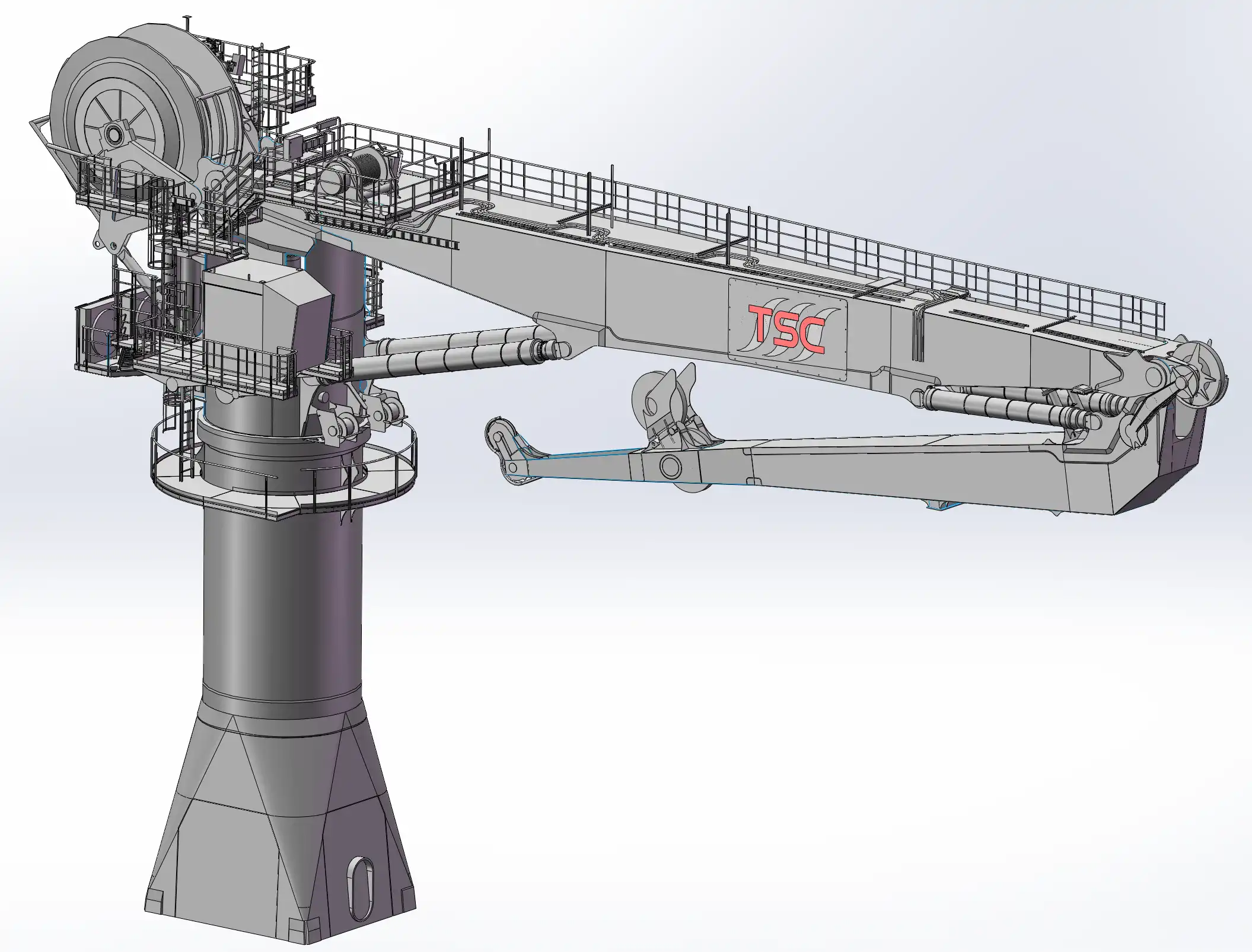
What are the main features of AHC cranes?
AHC cranes are built to handle the tough conditions found offshore, where stability and accuracy are very important. These cranes employ modern Active Heave Compensation (AHC) technology to stop the vertical motions of a ship caused by waves. This makes sure that lifting operations go smoothly and safely even in heavy seas. This technique lowers the danger of damage to payloads by a large amount and also cuts down on downtime. AHC cranes improve the safety and efficiency of offshore lifting by keeping tight control over the crane's motions. This makes them a popular option for jobs where dependability is most important.
AHC cranes not only stabilize loads, but they also include built-in electro-hydraulic power units and a complex winch system that make the most of energy use and boost lifting performance overall. Their design makes it possible for them to work quite well, even when they are carrying a lot of weight. These cranes may be customized in many ways to fit the demands of different shipyard activities, such as subsea lifts, long-reach jobs, and complicated lifting needs. AHC cranes are essential for many marine activities, from bulk carriers to offshore support boats, since they can do so many different things. They make sure that heavy lifting jobs are done safely and quickly.
Things to Think About When Choosing AHC Cranes for Shipyards
To choose the best AHC crane, you need to think about a few important things:
- The crane's load capacity is very important and should match the precise lifting needs of your business. The weight restrictions will be different depending on whether you're utilizing a main hoist or an auxiliary hoist. You should choose a crane that can easily manage the loads you anticipate and that can also be used for other things in the future.
- The crane's work radius, or reach, is very important to how well it works. A crane that is balanced between reach and compactness can easily move about in tight locations while yet covering a large area. This is especially crucial for work that has to be done in small or congested spaces.
- Needs for Maintenance: To maintain cranes in top shape, they need to be serviced on a regular basis. A crane that is easy to maintain cuts down on downtime and long-term repair expenses. When looking for AHC cranes, choose one with parts that are easy to get to and a design that doesn't require a lot of maintenance.
- Safety Features: Safety should always come first. Look for cranes with modern safety features, such their own control systems that make sure they run smoothly. Also, make sure the crane fulfills industry standards and classifications like DNV, ABS, and CCS to make sure it is safe and follows the rules.
- The environment in which the business operates: Think about the exact circumstances in which the crane will work. The crane should be able to tackle the unique problems that come up in these specific situations, whether it's an LNG/LPG ship deck or a deep-sea salvage expedition. Evaluating environmental elements makes sure that the crane can work well in a variety of situations, which extends its life and lowers the chance of it breaking down.
AHC Crane Maintenance and Operation: Longevity Tips
Heavy maintenance and professional operation are key to efficiency and lifespan.
Regular Checks and Maintenance
AHC cranes need frequent inspections to last and work well. In harsh offshore conditions, even minor mechanical or electrical failures may cause severe downtime. Hydraulic, winch, motor, and control systems should be checked regularly. Regular inspections detect wear and tear before it becomes a big issue, allowing for quick repairs. Maintaining components replacement and lubrication according to the manufacturer's plan is essential.
Best Practices and Operator Training
Crane operators need proper training to enhance AHC crane lifespans. Operators should be proficient in the crane's sophisticated functions, notably heave correction. Poor operation may stress crane components, increasing damage risk. Regular training updates and simulations of real-life events may assist offshore operators adapt to changing conditions. Safe labor techniques and proper use decrease machinery strain.
Environmental Concerns
AHC cranes may be stressed by strong winds and excessive temperatures. Take environmental elements into consideration to prolong crane life. Schedule maintenance during calm weather and avoid exceeding the crane's design parameters. Protective coverings or enclosures during non-operational times may protect vital components from seawater, dust, and debris, minimizing wear and tear.
This complete strategy lets shipyards operate in rough seas while maintaining equipment lifetime and safety. Modular, reliable AHC cranes from CM Energy save labor and operational disruptions with easy maintenance.
AHC Crane Customization for Shipyard Use
Customization is key when buying heavy lifting equipment.
Understanding Shipyard Operations' Unique Needs
Understanding environmental criteria is the first step in customizing AHC cranes for shipyard operations. Offshore installations, moving big components, and handling complicated freight are common shipyard activities. Each activity may need various crane capacity, reach, or characteristics. A careful investigation of these criteria enables the crane to be customized to function safely and effectively within the shipyard's needs.
Customizing Crane Reach and Capacity
The AHC crane's lifting capability and reach may vary depending on the vessel being constructed or serviced. Shipyards that handle bigger ships may need cranes with greater load capabilities and longer reach to safely lift hefty cargo. Customization might include changing the winch systems, boom length, or lifting mechanisms for dry-docking or big freight handling.
Increasing Stability and Safety
Crane design must account for stability since shipyard activities require heavy and dynamic lifting. Add stabilizing devices or dynamic load monitoring to the AHC crane to increase safety and decrease accidents. Anti-sway control and load sensors raise loads gradually, reducing damage or injury.
Integration with Shipyard Infrastructure
The AHC crane must fit smoothly with the shipyard's infrastructure for optimal efficiency. This includes interoperability with transporters and storage systems and integrating the crane into the shipyard's operations. Custom solutions may include customized rigging systems or software that integrates crane performance data with shipyard management systems.
Particulars for Offshore Operations
Offshore construction and maintenance shipyards need AHC cranes with heave adjustment systems for rough seas. Adding modern heave correction technology to the crane makes it more reliable in offshore circumstances. In addition, corrosion-resistant materials and coatings may preserve the crane from the severe marine environment, extending its lifespan.
TSC's small knuckle jibs reduce vertical hook displacement and multi-fall reeving options improve lifting heights and load distribution. These customized features meet operational demands and international marine classification standards. Site logistics are improved by choosing a crane that adapts to project needs, reducing operational risk.
How to Evaluate Crane Suppliers: Building Trust before Purchase
Trust is paramount during the selection process.
- Assess supplier credentials focusing on certifications from CCS, DNV, ABS, BV, and LR, which validate product quality and safety compliance.
- Examine the supplier's track record in handling similar maritime sectors—be it bulk carriers, FPSO units, or emergency maritime response systems—to gauge relevance.
- Transparent communication about design life expectancy, energy efficiency, and warranty terms instills confidence.
Industry-leading manufacturers like CM Energy demonstrate proficiency by providing comprehensive after-sales support, from factory acceptance tests to on-board installation guidance. Such partnerships transform hesitant prospects into loyal customers empowered to make well-informed investment decisions.
The Advantages of Choosing CM Energy's AHC Cranes
CM Energy stands out with its extensive experience and unmatched track record in producing offshore lifting equipment. The company holds 159 authorized patents, including 10 invention patents, underscoring its commitment to innovation and independent research. Their AHC crane design integrates industry-leading safety protocols and durability to thrive under extreme marine conditions. Clients benefit from tailor-made solutions designed to meet evolving shipyard challenges, making CM Energy a trustworthy partner for upgrading traditional vessels and driving the shift towards green intelligent manufacturing.
Conclusion
Selecting the right AHC crane transforms complex shipyard heavy lifting into a reliable, safe, and efficient operation. By understanding the sophisticated technology behind active heave compensation and emphasizing factors like load capacity, customization, and supplier credibility, shipyards unlock enhanced productivity and cost savings. CM Energy's proven expertise and commitment to innovation elevate their AHC cranes as the industry's optimal choice. Embracing these advanced lifting solutions ensures shipyards maintain competitive advantages while meeting the rigorous demands of modern maritime construction and offshore support operations.
Where to Buy AHC Crane
For superior AHC cranes tailored to your shipyard's unique needs, TSC, a trusted AHC crane supplier, offers an unmatched combination of technology, reliability, and service excellence. Connect with our specialists to explore custom lifting solutions designed to enhance operational efficiency across offshore and maritime sectors. With our extensive expertise in the field, we are committed to delivering the best in crane performance and innovation. Reach out today by contacting us at info.cn@cm-energy.com. Discover how CM Energy's AHC crane solutions can propel your shipyard projects to new heights.
References
- International Maritime Organization (IMO) Guidelines on Offshore Crane Operations
- DNV GL Standards for Lifting Appliances in Marine Environments
- American Bureau of Shipping (ABS) Rules for Building and Classing Offshore Cranes
- Society of Naval Architects and Marine Engineers (SNAME) Publications on Offshore Lifting Equipment
- ISO 19901-6: Petroleum and Natural Gas Industries – Offshore Structures – Part 6: Marine Operations
- Research Papers on Active Heave Compensation Technologies in Engineering Journals