Finding reliable cargo handling system suppliers for marine applications requires careful evaluation of technical expertise, manufacturing capabilities, and industry certifications. China has emerged as a leading hub for specialized marine cargo handling solutions, with companies like CM Energy's TSC brand delivering advanced systems for VLGCs, VLACs, crude oil tankers, and offshore vessels. The key lies in identifying manufacturers with proven track records in designing full-pressure, semi-refrigerated, and fully refrigerated cargo handling systems that meet stringent safety and operational requirements for modern maritime operations.
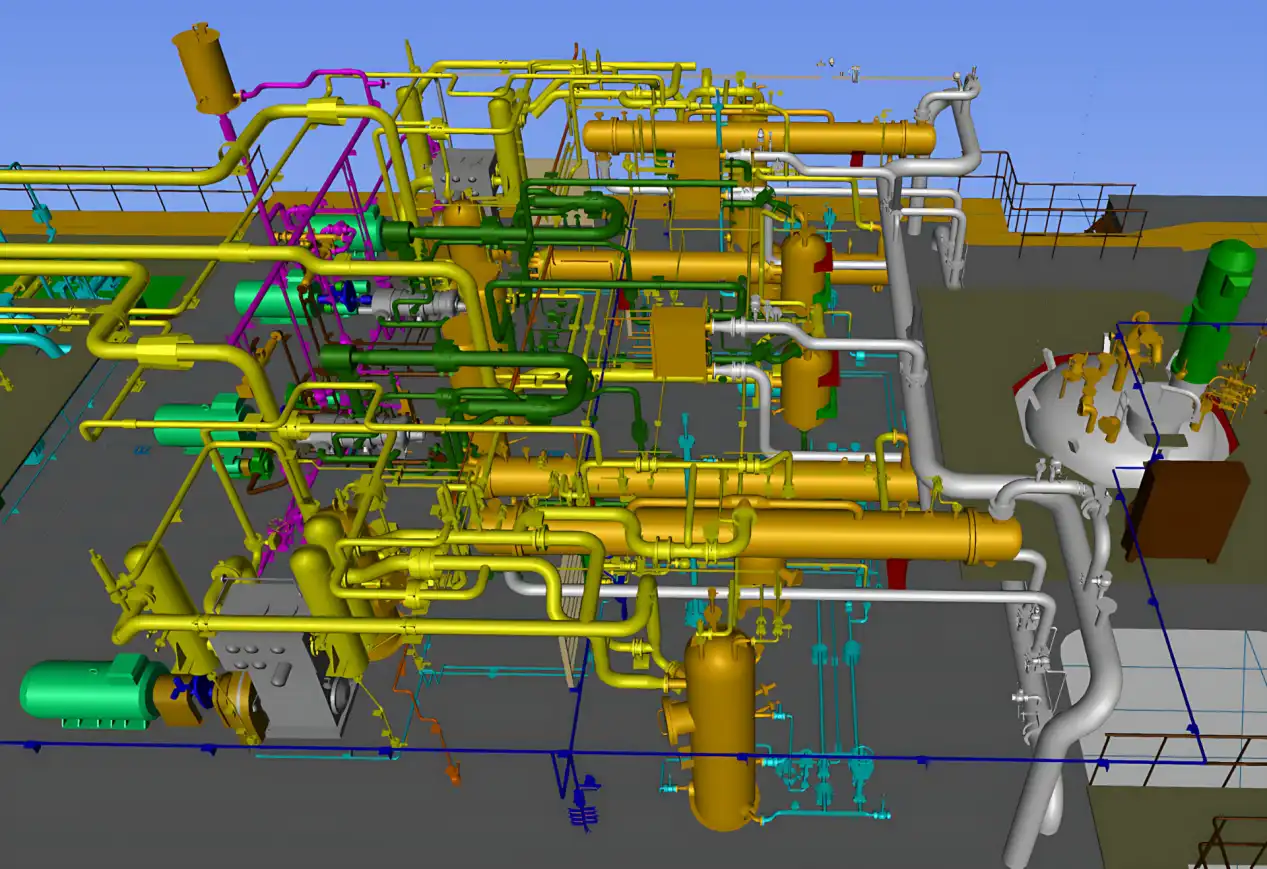
Manufacturing Excellence: Why China Leads in Marine Cargo Handling Solutions?
Advanced Production Capabilities and Infrastructure
China's modern facilities enable precision fabrication and full Cargo Handling System assembly for diverse vessels, supported by automation, strict quality control, and comprehensive pre-delivery testing that ensures reliable offshore performance.
Technical Innovation and Design Partnerships
Collaboration with global design firms strengthens Chinese manufacturers' innovation, delivering advanced Cargo Handling System solutions with integrated monitoring, automation, and enhanced safety features while maintaining competitive manufacturing advantages.
Essential Criteria for Evaluating Potential Manufacturers
Technical Expertise and Project Portfolio
Evaluate producers based on their track record in planning and conveying frameworks for particular vessel types. Audit completed ventures, including comparable applications, paying attention to vessel sizes, cargo types, and operational needs. Producers with involvement in different carg,o taking care of arrangements illustrate flexibility and specialized depth.
Request nitty gritty case to exhibit effective establishments on vessels coordinating your necessities. The best providers give comprehensive documentation, including plan determinations, establishment strategies, and execution information from operational vessels. This straightforwardness demonstrates certainty in their capabilities and commitment to client success.
Engineering Capabilities and Customization
Assess the manufacturer's ability to customize solutions for specific vessel designs and operational requirements. Each vessel presents unique challenges requiring tailored approaches to cargo handling system integration. Leading manufacturers maintain experienced engineering teams capable of adapting standard designs to meet specific client needs.
Inquire about the design process, including collaboration methods, revision procedures, and approval timelines. Effective manufacturers provide clear communication channels and structured design review processes that ensure client requirements are fully understood and incorporated into final designs.
Manufacturing Quality and Process Control
Examine the manufacturer's quality administration frameworks, including control procedures, assessment strategies, and documentation measures. Vigorous quality frameworks guarantee steady generation quality and traceability through the fabricating handle. See for prove of nonstop enhancement activities and speculation in progressed manufacturing technologies.
Request data on approximately fabric sourcing, component testing, and get together strategies. The best producers keep up strict provider capability programs and conduct comprehensive testing at numerous generation stages to guarantee component unwavering quality and framework performance.
Critical Certifications and Compliance Requirements
International Quality Standards
Verify that potential producers keep up current certifications counting ISO 9001 for quality administration, ISO 14001 for natural administration, and important security certifications. These benchmarks illustrate commitment to orderly quality control and ceaseless change processes.
Marine applications require additional certifications from classification societies such as DNV, ABS, or Lloyd's Register. Ensure the manufacturer has experience working with relevant classification societies and understands the approval processes for marine cargo handling systems.
Product Certifications and Testing
Confirm that cargo handling systems meet applicable international standards for marine equipment. This includes pressure vessel certifications, electrical system approvals, and safety system validations. Manufacturers should provide complete certification documentation and support the approval process with vessel classification societies.
Review testing capabilities including pressure testing, performance validation, and safety system verification. Comprehensive testing programs ensure systems meet design specifications and operate safely under all intended conditions.
Effective Sourcing Strategies and Communication Channels
Direct Manufacturer Engagement
Establish coordinated communication with producers to construct connections and gain up more profound understanding of their capabilities. Coordinate engagement permits for more nitty-gritty specialized talks and superior assessment of the manufacturer's skill and responsiveness.
Visit fabricating offices when possible to evaluate production capabilities, quality control frameworks, and generally organization. Manufacturing plant visits give important bits of knowledge into the manufacturer's commitment to quality and their capacity to execute complex ventures on schedule.
Industry Networks and Referrals
Leverage industry associations to recognize trustworthy producers with demonstrated track records. Referrals from shipyards, vessel administrators, or industry specialists give important bits of knowledge into producer execution and reliability.
Participate in industry presentations and conferences to meet potential providers and assess their specialized capabilities. These occasions give opportunities for face-to-face talks and detailed technical introductions that encourage much better provider evaluation.
Optimizing OEM and ODM Partnerships for Long-term Success
Partnership Structure and Collaboration Models
Define clear partnership objectives and establish structured collaboration frameworks that support long-term success. Effective partnerships require mutual understanding of technical requirements, commercial objectives, and operational expectations.
Develop comprehensive agreements covering technical specifications, quality requirements, delivery schedules, and support services. Clear agreements prevent misunderstandings and provide frameworks for resolving issues that may arise during project execution.
Intellectual Property and Technology Transfer
Address mental property contemplations and innovation sharing courses of action early in the organization improvement handle. Set up clear rules for exclusive data assurance and characterize proprietorship of advancements emerging from collaborative efforts.
Consider innovation exchange openings that may improve long-term competitiveness while ensuring center mental property. Vital innovation sharing can reinforce associations and make strides in general arrangement quality.
Pricing Strategies and Volume Negotiations
Understanding Cost Structure and Value Drivers
Develop a comprehensive understanding of cost components, including materials, labor, engineering, testing, and logistics. This knowledge enables more effective negotiations and helps identify opportunities for cost optimization without compromising quality.
Focus on the total cost of ownership rather than the initial purchase price. Consider factors such as reliability, maintenance requirements, spare parts availability, and technical support when evaluating different suppliers.
Volume Commitments and Long-term Agreements
Explore openings for volume rebates through multi-unit orders or long-term supply understandings. Producers regularly give critical taken a toll diminishments for committed volume, especially for standardized setups that empower production efficiencies.
Structure understandings to adjust fetched benefits with adaptability necessities. Compelling assentions give taken a toll focal points whereas keeping up capacity to adjust to changing prerequisites or advertise conditions.
Quality Assurance Through Comprehensive Factory Audits
Audit Planning and Execution
Develop orderly review methods covering all angles of fabricating operations counting quality frameworks, generation forms, testing capabilities, and supply chain administration. Comprehensive reviews give objective evaluation of producer capabilities and recognize potential risks.
Include specialized specialists in review groups to assess building capabilities, plan forms, and specialized documentation frameworks. Specialized mastery guarantees exhaustive assessment of the manufacturer's capacity to provide complex cargo dealing with solutions.
Continuous Monitoring and Improvement
Establish progressing checking frameworks to track producer execution counting quality measurements, conveyance execution, and client fulfillment. Standard execution surveys offer assistance keep up tall measures and recognize openings for improvement.
Implement provider improvement programs that back nonstop enhancement and innovation progression. Collaborative advancement endeavors reinforce associations and improve by and large arrangement quality.
Leading Supplier Characteristics in 2025
Digital Integration and Smart Technologies
Advanced manufacturers increasingly incorporate digital technologies into their cargo handling systems including IoT sensors, predictive analytics, and remote monitoring capabilities. These technologies enhance operational efficiency and enable proactive maintenance strategies.
Look for suppliers investing in digital transformation initiatives that improve design processes, manufacturing efficiency, and customer support capabilities. Digital capabilities often indicate forward-thinking organizations committed to continuous innovation.
Sustainability and Environmental Responsibility
Leading producers illustrate commitment to natural sustainability through green fabrication forms, energy-efficient plans, and comprehensive natural administration frameworks. Maintainability activities progressively impact client determination criteria and administrative compliance.
Evaluate manufacturers' approaches to lifecycle natural effect counting materials choice, fabrication forms, and end-of-life considerations. Maintainable homes frequently relate to generally quality and long-term considering that benefits for customers.
Conclusion
Selecting the right cargo handling system manufacturer requires a systematic evaluation of technical capabilities, quality systems, and partnership potential. Chinese manufacturers offer compelling combinations of advanced technology, competitive pricing, and comprehensive support services that meet demanding marine industry requirements.
Success depends on careful provider assessment, clear communication of necessities, and a foundation of solid organizational connections. Companies like CM Energy's TSC brand illustrate how Chinese producers can convey world-class arrangements through key associations, continuous advancement, and commitment to client success. The key lies in recognizing producers that adjust to your particular specialized requirements while giving dependable long-term returns for your marine operations.
Frequently Asked Questions
Q1: What are the key advantages of sourcing cargo handling systems from Chinese manufacturers?
A: Chinese producers offer competitive estimating, progressed manufacturing capabilities, and comprehensive specialized back. Companies like CM Vitality give coordinates arrangements covering plan, fabrication, establishment, and after-sales benefit whereas keeping up worldwide quality benchmarks and certifications.
Q2: How long does it typically take to deliver a complete cargo handling system?
A: Conveyance timelines shift based on framework complexity and customization necessities. Standard setups may require 3-6 months whereas profoundly customized frameworks for specialized vessels may take 6-12 months. Early engagement in the plan stage makes a difference optimize conveyance schedules.
Q3: What certifications should I expect from a reliable manufacturer?
A: See for ISO 9001 quality administration certification, significant classification society endorsements, and product-specific certifications for marine gear. Producers ought to moreover illustrate compliance with universal security measures and natural regulations.
Partner with CM Energy for Advanced Cargo Handling Solutions
CM Energy stands ready to support your marine cargo handling requirements with proven expertise in designing and manufacturing systems for VLGCs, crude oil tankers, chemical carriers, and offshore vessels. Our TSC brand has successfully delivered comprehensive solutions including full-pressure, semi-refrigerated, and fully refrigerated cargo handling systems that meet the most demanding operational requirements.
Ready to explore how our cargo handling system manufacturer expertise can enhance your vessel operations? Our experienced engineering team provides customized solutions tailored to your specific requirements, backed by comprehensive lifecycle support and industry-leading warranties. Contact us at info.cn@cm-energy.com to discuss your project requirements and discover why leading operators choose CM Energy for their critical marine applications.
References
1. International Maritime Organization. "Guidelines for Cargo Handling Systems on Gas Carriers." Marine Safety Committee, 2023.
2. Society of International Gas Tanker and Terminal Operators. "Liquefied Gas Handling Principles and Practices." Technical Standards Committee, 2024.
3. DNV Maritime Advisory. "Cargo Handling System Certification Requirements for Marine Vessels." Classification Guidelines, 2023.
4. Marine Engineering Review. "Advances in Automated Cargo Handling Technologies for Offshore Vessels." Technical Publication, 2024.
5. International Association of Classification Societies. "Standards for Marine Cargo Handling Equipment Design and Testing." Technical Requirements, 2023.
6. Offshore Technology Conference. "Innovation in Marine Cargo Systems: Manufacturing Excellence and Quality Assurance." Industry Report, 2024.