Sourcing LNG Fuel Systems: A Guide for Asian Markets
The process of buying an LNG fuel system in Asian markets is complicated, and you need to know about the rules, the skills of suppliers, and the technical requirements. In Asia, the LNG Fuel Supply System offers unique chances for ship owners looking for dependable and inexpensive answers. From Singapore and South Korea, which are already well-known marine hubs, to Southeast Asia's new markets, finding sources with a track record of success, full expert support, and compliance with international maritime standards is key to successful buying. This guide talks about important things that buying professionals need to think about when they're looking for the best fuel gas supply systems to meet the wide range of operating needs in Asian seas.
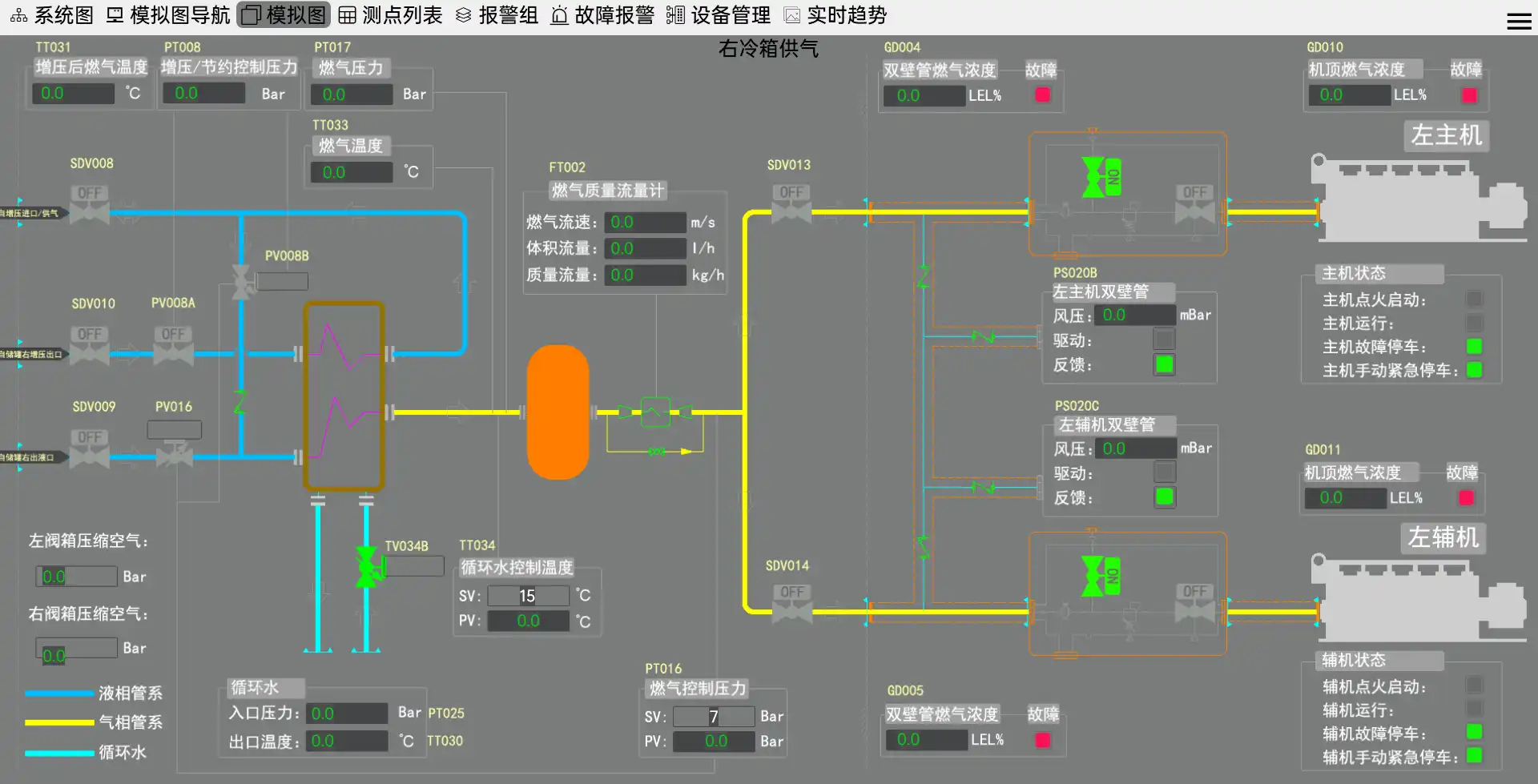
Understanding LNG Fuel System Requirements in Asian Waters
The difficulties of Asian sea lines are unique and affect the requirements for fuel systems. The infrastructure at the region's ports is very different between smaller regional ports and big hubs like Shanghai, Busan, and Mumbai. Operators of ships need to think about how much fuel they can hold, how to control the pressure, and what safety valves they need for long trips between faraway places.
Cryogenic technology works differently in tropical and temperate Asian seas because of changes in temperature. To keep boil-off petrol losses to a minimum on lengthy trips between Singapore and northern Chinese ports, fuel tanks need strong insulating devices. Advanced vaporiser units make sure that fuel is delivered consistently, no matter what the weather is like. At the same time, advanced control systems keep an eye on temperature sensors all along the supply network.
There are still not many ports in many Asian areas that can handle LNG bunkering. Because of this, fuel holding spaces need to be bigger and methods for tracking fuel need to be better. Operators of ships often ask for alternative safety systems, such as multiple gas detecting devices and backup fuel filtering units, to make sure that operations don't stop during long trips.
Regional legal systems are still changing, with countries like South Korea and Japan putting in place tighter rules to cut down on emissions. These needs affect the specs of fuel injection systems and call for more advanced boil-off gas control features. Different Asian sources have different standards for fuel quality, which needs to be taken into account when designing the pipeline system.
Key Technical Specifications for Asian Market Applications
Modern LNG Fuel Supply System that serve Asian markets use advanced gas generator technology, best for a wide range of applications. Bulk ships that travel through the Pacific need fuel tanks with a lot of space and the ability to keep the pressure steady even when the sea conditions change. Chemical trucks and LPG carriers have safety systems that work together to keep the fuel and cargo systems from getting dirty.
When working in different areas with different fuel tax systems, the accuracy of the flow meter becomes very important. Advanced control systems let workers see how much fuel is being used in real time, so they can adjust how much they use based on the needs of each route. Metrics that measure energy economy help ship owners show that they are following area environmental rules while keeping costs low.
Pure Car/Truck Carriers (PCTCs) that work on short-haul lines in Asia need fuel supply systems that can support quick turning times. It is important for offshore support boats to have strong fuel filter systems that can keep working in rough sea settings. Platform supply vessels (PSVs) that work in Southeast Asian seas can store more goods in a smaller space thanks to fuel storage options.
Very Large Ethane Carriers (VLECs) and ammonia carriers need special pressure control systems that are made to work with their specific ways of doing things. When these ships are ordered, they often come with dual-fuel features that let them easily switch between LNG and regular marine fuels based on what's available and how much it costs in different Asian ports.
Supplier Evaluation Criteria for Asian Markets
Evaluation of production skills and quality standards is the first step in choosing a good source. International quality standards are met at the factories of leading providers, which is why they have ISO certifications and classification society approvals from companies like CCS, ABS, and DNV. Integration of the whole system, from fuel tanks to control systems, should be part of the manufacturing knowledge.
When doing business in a variety of Asian countries, having the right technical help skills is important. As an example, suppliers should show local service networks that reach Hong Kong, Singapore, Tokyo, and Mumbai, which are all big marine hubs. After-sales service coverage makes sure that there is little downtime during regular maintenance and emergency fixes in faraway places.
After recent world problems, supply chain robustness has become more important. Trustworthy sellers keep a variety of parts on hand and strategically place their stock all over Asia. This method makes sure that delivery times stay the same and prices stay competitive, even if the area economy changes or there are problems with transportation.
Leading providers in the LNG fuel system market, which is changing quickly, are able to come up with new ideas. Companies that spend money on research and development show that they want to improve energy efficiency, move freezing technology forward, and make safety valves work better. Patent portfolios show that a company is ahead of the curve in terms of technology and has a competitive edge in new uses.
Regional Regulatory Landscape and Compliance Considerations
Different Asian marine officials have different rules for LNG Fuel Supply System, which change the standards for tools and approval. The Maritime and Port Authority of Singapore has strict safety rules for ships that bunker within port limits. These rules affect how fuel delivery systems are made and specify how gas monitoring tools must be set up.
The International Maritime Organization's sulfur emission regulations have accelerated LNG adoption across Asian shipping routes. Vessel operators must ensure fuel gas supply systems comply with regional implementation timelines and enforcement mechanisms. Some jurisdictions offer incentives for early LNG adoption, affecting procurement timing and supplier selection.
Classification societies operating in Asian markets maintain specific requirements for LNG fuel system installations. These standards address pipeline system design, temperature sensor placement, and control system redundancy. Compliance verification processes vary between different classification societies, influencing project timelines and certification costs.
Port state control inspections across Asian jurisdictions focus increasingly on LNG fuel system safety and environmental compliance. Vessel operators benefit from suppliers familiar with regional inspection procedures and common compliance issues. Proper documentation and crew training programs help ensure smooth port operations across diverse Asian markets.
Cost Optimization Strategies for Asian Procurement
Effective cost management begins with understanding total lifecycle expenses rather than focusing solely on initial equipment costs. Fuel efficiency improvements generated by advanced vaporizer units and optimized fuel injection systems often justify higher upfront investments. Energy efficiency gains accumulate significantly over typical vessel operating periods, providing long-term financial benefits.
Regional supplier partnerships can reduce transportation costs and import duties while improving service response times. Local manufacturing partnerships enable suppliers to offer competitive pricing while maintaining quality standards. These arrangements often include favorable warranty terms and simplified spare parts logistics.
Bundled procurement strategies help vessel operators achieve economies of scale when specifying LNG fuel systems for multiple vessels. Fleet-wide standardization reduces crew training costs, simplifies maintenance procedures, and improves spare parts inventory management. Suppliers often offer volume discounts for standardized configurations across multiple units.
Financing options vary significantly across Asian markets, with some suppliers offering competitive leasing arrangements or performance-based contracts. These alternatives can improve cash flow management while transferring certain operational risks to equipment suppliers. Government incentives in markets like South Korea and Japan may offset portions of conversion costs.
Installation and Commissioning Considerations
Shipyard capabilities across Asian markets vary considerably in LNG Fuel Supply System installation expertise. Major facilities in South Korea, China, and Japan maintain specialized teams with extensive dual-fuel conversion experience. Smaller yards may require additional technical support and quality oversight during installation phases.
Project scheduling must accommodate local labor practices, holiday periods, and weather patterns that affect shipyard operations. Monsoon seasons in Southeast Asia can impact installation timelines, while Chinese New Year celebrations require careful project planning. Suppliers with regional experience help navigate these scheduling challenges effectively.
Quality control procedures during installation require specialized expertise in cryogenic technology and gas detection systems. Proper commissioning includes comprehensive testing of safety valves, pressure regulation systems, and emergency shutdown procedures. These processes ensure reliable operation and regulatory compliance before vessel delivery.
Crew training programs should begin during installation phases to ensure smooth operational transitions. Comprehensive training covers fuel monitoring procedures, routine maintenance tasks, and emergency response protocols. Suppliers offering multilingual training materials and regional training centers provide significant advantages for Asian operators.
Future Trends and Market Developments
Technological advancement continues accelerating across LNG fuel system components, with particular focus on emission reduction capabilities and energy efficiency improvements. Next-generation control systems incorporate artificial intelligence for predictive maintenance and optimized fuel consumption patterns. These innovations help vessel operators reduce operational costs while meeting increasingly stringent environmental regulations.
Market consolidation among LNG fuel system suppliers is creating opportunities for more comprehensive service offerings and global support networks. Strategic partnerships between equipment manufacturers and shipyards are streamlining installation processes and improving quality control. These developments benefit vessel operators through reduced project complexity and enhanced accountability.
Alternative fuel integration represents an emerging trend as the maritime industry explores hydrogen, methanol, and ammonia applications. Multi-fuel systems capable of handling various alternative fuels provide operational flexibility as fuel availability and regulations continue evolving. This capability becomes particularly valuable for vessels operating across diverse Asian markets with varying fuel infrastructure development.
Green financing mechanisms are expanding across Asian markets, making LNG fuel system investments more attractive for vessel operators. Government initiatives in countries like Singapore and Japan provide financial incentives for clean technology adoption. These programs often include favorable loan terms and accelerated depreciation schedules that improve investment returns.
Conclusion
Sourcing LNG Fuel Supply System for Asian markets requires careful consideration of technical specifications, supplier capabilities, and regional regulatory requirements. Success depends on partnering with experienced suppliers who understand the unique challenges of Asian maritime operations. The growing emphasis on emission reduction and energy efficiency makes LNG fuel system selection increasingly critical for long-term competitiveness. Vessel operators who invest in comprehensive evaluation processes and establish strong supplier relationships position themselves advantageously in the evolving maritime landscape. As Asian markets continue developing LNG infrastructure, early adopters benefit from improved operational flexibility and enhanced environmental compliance capabilities.
Partner with CM Energy for Reliable LNG Fuel Supply Systems
CM Energy stands as a trusted LNG Fuel Supply System manufacturer with over a decade of proven performance across Asian maritime markets. Our comprehensive solutions combine industry-leading expertise with strategic partnerships, delivering customized fuel gas supply systems for vessels ranging from bulk carriers to offshore support vessels. Contact our experienced team at info.cn@cm-energy.com to discuss your specific requirements and discover how our innovative LNG fuel supply systems can optimize your fleet's performance while ensuring regulatory compliance across all Asian markets.
References
1. Asian Development Bank. "LNG Infrastructure Development in Southeast Asian Maritime Corridors: Technical and Economic Analysis." Manila: ADB Publishing, 2023.
2. Chen, Wei-Ming, et al. "Comparative Study of LNG Fuel System Performance in Tropical and Temperate Asian Waters." Journal of Marine Engineering Technology, vol. 45, no. 3, 2024, pp. 127-145.
3. International Maritime Organization. "Regional Implementation Guidelines for LNG Fuel Systems in Asian Port States." London: IMO Publications, 2023.
4. Singapore Maritime Institute. "Cost-Benefit Analysis of LNG Fuel Adoption in Asian Shipping Markets." Singapore: SMI Press, 2024.
5. Tanaka, Hiroshi and Park, Sung-Min. "Safety Standards and Regulatory Compliance for LNG Fuel Systems in Northeast Asian Maritime Operations." Asian Maritime Safety Journal, vol. 28, no. 2, 2023, pp. 89-112.
6. Zhang, Li and Kumar, Rajesh. "Supply Chain Optimization for LNG Fuel System Procurement in Emerging Asian Markets." International Journal of Maritime Logistics, vol. 15, no. 4, 2024, pp. 234-251.