Methanol Fuel Handling System Benefits for Operations
When looking at different marine fuels, owners of bulk carriers, tankers, and specialized ships have to ask themselves an important question: what practical benefits make moving to methanol worth it? A Methanol Fuel Handling System gives you real benefits in three areas: safety, speed, and environmental responsibility. These three areas have a direct effect on your bottom line and your standing with the government. Modern methanol supply systems deal with the chemical issues that come with this low-flashpoint fuel by using engineered materials, automated control routines, and a flexible design that makes it possible to use even in older systems. This guide looks at how these systems change operations while still following the rules of the SOLAS-IBC and IGF Code.
Understanding Methanol Fuel Handling Systems
At CM Energy, we've created methanol supply options that work well with a wide range of ships, from VLCCs to inland river boats. A well-designed system controls the whole fuel lifecycle, from loading to storing, cooling, and delivering to dual-fuel stoves or engines.
Core System Architecture
Four interconnected parts make up the design. To satisfy engine load, the supply unit controls temperature, pressure (2–8 barG, depending on engine) and flow. The supply unit eliminates cavitation and pressure surges in milliseconds, whether your main engine is going at 25% capacity or full power across the ocean.Filling and transport manage bunkering. Methanol is toxic and cold (11°C), hence it must be transported in nitrogen-insulated two-walled pipes. We seal our TSC-branded pumps and gas recovery devices to avoid fugitive emissions during transfer operations. US law mandates this. The IMO and Coast Guard regulate.Extra systems control temperature and filtration. Methanol quickly absorbs water. Integrated water management cleans fuel for burning. Smart control and safety system. Emergency stop procedures start two seconds after sensors identify leaking.
Regulatory Compliance Framework
For international naval operations to go smoothly, many rules must be followed, some of which cross. The SOLAS-IBC Code controls the transport of methanol as a dangerous material, and the IGF Code controls its use as a fuel with a low-flashpoint. The way our systems are designed makes them compliant: all of the wet parts are made of 316L stainless steel, which doesn't react with formic acid to form acidic formic acid, and the seals don't break down because of EPDM elastomers. Product certificates and AIP (Approval in Principle) documents that are DNV-certified give buying teams the third-party approval they need when planning for new builds or retrofits.
Integration with Existing Operations
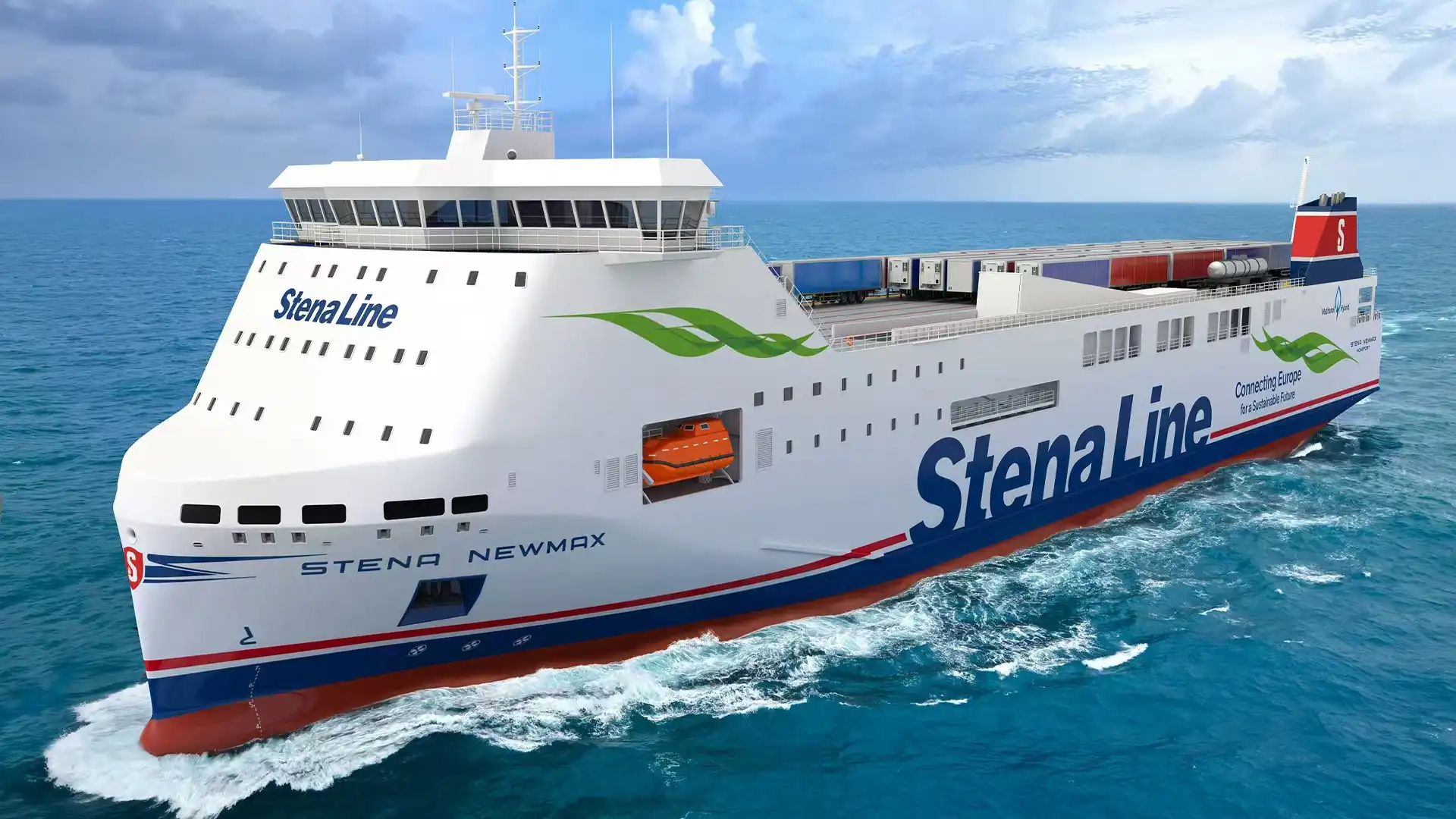
Operators of ships often worry that installations will stop their work. Because the skids are flexible, they can be built and tested at our sites before being sent to drydock. During technical clarification talks, the final details of interface needs like electricity loads, pipe connections, and control system integration are worked out. We've successfully sent methanol supply units to both Stena RoRo ships and asphalt trucks, showing that we can adapt to different types of operations.
Core Benefits of Methanol Fuel Handling Systems for Operations
Making the switch to Methanol Fuel Handling System infrastructure leads to measurable practical gains that go beyond just following the rules. Here are the main benefits that are getting business teams to adopt them:
1. Increased efficiency: Heavy fuel oil systems need constant cleaning, heating, and maintenance. Methanol is easier to handle since it doesn't need centrifuging, sludge removal, or heated tanks. Low viscosity decreases pump energy, and sulfur-free solution avoids filtering. Reduced spare parts and maintenance times are reported by operators.
2. Ecological Performance: Without exhaust treatment, methanol burns without sulfur oxides or particulates, satisfying IMO 2020 sulfur cap limitations. Depending on engine configuration, NOx emissions are 60–80% lower than marine diesel. Emission Control Areas (ECAs) along the U.S. coast or in European waterways allow ships to operate freely. Methanol production impacts CO2 emissions. Your fleet surpasses the new CII standards because biomass or CO2-derived methanol has low lifetime emissions.
3. Methanol is toxic despite its safety advantages. Fuel from natural breakdown lasts days, not decades like crude oil. Methanol spills are cleaned up by evaporation and microbes, safeguarding the environment. Nitrogen inerting and double-block-and-bleed valves stop flames. Methanol flames burn shorter than diesel fires, and ship water fog may extinguish them.
4. Gasoline price fluctuations make budgeting difficult. Diversification advantages from methanol price fluctuations vs oil. Methanol burns cleanly, oil changes are spaced further apart, and no filter capital decrease overall cost of ownership. Chemical tanker clients profit. Ships licensed for methanol may utilize safety and emergency plans.
Over ships, advantages grow. Large energy companies demand low-emission tonnage for carrying petroleum, so an operator may save money on maintenance, environmental compliance, and charter fees over 25 years.
Methanol Fuel Handling System Components and Best Practices
Reliable long-term operation of the Methanol Fuel Handling System rests on choosing the right parts and keeping up with upkeep. We've turned 20 years of experience as naval engineers into useful advice.
Material Selection and Corrosion Management
Long-term reliability of the Methanol Fuel Handling System depends on correct material selection and maintenance. Components exposed to methanol must resist chemical corrosion because carbon steel quickly rusts and contaminates fuel systems. TSC uses 316L stainless steel for tanks, piping, and valves. Magnetically coupled centrifugal pumps improve durability because methanol has poor lubricating ability. Elastomer compatibility is also critical. Standard NBR rubber fails rapidly, so EPDM and PTFE seals are preferred to prevent leakage and reduce retrofit failures.
Storage and Handling Protocols
Methanol tank systems must control vapor safely because of the fuel’s volatility. Nitrogen blanketing keeps oxygen concentration below 5% to prevent flammable conditions inside storage spaces. Pressure-vacuum valves should match methanol vapor pressure across operating temperatures, especially in tropical regions where solar heating increases tank pressure quickly. Proper vent sizing prevents overpressure risks. The Methanol Fuel Handling System also requires strict bunkering procedures, including filtration, water detection, leak testing, flow monitoring, and low-level alarm checks to avoid contamination and maintain fuel quality.
Maintenance Strategies
Preventive maintenance for the Methanol Fuel Handling System should follow class requirements and engine maker recommendations. Quarterly inspections include leak detection systems, valve operation, and pump seal conditions. Annual maintenance covers tank inspections, pressure relief valve calibration, and control logic testing. Maintenance intervals vary by vessel usage, with high-duty vessels requiring more frequent pump overhauls. Performance monitoring helps identify problems early through filter pressure and pump current analysis. Detailed maintenance records are essential for warranty claims, insurance reviews, and Port State Control inspections.
Comparing Methanol Fuel Handling Systems with Traditional Fuel Systems
Objective comparisons of results help with procurement choices. How does the Methanol Fuel Handling System infrastructure compare to that for other naval fuels?
Safety Profile Analysis
Compared with heavy fuel oil, the Methanol Fuel Handling System introduces different safety challenges. Methanol’s low flashpoint requires vapor management and ignition control, although it avoids many hot-work risks associated with heated fuel systems. Toxic exposure requires crew training and PPE procedures, but methanol dissolves in water, simplifying spill cleanup. Unlike LNG systems, methanol operates at ambient temperature and low pressure, eliminating the need for cryogenic insulation and boil-off gas management while simplifying storage and handling requirements.
Environmental Impact Metrics
The Methanol Fuel Handling System provides major environmental advantages over conventional marine fuels. Methanol contains no sulfur and avoids methane slip issues common in LNG engines. Particulate emissions are significantly lower than diesel combustion, improving air quality around ports. Spill impacts are also reduced because methanol biodegrades quickly in water and does not create persistent surface slicks like crude oil or heavy fuel oils. These characteristics help reduce environmental damage, cleanup complexity, and long-term pollution liability after accidental releases.
Operational Efficiency Considerations
Traditional heavy fuel oil systems require heating, sludge removal, fuel cleaning, and scrubber equipment, all of which increase operational costs and maintenance complexity. The Methanol Fuel Handling System eliminates many of these requirements because methanol burns cleanly and does not require heating before use. Cleaner combustion reduces carbon deposits, injector fouling, and cylinder wear while extending lubricant life. These advantages simplify engine maintenance, reduce crew workload, and improve operational efficiency across long trading cycles.
Infrastructure Adaptation Challenges
Transitioning to a Methanol Fuel Handling System still presents infrastructure and retrofit challenges. Global methanol bunkering infrastructure is expanding but remains less developed than traditional fuel networks. Existing vessels often require replacement of incompatible materials such as copper alloys, zinc coatings, and conventional elastomers. CM Energy supports retrofits through phased material replacement programs that minimize drydock time. Engine compatibility also varies by manufacturer, and some older engines may require full replacement rather than conversion to methanol operation.
Procuring Methanol Fuel Handling Systems: A Buyer's Guide
A good procurement process for a Methanol Fuel Handling System strikes a mix between professional performance, cost, and the ability to provide long-term assistance. These suggestions come from our work providing 19 methanol and alternative fuel systems.
Supplier Evaluation Criteria
Selecting a Methanol Fuel Handling System supplier requires careful review of certifications, technical expertise, and installation experience. Approvals from organizations such as DNV, ABS, and Lloyd’s Register confirm compliance with marine safety standards. Buyers should request references from operating vessels and proof of previous installations. Engineering capabilities such as HAZID studies and vapor dispersion analysis demonstrate advanced technical competence. CM Energy’s modular approach allows scalable systems for different vessel sizes while reducing spare-parts complexity and shortening delivery timelines.
Installation and Commissioning Support
Successful Methanol Fuel Handling System implementation depends on strong installation and commissioning support. Detailed interface drawings, 3D interference modeling, and pre-planned testing procedures reduce construction delays and installation risks. Technical teams supervise hydrostatic testing, control system startup, and integrated engine trials to ensure stable operation. Crew training is equally important because methanol handling requires new emergency procedures, leak monitoring methods, and PPE practices. Comprehensive operational training helps crews safely operate the system from the beginning of service.
Commercial Terms and Total Cost Evaluation
Evaluating a Methanol Fuel Handling System requires more than comparing equipment prices alone. Buyers should include engineering services, installation management, vapor handling equipment, and tank modifications in total project cost calculations. Lifecycle analysis should also consider maintenance expenses, spare-parts supply, and warranty coverage. CM Energy offers milestone-based payment structures, extended warranty options, and preventive maintenance agreements to improve cost transparency. Reliable after-sales service, remote diagnostics, and regional spare-parts storage are critical for minimizing operational downtime worldwide.
Conclusion
Making the switch to Methanol Fuel Handling System infrastructure is more than just following the rules; it puts your fleet at the head of reducing carbon emissions in the maritime sector and gives you real operating benefits. Modern methanol supply systems get around the chemical problems that come with the fuel by using smart engineering. They offer better safety than traditional fuels and environmental benefits that are necessary to make operations sustainable in the future. The key is to work with skilled providers that can provide full lifecycle support, from designing the system to keeping it running for decades. As bunkering infrastructure grows and production of green methanol comes up, early adopters gain a competitive edge in charter markets where environmental performance is becoming more important.
FAQ
1. What makes methanol fuel systems safer than traditional marine fuel infrastructure?
Because methanol has a low-flashpoint, it needs to be handled in a certain way. Well-designed Methanol Fuel Handling System setups have many safety features: double-walled pipes stop leaks, nitrogen padding gets rid of flammable atmospheres, and fast biodegradation lessens the damage that spills do to the environment. Because the fuel dissolves in water, regular firefighter gear can be used, unlike hydrocarbon burns that need special foam systems.
2. How does methanol handling system maintenance compare to conventional fuel systems?
The need for maintenance actually goes down. Since there is no sludge, the filter doesn't need to be serviced, and clean ignition means that the injectors don't need to be cleaned as often. Materials that don't rust make parts last longer. Routine checkups every three months focus on making sure there are no leaks and that the valves are working properly. Full inspections are done once a year, which is easier than giving standard systems constant attention.
3. Can existing vessels retrofit methanol fuel systems economically?
The ability to retrofit relies on how much service life the vessel still has and how much room is available. The economics are especially good for chemical ships that are already approved to carry methanol. The investment usually makes sense for ships that still have 10 or more years to go, especially when they are due for big repairs that happen at the same time as the changeover. Phased methods give operations more freedom during times of change.
Partner with CM Energy for Your Methanol Fuel System Transition
CM Energy is a leader in alternative marine fuel systems because it has a track record of providing methanol supply solutions to business companies that need them. As a company that makes Methanol Fuel Handling System solutions with DNV-certified goods and experience working with all kinds of ships, from VLCCs to inland river tugs, we can help your fleet move with the technical depth and global support it needs. Our TSC-branded systems are based on 20 years of experience in marine engineering. They are reliable enough to keep ships making money while also meeting changing environmental standards. Our engineering team does thorough research that is specific to your operational profile and business goals, whether you're looking at choices for new installations or retrofits for current tonnage. Contact our technical sales experts at info.cn@cm-energy.com to talk about your particular needs and get thorough offers backed by the best guarantee and lifetime support in the business.
References
1. International Maritime Organization. (2023). "IGF Code: International Code of Safety for Ships Using Gases or Other Low-flashpoint Fuels." IMO Publishing.
2. Verhelst, S., Turner, J.W., Sileghem, L., and Vancoillie, J. (2019). "Methanol as a Fuel for Internal Combustion Engines." Progress in Energy and Combustion Science, Vol. 70, pp. 43-88.
3. DNV GL. (2022). "Maritime Forecast to 2050: Energy Transition Outlook." Det Norske Veritas Group AS Technical Report.
4. American Bureau of Shipping. (2021). "Sustainability Whitepaper: Methanol as Marine Fuel." ABS Technical Publications.
5. Methanol Institute. (2023). "Methanol Safe Handling Technical Bulletin." Methanol Institute Industry Guidelines, 8th Edition.
6. Society of Naval Architects and Marine Engineers. (2022). "Alternative Fuels for Marine Applications: Technical and Operational Considerations." SNAME Technical Research Bulletin 3-58.