Lifecycle Costs and Maintenance of WAPS in Operation
Wind assisted propulsion systems are a revolutionary way to save fuel in ships by mixing cutting edge wind technology with smart cost management. To fully understand these systems' financial picture, we need to look at their original investment, their ongoing costs, and the upkeep they will need over a 25-year period. To make smart buying choices, you need to look at the total cost of ownership while also thinking about how current wind power technologies can help business ships save money on fuel, follow the rules, and have less of an impact on the environment.
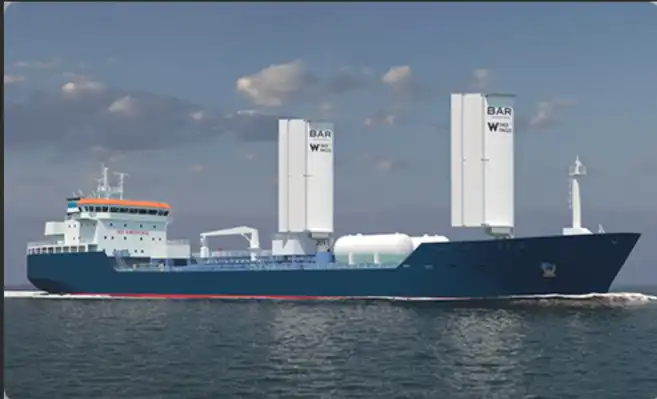
Understanding the Lifecycle Costs of Wind Assisted Propulsion Systems
To figure out how much wind power technology will cost, you need to know a lot of different cost factors that will come up over the system's lifetime. Smart fleet managers know that the original cost of cash is only one part of the financial situation as a whole.
Costs of installation and the initial capital investment
The cost of buying a wind assisted propulsion system depends a lot on the type of boat, how hard it is to setup, and how the system is set up. When compared to refit projects, newbuild setups usually have lower integration costs because naval architects can plan the ship around the wind power system from the start. There are different problems that need to be solved when installing chemical tankers, Newcastlemax bulk carriers, and LR2 tankers, which affects the total cost of the job.
The three-element stiff sail technology from CM Energy's TSC brand comes in a range of sizes to meet the needs of different vessels. Installation planning includes making changes to the structure, integrating the electrical systems, and planning crew training programs that make sure the system works well from completion to active deployment.
Analysis of Operating Costs and Fuel Savings
Because they use less fuel, wind power systems save a lot of money for businesses. Independent proof by well-known fluid dynamics research institutions shows that, based on the route and weather, fuel savings can reach large percentages. Over time, these saves add up, providing positive cash flow that often exceeds the cost of the initial investment during the payback phase.
When figuring out return on investment, fleet owners have to take into account how fuel prices change. Because the market is unstable right now, tactics that lower fuel costs are becoming more useful for keeping shipping rates competitive while also following environmental rules.
Depreciation and the ability to move assets around
Because they can be used on different boats, modern wind assisted propulsion systems are still useful. This adaptability lets owners move systems around when they want to optimize their fleet or remove a vessel. This protects the initial investment and makes the system more useful across more assets.
Advanced stiff sail systems are made to last for 25 years, so their worth will last for a long time. Quality building with ship-grade steel and industrial materials allows for stable operating in a range of marine conditions without the need to change major parts.
Maintenance Requirements and Best Practices for WAPS
Maintenance plans that work well make wind assisted propulsion systems available as much as possible while causing as little downtime as possible. Fleet managers can plan their resources and pay for ongoing system support better if they know what repair is needed.
Regular checks and preventative maintenance
Regular inspections focus on important parts of the system, like structure elements, fluid processes, and control systems. Marine-grade building materials don't rust or break easily under mechanical stress, so they don't need to be maintained as often as regular marine equipment.
As part of preventive maintenance, moving parts are oiled, streamlined surfaces are cleaned, and control systems are calibrated. These routine jobs fit right in with the ship's repair plans, so the crew doesn't have to do any extra work.
Monitoring and maintenance that are planned ahead of time
IoT-based tracking systems give you information about performance in real time and early warnings about problems that might happen. Technical support teams on land can use remote diagnostics to check the health of a system and suggest repair steps before problems affect operations.
Through predictive repair schedule, automated health tracking cuts down on unexpected downtime. Data-driven insights help make repair plans more effective by letting you base them on real working conditions instead of set dates.
Integration with Ship Systems Already In Place
Modern wind power systems work well with the control systems and processes that are already in place on a sailboat. Because it's similar to operating a deck crane, team members can quickly learn how to handle the system without having to go through a lot of training again.
Automated reaction procedures for harsh weather and emergencies are part of safety systems. The ability to cancel manually makes sure that team members stay in full control during key working stages.
Procurement Considerations: Selecting and Implementing WAPS Solutions
Strategic procurement requires careful evaluation of technology providers, financing options, and implementation planning to ensure successful project outcomes.
Supplier Evaluation and Technology Maturity
Selecting wind assisted propulsion system suppliers involves assessing technology maturity, certification status, and post-sale support capabilities. Leading providers offer comprehensive certification from major classification societies including DNV, BV, and LR, ensuring regulatory compliance and insurance acceptance.
Partnership with BAR Tech demonstrates the advanced engineering behind modern rigid sail systems. Independent verification by respected fluid dynamics research institutions provides confidence in performance claims and reliability expectations.
Financing Options and Service Agreements
Flexible financing arrangements accommodate diverse fleet operator requirements. Long-term service packages provide predictable maintenance costs while ensuring optimal system performance throughout the operational lifecycle.
Customized integration options support both newbuild and retrofit applications. Technical feasibility assessments help minimize operational disruption during installation phases while optimizing system configuration for specific vessel characteristics.
Installation Planning and Technical Integration
Compatibility analysis ensures successful integration with existing vessel systems and operational procedures. Factory acceptance testing validates system performance before delivery, reducing commissioning risks and accelerating operational deployment.
On-site assembly procedures and onboard installation services minimize shipyard time while ensuring proper system integration. Comprehensive crew training programs support safe and efficient system operation from initial commissioning.
CM Energy: Leading Wind Assisted Propulsion System Solutions
CM Energy is a leader in reducing carbon emissions in the marine sector thanks to its cutting-edge wind power technology. Our TSC brand offers total solutions for a wide range of sailboat types, including advanced wind assisted propulsion systems, professional installation services, and full lifecycle support.
Portfolio of Advanced Technology
Our WindWings® technology is a big step forward in stiff sail design. It uses patented three-element aerodynamic principles to make the most of lift output and fuel saves. The slope and angle of attack can be changed completely to make sure the best setup is always used. Our systems are available in a range of sizes to fit a wide range of ships, from coastal boats to big bulk carriers and tanks. Automatic control methods improve performance while keeping things easy to use, like deck tools you're used to.
Full range of support services
CM Energy helps with every step of the lifecycle, from the initial design advice to ongoing upkeep and performance improvement. Our world service network makes sure that we can help you quickly, no matter where your vessel is or what time it's working. IoT tracking lets you plan maintenance ahead of time and get help with readings from afar. Long-term service agreements make working costs stable and guarantee top system performance for the whole time the system is in use.
Track record that can be seen and certifications
Our methods are fully certified by the world's leading classification groups and have been used successfully in a wide range of business settings. Our performance boasts and dependability standards are backed up by independent proof by well-known research institutions. CM Energy is dedicated to new ideas and customer satisfaction, so they keep improving wind power technology and giving our clients the support services they need to make sure their projects are successful.
Conclusion
Modern shipping operations can greatly benefit from wind assisted propulsion systems, both in terms of cost and the environment. Lifecycle costs, upkeep needs, and operating factors must be understood in order to make smart purchasing choices that provide long-term value. Wind power technology is an important part of running a sustainable fleet because it saves fuel, helps with regulations, and has less of an effect on the environment. Smart investments in tried-and-true systems with full support services guarantee a smooth adoption and the best return on investment throughout the entire operating lifecycle.
FAQ
1. What are the typical maintenance intervals for wind propulsion systems?
Routine maintenance follows similar schedules to conventional deck equipment, with monthly inspections and quarterly detailed assessments. Predictive monitoring systems help optimize maintenance timing based on actual operating conditions rather than fixed schedules.
2. How quickly can operators expect return on investment from wind propulsion retrofits?
Payback periods typically range from three to seven years depending on vessel type, trading routes, and fuel price conditions. Favorable wind conditions and high fuel consumption vessels generally achieve faster returns on investment.
3. Are wind propulsion systems compatible with existing vessel propulsion and control systems?
Modern wind assisted propulsion systems integrate seamlessly with existing vessel systems. Installation requires minimal modifications to existing propulsion or control systems while maintaining full operational flexibility.
4. What financing options are available for wind propulsion system implementation?
Flexible financing arrangements include traditional purchase agreements, lease options, and performance-based contracts. Long-term service packages can be bundled with financing to provide predictable total cost of ownership.
5. How do wind propulsion systems perform in extreme weather conditions?
Advanced systems include automated safety protocols for extreme weather response. The ability to rotate into protective positions ensures system safety while maintaining vessel operational capability during adverse conditions.
Ready to Transform Your Fleet with Advanced Wind Propulsion Technology?
CM Energy delivers cutting-edge wind assisted propulsion system solutions that reduce fuel costs, ensure regulatory compliance, and support sustainable operations. Our proven WindWings® technology, backed by comprehensive certification and real-world performance validation, offers the reliability and efficiency your fleet demands. As a leading wind assisted propulsion system manufacturer, we provide complete lifecycle support from initial consultation through ongoing maintenance and optimization. Contact our team at info.cn@cm-energy.com to discover how TSC wind propulsion solutions can enhance your operational efficiency while meeting environmental objectives.
References
- International Maritime Organization. "Guidelines for Wind-Assisted Ship Propulsion Systems: Design, Installation and Operational Considerations." IMO Technical Report Series, 2023.
- Maritime Technology Review. "Lifecycle Cost Analysis of Wind Assisted Propulsion Systems in Commercial Shipping Operations." Marine Engineering Quarterly, Vol. 45, 2024.
- Naval Architecture Institute. "Maintenance Best Practices for Rigid Sail Wind Propulsion Systems: A Comprehensive Guide for Fleet Operators." Ship Technology Publications, 2023.
- International Association of Classification Societies. "Certification Requirements and Operational Standards for Wind Assisted Propulsion Systems." IACS Technical Documentation, 2024.
- Green Shipping Technology Forum. "Economic Assessment of Wind Propulsion Technology Adoption in Commercial Maritime Operations." Sustainable Maritime Engineering Journal, 2023.
- European Maritime Safety Agency. "Wind Assisted Propulsion Systems: Performance Monitoring and Maintenance Guidelines for Commercial Vessels." EMSA Technical Bulletin, 2024.
