Installation Requirements for the ALK Hydrogen Generation System
When project developers and EPC teams evaluate a new electrolysis platform, the question that surfaces fastest is rarely about chemistry — it's about installation. Getting an ALK Hydrogen Generator commissioned correctly determines whether a multi-million-dollar green hydrogen facility hits its production targets or burns through contingency budgets before the first cubic meter of hydrogen leaves the pipe. This guide walks through everything your engineering and procurement team needs to know, from site readiness to post-commissioning validation, based on the TSC ALK Hydrogen Generator developed by CM Energy.
Understanding the ALK Hydrogen Generation System Installation
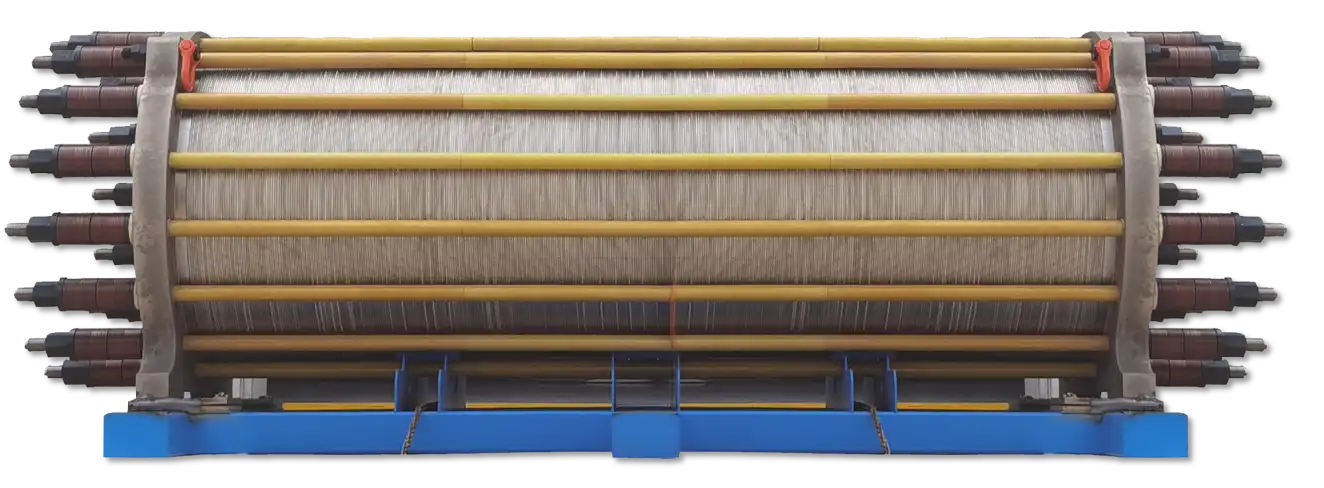
Direct current is used by the TSC ALK Hydrogen Generator to electrolyze a potassium hydroxide (KOH) solution. This breaks down water molecules into hydrogen and oxygen. There are four main parts that make up the system architecture. These are the power supply system, the electrolyzer stack, the Balance of Plant (BOP) system, and support equipment. During the viability stage, engineering teams must figure out how to install each part in a way that takes into account its unique needs.
How the Working Principle Shapes Site Design
The electrolyzer works with a high-temperature alkaline liquid electrolyte, so the placement space needs to be able to handle heat transfer, electrolyte movement, and the separation of gasses and liquids. The BOP system takes care of these fluid dynamics, which means that planning the layout of pipes, draining, and ventilation is not an aside; it is essential for safe operation. Figuring out this connection early on keeps you from having to make expensive changes during the building phase.
Core Components and Their Installation Footprint
The TSC ALK Hydrogen Generator comes in a small, containerized package that can be used indoors or outdoors in a wide range of temperatures. Because the architecture is modular, a project can start with a set capacity and grow without having to rebuild the infrastructure on-site. Civil engineering costs go down directly with this design philosophy, and the whole installation process takes less time.
Key Installation Requirements for ALK Hydrogen Generators
Critical Pre-Installation Site Assessment and Utility Planning
The choice of site may be the most important decision in the whole rollout process. The ALK Hydrogen Generator works best when the safety perimeter, utility connections, and environment around it are planned instead of just assumed.
Before moving tools, your team should make sure of these important things:
- Ventilation and atmospheric control: Hydrogen floats and builds up at the ceiling level. For hydrogen levels to stay well below the lower explosive limit, the installation area must have constant forced air. The technical team at CM Energy uses international standards like NFPA 2 and ISO 22734 to figure out what the best ventilation rate should be for each site.
- Power supply quality: The ALK Hydrogen Generator needs a steady DC power feed. When power comes from natural sources like sun or wind, it needs to be stabilized by equipment that changes the voltage and frequency. Renewable energy sources can be connected to the TSC system because it can work in a wide range of loads (20% to 150% of nominal load). However, the electrical infrastructure upstream must be large enough and grounded to meet industrial standards.
- Feed water quality: The electrolyzer stack will last longer if the water is clean. The water coming in must be deionized or demineralized to meet certain standards. To keep the membrane from breaking down and the electrode from getting clogged, the hardness, salt level, and dissolved solids must all stay within certain limits.
- Spatial clearances and structural load: Containerized units need clear service paths so that repair workers can get to them. The foundation or floor has to be strong enough to support the static load of the electrolyzer, the electrolyte, and any other equipment that is connected to it. Seismic concerns should also be taken into account as needed.
Together, these requirements set the "installation envelope." By taking care of them in an organized way during the pre-FEED stage, you can avoid regulatory delays and unplanned capital costs during construction.
Installation Challenges and How to Overcome Them
Common Failure Modes and Structured Mitigation Strategies
Installations that are well thought out still run into problems. There are three main types of problems that teams encounter with alkaline electrolysis systems. Each one can be traced back to a specific cause.
The chance of hydrogen crossover goes up when there isn't enough space between the gasses and liquids or when the diaphragm is under a lot of mechanical stress during shipping. The TSC ALK Hydrogen Generator has its own membranes that are approved by both CNAS and ASME. Before shipping, pre-assembly integrity checks are done, which include hydrostatic and pneumatic pressure tests at 1.5× working pressure. CM Energy's on-site assembly direction makes these checks even stronger when they get there.
Electrical connections that aren't made correctly are still a risk on big jobs where many workers work together at the bus bar level. It is very important that the cell voltage across the stack stays within very small limits. Any change causes localized thermal stress that shortens the life of the stack. CM Energy fixes this problem with structured site acceptance testing (SAT) and factory acceptance testing (FAT) protocols that make sure the system's electricity is distributed evenly before it goes into use.
If feed water gets dirty, it's a silent threat. A lot of industrial areas share water systems, and small amounts of salt or hardness spikes can get into the feed line without being seen. Putting inline water quality monitoring with automatic shutdown logic saves the electrolyzer and keeps the electrode and membrane parts that were bought, which are both protected by CM Energy's patents.
Using structured planning, certified parts, and expert supervision to deal with these three problems greatly lowers the risk of commissioning.
Comparison of ALK System Installation Versus Traditional Hydrogen Generators
Modular Deployment and Cost-Effective Catalyst Architecture
Conventional equipment for making hydrogen, like steam methane reforming units or older electrolyzers, usually needs a lot of infrastructure, long starting windows, and complicated safety management systems. The work that goes into placement often takes longer than planned.
The TSC ALK Hydrogen Generator does things in a very different way. Because it is made up of containers and modules, most of the integration work is done in the factory instead of on-site. The result is a shorter time frame for installing things on the spot and a much smaller scope for civil engineering. The system's built-in monitoring, automated shutdown logic, and certified pressure boundaries make safety management easier because they cut down on the number of safety interventions that need to be installed in the field.
Cost-conscious procurement teams also know that the ALK system's non-precious metal catalyst architecture (nickel-based electrodes instead of platinum group metals) gets rid of a major source of supply chain volatility that drives up the costs of other electrolysis technologies over their entire lifecycle. Over 50 MW of TSC units have been shipped and are now working on projects in both the United States and other countries. This installation history shows that the deployment model can be used on a large scale.
Optimizing Your Hydrogen Generation System Post-Installation
Commissioning is not the end point; it's just the beginning. Once the ALK Hydrogen Generator is turned on and making hydrogen, it goes through an organized validation procedure to make sure that performance standards are met before it can be used for business.
Performance Validation Protocols
A constant trial run for 72 hours at set load points confirms the thermal balance, steadiness of the electrolyte content, and gas purity output. At the raw output stage, the quality of the hydrogen should be at least 99.8%. Standard purification tools can raise this to 99.999%. In line with ISO 22734 standards, these numbers are not goals; they are contractual outputs that have been checked by a third party.
Maintenance Cadence and Long-Term Uptime
The TSC ALK Hydrogen Generator is designed to work for more than 20–25 years with little wear and tear. To keep that lifespan, you need to stick to a maintenance schedule that includes regular checks of the electrolyte concentration, inspections of the electrodes, and checks of the diaphragm's integrity at set service intervals. CM Energy offers lifetime service support to make sure that spare parts, expert help, and remote tests are always available for as long as the system is in use.
The lower levelized cost of hydrogen and better project economics over the full investment span are directly linked to these operational standards.
Conclusion
Installing an ALK Hydrogen Generator properly takes more than one step. It includes choosing the right spot, getting the infrastructure ready, checking the approved parts, and making sure everything works after the generator is up and running. The CM Energy TSC ALK Hydrogen Generator combines these needs into an organized, factory-supported process that includes everything from figuring out if the generator will work with ships to delivering the generator and giving instructions on how to put it together on-site. It has proven modular architecture, certifications (CNAS, CE, ISO 22734, and ASME), and performance data that is written down. These things give procurement teams and design institutes the technical confidence they need to move projects through the feasibility, bidding, and financing stages.
FAQ
1. What site conditions does an ALK Hydrogen Generator require?
Forced air flow, a stable DC power source (or properly conditioned renewable input), deionized feed water, enough structural load capacity, and clear service openings must all be available at the installation site. With the TSC containerized design, installs can be done both inside and outside.
2. How does the ALK Hydrogen Generator handle fluctuating renewable power?
The TSC system can handle a wide range of power levels, so it can adapt to changes in wind and sun input without stopping. Safe gas crossover thresholds are kept at the same level throughout the load cycle by advanced control logic.
3. What certifications should I verify before procurement?
Check for seals from CNAS, CE, ISO 22734, and ASME. The TSC ALK Hydrogen Generator has all four, and if you ask, you can get third-party DC consumption verification.
Partner with CM Energy for Your Next Alkaline Electrolysis Project
CM Energy and its TSC brand offer tried-and-true ALK Hydrogen Generator options that are backed by their own electrode and membrane technology, certifications for multiple standards, and a service network that spans the globe. Our engineering team is ready to help you with your project from the beginning to the end, whether it's a utility-scale wind-solar-hydrogen integration project or a switch from gray hydrogen to green hydrogen at an industrial facility. To get a technical consultation with a qualified hydrogen generation system supplier, email our team at info.cn@cm-energy.com or go to cm-energy.com.
References
1. International Organization for Standardization. ISO 22734: Hydrogen Generators Using Water Electrolysis — Industrial, Commercial, and Residential Applications. ISO, 2019.
2. U.S. Department of Energy, Hydrogen and Fuel Cell Technologies Office. Hydrogen Shot: Pathways to 2026 Electrolyzer Targets. DOE, 2022.
3. National Fire Protection Association. NFPA 2: Hydrogen Technologies Code. NFPA, 2023.
4. American Society of Mechanical Engineers. ASME Boiler and Pressure Vessel Code, Section VIII: Rules for Construction of Pressure Vessels. ASME, 2023.
5. International Energy Agency. Global Hydrogen Review 2023. IEA, 2023.
6. Buttler, A., and Spliethoff, H. "Current Status of Water Electrolysis for Energy Storage, Grid Balancing and Sector Coupling via Power-to-Gas and Power-to-Liquids." Renewable and Sustainable Energy Reviews, Elsevier, 2018.