Selecting the right mud cleaner for your drilling operation requires careful consideration of your specific application, processing capacity needs, and operational environment. Whether you're operating offshore drilling platforms, land-based shale gas operations, or geothermal well drilling projects, the ideal mud cleaner should efficiently handle solids control while maximizing drilling fluid recovery. Key factors include particle separation capabilities, space constraints on your rig, operational flexibility, and the ability to handle varying mud weights and flow rates across different drilling phases.
Understanding Your Drilling Operation Requirements
Every penetrating operation presents one-of-a-kind challenges that specifically affect mud cleaner determination. Seaward boring stages confront space impediments and cruel marine conditions, whereas land-based shale gas operations bargain with tall penetrating liquid volumes and complex topographical arrangements. Geothermal well penetrating requires gear capable of dealing with high temperatures and destructive environments.
Directional boring for urban framework ventures requires compact, productive solids control frameworks that minimize environmental impact. In the mean time, deepwater investigation vessels require vigorous mud reusing gear that performs dependably beneath extraordinary weight conditions. Natural remediation boring operations require exact liquid partition to anticipate defilement spread.
Mining center testing operations advantage from mud treatment frameworks that protect test accuracy while keeping up boring liquid properties. Tunneling and microtunneling ventures require dependable squander management arrangements that handle changing soil conditions. HDD establishments require versatile, flexible mud preparation hardware that adjusts to diverse extent scales.
Offshore well deserting operations request specialized boring mud frameworks competent of dealing with cement returns and other deserting materials. Understanding these particular necessities makes a difference recognize the most appropriate mud cleaner arrangement for your application.
Evaluating Particle Separation Capabilities
Multi-Stage Separation Technologies
Effective molecule division shapes the establishment of any effective mud reusing framework. Present-day mud cleaners coordinated different partition innovations to handle diverse molecule estimate ranges effectively. Desander gatherings ordinarily expel particles extending from 44 to 74 micrometers, whereas desilter components target better particles between 20 and 44 micrometers. The shale shaker component recoups important boring liquid and barite materials, completing the comprehensive solids control handle. This multi-stage approach guarantees greatest liquid recuperation whereas keeping up ideal mud properties all through your penetrating operation.
Optimizing Equipment for Geological Conditions
Consider the geographical arrangements you'll experience amid boring. Rough arrangements produce bigger cuttings that require strong desander execution, whereas fine-grained arrangements deliver smaller particles that challenge desilter productivity. Selecting gear with suitable tornado setups guarantees ideal cutting division over all penetrating stages. Movable partition parameters give operational adaptability as penetrating conditions alter. See for frameworks advertising conversely tornados and flexible sub-current controls that adjust to changing mud weights and penetrating liquid compositions.
Assessing Space and Layout Constraints
Rig space speaks to a premium product, especially on seaward stages and compact penetrating operations. Coordinates mud cleaner plans that combine desander, desilter, and shale shaker capacities into a single unit to maximize handling capability while minimizing impression requirements.
Compact plans are particularly important for jack-up rigs and semi-submersible stages where deck space impediments specifically affect gear choice. Land-based operations regularly have more adaptability but still advantage from space-efficient plans that disentangle mud framework format and upkeep access.
Consider the hardware situation relative to mud pumps, blending frameworks, and tank arrangements. Ideal mud cleaner situating guarantees smooth liquid stream designs while keeping up simple access for scheduled upkeep and screen changes.
Modular plans offer establishment adaptability, permitting setup alterations based on particular fix formats and operational necessities. This versatility is especially important for temporary workers working assorted tasks over different projects.
Operational Flexibility and Configuration Options
Versatile mud cleaner systems adapt to changing drilling conditions without requiring equipment changes. Multiple operational configurations provide flexibility to optimize performance based on current drilling parameters and formation characteristics.
Systems capable of operating as combined desander and shale shaker units handle coarser cuttings efficiently during initial drilling phases. Desilter and shale shaker configurations excel when drilling through fine-grained formations that generate smaller particles.
Complete three-stage operation utilizing desander, desilter, and shale shaker components provides maximum separation efficiency for complex drilling conditions. Some situations require standalone shale shaker operation, making multi-configuration capability highly valuable.
Adjustable deck angles allow optimization of separation efficiency without stopping operations. This feature proves particularly important during critical drilling phases where continuous circulation maintains wellbore stability and prevents costly drilling problems.
Material Selection and Durability Considerations
Material Quality and Equipment Longevity
Equipment longevity directly impacts operational costs and downtime frequency. High-quality materials resist wear from abrasive drilling fluids and corrosive chemicals commonly encountered during drilling operations. This durability reduces the need for frequent replacements and unscheduled maintenance, thereby enhancing operational efficiency and cost-effectiveness over the equipment's lifecycle.
Cyclone Selection for Performance and Maintenance
Cyclone selection significantly affects performance and maintenance requirements. Polyurethane cyclones offer excellent wear resistance and can be easily replaced during routine maintenance. Iron-shell polyurethane combinations provide enhanced durability for highly abrasive conditions, while ceramic cyclones deliver superior performance in extremely demanding applications. The appropriate choice balances initial investment with long-term operational savings and reliability.
Screen Technology and Separation Efficiency
Screen technology impacts both separation efficiency and operational costs. Pre-tensioned screens distribute drilling fluid evenly across the separation surface, improving sieving effectiveness while extending screen life. Anti-corrosion materials ensure reliable performance in harsh chemical environments. This combination optimizes solids control, reduces waste, and minimizes downtime associated with screen failures or replacements.
Sealed Structural Design and Environmental Protection
Sealed structural designs prevent fluid leakage and maintain clean working environments. This feature proves particularly important for offshore operations where environmental regulations strictly control drilling waste management. By containing fluids and solids, these designs help operators comply with regulations, reduce environmental risks, and lower cleanup costs, contributing to safer and more sustainable operations.
Mud Cleaner Integration and Function
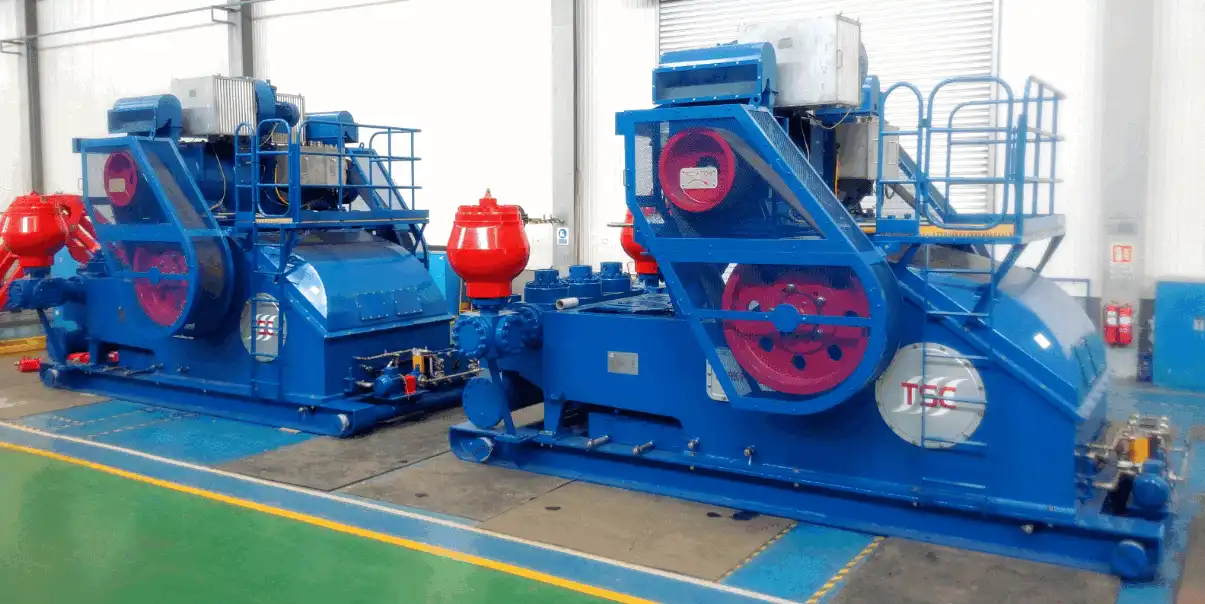
The mud cleaner, integrating hydrocyclones and fine-mesh screens, is essential for advanced solids control. It removes fine, abrasive solids from weighted drilling fluids, allowing barite recovery and maintaining mud density. This process reduces dilution and chemical costs, minimizes waste volume, and protects downstream equipment from excessive wear. Properly sized and maintained, the mud cleaner enhances overall system efficiency and supports compliance with environmental and operational standards.
Maintenance and Service Support Considerations
Reliable maintenance support ensures maximum equipment availability and optimal performance throughout your drilling campaign. Comprehensive service networks provide timely parts availability and technical assistance when needed.
Equipment designs that facilitate routine maintenance reduce downtime and operational costs. Easy access to wear components, simplified screen changing procedures, and straightforward cyclone replacement minimize maintenance time requirements.
Training and technical support help your crew optimize equipment performance while identifying potential issues before they impact operations. Detailed maintenance documentation and troubleshooting guides support efficient field service activities.
Customization capabilities allow equipment modifications to meet specific operational requirements or accommodate unique rig configurations. This flexibility proves valuable for both new installations and retrofit applications.
Performance Monitoring and Optimization
Effective observing frameworks offer assistance to optimize mud cleaner execution, whereas recognizing upkeep needs some time recently hardware disappointments happen. Visual review focuses permit administrators to survey division proficiency and alter working parameters as needed.
Regular execution assessment guarantees your mud reusing framework keeps up ideal effectiveness through the penetrating operation. Observing liquid properties, division proficiency, and hardware wear designs makes a difference in recognizing optimization opportunities.
Documentation of working conditions and execution measurements underpins investigation endeavors and makes a difference optimize future penetrating operations. This data is important for arranging comparative ventures and gear choice decisions.
Continuous enhancement hones based on operational involvement offer assistance refine hardware determination criteria and working strategies for improved execution on future projects.
Conclusion
Selecting the right mud cleaner requires cautious assessment of your particular boring prerequisites, operational imperatives, and execution destinations. Consider molecule division needs, space impediments, operational adaptability, fabric toughness, and support back when making your choice. The venture in quality mud cleaning hardware pays profits through progressed penetrating effectiveness, decreased liquid costs, and upgraded natural compliance. Accomplice with experienced providers who get it your industry challenges and can give comprehensive back all through your gear lifecycle. Making the right choice nowadays guarantees dependable execution and operational victory for a long time to come.
Choose TSC's HMC Mud Cleaner for Superior Performance
CM Energy's TSC brand delivers innovative mud cleaner solutions backed by extensive offshore drilling experience and proven reliability. Our HMC mud cleaner manufacturer expertise spans over 25% of global offshore drilling equipment coverage, with more than 350 deck cranes and 180 self-elevating platforms utilizing our advanced technologies worldwide.
Ready to optimize your drilling fluid management with proven mud cleaner technology? Our experienced team stands ready to help you select the ideal configuration for your specific application requirements. Contact us at info.cn@cm-energy.com to discuss how TSC's advanced mud cleaning solutions can enhance your drilling operations.
References
1. Smith, J.A., Johnson, R.K., and Williams, M.L. "Advanced Solids Control Systems for Offshore Drilling Operations." Journal of Petroleum Technology, Vol. 75, No. 8, 2023, pp. 45-52.
2. Anderson, P.R. "Mud Cleaner Selection Criteria for Deepwater Drilling Applications." Offshore Engineering Magazine, Vol. 48, No. 3, 2023, pp. 78-84.
3. Thompson, K.S., Davis, L.M., and Brown, C.J. "Optimizing Drilling Fluid Recovery in Shale Gas Operations." SPE Drilling & Completion, Vol. 38, No. 2, 2023, pp. 156-163.
4. Miller, R.T. and Wilson, A.D. "Comparative Analysis of Mud Cleaning Technologies for Geothermal Well Drilling." Geothermal Resources Council Transactions, Vol. 47, 2023, pp. 234-241.
5. Garcia, M.E., Lee, S.H., and Roberts, P.Q. "Space Optimization Strategies for Offshore Drilling Platform Mud Systems." Ocean Engineering Journal, Vol. 278, 2023, pp. 112-119.
6. Taylor, D.J., Kumar, A.R., and Martinez, C.L. "Environmental Considerations in Mud Cleaner Design for Remediation Drilling Projects." Environmental Engineering Science, Vol. 40, No. 9, 2023, pp. 389-396.