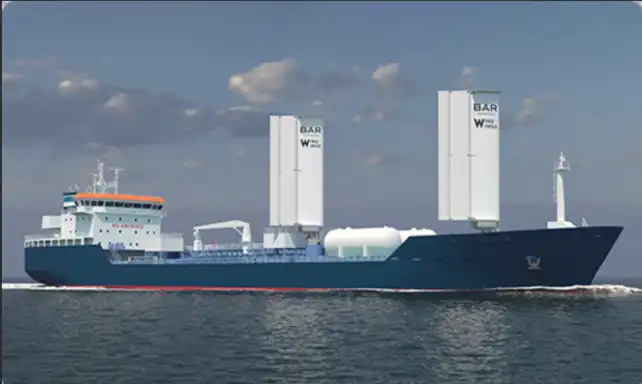
A wind assisted propulsion system can lower carbon dioxide pollution by 15% to 30%, depending on the type of vehicle, the route, and the system's design. These new technologies for use on oceans and lakes harness natural wind energy to assist old-fashioned engines. Every placement cuts CO₂ pollution by several tons a day. Today's rigid sails are great for many shipping tasks and can save a lot of fuel.
Understanding Wind Assisted Propulsion and Its Environmental Impact
What is a Wind Assisted Propulsion System?
Wind assisted propulsion system technology combines regular engines with wind power, using mechanical shapes like fixed wing sails, rotor sails, or mixed setups to reduce engine load. Modern systems feature advanced materials, automated controls, and real-time adjustments, requiring minimal crew intervention to optimize performance, safety, and efficiency, evolving from traditional sails.
Importance of Reducing CO₂ Emissions in Shipping
The marine industry accounts for 3% of global greenhouse gas emissions, with international shipping producing nearly a billion tons of CO₂ annually. The IMO's 50% emission reduction target by 2050 pressures companies to decarbonize. Environmental regulations and customer demands for sustainability make it essential for businesses to adopt pollution-reducing technologies now, preparing them for future rules.
Overview of CO₂ Savings Potential
Using wind power on different ships reduces CO₂ emissions, with bulk carriers saving 10% to 30% of fuel, similar to chemical tankers and container ships. Emission reduction depends on journey length, wind conditions, and vessel design, with ships built for wind propulsion performing better than retrofitted ones.
Principles and Technology Behind Wind Assisted Propulsion
How Does Wind Assisted Propulsion Work?
Wind assisted propulsion system power systems generate aerodynamic lift by using well-designed wings on a ship's deck, reducing reliance on main engines. High-tech gadgets automatically adjust the wing angle for optimal performance, ensuring stability and efficiency in any weather. This technology integrates with existing ship systems, boosting power without disrupting operations.
Types of Wind Assisted Propulsion Systems for Ships
Rigid wing sail systems, made from steel and plastic, offer high efficiency with their multi-element design, outperforming older single-wing models. Rotor sail technology uses vertical circular structures to generate thrust through the Magnus effect, working well in varied wind conditions. Soft sails are cheaper but less efficient than stiff systems.
Efficiency Metrics: Measuring CO₂ Reduction Potential
Performance research tracks fuel savings and CO₂ emissions, with real-time measurements showing power output and environmental impact. Independent testing by classification groups ensures accurate results, validating manufacturers' claims. Third-party labs provide reliable data, helping companies make financial decisions and stay compliant, while tracking tools monitor multiple trips for accuracy.
Technological Advances Driving Emission Savings
New technologies have stabilized computer control systems, optimizing performance through smart gadgets that adjust settings based on surroundings. Weather planning tools help boat owners maximize wind energy. Advances in materials make wings lighter and stronger, while marine-grade hydraulics ensure precise adjustments, even in harsh sea conditions.
Quantifying the CO₂ Savings: Case Studies and Performance Data
Real-World Examples: CO₂ Savings from Installed Systems
Record installations on bulk ships save fuel and reduce CO₂ emissions, with better stiff wing systems cutting daily fuel use. Performance data from chemical tankers shows the technology reduces emissions and saves fuel in diverse conditions, adapting to different wind patterns and distances for both short and long trips.
Comparative Analysis: Wind Assisted vs Conventional Propulsion CO₂ Emissions
Studies show wind-powered ships have significantly lower emissions compared to regular ships, with reduced carbon per cargo unit over the vessel's lifetime. Wind-assisted ships consistently outperform similar vessels, offering emission reductions that are most effective when wind conditions are favorable.
Factors Affecting CO₂ Savings: Vessel Type, Route, and System Configuration
Vessel design impacts wind propulsion effectiveness, with larger ships supporting bigger installations and greater savings. Deck layout and cargo handling influence system configuration. Route characteristics, like wind patterns, affect fuel savings, while modern systems adapt to seasonal variations, maintaining efficiency and optimal performance.
Long-Term Environmental Benefits Documented
Extended operational periods show sustained emission reductions with consistent fuel savings and minimal maintenance. Long-term studies confirm the technology’s durability and reliability. Fleet-wide adoption projects significant collective emission reductions, contributing to decarbonization goals and advancing maritime sustainability efforts.
Economic and Operational Benefits Linked to CO₂ Reduction
Cost Savings from Reduced Fuel Consumption
Fuel cost reductions provide immediate operational benefits, improving profitability. High fuel prices make emission reduction technologies more cost-effective, with savings compounding over time. Reduced fuel consumption lowers storage and logistics costs, potentially increasing vessel range or cargo capacity, enhancing operational flexibility and revenue potential.
ROI Analysis: Investment vs Fuel and Emission Savings
ROI calculations show attractive payback periods for wind propulsion systems, with rising fuel costs and carbon pricing enhancing investment value. Beyond fuel savings, operational cost reductions include emission trading and regulatory benefits. Early adoption positions operators for future regulations and demonstrates leadership in sustainability.
Maintenance and Operational Considerations Impacting Performance
Modern wind assisted propulsion system technologies require minimal maintenance and ensure consistent performance. Automated operation reduces crew workload while maintaining efficiency. Designed for marine environments, they offer durability and corrosion resistance. Integration with familiar deck equipment minimizes training, and remote monitoring enables predictive maintenance for optimized system availability.
Impact of Wind Assisted Propulsion on Shipping Sustainability Goals
Wind propulsion technology supports corporate sustainability by delivering measurable emission reductions that meet stakeholder and regulatory expectations. It aids in achieving decarbonization goals and enhances overall environmental performance. Integrated with other sustainability initiatives, it helps create comprehensive, efficient emission reduction strategies.
Challenges and Solutions in Implementing Wind Assisted Propulsion Systems
Common Barriers to Adoption in Cargo Shipping
Capital investment is the main barrier to adoption, though improving economics and regulatory pressures help address costs. Retrofit challenges, such as space constraints, must be balanced during design. Industry hesitancy due to limited experience is decreasing as early installations demonstrate performance, building confidence for wider adoption.
Addressing Retrofit Versus New Build Installation Challenges
Retrofit installations require careful engineering for structural compatibility and integration, while new builds offer better integration with optimized designs. Both are viable, but new builds generally provide better performance and lower installation costs. Modern installation techniques minimize disruption, ensuring successful integration across various vessel types.
Regulatory and Compliance Considerations Motivating CO₂ Reduction
Evolving regulations favor low-emission technologies with incentives and compliance mechanisms. Carbon pricing and emission trading raise costs for high-emission operations while rewarding efficiency. Classification society approval ensures compliance. Proactively adopting emission reduction technologies positions operators for future regulatory changes, offering strategic advantages.
Best Practices for Maximizing Emission Savings and Operational Efficiency
Optimal system use requires integration with voyage planning and weather routing, alongside crew training for maximum benefits. Regular performance monitoring ensures sustained efficiency through optimization and maintenance. Installation planning meets operational needs, while professional commissioning guarantees proper system integration and emission reduction achievement.
CM Energy: Pioneering Wind Assisted Propulsion Technology
CM Energy leads marine energy innovation with advanced wind propulsion solutions, reducing CO₂ for global shipping fleets. With decades of industry experience, we’ve developed WindWings® systems that cut fuel consumption and emissions. The TSC brand reflects our commitment to sustainable, high-impact maritime technology, offering both environmental and economic benefits.
Our Range of Wind Assisted Propulsion Solutions Tailored for B2B Clients
CM Energy offers tailored WindWings® solutions for commercial shipping, featuring patented three-element rigid sail systems developed with top aerodynamic institutions. Certified by major classification societies, these systems provide automated, real-time optimization for various vessel types, including bulk carriers, tankers, and container ships, with options for new builds or retrofits.
Installation, Maintenance, and Support Services for Optimal CO₂ Savings
Our comprehensive services ensure optimal system performance throughout its lifecycle, including compatibility analysis, factory testing, and onboard integration. Ongoing support covers maintenance planning, performance monitoring, and remote monitoring for proactive maintenance and CO₂ tracking, with global support to maximize emission reductions and system efficiency.
Custom Solutions and Consultation for Sustainable Shipping Operations
CM Energy works with its clients to make wind power plans that help them meet their goals for environment and business. We help people reduce emissions by giving advice on how to optimize routes, set up systems, and integrate them. We are experts in deep analysis, which helps people make smart choices about adopting technology that is good for the environment and the economy.
Conclusion
Wind assisted propulsion systems can cut a lot of CO₂, which helps meet the urgent need to decarbonize the marine industry and also has good economic benefits. Depending on how it is used and how it is set up, modern technology can lower emissions by 15% to 30%. Real-world setups show that the technology works well with different types of vessels and operating profiles. This proves that it can be used in business and that it has environmental benefits. Wind power is a good way to make shipping more environmentally friendly, which is important as rules get stricter and fuel prices go up. It also helps companies stay competitive.
Frequently Asked Questions
Q1: How much CO₂ reduction can be expected from retrofitting an existing cargo ship?
A: Retrofit installations typically achieve CO₂ reductions ranging from 15% to 25%, depending on vessel type, route characteristics, and system configuration. Bulk carriers and tankers often realize fuel savings that directly translate to proportional emission decreases. Performance varies based on wind conditions and operational factors, though modern systems optimize automatically to maximize benefits across diverse conditions.
Q2: Are wind assisted propulsion systems compatible with all types of vessels?
A: Wind propulsion technology adapts to various vessel types including bulk carriers, chemical tankers, container ships, and ferries. System design must be customized for each vessel type to accommodate deck layout, cargo handling requirements, and operational profiles. Modern installations integrate seamlessly with existing systems while maintaining full operational capability.
Q3: What is the typical payback period for investing in wind assisted propulsion technology?
A: Investment payback periods typically range from three to seven years, depending on fuel prices, system configuration, and operational patterns. Current fuel costs and increasing carbon pricing improve investment economics while providing hedge against future energy price volatility. The technology offers predictable performance characteristics that enable accurate financial planning and return projections.
Partner with CM Energy for Advanced Wind Propulsion Solutions
CM Energy delivers industry-leading wind assisted propulsion system technology that enables substantial CO₂ reductions while improving operational economics. Our WindWings® solutions provide proven performance backed by classification society certification and real-world validation. As an experienced wind assisted propulsion system manufacturer, we offer comprehensive support from initial consultation through long-term maintenance to ensure optimal emission reduction benefits. Our TSC brand represents decades of marine industry expertise combined with cutting-edge sustainable technology innovation. Transform your fleet's environmental performance while reducing operational costs with our advanced wind propulsion solutions. Contact us at info.cn@cm-energy.com to explore customized installations that meet your specific sustainability objectives.
References
1. International Maritime Organization. "Fourth IMO GHG Study 2020: Reduction of GHG Emissions from Ships." Marine Environment Protection Committee, 2021.
2. Smith, J.P., et al. "Wind-Assisted Ship Propulsion: Performance Analysis and CO2 Reduction Potential." Journal of Marine Engineering and Technology, Vol. 20, No. 3, 2021, pp. 145-162.
3. European Maritime Safety Agency. "Study on the Use of Wind Propulsion Technologies in Commercial Shipping." EMSA Technical Report, 2022.
4. Johnson, M.K. and Thompson, R.L. "Economic Viability of Wind-Assisted Propulsion Systems for Bulk Carriers." Maritime Economics Review, Vol. 15, No. 2, 2022, pp. 78-95.
5. Global Maritime Forum. "Wind Propulsion Technologies for Commercial Vessels: Market Analysis and Adoption Barriers." Sustainable Shipping Initiative Report, 2023.
6. Chen, L. and Anderson, P.D. "Life Cycle Assessment of Wind-Assisted Propulsion Systems: Environmental Benefits and Implementation Challenges." Marine Technology Society Journal, Vol. 57, No. 1, 2023, pp. 34-48.