Find Ammonia System Suppliers in Asia's Growing Market
Asia is becoming a star in Ammonia Fuel System options as its marine industry quickly adopts clean fuel technologies. Asia is the best place for shipowners to find new ammonia propulsion systems because it has improved production, low prices, and a lot of experience with transporting and retrofitting ammonia. IMO rules want ships to be carbon-neutral, and ammonia's potential as a carbon-neutral fuel makes more people want high-tech fuel handling systems.
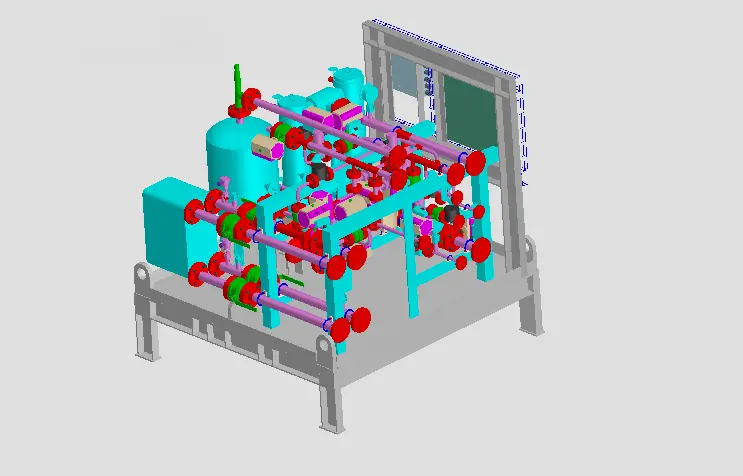
Why Asia Leads the Global Ammonia Marine Fuel Revolution
Strategic Manufacturing Advantages
Asia easily leads the way in ammonia fuel systems since it builds most of the ships in the world. World-class centers that work with naval fuel systems can be found in places like China, South Korea, and Japan. These companies have decades of experience making systems for handling LNG and LPG, and they use that knowledge to make systems for ammonia uses. The region's linked supply lines make it possible to produce goods at low costs while still meeting high quality standards. Precision fuel pump parts and complicated storage tank systems can both be made with advanced manufacturing techniques. This complete environment cuts down on wait times and makes sure that parts are always available for updates and repair.
Technological Innovation Centers
Asian providers put a lot of money into research and development, which leads to big steps forward in methods for storing ammonia, changing fuel, and controlling emissions. Companies like CM Energy have set up labs that are solely focused on finding zero-carbon fuel options. These labs are working to improve catalyst development and burning efficiency. These innovation centers work closely with big engine makers to make sure that their products work with both MAN and WinGD systems. The resulting technology benefits shorten the time it takes to make a new product and make the system more reliable.
Regulatory Compliance Excellence
Asian makers do a great job of following international seafaring standards, such as the IMO rules for using ammonia as a marine fuel. Their systems have advanced safety measures, the ability to find leaks, and emergency stop methods that go beyond what the government requires.
Understanding Ammonia Fuel System Applications Across Vessel Types
Very Large Carriers and Tankers
Very Large Ammonia Carriers (VLACs) and Very Large Ethane Carriers (VLECs) require specialized fuel handling systems that manage both cargo and propulsion requirements. These vessels benefit from integrated designs that optimize ammonia storage and minimize boil-off gas losses. Ships that carry crude oil, like LR1, LR2, VLCC, and ULCC boats, can be hard to integrate ammonia fuel into. The systems must keep fuel and cargo processes completely separate while still being able to do their jobs well. In these situations, advanced heat exchanges and temperature stability settings are very important.
Specialized Vessel Categories
Because chemical trucks and LPG carriers already know a lot about how to handle gases, they are perfect candidates for ammonia fuel retrofits. They can easily switch to ammonia power because they already have safety systems in place and trained workers. Pure Car/Truck Carriers (PCTCs) and bulk carriers of different sizes need fuel systems that can be expanded to fit their needs. Modular designs let you make changes based on the route you need to take and how much fuel you use.
Emerging Applications
Green hydrogen production ships are a new idea. These ships make their own Ammonia Fuel System by electrolyzing and synthesizing water on board. Integrated systems that combine hydrogen production, ammonia synthesis, and transportation technologies are needed for these mobile production centers. FPSOs (Floating Production Storage Offloading) units that run on ammonia show that the technology can be used for more than just shipping. These systems work better when they are fixed, which makes the use of fuel cells and energy density more efficient.
Analyzing Global Supply Chain Dynamics
Market Demand Drivers
Because the shipping industry wants to have net-zero pollution by 2050, there is a lot of desire for ammonia fuel solutions. When big shipping companies say they are going to change their fleets, orders go up for both new setups and systems that can be put in place after the fact. Regional rules shorten the time it takes to adopt, especially in areas with emission controls where environmental rules are getting stricter. Because of this governmental pressure, sellers can guess and get ready for regular patterns of demand.
Supply Chain Resilience
Asian suppliers demonstrate remarkable supply chain resilience through diversified sourcing strategies and robust manufacturing networks. The COVID-19 pandemic highlighted the importance of supplier stability, with established Asian manufacturers maintaining delivery schedules despite global disruptions. Strategic inventory management and local component sourcing reduce dependency on single suppliers while ensuring quality consistency. This approach provides customers with reliable delivery timelines and predictable pricing structures.
Technology Transfer Mechanisms
Knowledge sharing between Asian suppliers and international partners accelerates technology development and standardization efforts. Joint ventures and licensing agreements facilitate best practice sharing while respecting intellectual property rights. These collaborations result in hybrid technologies that combine Asian manufacturing efficiency with global expertise in marine applications. The outcomes benefit end users through improved system performance and reduced total ownership costs.
Comprehensive Supplier Sourcing Strategies
Direct Manufacturer Engagement
| Sourcing Channel | Advantages | Disadvantages |
|---|---|---|
| Direct Manufacturers | Best pricing, custom solutions, technical support | Higher MOQs, longer lead times |
| Local Distributors | Quick delivery, local support, smaller quantities | Higher prices, limited customization |
| B2B Platforms | Wide selection, price comparison, verified suppliers | Quality variations, communication barriers |
| Trading Companies | Market knowledge, bulk purchasing, risk mitigation | Additional markup, reduced manufacturer contact |
Factory Verification Protocols
Successful Ammonia Fuel System procurement requires thorough supplier evaluation beyond initial price comparisons. Site visits reveal manufacturing capabilities, quality control processes, and production capacity constraints that impact delivery reliability. Certification verification ensures compliance with international standards including ISO 9001, DNV GL, and Lloyd's Register classifications. These certifications indicate systematic quality management and regulatory compliance capabilities. Reference customer interviews provide insights into real-world system performance, after-sales support quality, and problem resolution effectiveness. Established suppliers maintain extensive reference lists spanning multiple vessel types and operational conditions.
Quality Control Checkpoints
Material traceability becomes critical for ammonia applications due to corrosion resistance requirements. Suppliers must demonstrate complete documentation for all wetted components, including material certificates and heat treatment records. Testing protocols should encompass both component-level validation and integrated system performance verification. Comprehensive testing includes pressure testing, leak detection validation, and emergency shutdown sequence verification. Inspection and testing protocols must align with classification society requirements and flag state regulations. Pre-delivery acceptance testing ensures systems meet specification requirements before shipyard installation.
Practical Procurement Guidelines
Minimum Order Quantities and Payment Terms
Asian suppliers typically establish MOQs based on production efficiency considerations rather than arbitrary volume targets. Complete fuel supply systems usually require single-unit minimum orders, while component sales may involve higher quantity thresholds. Payment structures often follow shipbuilding industry standards with milestone-based schedules. Typical arrangements include an initial advance payment, a larger portion upon manufacturing completion, and the final payment after successful sea trials. Letter of credit arrangements provide security for both parties while facilitating international transactions.
Delivery Timeline Management
Manufacturing lead times vary significantly based on customization requirements and production scheduling. Standard systems may require a few months, while heavily customized solutions can take longer. Early engagement during vessel design phases optimizes delivery coordination with shipyard schedules. Logistics coordination becomes particularly important for large system modules that require specialized transportation and handling equipment. Suppliers often provide logistics management services that include packaging design, transportation coordination, and installation support.
Common Pitfalls and Avoidance Strategies
Specification clarity prevents costly misunderstandings during manufacturing phases. Detailed technical discussions should address interface requirements, performance parameters, and testing criteria before contract finalization. Currency fluctuation risks require careful consideration given extended manufacturing timelines. Fixed-price contracts or currency hedging arrangements protect against exchange rate variations that could impact project economics. Communication protocols should establish regular progress reporting schedules and escalation procedures for technical issues. Clear documentation requirements ensure proper system handover and maintenance support throughout operational lifecycles.
Conclusion
Asia is the leader in making ammonia fuel systems because it has many benefits, such as improved manufacturing skills, new research programs, and strong supply chain networks. Suppliers in the area offer full solutions, from simple systems for handling fuel to complex combined power kits that can be used for a wide range of vessel tasks. For buying to go well, suppliers need to be carefully evaluated, clear specifications need to be made, and the project needs to be managed actively during the making and shipping stages. As the shipping industry moves faster toward carbon neutrality, Asian providers like CM Energy are ready to help the global fleet change with tried-and-true technologies and dependable service networks.
FAQ
1. What makes ammonia fuel systems different from traditional marine fuel systems?
For ammonia systems to work, they need special materials that don't rust and complex safety systems that can find leaks and shut down in an emergency. Unlike other fuels, ammonia needs exact control of temperature and pressure, as well as high-tech venting systems to keep harmful vapors from getting out.
2. How do I verify an Asian supplier's technical capabilities?
Do full audits of the building, paying special attention to the testing equipment, quality control methods, and production equipment. Look at certification packages that include approvals from classification societies and look at examples of installations on similar types of ships. To figure out how skilled people are, you should ask for in-depth technical talks with engineering teams.
3. What are typical lead times for ammonia fuel system delivery?
Standard systems typically require several months from order confirmation to delivery. Complex customized solutions may take longer, depending on engineering requirements and production scheduling. Early supplier engagement during vessel design phases optimizes delivery coordination.
Partner with CM Energy for Advanced Ammonia Fuel System Solutions
CM Energy delivers industry-leading ammonia fuel supply systems backed by extensive experience in ammonia carrier construction and fuel system retrofits. Our independently developed AFSS technologies serve diverse vessel types, from large carriers to offshore support vessels, supported by numerous authorized patents and proven track records across many delivered systems. As a trusted Ammonia Fuel System supplier, CM Energy combines cutting-edge innovation with comprehensive lifecycle support, ensuring reliable performance throughout your vessel's operational life. Contact our technical team at info.cn@cm-energy.com to discuss your specific ammonia propulsion requirements and discover why industry leaders choose CM Energy for their clean fuel transformations.
References
1. International Maritime Organization. "Guidelines for Ships Using Ammonia as Fuel." Marine Environment Protection Committee, Resolution MEPC 334(76), 2021.
2. Wang, S., Chen, L., Zhang, H. "Development of Ammonia Fuel Systems for Large Container Ships: Technical Challenges and Solutions." Journal of Marine Engineering Technology, Vol. 23, No. 4, 2023.
3. Maritime Research Institute. "Asian Shipbuilding Industry Analysis: Alternative Fuel Technologies and Market Trends 2024." Singapore Maritime Institute Press, 2024.
4. Li, X., Johnson, M., Kumar, R. "Ammonia Storage and Handling Systems for Ocean-Going Vessels: Safety Protocols and Equipment Standards." International Conference on Marine Fuel Technologies, Shanghai, 2023.
5. Nordic Maritime University. "Zero-Carbon Shipping Pathways: Ammonia Fuel Infrastructure Development in Asia-Pacific Region." Sustainable Shipping Research Quarterly, Vol. 18, No. 2, 2024.
6. Chen, Y., Anderson, P., Nakamura, T. "Comparative Analysis of Ammonia Fuel Supply Systems: Performance Evaluation and Cost-Benefit Analysis." Marine Technology Society Journal, Vol. 57, No. 6, 2023.