Best Methanol Fuel Delivery Mechanism for Tankers
Therefore, the optimum Methanol Fuel Delivery Mechanism for tankers is a purpose-built system that manages pressure, temperature, flow rate and fuel cleanliness to suit the engine manufacturer’s criteria. Unlike traditional fuel systems, methanol fuel delivery system has to deal with low flashpoint, corrosiveness and toxicity of methanol, and also maintain consistent performance at all engine load circumstances. CM Energy's TSC-branded Methanol Fuel Supply System (MFSS) is designed for this problem, with modular options for both newbuilds and retrofit projects.
Understanding Methanol Fuel Delivery Mechanisms for Tankers
Diesel and heavy fuel oil operate significantly differently from methanol. It has a reduced energy density, high vapour pressure and is corrosive . Vessels need a whole new approach to fuel management . Methanol Fuel Delivery Mechanism is not a modified diesel system. It is a safety-critical infrastructure, designed from the bottom up for methanol.
Core Components That Define System Reliability
The methanol fuel supply system is properly built with four interrelated units: methanol supply, filling and transfer, auxiliary and control and safety systems. Every portion has a function that cannot be compromised. The supply unit guarantees that the main engine is always supplied with the correct pressure and flow necessary for all load ranges from idle to full ahead, handling dynamic transitions during start-up, shutdown and fuel switching.
Material Compatibility and Corrosion Management
Standard elastomers and soft metals break down quickly when exposed to methanol. A compliant Methanol Fuel Delivery Mechanism utilizes 316L stainless steel wetted components and PTFE or perfluoroelastomer seals to prevent structural failure and leakage. This material discipline is mandatory for any system seeking DNV product approval.
Safety Architecture Built for Low-Flashpoint Fuels
Because methanol's flashpoint is approximately 11°C, which is significantly lower than that of conventional marine fuels, the delivery system must follow both the IMO IGF Code and the SOLAS-IBC Code. Safety features like double-walled piping, constant leak detection, and inert gas purging set purpose-built methanol systems apart from inadequate adaptations.
Comparing Methanol Fuel Delivery Mechanisms: Best Options for Tankers
Precision, Flexibility, and Verified Shipboard Performance
There are several methanol fuel delivery systems, and the choice of procurement influences engine dependability, crew safety, and regulatory compliance. For tankers, direct methanol fuel injection systems have advantages over carbureted or low-pressure systems, since they allow more precise control of injection time and amount, which is important for two-stroke crosshead engines such as the MAN ME-LGIM.
When evaluating Methanol Fuel Delivery Mechanisms, technical teams should prioritize the following capabilities:
- Engine interface precision: The system must work correctly during start-up, load variation, fuel switching, and emergency shutdown, keeping pressure and flow within the engine builder's specified limits.
- Dual-mode delivery: Being able to provide either stand-alone methanol supply units or full integrated packages gives shipowners flexibility for different vessel types and project scopes.
- Regulatory documentation support: Any reputable supplier must be able to provide class approval, AIP certificates, and a full technical dossier for submission.
- Proven shipboard performance: Reference deliveries on working ships are more reliable than laboratory test results alone when proving performance at sea.
Optimizing Methanol Fuel Delivery Systems for Tankers
A well-specified Methanol Fuel Delivery Mechanism will not work as intended if installation, commissioning and continuous maintenance are poor. Common problems seen in the field include pressure instability during load changes, clogging from particle contamination, and sensor drift in humid or high temperature engine rooms.
Structured Commissioning Reduces Operational Risk
CM Energy's TSC installation protocol follows a strict sequence: technical confirmation against vessel design drawings, positioning of prefabricated modules using certified lifting procedures, connection of pipelines and control cables with verified sealing integrity, and finally, staged individual and integrated system commissioning. Each subsystem—bunkering, supply, and control-safety—is independently verified before final sign-off.
Filtration Practices That Protect Injector Life
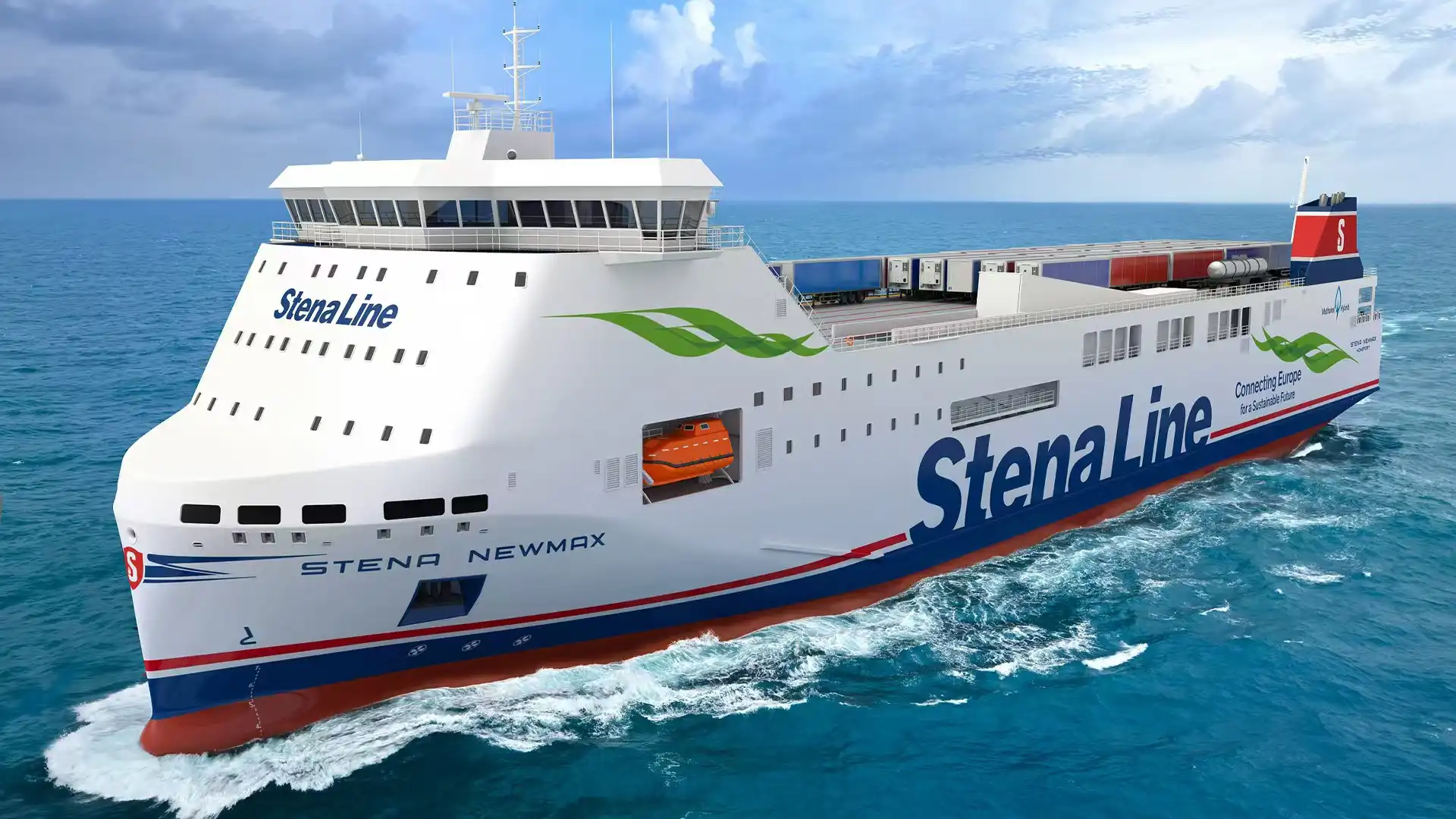
Methanol acts as a powerful solvent that cleans out storage tanks and transfer lines, sending contamination downstream during initial operation. Sticking to a strict filter replacement schedule during the first several hundred operating hours protects injectors and pump internals from accelerated wear. CM Energy's TSC team has successfully demonstrated this stable conditioning on Stena RoRo vessels under demanding duty cycles.
Procurement Guide: Buying Methanol Fuel Delivery Systems for Tankers
Scope Definition, Certification Verification, and Integration Expertise
Procuring a Methanol Fuel Delivery Mechanism follows the timeline of the newbuild project. The process typically begins three to six months before equipment bidding opens, involving technical specification drafting and class submission. Decision-makers must evaluate system requirements against the vessel size, the specific methanol engine (such as the MAN ME-LGIM), and the intended operational profile.
Here are the procurement considerations that experienced technical directors prioritize:
- Scope clarity: Choose early whether to buy just the Methanol Fuel Delivery Mechanism supply unit or the complete integrated system including filling, transfer, auxiliary, and control subsystems.
Class approval documentation: Verify that the supplier holds up-to-date DNV AIP and product certificates, which directly affects survey timelines and shipyard interface risk. - Integration experience: A supplier skilled in both LNG Fuel Supply Systems (FGSS) and Ammonia Fuel Supply Systems (AFSS) reduces coordination friction when planning future fuel transitions.
- After-sales coverage: Global spare parts availability and service responsiveness are critical for vessels trading on international routes.
Future Trends and Innovations in Methanol Fuel Delivery for Tankers
Digital Integration, Regulatory Drivers, and Alternative Fuel Pathways
The methanol fuel supply is changing with the wider move to green shipping. Digitally integrated control systems are replacing analogue pressure regulation, enabling real-time performance monitoring and predictive maintenance. Smart sensors embedded in supply units now provide shore staff ongoing data on flow consistency and seal integrity, so they can act before small irregularities develop into expensive shutdowns.
Regulatory pressure from the IMO's CII framework and the EU's FuelEU Maritime regulation is accelerating the adoption of low-emission fuels. Green methanol and e-methanol are chemically identical to fossil methanol and are fully compatible with a Methanol Fuel Delivery Mechanism that meets IMPCA or ISO purity standards. CM Energy is advancing this frontier with research into methanol-to-hydrogen pathways and synthetic ammonia applications.
Conclusion
Selecting the right Methanol Fuel Delivery Mechanism is a critical technical decision in a methanol dual-fuel newbuild or retrofit project. The system must accurately condition fuel across all engine states, comply with international safety codes, and remain reliable over the vessel's service life. CM Energy's TSC Methanol Fuel Supply System addresses these requirements through tested engineering, approved quality standards, and a proven track record of 19 ship sets delivered across multiple vessel types.
FAQ
1. How does a Methanol Fuel Delivery Mechanism differ from a diesel fuel system?
Methanol's low flashpoint, corrosive chemistry, and lower energy density require dedicated material choices, including stainless steel wetted parts and perfluoroelastomer seals. It also requires a higher volumetric flow capacity to compensate for its lower heating value; standard diesel systems will fail rapidly if exposed to methanol.
2. What maintenance intervals apply to methanol fuel supply systems?
Service intervals for certified sealing materials and double-walled safety barriers align with standard marine practice. However, filtration requires closer attention during initial operation as methanol dissolves legacy deposits and increases particulate loading downstream.
3. Can existing tankers be retrofitted with a methanol fuel supply system?
Yes. The TSC MFSS modular design from CM Energy is suitable for retrofit installations. The prefabricated skid format simplifies shipyard integration, and the system can be configured to meet vessel-specific interface requirements following technical clarification.
Partner with CM Energy for Your Methanol Fuel Supply System Needs
CM Energy's TSC brand brings proven expertise as a supplier of the Methanol Fuel Delivery Mechanism for both newbuild and retrofit projects. TSC offers a one-stop solution with DNV-certified products, 19 ship sets of experience, and capabilities covering MFSS, FGSS, and AFSS to reduce multi-system coordination risk. Reach our technical team at info.cn@cm-energy.com or visit cm-energy.com to discuss your project requirements.
References
1. MAN Energy Solutions. ME-LGIM: Low-Pressure Methanol Engine Technology. MAN Energy Solutions, 2023.
2. DNV. Alternative Fuels Insight: Methanol as a Marine Fuel. DNV GL, 2023.
3. International Maritime Organization. IGF Code: International Code of Safety for Ships Using Gases or Other Low-Flashpoint Fuels. IMO, 2016.
4. IRENA. Innovation Outlook: Renewable Methanol. International Renewable Energy Agency, 2021.
5. Lloyd's Register. Methanol as a Marine Fuel: Safety, Technology, and Operational Guidance. Lloyd's Register, 2022.
6. Society of Naval Architects and Marine Engineers (SNAME). Green Shipping: Alternative Fuel Systems for Dual-Fuel Vessel Design. SNAME Transactions, 2023.