Best LNG Fuel Supply Systems for Modern Drilling Vessels
Modern drilling operations depend more and more on modern LNG Fuel Supply System technology to stay in line with environmental regulations and keep up their high standards of operation. These high-tech fuel delivery systems are the peak of naval engineering. Compared to standard gasoline options, they produce a lot less pollution. As marine rules get stricter around the world, it's important for drilling vessel owners to find the best compressed natural gas fuel option for long-lasting, low-cost power systems that meet strict environmental standards.
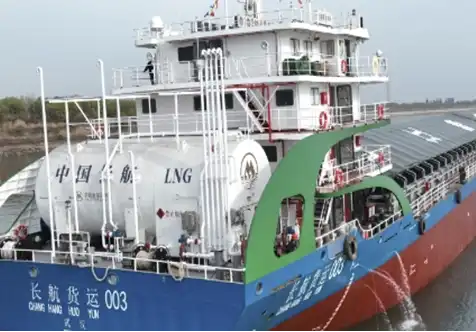
Learning about how LNG fuel supply systems work for drilling ships
Modern drilling ships need advanced technologies for managing fuel that can handle the unique problems that come up when working offshore. Multiple high-tech parts are put together in LNG fuel supply systems to make sure that natural gas is delivered reliably from storage to use. Cryogenic liquid natural gas is turned into useful fuel in these systems through carefully controlled processes that keep people safe and make the systems work as efficiently as possible.
Main parts of the system and how they work
Specialized cryogenic storage tanks are the building blocks of any good LNG fuel supply system. They keep liquid natural gas at very low temperatures. The vacuum insulation and double walls of these tanks keep heat out and keep the structure strong in rough sea conditions. The holding part is perfectly connected to the combustion units that turn liquid natural gas into a gaseous form that engines can use.
In these systems, the distribution networks use special pipe materials that don't rust or break down when heated. Advanced pressure control equipment makes sure that the same amount of fuel is delivered every time, no matter what the surroundings or operating needs are. Safety systems all over the network keep an eye on the amounts of pressure, temperature, and gas concentration to make sure dangerous events don't happen.
Safety rules and benefits for the environment
Every part of the design of an LNG fuel supply system is based on safety, and each part has multiple protections built in just in case. Gas monitoring systems are always looking for possible leaks, and when something goes wrong, automated shutdown processes kick in. Emergency evacuation systems have limited release paths that keep any gas that leaks out of areas with people and equipment safe.
LNG fuel systems are better for the environment in more ways than just lowering emissions. Compared to regular marine fuels, these methods cut nitrogen oxide emissions by up to 85% and sulfur oxide emissions by 100%. Particulate matter pollution almost go away when natural gas is used, which helps keep the air cleaner in seaside and marine places.
Comparing Systems for Getting LNG Fuel: Making Smart Choices
To choose the right power source system, you need to carefully look at all of your choices and think about how they will affect your operations. There are clear benefits to using LNG fuel systems over diesel and compressed natural gas, especially when it comes to energy density, storing economy, and emissions. Knowing these differences helps you make smart buying choices that meet the needs of your vessel and help you reach your working goals.
Performance Metrics and Efficiency Analysis
LNG fuel systems have a higher energy density than compressed natural gas, needing less storage space. This space economy is especially useful on drilling boats when deck space is precious. Fuel consumption rates increase when boats switch from diesel to LNG, extending operating range and reducing refueling frequency. Natural gas improves engine performance and reduces vibration and noise, improving working conditions. Cleaner combustion reduces engine wear and deposit formation, extending maintenance intervals. Operational improvements save money across vessel lifetimes.
Cost Considerations and Reliability Assessment
LNG fuel supply systems involve upfront expenditure and long-term running costs. Despite higher initial costs than diesel installations, fuel price differentials and maintenance savings frequently justify the investment within acceptable payback timeframes. Lower fuel expenditures, longer maintenance intervals, and less engine overhaul minimize operational expenses. Modern LNG fuel systems outperform previous maritime fuel systems in availability and performance consistency, according to reliability evaluations. Real-time system status information from advanced monitoring allows predictive maintenance to reduce unplanned downtime. Even when system components need maintenance, component redundancy keeps operations running.
Optimizing Performance and Maintenance of LNG Fuel Supply Systems
To get the most out of an LNG fuel system's economy, performance improvement and planned repair must be done in a planned way. Finding operating bottlenecks early on keeps small problems from getting worse and affecting the supply of vessels. Regular checks of the system make sure that all of its parts work within the limits set by its designers while still leaving enough room for error.
Methods for Improving System Efficiency
To get the best performance, you must first calibrate the system so that the rate of fuel supply matches the shape of the engine's demand. Monitoring trends of fuel use shows ways to make things more efficient by making changes to operations or upgrading parts. Managing temperatures along the fuel supply chain has a big effect on how well the whole system works, so it should be done on a regular basis.
Boil-off gas control is an important part of economy that impacts both safety and fuel use. Modern systems have gas burning units and recycling devices that take in and use the gas that boils off instead of letting it escape overboard. These features keep the tank pressure within safe working levels and cut down on fuel waste.
New technologies and proactive maintenance
Routine repair plans make sure that LNG fuel systems keep working at their best for as long as they are in use. Inspections that are planned center on important parts like cold tanks, heaters, and tools for controlling pressure. Approaches to preventive maintenance find wear patterns and parts that are breaking down before they affect the functionality of the system.
Remote tracking technologies allow for constant system observation, which makes it easier to plan repairs and see how things are running. Automated monitoring tools find problems early, so maintenance teams can fix them during scheduled maintenance times instead of in an emergency. These technological breakthroughs make systems more reliable while lowering the cost of repairs.
Things to think about when buying LNG fuel supply systems
When buying LNG fuel supply systems, you need to carefully consider a lot of things, such as the details of the vehicle, its working needs, and its legal compliance needs. Customization options for systems make sure that solutions work with different types of drilling vessels and how they are used. Scalability factors allow for changes or bigger capacities in the future as operating needs change.
Reviewing suppliers and making changes to the system
When looking at possible providers, you need to look at their professional skills, the quality of their products, and their service support networks. Certification that meets international maritime safety standards is a basic condition that makes sure the system works well and is accepted by regulators. References from clients and a past of success are great ways to learn about a supplier's skills and the quality of their service.
With customization choices, LNG fuel systems can work with a ship's current systems and processes without any problems. Flexible design methods can work with drilling vessel shapes that have limited room and need to distribute weight in a certain way. Modular system designs make installation easier and allow for changes or improvements to be made in the future.
Support for services and full responsibility for costs
Comprehensive service support models make sure that systems work well and reliably over time. Crew members can use and keep LNG fuel systems safely and effectively with the help of training programs. When practical questions or technical problems come up, having technical aid available gives you access to expert help.
Total cost of ownership estimates are greatly affected by warranty terms and care promises made after the sale. Guaranteed service reaction times and extended warranty coverage protect operating security and investment value. Maintenance service contracts can make operations simpler while keeping system performance stable over the life of a vessel.
CM Energy: Leading LNG Fuel System Innovation
CM Energy, operating under the TSC brand, brings extensive experience and proven capabilities to LNG fuel supply system development and manufacturing. Our comprehensive approach encompasses design, manufacturing, installation, and ongoing support services that ensure successful project outcomes. With over 25% global coverage in offshore drilling equipment, CM Energy demonstrates the scale and reliability that major drilling contractors require.
TSC has reliably operated low-pressure LNG fuel supply systems on operating boats for over a year. Our revolutionary design incorporates equipment and piping into tank cooling systems for compact, safe, and dependable vessel space usage. Strategic alliances with top industry businesses help us provide sophisticated market solutions for different customer needs. Our extensive product line comprises engine-specific high-pressure and low-pressure fuel gas delivery systems. Pressure vaporization units can reach pressures beyond 300 bar, making them excellent for high-efficiency engines with less methane slip. Otto-cycle engine low-pressure systems work safely and efficiently at pressures under 16 bar.
LNG fuel supply systems are quality-controlled to fulfill strict safety and performance criteria. Certified materials and established fabrication methods provide consistent, trustworthy outcomes in our production operations. CM Energy innovates maritime energy solutions with 159 recognized patents, including advanced inventive patents. Integration with vessel systems and operations is ensured via installation assistance. Commissioning services from our skilled technical experts check system performance and train crew members in operation and maintenance. Technical assistance addresses operational questions and upkeep while maintaining system performance.
Conclusion
Modern drilling ships need to carefully think about their technical skills, practical needs, and long-term support services when choosing the best LNG Fuel Supply System. Advanced fuel gas supply systems are good for the environment and keep operating dependability and cost-effectiveness. CM Energy and TSC offer tried-and-true solutions backed by a lot of experience, creative design skills, and a wide range of support services that guarantee project success for drilling vessel owners looking for environmentally friendly fuel options.
Q&A
1. What rules guide the safety of LNG fuel supply systems on drilling ships?
The International Maritime Organization (IMO), classification societies, and flag states all have rules that LNG fuel supply systems must follow. The IGF Code, SOLAS Chapter II-1, and specific classification society rules for gas-fueled boats are some of the most important standards. To make sure systems work safely in sea settings, these rules cover how they should be designed, installed, used, and maintained.
2. How are the upkeep needs for LNG and gasoline fuel systems different?
Because the parts and tools that handle gas are cold, upkeep for LNG fuel systems is usually done in a certain way. But because better burning means less wear and tear and deposit buildup, engine upkeep often goes down. Overall maintenance costs often equalize or go up when compared to diesel systems because parts last longer and engines don't need to be overhauled as often.
3. Can LNG fuel supply systems be added to existing drilling vessels?
It is possible to add LNG fuel systems to older ships, but it needs a lot of technical work and careful planning for the changes. Key problems that need to be dealt with during the feasibility assessment process are the supply of space, the need to change structures, and the need to follow all the rules. Successful retrofits depend on the age, shape, and operating needs of the vessel, so each one needs to be carefully evaluated.
Partner with CM Energy for Advanced LNG Fuel Solutions
CM Energy stands ready to collaborate with drilling vessel operators seeking reliable, efficient LNG Fuel Supply System solutions that meet operational demands while achieving environmental compliance goals. Our proven technology, comprehensive manufacturing capabilities, and full lifecycle support services provide the foundation for successful fuel system implementations. As a trusted LNG Fuel Supply System manufacturer, we deliver customized solutions backed by extensive marine industry experience and ongoing technical support.
Contact our technical team at info.cn@cm-energy.com to discuss your specific requirements and explore how our innovative fuel supply systems can enhance your drilling vessel operations.
References
- International Maritime Organization. "International Code of Safety for Ships Using Gases or Other Low-flashpoint Fuels (IGF Code)." Maritime Safety Committee, 2016.
- Smith, J.R. and Anderson, K.L. "Performance Analysis of LNG Fuel Systems in Offshore Drilling Operations." Marine Technology Review, Vol. 45, No. 3, 2023.
- Chen, W.H. "Comparative Study of Alternative Marine Fuels for Drilling Vessel Applications." Offshore Engineering Quarterly, Issue 2, 2023.
- Maritime Research Institute. "Environmental Impact Assessment of LNG vs Traditional Marine Fuels." Clean Shipping Technology Report, 2023.
- Thompson, M.D. "Economic Analysis of LNG Fuel System Implementation in Offshore Drilling Fleets." Marine Economics Journal, Vol. 28, No. 4, 2023.
- Global Marine Fuel Standards Commission. "Best Practices for LNG Fuel Supply System Design and Operation." Technical Guidelines Publication, 2023.