Why Airlines Need a Modern Air Cargo Management System
There is more pressure than ever on airlines to update their systems these days. Even though the title refers to air cargo, the basic ideas behind efficient cargo handling systems technology are the same in all types of transportation. This includes marine logistics, where ships need complex ways to load, unload, and move cargo. Managing shipping today isn't just about getting things moved faster; it's also about putting in place integrated cargo handling systems that make sure safety, compliance, and operational excellence. The main problem stays the same whether you're in charge of chemical packages on trucks or medicines that need to be kept at a certain temperature: old-fashioned manual processes cause delays that make you less competitive and less profitable in today's tough supply chain world.
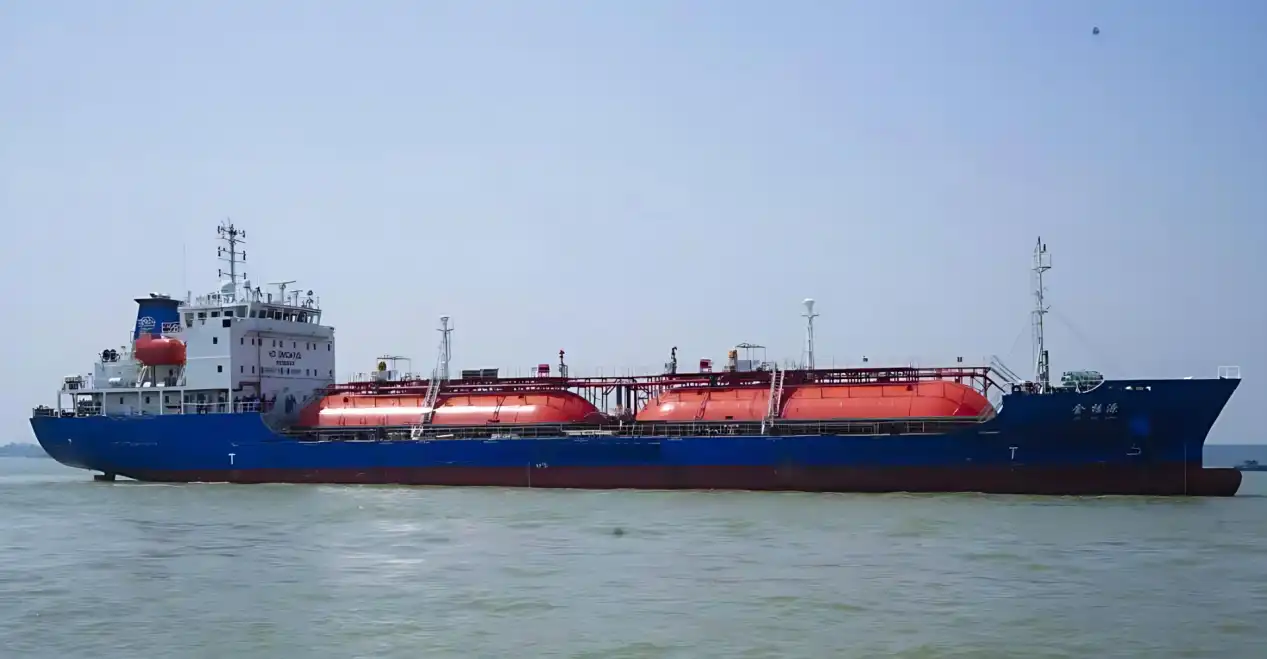
Understanding the Challenges of Traditional Air Cargo Handling
There are basic problems with legacy shipping operations that affect everyone in the supply chain. Multiple points of contact with manual paperwork processes introduce human mistakes, and old equipment fights to keep up with modern throughput needs.
Operational Bottlenecks in Manual Systems
Tracking and sorting things by hand on paper are big parts of traditional methods, which cause delays that affect the whole transport network. When cargo gets to ports, workers check shipping details against waybills by hand, which can go wrong if the information is read wrong, filed wrong, or communicated wrong. These mistakes directly cause missed links, late supplies, and unhappy customers. When service levels drop, carriers face penalty fees, damage to their image, and missed contracts, in addition to the immediate running costs.
Safety and Compliance Vulnerabilities
The rules for transporting products have become stricter, especially when it comes to dangerous materials, temperature-controlled goods, and sending goods across borders. Manual systems have a hard time keeping up with real-time compliance paperwork, which puts planes at risk of fines and shutdowns. To follow safety rules, you have to do exact figures for weight distribution, separate materials that don't work together, and keep an eye on everything all the time. These are all jobs that are too much for manual processes to handle when they're busy.
Rising Costs and Competitive Disadvantages
Processes that require a lot of work raise running costs and make it harder to grow. When airlines are stuck on old systems, they can't quickly change their capacity to meet regular demand changes or take advantage of market possibilities that need quick responses. When competitors use automated solutions, they get clear benefits in terms of pricing flexibility, service dependability, and customer happiness.
Core Components and Workflow of a Modern Air Cargo Handling System
Modern cargo management combines high-tech hardware technology with complex software systems to make operations run smoothly. The technical complexity of these systems is similar to that found in marine cargo handling system solutions, where accuracy and dependability are key to making money.
Automated Material Handling Infrastructure
Automatic guided vehicles, robotic sorting systems, and conveyor networks carry items in modern warehouses without human assistance. High-precision weigh station sensors collect measurements, and reading equipment scans barcodes and RFID tags to maintain digital tracking lines. This infrastructure reduces physical handling time and improves accuracy for every shipment.
Integrated Software and Control Systems
Smart software regulates every step behind mechanised physical components. These systems receive commodities, allocate storage space, retrieve items in the appropriate sequence, and optimise loading using algorithms that consider how aircraft should be loaded, where they're going, and how valuable each item is. Supervisors may notice cargo network issues before they become severe issues that interrupt service on real-time displays. Compliance documentation is automatically generated by the program, including regulatory reports and audit trails.
Safety Protocols and Maintenance Frameworks
Reliability requires proactive maintenance programs using predictive data. Sensor networks monitor equipment performance and identify issues before they break down. Automatic shut-down, fire suppression, and computerised alerts protect persons and commodities. To maintain measurement accuracy, calibration is done regularly. Precision for regulatory compliance and operational safety is maintained.
Why Airlines Should Adopt Automated Cargo Handling Systems
Automation is good for business for more than just making operations more efficient; it also changes how successful a company is and how well it does financially. When airlines use modern systems, they claim gains that can be seen across a number of performance measures.
Quantifiable Efficiency Gains and Cost Reduction
Automated systems can move goods at speeds that humans just can't match. The speed of sorting goes up a lot, and the number of mistakes drops to almost nothing. As people move from doing boring, routine work to more valuable jobs like supervising and analyzing, labor costs go down. Optimized storage algorithms that increase capacity without slowing down entry speed make better use of facility room. These improvements in speed directly lead to lower running costs per unit handled, which boosts margin performance even when prices are competitive.
Scalability and Integration Capabilities
Modern systems are built with modular designs that let them grow without having to update all of their infrastructure. As traffic grows, airlines can add sorting lanes, storage units, or automation cells to keep operations running smoothly while protecting their initial capital investments. Integration features make sure that new shipping systems work well with the IT platforms that airlines already have, like flight operations systems, customer relationship management tools, and financial reporting infrastructure. This interoperability gets rid of the data layers that are a problem in older settings, giving all operations a clear view.
Enhanced Safety Standards and Regulatory Compliance
Automation takes away the unpredictability that people bring to safety-critical tasks. Calculations for weight distribution are done with mathematical accuracy, segregation of dangerous materials always follows set protocols, and digital cargo handling systems processes that are organized and systematic way, making sure that all paperwork is complete. Regulatory checks are easy to do when cargo handling systems keep full, time-stamped records of all decisions made about moving and dealing goods. Airlines lower their risk of liability while showing officials and customers that they are excellent at what they do.
Technology Trends Shaping the Future of Air Cargo Management
New technologies are changing what cargo management systems can do, which is good for companies that are ready to spend money on the latest features.
Artificial Intelligence and Predictive Analytics
Machine learning algorithms look at operational data from the past to predict trends in demand, find the best way to use resources, and guess when repair will be needed. These systems keep getting better at what they do without having to be reprogrammed by hand because they learn from every exchange. Predictive models can spot possible problems days in advance, which lets proactive changes keep service levels high during busy times. Anomaly detection algorithms look for patterns that don't make sense. These patterns could be signs of security risks, operational mistakes, or broken equipment that needs to be looked into.
Internet of Things and Real-Time Tracking
IoT sensor networks make it possible to see more about the state of goods at all stages of the transportation chain than ever before. Temperature sensors check the stability of the cold chain for shipments of medicines and other perishable goods, and shock sensors look for handling events that could damage sensitive equipment. Location tracking works very accurately, which lets you predict delivery times more accurately. This makes it easier to communicate with customers and plan processes further down the line. This ability to watch all the time can also be used in marine applications where cargo handling system technology needs to work reliably in harsh offshore conditions.
Blockchain and Digital Documentation
Distributed ledger technology makes records of goods exchanges that can't be changed. This makes cross-border paperwork easier and lowers the risk of fraud. Smart contracts set off automatic payment triggers when delivery goals are met. This speeds up cash flow and cuts down on management costs. Blockchain platforms make it safe for shippers, drivers, customs officials, and consignees to share information with each other without putting data security or business privacy at risk.
Robotics and Contactless Operations
Advanced robotics can consistently place goods in ways that humans can't do over full shifts. Self-driving mobile robots move goods between processing stations, changing routes on the fly to avoid traffic and give priority to the most important packages. Contactless processes lower the risk of spreading disease. This became more important during recent global health problems and is still important for protecting workers.
Selecting the Right Modern Air Cargo Management System
When making a procurement choice, it's important to think about the technical skills, supplier qualifications, and total cost of ownership. Airlines have to find a mix between their short-term business needs and their long-term strategic goals for cargo handling systems.
Cost Structure Analysis and Procurement Options
Capital buying requires a big investment up front, but it gives you long-term power over your assets and operations. Leasing plans let you update as technology improves while lowering your original financial investment. When you do a total cost of ownership study, you have to look at things like installation costs, training costs, ongoing support contracts, software licensing fees, and energy use. These are all things that have a big effect on how well a system does financially over many years or even decades.
Supplier Evaluation and Partnership Criteria
Examine suppliers' technical expertise, product quality, and customer service while picking them. LPG carriers, chemical tanks, offshore platforms, and other ships have used intricate cargo handling system engineering from companies like CM Energy for decades. Their experience indicates they can develop, construct, and manage complicated systems under harsh conditions. Supplier agreements should include comprehensive training programs to assist internal operators enhance their jobs and maintenance abilities. How soon after-sales support reacts affects operational issue resolution. Service infrastructure and parts supply are crucial decision considerations.
Customization and Scalability Assessment
Each airline has unique development plans, cargo mix qualities, volume patterns, and integration demands. Many off-the-shelf alternatives don't suit these demands. Leading vendors personalise system settings to each vessel or facility, making them more helpful in real-world operations. Instead of adapting operations to common equipment, TSC builds cargo handling solutions that match each client's demands. Scalability lets systems expand with the company without being replaced. It protects capital investments and boosts business.
Installation Planning and Operational Transition
Rollout must be carefully planned to minimise operational interruptions during installation. Tool manufacture, building preparation, system installation, and startup are scheduled in detailed project timetables. Pre-installation technical explanation clarifies interface requirements and prevents costly repairs. Phased deployment allows partial system activation while legacy operations continue. This reduces the transition-time income effect. Thorough testing ensures the system operates in all conditions before full production. This ensures reliability from the outset.
Conclusion
Modern shipping management systems and cargo handling system technologies are long-term investments that completely change how operations work and how competitive they are. As rivals use automation to offer better service at lower costs, airlines that continue to depend on manual processes will face growing problems. Today's technologies, like artificial intelligence and IoT tracking, make it possible to improve efficiency in ways that were unthinkable just a few years ago. To make implementation work, you need to carefully choose your provider, make sure the system fits your needs exactly, and plan everything out. But the practical and financial benefits make the investment worth it. When airlines are ready to update their shipping infrastructure, they set themselves up for long-term success in global transport markets that are becoming more and more competitive.
FAQ
1. What distinguishes a modern cargo handling system from traditional equipment?
Modern systems have features that older ones don't have, like clever software control and the ability to watch things in real time. With automation, fewer steps need to be done by hand, which increases speed and accuracy while lowering the need for workers. Intelligent software improves processes on the fly, responding automatically to changing working conditions. Real-time tracking gives managers the information they need to be proactive instead of reacting when problems arise. When put together, these skills give performance levels that can't be reached with old or manual methods or tools.
2. How long does typical system implementation require from purchase to full operation?
Implementation times range from twelve to twenty-four months, depending on how complicated the system is and how ready the building is. During this time, thorough engineering, making tools, preparing the building, installation, commissioning, and training for operators all happen. Phased solutions may be able to reach some level of working capability sooner, which lets users gradually switch from older systems. TSC's full lifecycle support method walks clients through every step of the implementation process, making sure that technology problems are fixed quickly and that business changes go smoothly.
3. Can existing facilities accommodate modern automated systems without major construction?
With careful planning and modular system design, many sites can add technology to buildings that are already there. Space optimization programs find the most space-efficient ways to use resources, and flexible equipment setups can work with the limitations of the building's design. Some sites need structural changes to make room for equipment loads or operating flows, but most of the time, they don't need to be completely rebuilt. During the procurement process, site surveys are used to find out exactly what each facility needs and what options are possible.
Partner with CM Energy for Advanced Cargo Handling System Solutions
CM Energy is ready to help you modernize your operations with their proven knowledge of cargo handling systems, which they have gained over decades of greatness in marine engineering. Our TSC brand has provided high-tech solutions for VLGCs, chemical ships, LNG carriers, and offshore platforms, all of which need the utmost in safety and dependability. We offer a full range of services, including system creation, manufacturing, installation, and ongoing support, to make sure that your investment keeps working well. Through our strategic relationship with the Norwegian design company WTC, we can bring cutting-edge engineering skills to every project. At the same time, our own technologies and high-quality manufacturing make sure that the quality is among the best in the world. As a well-known company that supplies cargo handling systems to the marine industry around the world, we know the problems you're having and can come up with answers that work for you. Email our team at info.cn@cm-energy.com to talk about how our personalized shipping management systems can change the way you do business and put you ahead of the competition.
References
1. International Air Transport Association. "Air Cargo Handling Standards and Best Practices." IATA Cargo Operations Manual, 2023.
2. Johnson, M. and Stevens, R. "Automation in Transportation Logistics: Efficiency Gains and Implementation Strategies." Journal of Supply Chain Management, Vol. 47, 2022.
3. Maritime and Logistics Technology Review. "Integrated Cargo Handling Systems: Cross-Sector Applications and Performance Benchmarks." Annual Industry Report, 2023.
4. Chen, L. "Digital Transformation in Cargo Operations: AI, IoT, and Blockchain Integration." Transportation Research Quarterly, Vol. 34, Issue 2, 2023.
5. Global Cargo Systems Alliance. "Procurement Guidelines for Automated Material Handling Infrastructure." Industry Standards Publication, 2022.
6. Williams, P. and Thompson, K. "Safety and Compliance in Modern Cargo Management: Regulatory Requirements and Technical Solutions." Logistics Safety Journal, Vol. 19, 2023.