What It Is and How Cargo Handling Systems Work
A cargo handling system is a complex piece of engineering that makes sure that bulk liquid or gas goods can be safely loaded, transferred, and unloaded from ships and ports. These all-in-one solutions include specialized pumps, cable networks, tracking tools, and automation controls to make sure that cargo operations run smoothly and meet strict safety and environmental standards. The most important thing is to keep legal compliance, minimize port turnaround time, and stop cross-contamination. These are all important issues that have a direct effect on how profitable it is for vessel owners and terminal facilities to run their businesses.
Understanding Cargo Handling Systems: Definition and Core Concepts
When talking about marine operations, the cargo handling system is like the brain of specialized ships. Knowing how it's put together at its core helps procurement pros make smart investment choices that meet their business needs.
What Constitutes a Cargo Handling System
The design is made up of many parts that work together smoothly. The main force for moving fluids is provided by submerged cargo pumps, and gravity control systems keep the ship stable while it is being loaded and unloaded. With unified process control automation, the whole workflow is managed from a single command interface, and tank level gauges let you keep an eye on your goods in real time.
These parts solve specific problems that ship workers have with their operations. The system has to deal with viscosities, temperatures, and chemical traits that change while keeping flow rates that are best for business. Modern designs put an emphasis on flexibility, which lets workers set up systems based on the type of vessel and the cargo.
Operational Workflows Across Different Vessel Types
Various marine applications need various approaches. Pressure control systems maintain LPG cargo in precise temperature and pressure ranges aboard Very Large Gas Carriers (VLGCs). Chemical trucks with many parcels require separate piping networks and pumps to prevent mixing. Melting and transfer technologies in Floating Storage and Regasification Units (FSRUs) convert LNG into pipeline-ready gas.
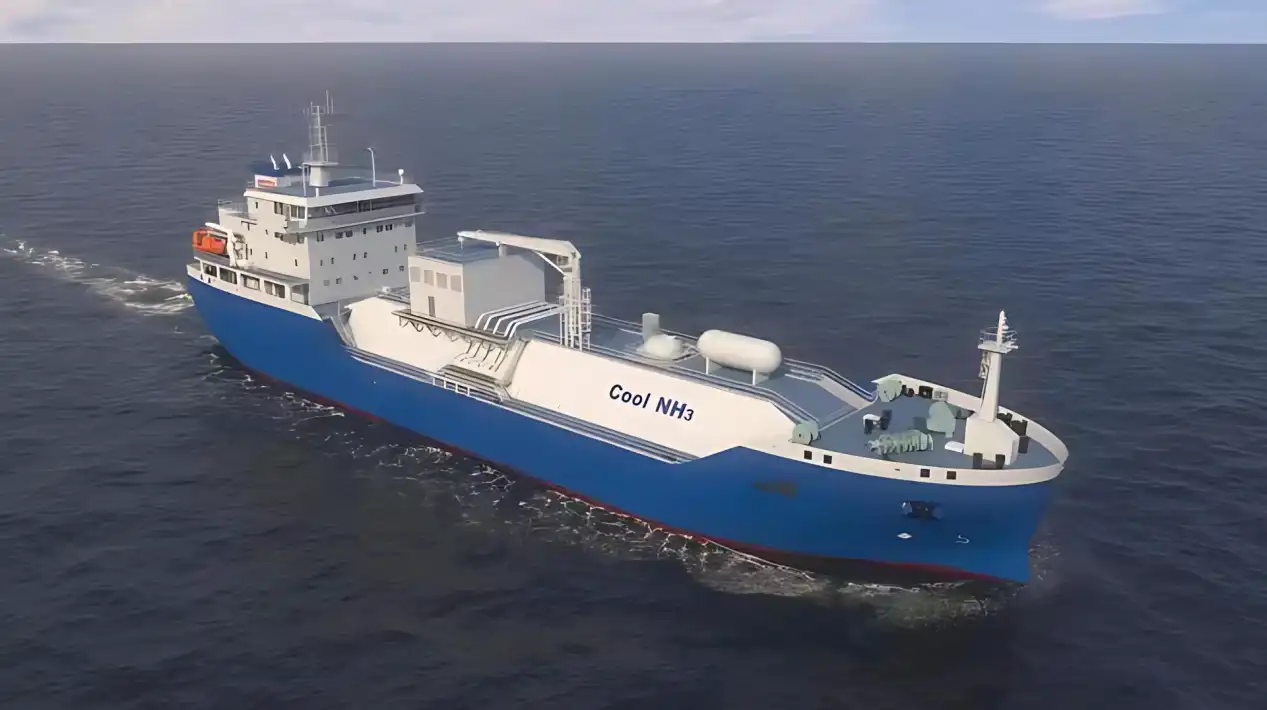
LR1, LR2, VLCC, and ULCC crude oil tankers seek high release rates to reduce port time. Their systems use many parallel pumps to manage crude oil temperatures and viscosities. Ammonia vehicles (VLACs) require corrosion-resistant materials and -33ºC refrigeration.
System Classification: Pressure and Temperature Variants
System experts categorise systems by function. Pressurised cargo is held at ambient temperature under high pressure. Cooling is unnecessary, but tanks must be well-built. Semi-refrigerated designs may function on many trade routes because of their gentle cooling and lower pressure ratings. Fully refrigerated systems hold items at atmospheric pressure using active cooling, which enhances tank capacity but requires ongoing chilling.
Each variant has advantages. Fully sealed systems work well with basic tools for shorter journeys and lighter loads. Semi-refrigerated options make medium-haul transactions more versatile. For long-distance delivery of considerable volumes, fully chilled arrangements that optimise tank capacity support equipment investment.
Key Features and Advantages of Modern Cargo Handling Systems
When you invest in advanced cargo handling systems, you get measured returns in the form of higher working efficiency, better safety profiles, and lower lifetime costs. Knowing these benefits helps procurement teams choose options that offer long-term value and defend capital expenditures.
Core Operational Benefits
Better methods cut down on the time it takes to move goods, which directly leads to lower port fees and more frequent trips. Automation cuts down on mistakes made by people during important tasks, especially when several tanks are involved and the balance needs to be adjusted at the same time. Overflows and spills can be avoided with precise flow control and tracking. This protects both the environment and the company's image.
Improving safety means more than just preventing accidents. A higher level of tracking can find problems with pressure, temperature, or flow rates before they get worse and become dangerous. When sensors are triggered, emergency shutdown systems act quickly to separate cargo systems and stop breakdowns that could spread. These features lower insurance rates while keeping crew and property safe from disasters.
Essential Equipment Integration
Cargo handling integrates many tools into one operating system. Pump rooms are unnecessary with deepwell pumps immersed in cargo tanks. By reducing hydrocarbon exposure, this increases cargo space and safety. Hydraulic or electric drives allow you to plan for risky areas and power sources.
Pipelines use unique materials that don't react with the items' chemicals or heat. Thermal insulation protects temperature-sensitive items, and duplex stainless steel can withstand corrosion. Valve manifolds allow tank, pump, and outlet line routing. This allows you to load and unload various things differently.
Control systems have evolved from basic automation platforms to hand-operated valves. Modern interfaces display real-time system status, automate sequential activities, and retain complete operational records for regulatory compliance. Bridge officers can check items without going to the engine room using vessel management systems.
Safety Protocols and Maintenance Strategies
Strong maintenance procedures extend tool life and streamline operations. After regular inspections, pump seals, valve seats, and pipe stability show wear patterns before breaking. Vibration analysis may identify worn bearings for replacement during drydock rather than in an emergency at sea.
Only underwater pumps employ cofferdam monitoring for safety. The vacant space between hydraulic components and storage locations needs regular cleaning and examination. Finding cargo or hydraulic fluid in purge samples indicates a seal failure, prompting maintenance to fix the leak. This prophylactic measure reduces environmental risk and saves the company money on downtime.
Training packages teach operators what the system can and cannot accomplish. Training simulators simulate real-life situations to boost operators' confidence in shutting down and restoring systems. Competency checks are lawful and ensure fleet boats operate the same way.
Comparison and Evaluation: Choosing the Right Cargo Handling System
To choose the right cargo handling system, you need to carefully consider your budget, working needs, and long-term strategic goals. Depending on how the ship trades and what it carries, different systems offer different benefits.
Automated Versus Manual Operation
Automation makes things more consistent and efficient, but it costs more up front and needs specialized upkeep skills. Manual systems are easy to use and cost less to buy, but they require more skill from the team and take longer to run. The choice depends on the size of the ship, the make-up of the crew, and how complicated the operations are.
Large ships that carry valuable goods can justify investing in technology by getting better results and cutting down on shift times. Smaller ships that work in trades with lots of port time may find that manual systems work well enough and don't need as much care as computer systems. Hybrid methods that combine automatic tracking with human action offer solutions that are in the middle, balancing complexity with capability.
Hydraulic Versus Electric Systems
When working with dangerous goods, hydraulic methods naturally provide more safety. The hydraulic fluid medium eliminates the risk of electrical sparks in cargo tank areas, which makes it easier to classify dangerous areas. Operators who value ease of operation will like how reliable it is and how easy it is to maintain.
Electric methods are more efficient and require less space for extra tools. Variable frequency drives let you precisely control the speed of the pump, which improves its performance when the viscosity of the goods changes. Modern designs for explosion-proof motors meet safety standards and are easier to handle. The choice depends on how much the ship's electricity system can handle and how well the crew knows how to maintain it.
Lifecycle Cost Considerations
The entire cost of ownership goes beyond the purchase price. Maintenance, supplementary components, and business efficiency adjustments are also included. Premium systems cost more but are more dependable, reducing unnecessary repairs and downtime. For ships nearing the end of their useful lives or employed for simpler missions, lower-cost solutions may be cheaper.
Standardisation across all fleet ships reduces parts storage and simplifies crew training. Operators of a variety of boats measure uniformity against the expenses of improving each vessel's performance. Ship residual value influences sales or scrapping decisions. Low-investment strategies provide the best returns.
Procurement Insights: How to Buy and Source Cargo Handling Systems
Strategic buying methods make sure that the best solutions are found while lowering the risks that come with picking the wrong tools or having problems with the reliability of the seller. Methodical rating factors help people make decisions that lead to good results.
Evaluating Manufacturers and Suppliers
The first step in evaluating a supplier is to check that they have all the necessary licenses and qualifications. Classification society approvals from groups like ABS, DNV, or Lloyd's Register show that the design meets safety standards for the marine environment. ISO quality certifications show that production methods and quality control systems have been tested and proven to work. Track records of the supplier in similar vessel applications give trust in their technical ability and assistance after delivery.
CM Energy's specialized marine equipment name, TSC, has a lot of experience when it comes to buying cargo handling systems. TSC has developed and delivered three full, fully pressurized LPG cargo systems, showing that it can handle difficult marine tasks. Working together with Norwegian design partner WTC blends real-world building experience with cutting-edge engineering methods to make sure that solutions meet the strict needs of international ship operations.
Technical Specification Development
Detailed specifications inform suppliers of business demands. Cargo chemical properties, temperature ranges, and viscosity determine material and pump sizes. Flow rate standards include discharge speed, pipeline pressure, and power. Tanks and vessels restrict equipment placement and pipe connections.
Interface standards allow new and existing vessel systems to function together. Electrical source voltages and frequencies must match vessel production. Control system standards should apply to bridge displays and alarms. Inventory costs and maintenance are reduced when spare components work with current equipment.
Customization and Vessel-Specific Optimization
Standardised approaches don't necessarily work with varied vessels. TSC customises each vessel for its operating requirements. Different tank layouts, cargo kinds, and route circumstances may be accommodated by the cargo handling system. This customised strategy ensures each system fulfils categorisation requirements and functions effectively.
Customisation includes product support after installation. TSC provides design, manufacture, installation monitoring, testing, and after-sales servicing. This combination strategy simplifies project management and ensures tool lifetime responsibility. Vessel owners may feel good about their investment when they seek expert aid for routine tasks and repairs.
Future Trends and Innovations in Cargo Handling Systems
Cargo handling systems are still being changed by technological progress, which includes digitization, better automation, and efforts to be more environmentally friendly. Forward-thinking procurement strategies allow vessel owners to take advantage of new powers while still being able to work with new legal frameworks.
Digital Integration and Predictive Analytics
Sensor networks are being used in more and more modern systems, which create continuous operating data streams. Analysis programs can find small drops in performance that mean repair is needed before the equipment breaks down. Predictive maintenance scheduling improves drydock planning by focusing maintenance tasks on planned off-hire times instead of waiting for problems to happen.
Technical teams on land can watch how the ship works in real time thanks to remote tracking. Expert help during difficult tasks or fixing situations makes decisions better and builds the skills of the ship's crew. By collecting data from all of a fleet's boats, performance trends and ways to improve things that can be used on more than one asset can be found.
Environmental Compliance and Emissions Reduction
Regulators push for greater emissions management and energy economy. Vapour collection devices that capture volatile organic substances during loading are becoming increasingly common in freight handling systems. Energy-efficient pump designs and pipe layouts reduce parasitic power usage, improving vessel efficiency.
A major trend is alternative fuels. Methanol and LNG container ships require fuel delivery systems that link to the main and secondary engine plants. TSC's comprehensive variety of products, including MFSS, FGSS, and AFSS, meets these new demands. This wide variety of abilities prepares customers to convert to alternative fuels as environmental regulations tighten and fuel supplies rise.
Modular Design and Retrofit Capability
The economics of a vessel's existence increasingly favour equipment modifications over premature replacement. Modular systems allow updates without rebuilding. You may upgrade obsolete control systems while preserving working mechanical parts. This strategy adds cutting-edge technology and extends the craft's competitive lifespan.
Retrofit projects need professionals who can connect new equipment to vessel systems. Building, piping, and electrical system improvements must be coordinated with regulatory authorities and classification organisations. Experienced salespeople do viability studies to determine how to adjust and increase performance.
Conclusion
To choose the best cargo handling system, you need to find a balance between technical skills, practical needs, and financial factors using a thorough evaluation framework. Procurement experts can choose solutions that offer long-term operational value when they understand system architectures, operational workflows, and equipment choices. As the maritime industry moves toward digitalization, automation, and alternative fuels, it needs sellers with a wide range of professional skills and a history of on-time delivery. Strategic relationships with manufacturers with a lot of experience make sure that you can get new solutions while keeping the dependability that is important for business vessel operations.
FAQ
1. How do modern cargo handling systems prevent cross-contamination in chemical tankers?
With today's cargo handling systems, how do chemical tankers keep from getting contaminated? Having separate pumps and pipes for each cargo tank keeps chemicals that don't mix from using the same surfaces. When you set up a deepwell pump, the equipment is directly inside the tanks, so there are no cross-connection risks in the pump room. Protocols for flushing and cleaning between different types of cargo follow set steps that are checked by analyzing samples before adding sensitive cargo.
2. What maintenance intervals apply to submerged cargo pumps?
When to do routine repairs depends on how often the machine is used and what kind of goods it holds. Most of the time, checks happen every year for harmless shipping and more often for corrosive or abrasive goods. Monitoring the state of the seal by taking samples from the cofferdam lets you know early on when it starts to break down, which lets you do maintenance based on the condition instead of set times.
3. Can existing vessels be retrofitted with modern cargo handling systems?
It turns out that retrofitting is technically possible, but it needs a careful engineering study of the structure's strength, available room, and ways to follow the rules. Replacing pump room layouts with deepwell systems increases shipping capacity by a large amount, making the upgrade investment worthwhile. Having the classification society involved in planning and carrying out the work makes sure that the changes are accepted by the regulatory body.
Partner with CM Energy for Advanced Cargo Handling System Solutions
Through our specialized TSC marine equipment brand, CM Energy offers the best cargo handling system options in the industry, backed by years of experience in the seafaring field. Our all-around method includes our own design skills, strategic relationships with top engineering firms, and full lifecycle support, which makes sure that your investment keeps giving you value over time. Our expert team creates personalized solutions that meet your specific working needs, whether you are choosing systems for brand-new ships or looking into ways to retrofit older ships.
We know that choosing the right provider is a big decision that will have an effect on how well the ship works for its whole life. CM Energy has a history of working with liquefied gas carriers, chemical trucks, and alternative fuel systems, which shows that they can help you with all of your buying needs. Get in touch with our team at info.cn@cm-energy.com to talk about your unique needs and find out how working with a well-known manufacturer can give your business the technical know-how, quality assurance, and support infrastructure it needs.
References
1. International Maritime Organization. Guidelines for Cargo Handling Operations on Gas Carriers. London: IMO Publishing, 2018.
2. Society of International Gas Tanker and Terminal Operators. Liquefied Gas Handling Principles on Ships and in Terminals. 4th ed. London: Witherby Publishing, 2020.
3. American Bureau of Shipping. Rules for Building and Classing Marine Vessels: Part 5C, Specialized Cargo Systems. Houston: ABS Technical Publications, 2021.
4. Bai, Yong and Jin, Wei-Liang. Marine Structural Design. 2nd ed. Oxford: Elsevier Science, 2016.
5. Woodyard, Doug. Pounder's Marine Diesel Engines and Gas Turbines. 10th ed. Oxford: Butterworth-Heinemann, 2020.
6. Molland, Anthony F., Turnock, Stephen R., and Hudson, Dominic A. Ship Resistance and Propulsion: Practical Estimation of Ship Propulsive Power. 2nd ed. Cambridge: Cambridge University Press, 2017.