The maritime industry stands at the precipice of a revolutionary transformation with the introduction of advanced ammonia fuel systems. These cutting-edge solutions represent a paradigm shift toward carbon-free fuel alternatives for offshore rigs and marine vessels. An Ammonia Fuel System offers unprecedented opportunities for emission reduction while maintaining operational efficiency. Unlike traditional fossil fuels, ammonia provides exceptional energy density without carbon emissions during combustion. This breakthrough technology positions the maritime sector to achieve ambitious decarbonization goals while ensuring reliable power generation for demanding offshore operations.
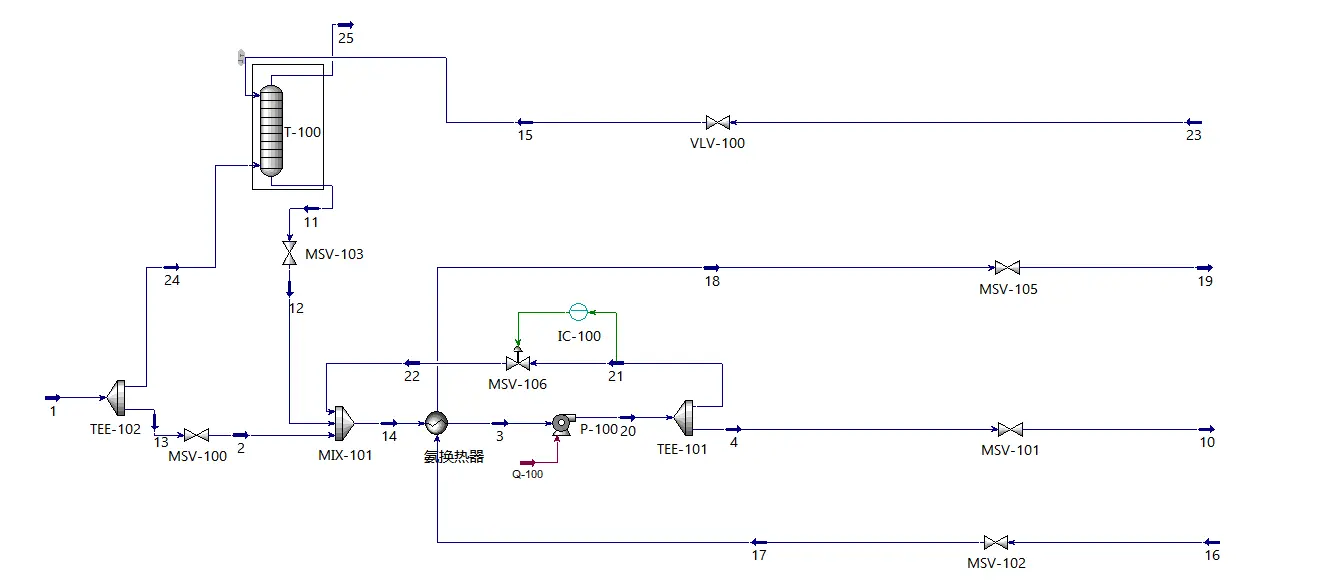
Revolutionary Technology Transforming Marine Operations
Ammonia storage technology has evolved dramatically over recent years, enabling safe and efficient fuel handling aboard marine vessels. Modern ammonia fuel systems integrate sophisticated thermal management capabilities with advanced safety protocols. The decomposition reactor technology converts ammonia into hydrogen and nitrogen, creating a clean combustion process. These systems utilize specialized catalysts that optimize fuel reforming while minimizing operational risks.
The hydrogen carrier properties of ammonia make it exceptionally suitable for long-duration marine operations. Unlike compressed hydrogen, ammonia maintains liquid form under moderate pressure conditions. This characteristic simplifies storage requirements while maximizing fuel capacity. Advanced fuel injection systems ensure precise ammonia delivery to internal combustion engines or fuel cells. The technology incorporates robust NOx control mechanisms to manage nitrogen oxide emissions effectively.
Renewable energy integration capabilities distinguish modern ammonia systems from conventional alternatives. Green ammonia production utilizes renewable electricity for synthesis, creating truly sustainable fuel cycles. The ammonia cracking process enables on-demand hydrogen generation without complex storage infrastructure. These innovations position ammonia as the preferred synthetic fuel for maritime applications.
Comprehensive System Components and Engineering Excellence
A complete ammonia fuel system encompasses multiple integrated subsystems working in perfect harmony. The filling and storage system manages fuel bunkering operations with exceptional safety margins. Advanced leak detection systems continuously monitor for potential ammonia vapor releases. Emergency shutdown protocols activate instantly when anomalous conditions arise.
The Ammonia Fuel Supply System (AFSS) controls fuel flow with microscopic precision. These systems incorporate redundant safety features to prevent operational disruptions. Fuel Vapor Unit (FVU) technology captures and processes ammonia vapors efficiently. The vent system manages pressure relief while preventing environmental releases. Ammonia Risk Management Systems (ARMS) provide comprehensive hazard monitoring capabilities.
Ventilation systems ensure safe atmospheric conditions throughout the vessel. Inert gas systems minimize explosion risks in hazardous areas. Engine internal components undergo specialized treatment for ammonia compatibility. The integrated safety system provides multiple layers of protection against operational hazards. These components work together seamlessly to deliver reliable power generation.
Different engine manufacturers require specific system configurations. MAN and WinGD engines necessitate distinct fuel delivery approaches. Customization ensures optimal performance across various marine applications. The modular design facilitates installation on diverse vessel types. System integration accommodates existing vessel infrastructure efficiently.
Environmental Benefits Driving Industry Adoption
Carbon-free fuel combustion represents ammonia's primary environmental advantage. Unlike traditional marine fuels, ammonia produces zero carbon dioxide emissions. The combustion process generates only water vapor and nitrogen compounds. This characteristic enables vessels to achieve net-zero operational emissions. Environmental regulations increasingly favor ammonia adoption for marine applications.
Emission reduction potential extends beyond carbon elimination. Sulfur oxide emissions disappear entirely with ammonia combustion. Particulate matter generation drops to negligible levels. Advanced NOx control systems manage nitrogen oxide formation effectively. These improvements contribute significantly to air quality enhancement in port areas.
Green ammonia production multiplies environmental benefits exponentially. Renewable electricity powers the synthesis process entirely. Wind and solar energy create truly sustainable fuel production cycles. This approach eliminates lifecycle carbon emissions completely. The technology enables maritime operations to integrate with renewable energy infrastructure.
Ocean ecosystem protection benefits from reduced pollution discharges. Ammonia systems eliminate ballast water contamination risks. Fuel spill environmental impact decreases substantially compared to petroleum products. Marine biodiversity protection improves through cleaner operational practices. These advantages align with international environmental protection initiatives.
Safety Protocols and Risk Management Excellence
Comprehensive safety systems address ammonia's unique handling requirements effectively. Specialized detection equipment monitors atmospheric ammonia concentrations continuously. Personal protection equipment protocols ensure crew safety during operations. Emergency response procedures address potential leak scenarios comprehensively. Training programs educate personnel on proper ammonia handling techniques.
Thermal management systems maintain optimal operating temperatures throughout the fuel system. Advanced insulation prevents unwanted heat transfer. Temperature monitoring provides real-time operational feedback. Automated control systems adjust parameters automatically. These features ensure consistent performance under varying conditions.
Leak detection technology utilizes multiple sensing methodologies simultaneously. Electrochemical sensors provide rapid response to ammonia presence. Optical detection systems offer additional monitoring capabilities. Data integration systems analyze sensor inputs comprehensively. Alarm systems alert crew members to potential hazards immediately.
Fire suppression systems accommodate ammonia's unique characteristics. Water spray systems provide effective emergency response capabilities. Nitrogen flooding systems create inert atmospheres when necessary. Emergency ventilation systems remove contaminated air rapidly. These features ensure comprehensive emergency preparedness.
Installation Process and Technical Implementation
Professional installation begins with comprehensive vessel design analysis. Technical clarification sessions address specific vessel requirements. Interface requirements undergo detailed engineering review. System integration planning ensures compatibility with existing infrastructure. Installation scheduling minimizes operational disruptions.
Prefabricated module transportation simplifies installation logistics. Specialized lifting equipment positions components precisely. Structural mounting ensures system stability under marine conditions. Levelness verification confirms proper component alignment. Welded connections meet maritime structural standards.
Pipeline connections require specialized welding techniques. Sealing performance undergoes rigorous testing procedures. Electrical system integration follows maritime safety standards. Control cable installation ensures reliable communication pathways. System commissioning verifies operational readiness comprehensively.
Individual subsystem testing validates component performance. Integrated system testing confirms overall functionality. Bunkering procedures undergo operational verification. Supply system performance meets design specifications. Control system responsiveness exceeds operational requirements. Safety function testing ensures emergency preparedness.
Market Applications and Vessel Compatibility
Very Large Ammonia Carriers (VLACs) represent natural early adopters of ammonia fuel technology. These vessels possess existing ammonia handling expertise and infrastructure. Retrofitting opportunities enable rapid technology deployment. Operational experience transfers directly to fuel system applications. Safety protocols adapt existing ammonia transport procedures.
Crude oil tankers including VLCC and ULCC vessels benefit significantly from emission reduction capabilities. Large fuel consumption makes ammonia conversion highly attractive. Extended voyage durations suit ammonia's energy density characteristics. Existing tank farm infrastructure facilitates fuel storage integration. Operational cost reductions offset conversion investments rapidly.
Chemical tankers and LPG carriers possess compatible handling capabilities. Crew training requirements overlap substantially with existing operations. Safety systems share common design principles. Maintenance procedures utilize familiar equipment and techniques. Operational integration proceeds smoothly with minimal disruption.
Offshore support vessels including PSVs and OSVs face stringent environmental regulations. Ammonia fuel systems enable continued operations in environmentally sensitive areas. Dynamic positioning systems benefit from reliable power generation. Extended station-keeping capabilities improve operational efficiency. Client environmental requirements drive rapid adoption rates.
Future Developments and Industry Transformation
Fuel cell integration represents the next evolutionary step for ammonia systems. Direct ammonia fuel cells eliminate combustion entirely. Efficiency improvements exceed traditional combustion approaches. Silent operation benefits specialized marine applications. Maintenance requirements decrease with fewer moving components.
Ammonia production vessel integration creates floating fuel factories. On-board synthesis eliminates fuel supply logistics. Renewable energy integration enables autonomous operations. Ocean-based wind power drives ammonia production directly. These innovations revolutionize marine fuel supply chains.
Autonomous vessel applications benefit from ammonia's stability characteristics. Long-duration missions require reliable fuel storage. Remote operations minimize human exposure risks. Automated fuel management reduces operational complexity. These capabilities enable new maritime applications.
Port infrastructure development supports widespread ammonia adoption. Bunkering facilities expand rapidly across major shipping routes. Storage capacity increases meet growing demand. Safety protocols standardize across international ports. Supply chain development ensures fuel availability.
Conclusion
These ammonia fuel systems are the most potential avenue toward carbon-free operations that the marine sector has to offer. All the while preserving their operational dependability, these solutions provide immediate advantages for reducing emissions. Concerns about handling are adequately addressed by comprehensive safety systems? Through the use of modular design techniques, installation procedures reduce the effects of operational interruptions. Virtually every kind of vessel, from VLACs to offshore support boats, is included in the market applications. The incorporation of fuel cells and autonomous operations provide the possibility of even more significant efficiency increases in the future. As ammonia technology gains maturity and grows around the world, the transition toward environmentally responsible marine operations is accelerating.
Partner with CM Energy for Advanced Ammonia Fuel Solutions
CM Energy leads the maritime industry as a premier ammonia fuel system manufacturer and supplier with unmatched expertise in clean energy technologies. Our comprehensive solutions encompass design, manufacturing, installation, and ongoing support services. With numerous authorized patents and substantial global offshore equipment coverage, CM Energy ensures proven reliability for your ammonia fuel system needs. Contact us at info.cn@cm-energy.com to discuss your project requirements.
References
- International Maritime Organization. "Guidelines for the Use of Ammonia as Ship Fuel." Maritime Safety Committee, 2023.
- Lloyd's Register. "Ammonia as a Marine Fuel: Safety and Regulatory Review." Technical Report on Alternative Fuels, 2023.
- Maritime and Port Authority of Singapore. "Ammonia Fuel Systems: Implementation Guidelines for Commercial Vessels." Marine Technology Development, 2024.
- American Bureau of Shipping. "Engineering and Safety Considerations for Ammonia-Fueled Vessels." ABS Technical Papers, 2023.
- DNV GL. "Ammonia Fuel System Design Standards for Marine Applications." Classification Society Guidelines, 2024.
- International Association of Classification Societies. "Harmonized Rules for Ammonia-Fueled Ship Systems." IACS Unified Requirements, 2023.