The Best Cargo Handling Systems for Safe Offshore Operations
When it comes to ensuring safe offshore operations, selecting the right cargo handling system becomes paramount for vessel operators and maritime professionals. Modern cargo handling systems combine advanced engineering, sophisticated safety protocols, and cutting-edge automation to manage the complex movement of goods and equipment in challenging marine environments. These systems must withstand harsh weather conditions, maintain operational integrity under extreme loads, and provide fail-safe mechanisms that protect both personnel and valuable cargo during critical offshore operations.
Understanding Cargo Handling Systems in Offshore Operations
Offshore cargo handling presents unique challenges that distinguish it from traditional land-based logistics operations. The marine environment demands specialized equipment capable of managing goods and materials while vessels experience constant motion, varying weather conditions, and space constraints inherent to offshore platforms.
Essential Components of Marine Cargo Systems
Modern offshore cargo handling systems integrate multiple components working in harmony to ensure safe operations. Heavy-duty cranes serve as the backbone of most operations, providing lifting capabilities designed to handle substantial loads while maintaining stability. Conveyor systems facilitate the continuous movement of materials across vessel decks, while securing mechanisms ensure cargo remains properly positioned during transport.
Load monitoring systems continuously track weight distribution and stress factors, providing real-time data to operators. Emergency shutdown capabilities allow immediate cessation of operations when safety parameters are exceeded. Environmental resistance features protect critical components from saltwater corrosion, extreme temperatures, and high winds commonly encountered in offshore environments.
Critical Safety Features for Offshore Applications
Safety considerations take precedence in offshore cargo handling operations due to the inherent risks of marine environments. Advanced monitoring systems track operational parameters continuously, alerting operators to potential issues before they escalate into dangerous situations. Redundant safety mechanisms ensure backup systems activate automatically if primary systems fail.
Weather-resistant designs protect electrical components and hydraulic systems from saltwater exposure and extreme conditions. Anti-collision systems prevent equipment interference during complex lifting operations involving multiple cranes or handling devices. Emergency response protocols integrate with vessel safety systems, enabling coordinated responses during critical situations.
Common Operational Challenges in Marine Environments
Offshore cargo handling operations face distinctive challenges that require specialized solutions. Variable weather conditions can rapidly change operational parameters, requiring systems capable of adapting to shifting circumstances. Limited deck space demands precise coordination between equipment and personnel to maximize efficiency while maintaining safety margins.
Equipment wear accelerates in marine environments due to constant exposure to saltwater, vibration, and temperature fluctuations. Regular maintenance becomes essential to prevent system failures during critical operations. Communication challenges between vessels and shore facilities can complicate coordination efforts, making reliable onboard systems crucial for operational success.
Comparing Cargo Handling Approaches: Automated vs Traditional Systems
The evolution from traditional manual systems to automated cargo handling represents a significant advancement in offshore operational safety and efficiency. Understanding these differences helps operators make informed decisions about system upgrades and new installations.
Limitations of Traditional Manual Systems
Traditional cargo handling systems are limited in offshore situations by manual operation and human monitoring. Working around big equipment and carrying goods increases injury risk. Weather sensitivity rises when operators operate on exposed decks in bad weather. Manual systems have lower throughput rates than automated ones, especially during complicated, coordinated processes. Unreliable accuracy causes problems while handling delicate goods or working in tight places. Long-term offshore activities may endanger safety due to human weariness.
Automatic Handling Solutions Benefits
Modern automated cargo handling systems use innovative technology to overcome several previous restrictions. Continuous operating without human tiredness improves efficiency. Consistent performance parameters and decreased human skill reliance improve dependability. Reduced employee exposure to hazards and automated safety monitoring increase safety. Precision handling improves cargo protection and space utilization. Remote operation lets personnel operate devices from sheltered places in bad weather.
ROI measurement
Automation involves comprehensive cost-benefit analysis of current costs and long-term operational benefits. As automated technologies reduce regular staffing, labor expenses decrease over time. Advanced automation improves safety, lowering insurance prices. Increased productivity and decreased downtime offset higher initial investment costs when operational uptime increases. Predictive maintenance and less human error lower maintenance costs despite increasing component complexity. These criteria provide a good ROI for most offshore enterprises in an acceptable period.
Top Cargo Handling Systems Suited for Safe Offshore Operations
Selecting appropriate cargo handling equipment requires understanding the various system types available and their specific advantages for offshore applications. Different vessel types and operational requirements demand customized solutions optimized for particular environments and cargo types.
Heavy-Duty Marine Crane Systems
Offshore crane systems are cargo handling's most visible and important components. Modern designs include improved load management and control systems for accurate placement in difficult situations. Boom designs optimize lifting capacity for different vessel layouts. Weather monitoring, automated load moment indicator, and anti-collision systems are safety features. Offshore applications need smooth operation and precise control from hydraulic systems. Maintenance and component replacement during long offshore deployments are easier with modular designs.
Advanced Transfer and Conveyor Systems
Modular conveyor systems efficiently transfer cargo between vessel decks and operating levels. Weather-resistant designs keep mechanical parts working in bad weather. Cargo and operational needs are accommodated with variable speed controls. Crane and storage systems may be integrated seamlessly. Emergency stop systems allow quick shutdowns for safety reasons. Flexible configurations adapt to vessel layouts and operations without major changes.
Smart Load-Handling Platforms
Intelligent platforms use diverse handling capabilities and complex control systems to operate autonomously under human supervision. Arrays of sensors continually monitor load distribution, platform stability, and environmental variables. Adaptive control methods modify operating parameters in real time. Remote monitoring allows shore-based operational assistance and diagnostics. Operators get warnings before equipment faults via predictive maintenance systems. These platforms are the latest offshore cargo handling technology.
Marine Cargo Systems Innovation Trends
Recent innovations include IoT-enabled monitoring systems that collect operational data for analysis and improvement. Based on past performance data, AI solutions offer predictive maintenance and operational improvement. Remote operation helps maintain operational efficiency while reducing staff exposure. Integration with vessel management systems coordinates cargo handling with other ship systems. Environmental monitoring ensures safe and efficient operations. These advances boost offshore freight handling safety and efficiency.
Procuring Cargo Handling Systems: Best Practices for Global B2B Clients
Successful procurement of offshore cargo handling systems requires careful consideration of multiple factors beyond initial purchase price. Long-term operational success depends on selecting suppliers capable of providing comprehensive support throughout system lifecycles.
Supplier Evaluation Criteria
Reliable providers have successful offshore installation and support histories. Certification compliance comprises maritime authorities and operating region-specific international safety standards. Technical skills include design and production quality control. Financial stability enables maritime vendors survive lengthy support periods. Geographic presence affects key operating service response times and component availability. Reference checks from current customers reveal performance and support quality.
System Customization Considerations
Configurations tailored to vessel designs and activities are common in offshore operations. Payload capacity must match cargo needs while allowing for safety. Temperature, weather, and operational time should be specified in environmental standards. Integration needs with existing vessel systems affect system design and installation complexity. Long-term operating expenses and system availability depend on maintenance accessibility. These customisation considerations considerably affect startup and operating costs.
Extra Services and Support
Professional installation ensures system integration and startup. Safe and efficient system operation is taught to vessel personnel. Preventive maintenance and emergency repairs are supported. During lengthy offshore operations, parts availability is crucial for fast replacement. Technical help offers remote diagnosis and troubleshooting. These services frequently outweigh basic equipment bundle savings.
Conclusion
Modern offshore operations demand sophisticated cargo handling systems capable of ensuring safety while maintaining operational efficiency under challenging marine conditions. The evolution toward automated systems provides significant advantages over traditional methods through improved safety, enhanced precision, and reduced operational risks. Success depends on selecting appropriate technologies matched to specific operational requirements while partnering with experienced suppliers offering comprehensive long-term support. CM Energy's proven track record in offshore cargo handling demonstrates our commitment to delivering reliable solutions that meet the demanding requirements of modern maritime operations.
Frequently Asked Questions
1. In offshore cargo handling systems, what safety aspects matter most?
Comprehensive load monitoring systems measure weight distribution and operating characteristics for safety. Emergency shutdowns stop activities immediately when safety criteria are exceeded. Environment-resistant components withstand seawater corrosion and harsh weather. Redundant safety devices activate backup systems automatically if main systems fail. In complicated procedures with several handling devices, anti-collision systems avoid equipment interference.
2. How can automation enhance operational efficiency over manual systems?
Continuous performance without human tiredness is achieved by automated cargo handling systems. Continuous operation allows long-term operations without shift changes or respite. Manual systems waste space and harm goods with poor accuracy. Remote operation allows continuing operations in bad weather when human systems would stop. Early issue detection reduces unwanted downtime with predictive maintenance.
3. What should determine cargo handling system supplier selection?
Supplier assessment should highlight offshore application experience with successful installs and continuing support. Certification with marine authorities and international safety standards assures regulatory compliance. Technical skills like design and manufacturing quality control affect system dependability. Financial stability keeps suppliers viable throughout long support periods. Geography affects crucial offshore operations reaction times and spares availability.
Partner with CM Energy for Advanced Cargo Handling Solutions
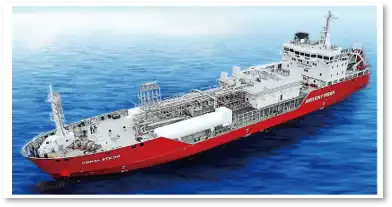
Through our TSC brand, CM Energy has decades of expertise developing and manufacturing offshore cargo handling systems. Our complete strategy tackles the particular problems of operators operating complicated cargo operations in harsh maritime conditions. We specialize in completely pressurized, semi-cold semi-pressurized, and fully refrigerated systems for particular vessel and operational needs. We service Very Large Gas Carriers, crude oil tankers, chemical tankers, LNG bunkering boats, and offshore support vessels. This versatility shows we can adapt our basic technology to varied operating needs while retaining safety and performance.
CM Energy stands ready to transform your offshore operations through our industry-leading cargo handling systems designed specifically for demanding marine environments. Our TSC brand combines decades of specialized experience with cutting-edge technology to deliver solutions that exceed safety standards while maximizing operational efficiency. As a trusted cargo handling system manufacturer, we provide comprehensive support from initial design consultation through installation and ongoing maintenance services. Contact our team at info.cn@cm-energy.com to discuss how our customized solutions can address your specific offshore cargo handling requirements and enhance your operational capabilities.
References
- International Maritime Organization. "Guidelines for Cargo Handling Systems on Offshore Vessels." IMO Maritime Safety Committee, 2023.
- Johnson, Michael R. "Advanced Automation in Marine Cargo Operations: Safety and Efficiency Considerations." Journal of Maritime Engineering and Technology, Vol. 45, No. 3, 2023.
- Maritime Safety Research Institute. "Comparative Analysis of Manual vs Automated Cargo Handling in Offshore Operations." Annual Report on Maritime Safety Technologies, 2024.
- Anderson, Sarah K. "Procurement Best Practices for Offshore Cargo Handling Equipment." International Journal of Marine Logistics, Vol. 28, No. 2, 2023.
- Chen, David L. "Innovation Trends in Offshore Cargo Management Systems." Proceedings of the International Conference on Marine Technology, 2024.
- Global Maritime Safety Council. "Standards and Regulations for Offshore Cargo Handling Systems." Technical Publication Series, No. 157, 2023.