Regional pricing is significantly impacted by skilled manufacturing labor. Markets with technical training programs and skilled workforces provide better value due to improved quality control and shorter production times, which are essential for establishing a solid control system in the manufacturing process. Extensive testing and specialized manufacturing are necessary for quality assurance in critical drilling applications. Although these standards increase production costs, they guarantee dependability for offshore operations where equipment failure is expensive. Manufacturing process automation lowers labor costs while raising quality. Complex system configurations are more affordable thanks to advanced manufacturing, which also lowers production variability.
Price Trends for Integrated Solid Control Systems
Technology, raw material costs, and offshore drilling demand have driven the global integrated solid control system market. These price trends are crucial for procurement managers seeking cost-effective solutions while maintaining operational excellence in drilling fluid management and solids removal. The drilling industry's growing sophistication has increased demand for modern equipment. Modern platforms need improved particle separation, mud recycling, and waste management. These rules affect pricing in different regions.
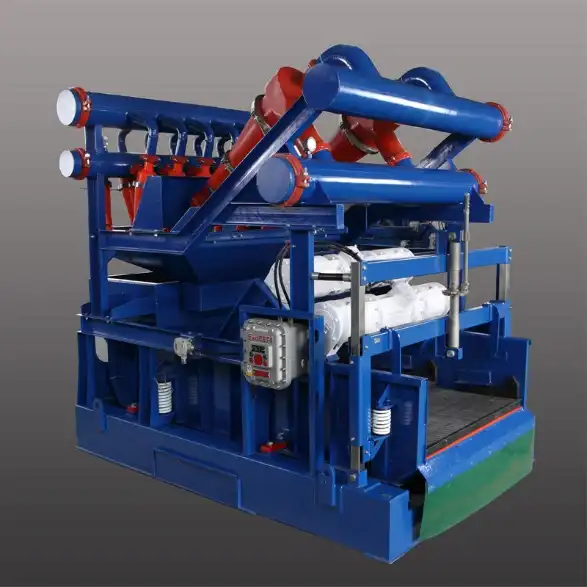
Global Market Price Analysis for Integrated Systems
Regional Pricing Variations and Market Dynamics
Internationally, integrated system prices vary widely. Stringent regulations and advanced technology drive premium pricing in North American markets. Similarly, European markets emphasize environmental compliance standards that affect system costs. Asian markets, especially those serving offshore drilling, offer competitive pricing and quality. This region's manufacturing hubs have established supply chains, skilled labor, and raw material sources. End-users seeking comprehensive drilling fluid solutions benefit from these advantages. Local content and long-term service agreements affect pricing in Middle Eastern markets. Regional suppliers offer competitive packages that include installation, commissioning, and ongoing maintenance.
Minimum Order Quantities and Bulk Purchasing Benefits
Integrated system pricing depends on procurement strategies. Order minimums depend on system complexity and customization. Basic configurations require lower minimum commitments, while deepwater or hazardous environment systems may require higher initial investments. Volume discounts and streamlined logistics make bulk purchases cost-effective. Standardised spare parts packages, extended warranty coverage, and priority technical support are common with multiple unit orders. Multiple drilling platform operators and fleet expansion benefit from these arrangements. Larger commitments receive better rates in progressive pricing. Free training, improved service agreements, and expedited delivery schedules are volume-based incentives that add value beyond equipment costs.
Additional Cost Considerations and Hidden Expenses
Additional expenses that have an impact on total ownership costs must be taken into account in pricing analysis. Import taxes and customs charges differ significantly between countries and trade agreements. Because of recent changes in trade policy, tariff structures need to be monitored for accurate budget planning. Logistics includes handling, shipping, and specialized transportation expenses for heavy equipment components. Delivery times and costs for offshore installations can be impacted by weather-dependent scheduling, crane capacity, and marine transport. During procurement planning, expensive installation and commissioning services are frequently disregarded. These expenses are increased by specialized technical knowledge, certifications for hazardous areas, and rigorous testing protocols. To prevent project delays and budget overruns, account for these requirements.
Critical Factors Influencing Equipment Pricing
Raw Material Impact on Manufacturing Costs
Steel prices affect the cost of manufacturing heavy-duty equipment components. Equipment pricing is impacted by changes in the global steel market due to supply chain disruptions, environmental regulations, and international trade policies. Depending on the state of the market, stainless steel and corrosion-resistant marine alloys are more expensive. Costs are impacted by advanced vibration screening, centrifuges, and hydraulic system components. Higher initial investments are justified by material science innovations that increase durability, require less maintenance, and have longer operational lifecycles. Automation and real-time monitoring components are more expensive in contemporary integrated systems. The availability of semiconductors, technological advancements, and cybersecurity requirements all affect the cost of these sophisticated control systems that enhance drilling efficiency and process control.
Labor Market Dynamics and Manufacturing Excellence
Currency Exchange Rate Implications
Currency fluctuations increase the cost of international procurement. Multi-year contracts must take hedging techniques and exchange rate volatility into account in order to forecast budgets. Currency risks in payment term negotiations are decreased by project milestone-aligned payment schedules. International transactions may benefit from currency adjustment clauses or alternative payment currencies. Global suppliers use regional manufacturing strategies to maintain competitive pricing while lowering currency risk. Exchange rate effects on delivered costs are mitigated by regional supply chains and assembly facilities.
Competitive Market Landscape Analysis
Regional Manufacturing Advantages and Capabilities
Strong supply chains, sophisticated production capabilities, and reasonably priced labor markets are characteristics of Asian manufacturing hubs. International quality standards and competitive pricing are made possible by these regions' proficiency in heavy equipment manufacturing. European manufacturers prioritize high-end technology integration, sophisticated automation, and stringent environmental regulations. Although premium costs are frequently justified by superior performance and equipment lifecycles, pricing may reflect these improved capabilities. North American suppliers place a strong emphasis on quick delivery, comprehensive service, and closeness to important drilling markets. Benefits include less expensive logistics, quicker technical assistance, and easier warranty management.
Technology Integration and Innovation Premiums
Pricing premiums for advanced automation are justified by increased operational efficiency and labor savings. Sophisticated control systems allow remote monitoring, which benefits offshore installations with limited personnel access. Integrated IoT sensors and data analytics enable predictive maintenance and optimized performance monitoring. These technological advances reduce downtime and extend equipment lifecycles, justifying higher initial investments. Modular design enables fast deployment and long-term retrofitting. Flexibility may increase initial costs, but adapting systems to changing operational needs has significant lifecycle benefits.
Service and Support Value Propositions
Comprehensive service agreements affect total ownership costs and should influence procurement decisions. Rapid response and standardised maintenance are advantages of global service network suppliers. Training operational and maintenance staff improves equipment utilization and reduces operational risks. Comprehensive training reduces operator issues and optimizes system performance. Remote diagnostic and real-time troubleshooting services justify premium pricing for operational benefits. Remote drilling operations without local technical expertise benefit from these services.
Procurement Strategy Optimization
Supplier Evaluation and Selection Criteria
A complete supplier assessment includes manufacturing capabilities, quality certifications, and similar application experience. Proven offshore drilling suppliers have lower risk profiles and warrant premium pricing. Financial stability analysis ensures supplier long-term service and warranty support. Supplier financial strength ensures parts availability and technical support throughout equipment lifecycles, which is crucial for maintaining a solid control system in the overall operation. Customer testimonials and reference installations reveal performance and reliability under similar operating conditions. Contacting current users often reveals practical issues not covered in technical specs or marketing materials.
Negotiation Strategies and Contract Optimization
Multi-phase procurement lets you commit to volume and adapt to changing needs for better pricing. Progressive delivery schedules optimise cash flow and secure equipment pricing. Specification standardization across multiple units simplifies manufacturing, inventory, and maintenance, saving money. Standardized configurations aid crew training and installation consistency. Long-term partnerships benefit from stable supplier relationships, preferential pricing, and priority allocation during high-demand periods. Asset lifecycles can be extended by technology upgrade paths and equipment modernization programs.
Total Cost of Ownership Considerations
Lifecycle cost analysis goes beyond purchase prices. Maintenance, spare parts, and energy use drastically affect long-term operational costs, which should influence procurement decisions. Performance optimization can boost drilling efficiency and lower operational costs, justifying higher initial investments. Enhancing solids removal can lower drilling fluid costs and boost performance. Resale value matters for equipment that may be moved or repurposed. Reliable and standardized systems have better residual values.
Future Market Projections and Trends
Technology Development Impact on Pricing
As systems become more autonomous, automation will continue to affect pricing. Better process control reduces labor and improves safety and consistency. Demand for advanced waste management and closed-loop systems that reduce environmental impact comes from environmental compliance. These features cost more but are necessary for environmentally sensitive operations. Renewable energy and energy-efficient designs meet sustainability needs and reduce operational costs. These innovations may justify higher initial investments by reducing energy use and environmental compliance.
Market Demand Projections and Capacity Planning
Offshore drilling increases demand for advanced solid control systems. Deepwater exploration requires sophisticated equipment that can handle difficult operating conditions and complex drilling fluids. New geothermal energy markets require high-temperature applications and long operational lifecycles. Specialized applications justify premium pricing with improved specs and performance. Market opportunities for specialized equipment in environmental remediation projects are growing. Handling contaminated materials while meeting environmental standards may require special features in these applications.
Supply Chain Evolution and Manufacturing Trends
Expanding regional manufacturing reduces logistics costs and speeds up major market deliveries. Local assembly increases delivery speed, lowers shipping costs, and simplifies service support. Manufacturing process digitization improves quality control and may lower costs. Advanced manufacturing methods allow better customization and competitive pricing for standard configurations. Sustainability in manufacturing processes addresses environmental awareness and may affect costs. Premium pricing may appeal to environmentally conscious customers due to green manufacturing.
Conclusion
Technology, regional manufacturing, and operational needs affect integrated solid control system pricing. Information on these complex market factors helps procurement decisions maximize initial investments and long-term operational value. Total ownership costs, supplier capabilities, and operationally relevant technology must be assessed for successful procurement strategies. While initial pricing matters, long-term value should come from improved performance, lower maintenance, and higher reliability. The market is moving toward more advanced systems with automation, environmental compliance, and energy efficiency. These changes offer significant operational improvements but require careful cost and long-term benefit analysis.
Frequently Asked Questions
1. What factors most significantly impact solid control system pricing?
Along with technological sophistication and regulatory compliance, steel and specialized alloy costs drive pricing. Equipment prices are also affected by manufacturing location, labor costs, and supply chain efficiency.
2. How do minimum order quantities affect overall procurement costs?
Volume discounts, lower logistics costs, and better service agreements are common with larger orders. These procurement savings must be balanced against inventory carrying costs and capital requirements.
3. What hidden costs should be considered in procurement planning?
Beyond base equipment pricing, import duties, specialized transportation, installation, and commissioning costs can be significant. Service agreements, spare parts packages, and training programs affect total ownership costs.
4. How do regional price variations affect global procurement strategies?
Local content requirements, manufacturing capabilities, and currency fluctuations cause significant price variations that must be assessed. Regional pricing is also affected by logistics, service network, and regulatory compliance.
5. What role does technology integration play in pricing structures?
Automation, real-time monitoring, and sophisticated control systems cost more but improve efficiency and reduce labor.
Partner with CM Energy for Superior Solid Control System Solutions
TSC is CM Energy's cutting-edge drilling fluid management and particle separation brand. Serving over 350 deck cranes and 180 self-elevating platforms worldwide proves our reliability in harsh offshore environments. CM Energy, a leading solid control system manufacturer, combines advanced engineering and manufacturing. Our modular design allows rapid deployment, and our IoT-enabled monitoring systems optimize drilling efficiency in real time. We use corrosion-resistant materials designed for offshore applications in TSC solid control systems to ensure reliability in saltwater. Our closed-loop designs maximize mud recycling and waste management while minimizing environmental impact. With 159 authorized patents, including 10 invention patents, CM Energy provides industry-leading solutions. Our global service network optimizes performance and reduces downtime throughout equipment lifecycles. Contact CM Energy at info.cn@cm-energy.com to discuss your solid control system needs. Our technical experts optimize drilling operations' initial investments and long-term operational value with customized solutions.
References
1. International Association of Drilling Contractors. "Global Drilling Equipment Market Analysis: Trends and Forecasting for Solid Control Systems." Annual Industry Report, 2024.
2. Offshore Engineering Society. "Advanced Solids Control Technologies in Marine Drilling Operations: Performance and Cost Analysis." Technical Publication Series, 2024.
3. World Energy Equipment Manufacturers Association. "Pricing Dynamics in Global Drilling Equipment Markets: Regional Analysis and Trends." Market Research Quarterly, 2023.
4. Maritime Industrial Equipment Institute. "Solid Control System Performance Standards and Economic Impact Assessment." Industry Standards Publication, 2024.
5. Global Drilling Technology Council. "Innovation Trends in Drilling Fluid Management: Technology Integration and Market Evolution." Technology Review, 2023.
6. International Petroleum Equipment Suppliers Association. "Supply Chain Analysis for Critical Drilling Equipment: Cost Factors and Market Dynamics." Economic Analysis Report, 2024.