Ammonia Fuel System Guide: Design, Safety & Setup Tips
To make the switch to sustainable marine energy, you need to know about new fuel methods that are good for the environment and can keep operations running smoothly. An Ammonia Fuel System is a novel way to ship carbon-free goods. It uses advanced engineering concepts and strict safety rules to use anhydrous ammonia as a fuel for ships. These complex systems include specialized storage tanks, fuel conditioning units, and full safety monitoring networks. They help ships meet the IMO's 2030–2050 goals for reducing greenhouse gases while keeping their operational efficiency in a wide range of maritime situations.
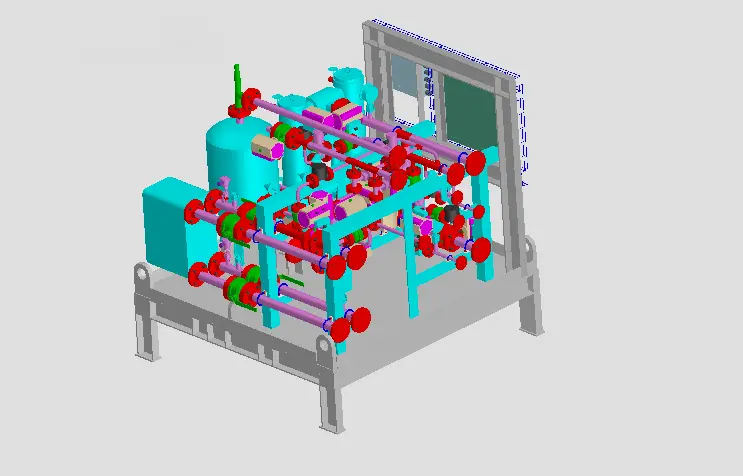
Understanding Ammonia Fuel Systems: Design and Technology
The foundation of modern ammonia fuel technology is based on its unique ability to store hydrogen energy as a liquid without needing very low temperatures, which is what liquid hydrogen needs. There are many complex parts in these systems that all work together to safely handle ammonia from storage to burning.
Core System Architecture
Modern fuel supply systems for ships that use ammonia are made up of several linked sections that are built to work with the unique properties of anhydrous ammonia. The main part of the system is the filling and storage area, which has special Type C pressure vessels or semi-refrigerated tanks that can keep ammonia liquid at -33°C or up to 18 bar of pressure.
The main part of the process is the Ammonia Fuel Supply System (AFSS), which changes liquid ammonia into a form that can be used for engine input. For large two-stroke engines like those in VLCCs and container ships, this means precisely controlling the temperature and pressure. Usually, this means heating to 40–55°C and pressurizing to over 80 bar.
Advanced Fuel Valve Units (FVU) offer important safety features like flow control and interlocks. They also have multiple backup safety systems, such as emergency stop options and networks for finding leaks. These units make sure that fuel supply stops right away if something goes wrong, which protects both the crew and the goods.
Technological Innovations Driving Efficiency
New technologies for handling ammonia have worked on making them more energy efficient and lowering the amount of power they use for no reason. Waste heat from engine cooling systems is now used to prepare ammonia fuel in heat exchanger designs. This lowers total energy losses. Advanced control systems connect to networks that handle vessels, figuring out the best way to use fuel based on weather, route, and practical needs.
TSC has used its many years of experience building ammonia carriers and retrofitting LPG fuel systems to come up with its own answers to these energy problems. The company's involvement in zero-carbon lab projects shows its dedication to pushing the limits of technology while still making it useful for business.
Safety Considerations and Environmental Impact
Because pure ammonia is naturally poisonous and has strange chemical qualities, safety must always come first when using ammonia-based fuel systems. Understanding these risks and taking the right steps to reduce them is what separates successful operations from disasters that could happen.
Toxicity and Chemical Hazard Management
If you breathe in ammonia, it can be very bad for your health. Concentrations as low as 25 ppm can be uncomfortable, and higher concentrations could be deadly. Designs for Ammonia Fuel Systems must include full networks for finding leaks in all areas where fuel is handled, with monitors that can find ammonia vapor at amounts well below what is considered risky.
Primary containment backup is provided by double-walled pipe systems with constantly monitored annulus spaces. This makes sure that even small leaks are contained and found before they become dangerous. When ammonia vapors are identified, emergency ventilation systems go into action automatically, quickly clearing out the affected areas and sending polluted air to safe discharge places.
Material suitability is another important safety factor to think about. In contrast to regular fuel systems, ammonia quickly breaks down copper, zinc, and brass metals. This means that austenitic stainless steel or a special low-temperature carbon steel must be used throughout the fuel system. This limit on materials includes seals, valves, and parts for instruments.
Environmental Performance and Regulatory Compliance
When looking at how they affect the environment, ammonia fuel sources are much better than regular marine fuels. During operation, combustion only releases nitrogen and water vapor, with no carbon dioxide emissions at all. Emissions of sulfur oxide and particle matter also go down to zero, which makes the air quality in port areas much better.
The Ammonia Fuel System must comply with International Maritime Organization's (IMO) IGF Code for low-flashpoint fuels. These rules require specific design standards for areas that hold fuel, systems that let air in, and how to handle an emergency. Also, classification society rules from groups like DNV, ABS, and Lloyd's Register spell out in detail the technical requirements needed to make sure the execution is safe.
Lifecycle environmental studies show that the amount of carbon in ammonia varies a lot on how it is made. Green ammonia made from green energy sources has almost no carbon intensity. Regular ammonia made from natural gas, on the other hand, still has a lot less carbon intensity than heavy fuel oil or marine gas oil.
Comparing Ammonia Fuel Systems to Alternative Energy Solutions
There are several possible ways to reduce carbon emissions in the maritime sector, and each has its own pros and cons that affect its practical viability and economic viability. Knowing how ammonia stacks up against other options helps you choose the right technology.
Energy Density and Storage Considerations
When compared to compressed or liquid hydrogen, ammonia has a much higher bulk energy density and only needs about 40% of the storage space needed for the same amount of energy. This benefit is very important for long-range ships because cargo room directly affects how much money they make.
Compared to methanol fuel systems, ammonia fuel systems have more energy per unit volume and don't release carbon when they burn. On the other hand, methanol systems are safer and easier to handle, which makes them a good choice for ships that work in crowded places or have to change crews often.
Battery electric power has no local emissions and less upkeep, but it can only be used for short distances because of the limited energy density. As of now, batteries need holding amounts that are too big for ocean-going ships to handle. For deep-sea operations, Ammonia Fuel Systems are the best option.
Operational Cost Analysis
Comparing the costs of fuel depends a lot on where it is produced and how easy it is to get. In areas with a lot of renewable energy sources that support the creation of green ammonia, Ammonia Fuel System activities usually have good economics. The price of fuel, special training for the crew, and more upkeep needed to deal with the corrosive qualities of fuel are all part of the operating costs.
The costs of building infrastructure change a lot between fuel types. Unlike hydrogen filling stations, which need special high-pressure equipment, ammonia bunkering infrastructure uses existing petroleum storage and handling equipment, which means less capital is needed.
These economic concerns are taken into account by TSC's complete solution approach, which offers combined design, production, and lifecycle support services. This method simplifies the buying process while still ensuring the best system integration and long-term operating reliability.
Procurement and Installation Considerations
For an ammonia fuel system to be put in place successfully, buying strategies, source qualification, and a total cost of ownership analysis must all be carefully thought out. These things have a direct effect on the success of the project and on how well it runs in the long term.
Supplier Selection and Qualification Criteria
When looking at possible sources for Ammonia Fuel System parts, there are a few important things that need to be carefully thought through. It is important to have experience with dealing dangerous chemicals and to show that you follow the rules set by the marine classification society. Suppliers should show detailed records of systems that worked well on similar kinds of vessels and in similar working conditions.
Technical skills that go beyond basic manufacturing include knowledge of how to integrate systems, help with engineering for making changes that fit specific vessels, and global service networks that can support operations across borders. TSC has delivered 19 ship sets of clean fuel supply systems successfully in the past, showing that they can handle a wide range of vessel kinds and operating needs.
Quality assurance programs need to take into account the special needs of ammonia service, such as checking specific materials, making sure the building is leak-proof, and doing full factory acceptance testing. Suppliers should keep up-to-date qualified welding methods for ammonia service and hire people who have the right certifications to handle dangerous materials.
Installation Planning and Project Management
Effective installation planning starts during the design phase, when the schedule for building the ship and the shipyard's skills are matched with the fuel system's integration. When compared to stick-built methods, prefabricated system modules cut down on installation time and improved quality control while causing as little damage to other building activities as possible.
As part of the site planning process, you need to have emergency response tools, specialized ventilation systems for tight areas, and trained staff who know how to handle ammonia. Before they start working, installation teams have to go through a lot of safety training that is specific to ammonia systems. They also have to set up and regularly practice emergency reaction plans.
TSC's assembly method focuses on thoroughly checking the system's performance by trying each part separately and then putting the whole system into service. This method makes sure that everything works right and finds any problems that might happen before the ship arrives. This cuts down on costly delays and interruptions in operations.
Setup and Operational Best Practices for B2B Clients
Long-term success of ammonia fuel sites depends on how well the system is set up and how it is run. These practices include everything from setting up the system for the first time to regular upkeep and how to handle an emergency.
Commissioning and Initial Startup Procedures
Before the system is put into service, all of the construction work must be carefully checked. This includes checking the fuel lines for pressure, making sure that the safety instruments are calibrated, and making sure that the emergency shutdown systems work. Before being added to the complete Ammonia Fuel System network as a whole, each element is tested on its own.
Before adding ammonia, inert gas purging methods remove air and moisture from fuel systems. This stops chemical reactions that could damage the structure of the system. For this process to work, it needs special tools and trained workers who know how to use them correctly and follow safety rules.
When filling fuel for the first time, strict safety rules must be followed and bunkering sources must be carefully coordinated with. Before fuel activities can start, there must be personal safety equipment, monitoring of the atmosphere, and emergency reaction teams ready to go.
Operational Maintenance and Monitoring Protocols
Routine repair plans take into account the special needs of ammonia service by checking the state of materials on a frequent basis for signs of corrosion or stress cracks. Manufacturer suggestions and operating knowledge are both used in preventive maintenance programs to make sure that safety systems and parts are as reliable as possible.
Throughout the fuel supply network, continuous tracking systems keep an eye on important factors like fuel pressure, temperature, and finding leaks. It is possible to do predictive maintenance with advanced diagnostic tools that find problems before they affect system uptime or safety gaps.
TSC offers thorough training programs that cover both normal operations and what to do in an emergency. This makes sure that ship workers stay up to date on safe ways to handle ammonia. As part of ongoing technical help, problems that need specialized knowledge can be quickly fixed and monitored from afar.
Conclusion
Ammonia Fuel System technology represents a mature pathway to maritime decarbonization, offering proven solutions for zero-carbon shipping operations across diverse vessel types and operational profiles. Success requires careful attention to safety protocols, proper system design, and comprehensive operational training. TSC's extensive experience in ammonia handling systems, combined with proven track record in clean fuel supply systems, positions the company as a reliable partner for organizations pursuing sustainable maritime operations while maintaining operational excellence and regulatory compliance.
FAQ
1. What makes ammonia fuel systems safe for maritime use?
Modern Ammonia Fuel System designs incorporate multiple safety layers including double-walled piping, continuous leak detection, automatic emergency shutdown systems, and specialized ventilation networks. These systems comply with IMO regulations and classification society standards specifically developed for low-flashpoint marine fuels.
2. How do ammonia fuel systems compare economically to conventional marine fuels?
Comparing economies depends on how easy it is to get fuel in different areas and how carbon is priced. Even though zero-carbon fuel systems cost more to buy at first, they often have better lifecycle economics in the long run, especially for ships that operate in places with strict pollution controls. This is because they save money on fuel costs and may even make money from carbon credits.
3. What infrastructure changes are required for ammonia fuel systems?
Vessels need special holding tanks, tools for conditioning fuel, and better safety systems. The port's infrastructure uses its current chemical handling capabilities and makes changes to allow for marine bunkering activities. As part of the training, team members must get special approval for how to handle ammonia.
Partner with CM Energy for Advanced Ammonia Fuel Solutions
CM Energy stands ready to support your transition to sustainable maritime operations through our comprehensive Ammonia Fuel System solutions. As a leading ammonia fuel system supplier with over 25% global coverage in offshore drilling equipment and 159 authorized patents, our expertise spans the complete lifecycle from design through ongoing support. TSC's proven track record includes successful delivery of 19 ship sets of clean fuel systems, demonstrating our commitment to innovation and reliability. Connect with our technical specialists at info.cn@cm-energy.com to explore tailored solutions that meet your specific operational requirements while ensuring compliance with evolving environmental standards.
References
1. International Maritime Organization. "Interim Guidelines for the Safety of Ships using Fuel Cell Power Installations." Maritime Safety Committee, 2022.
2. Kobayashi, H., et al. "Safety Assessment of Ammonia as Marine Fuel: Toxicity and Fire Risk Analysis." Journal of Marine Engineering & Technology, 2023.
3. Smith, R.J. "Comparative Lifecycle Assessment of Alternative Marine Fuels: Carbon Intensity and Economic Analysis." Marine Policy Research Institute, 2024.
4. European Maritime Safety Agency. "Guidelines for Ammonia-Fueled Ship Design and Operation." Technical Report EMSA-2023-AMF, 2023.
5. Chen, L., and Anderson, P. "Material Compatibility and Corrosion Prevention in Ammonia Fuel Systems." International Journal of Maritime Engineering, 2023.
6. Maritime and Port Authority of Singapore. "Bunkering Guidelines for Alternative Marine Fuels Including Ammonia." Technical Circular TC-2024-03, 2024.
